Bugleweed Pollinator Guide: Bees, Butterflies, and Other Insects That Visit Bugleweed
Quick Facts
Primary Pollinators: Bees
Secondary Pollinators: Butterflies, Hoverflies, and Other Insects
Pollination Method: Insect Pollination
Blooming Season: Spring to Early Summer
Pollinator Value: High
Nectar Production: Moderate to High
Wildlife Benefit: Supports Early-Season Pollinators
Bugleweed and Its Role in Supporting Pollinators
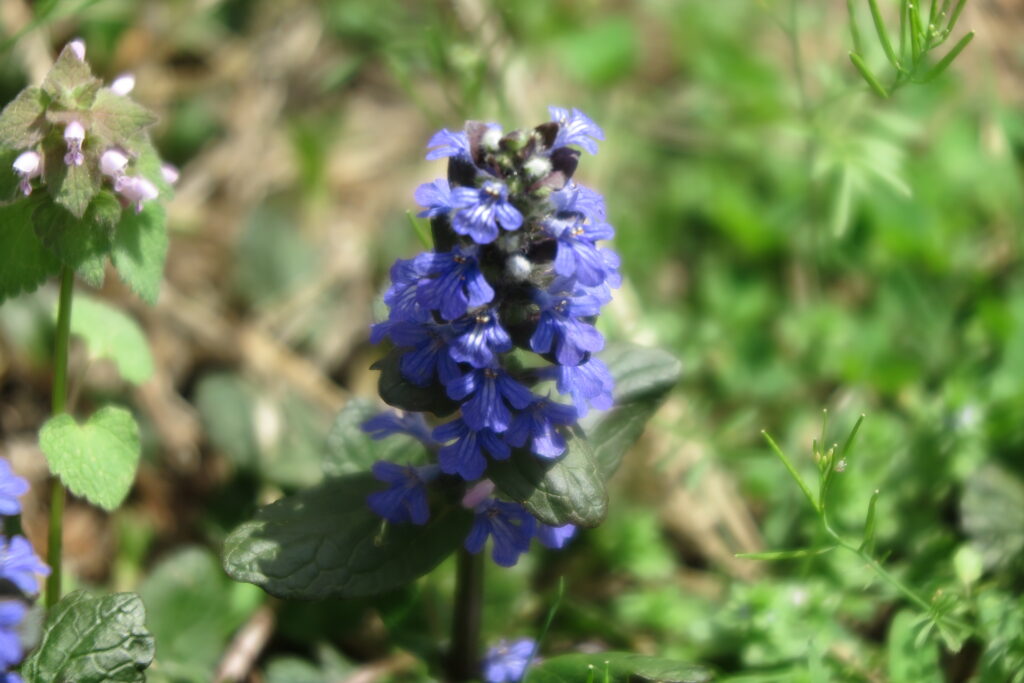
When Bugleweed begins flowering in spring, its colorful spikes become more than just an attractive garden feature. The blooms quickly attract a variety of insects searching for nectar and pollen, turning patches of Bugleweed into small hubs of pollinator activity. This relationship benefits both the plant and the insects that depend on floral resources during the growing season.
Bugleweed (Ajuga reptans) is native to parts of Europe, western Asia, and North Africa, but it has become widely established in gardens and landscapes throughout temperate regions. Wherever it grows, the plant often serves as a dependable source of nectar during its blooming period. This reliability helps make it a valuable addition to pollinator-friendly plantings.
Many gardeners select flowers primarily for appearance, but Bugleweed offers ecological value as well. Its dense flower spikes provide numerous individual blooms within a compact space. This arrangement allows visiting insects to access multiple flowers without traveling far between feeding opportunities.
The plant’s popularity among pollinators becomes especially noticeable during peak bloom. On warm days, flower spikes may host several insects simultaneously, each collecting nectar or pollen. These interactions highlight the important role ornamental plants can play in supporting local pollinator communities.
Bees and Other Major Bugleweed Pollinators
Bees are the most frequent visitors to Bugleweed flowers. Honey bees, bumble bees, and numerous native bee species regularly forage on the blooms when nectar is available. Their visits help transfer pollen between flowers while providing an important food source for the insects themselves.
Bumble bees are particularly well suited to Bugleweed’s flower structure. Their larger size allows them to move efficiently among blossoms, making contact with reproductive structures as they search for nectar. Watching a bumble bee work through a flower spike often demonstrates just how well the plant and pollinator complement one another.
Smaller native bees also benefit from Bugleweed. Solitary bees, mining bees, and sweat bees frequently visit the flowers, especially during periods when other nectar sources may be limited. These native pollinators play an important role in maintaining healthy ecosystems and supporting biodiversity.
Hoverflies represent another common visitor. Although they are often mistaken for bees because of their striped appearance, hoverflies belong to a completely different group of insects. They contribute to pollination while also providing additional ecological benefits, as some species help control garden pests during their larval stage.
A useful comparison is a busy café serving a wide range of customers throughout the day. Rather than attracting only one type of pollinator, Bugleweed welcomes numerous species that visit for similar resources. This diversity contributes significantly to the plant’s ecological value.
How Bugleweed Attracts Pollinating Insects
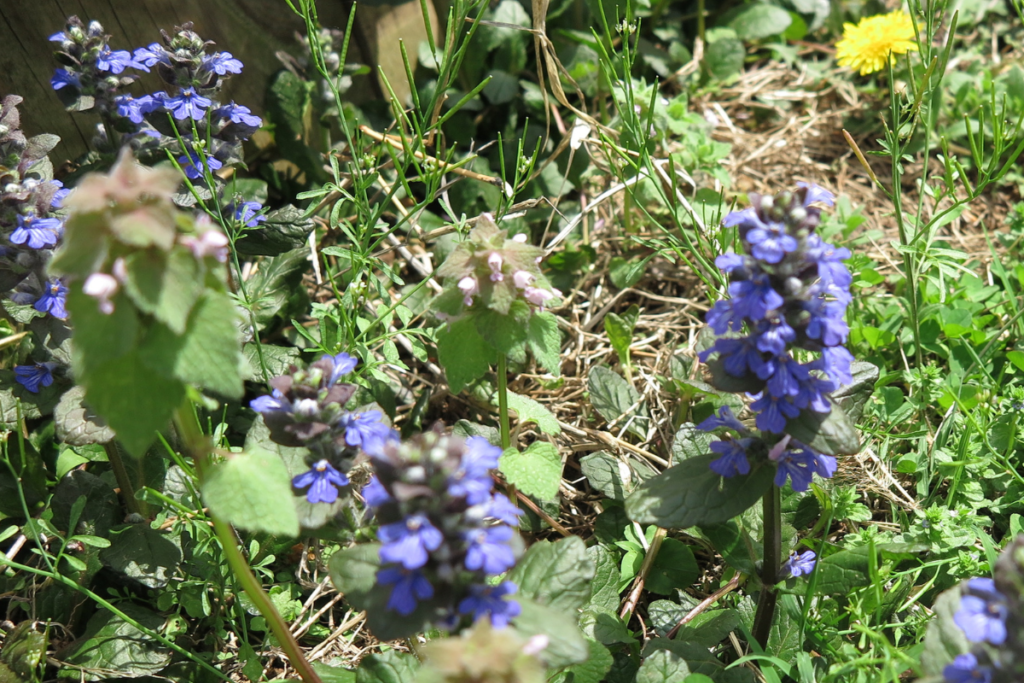
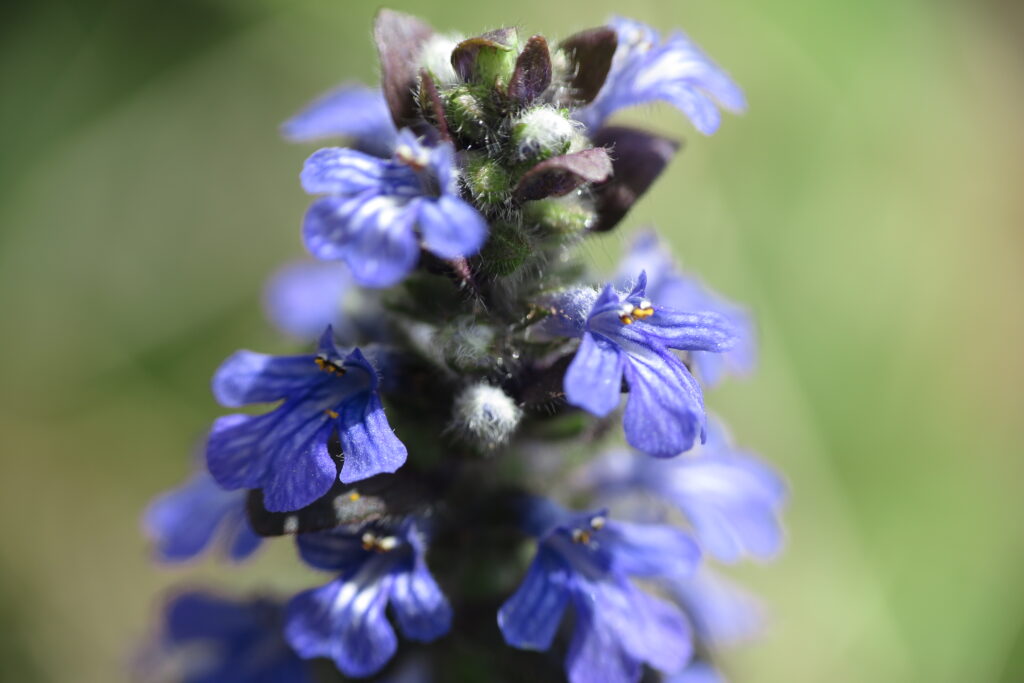
Flower structure plays a major role in attracting pollinators. The blossoms are arranged in dense vertical spikes, creating a highly visible display that stands out against surrounding foliage. This arrangement makes it easier for insects to locate flowering plants while moving through the landscape.
Color is another important factor. Most Bugleweed flowers appear in shades of blue, violet, or purple, colors that are highly visible to many pollinating insects. These hues act as visual signals that help guide visitors toward nectar-rich blooms.
The flowers also produce nectar that rewards pollinators for their visits. Insects quickly learn to associate Bugleweed with a reliable food source and may return repeatedly while the plant remains in bloom. This repeated visitation improves pollination efficiency and benefits the plant’s reproductive success.
A useful comparison is a brightly lit storefront displaying attractive products. The flower spikes advertise their resources through color, shape, and abundance, encouraging insects to investigate. Once visitors arrive, nectar provides the incentive to continue exploring additional flowers.
Flower density further enhances attraction. A single spike contains numerous blossoms packed closely together, allowing insects to feed efficiently. This concentration of resources makes Bugleweed especially appealing to pollinators attempting to maximize energy intake while minimizing travel between flowers.
Pollinator Benefits and Garden Value
The value of Bugleweed extends beyond supporting individual insects. By providing nectar and pollen, the plant contributes to larger pollinator networks that support healthy ecosystems. Gardens containing pollinator-friendly species often attract a greater diversity of beneficial insects than landscapes lacking floral resources.
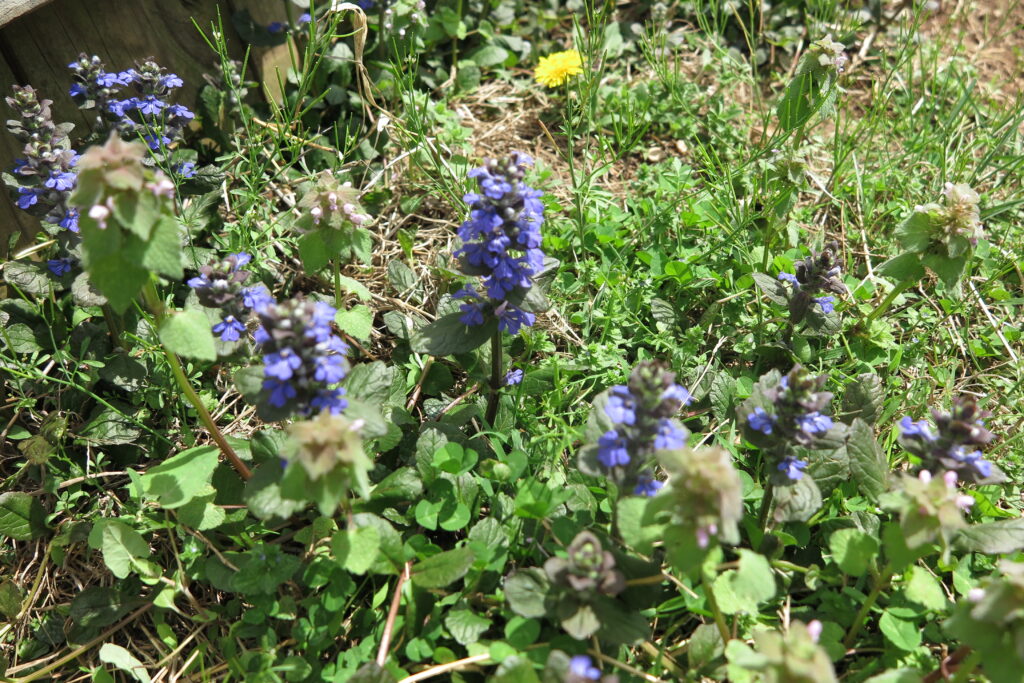
Bugleweed is particularly useful because of its growth habit. Large colonies can produce substantial numbers of flowers within a relatively small area. This means even modest plantings can offer meaningful resources to local pollinator populations.
A useful comparison is a neighborhood market serving an entire community rather than a single household. Dense flowering patches provide resources to numerous insects simultaneously, increasing the overall ecological impact of the planting. This concentration of blooms helps explain why Bugleweed often becomes a focal point for pollinator activity.
The plant also pairs well with other pollinator-friendly species. Combining Bugleweed with flowering perennials, native wildflowers, and shrubs can create a continuous sequence of nectar availability throughout the growing season. Such diversity benefits insects by reducing periods when floral resources are scarce.
For gardeners interested in supporting wildlife, Bugleweed offers an appealing combination of beauty and ecological value. Its colorful flowers attract bees, butterflies, hoverflies, and other beneficial insects while enhancing the visual appeal of the landscape. The result is a plant that contributes both ornamental interest and meaningful support for pollinator communities throughout the blooming season.
Popular Searches About Bugleweed
Explore Bugleweed Guide
Explore More Plants

Support Encounters World
Help support wildlife photography and get behind the scenes discoveries on Patreon.