Bugleweed Removal Guide: How to Control, Remove, and Prevent Bugleweed Spread
Quick Facts
Removal Difficulty: Easy to Moderate
Primary Removal Method: Hand Pulling and Digging
Secondary Control Method: Smothering and Herbicide Treatment
Root System: Fibrous Roots with Stolons
Regrowth Potential: Moderate
Best Removal Time: Spring and Early Fall
Main Challenge: Removing All Stolons and Root Fragments
Understanding Why Bugleweed Requires Removal
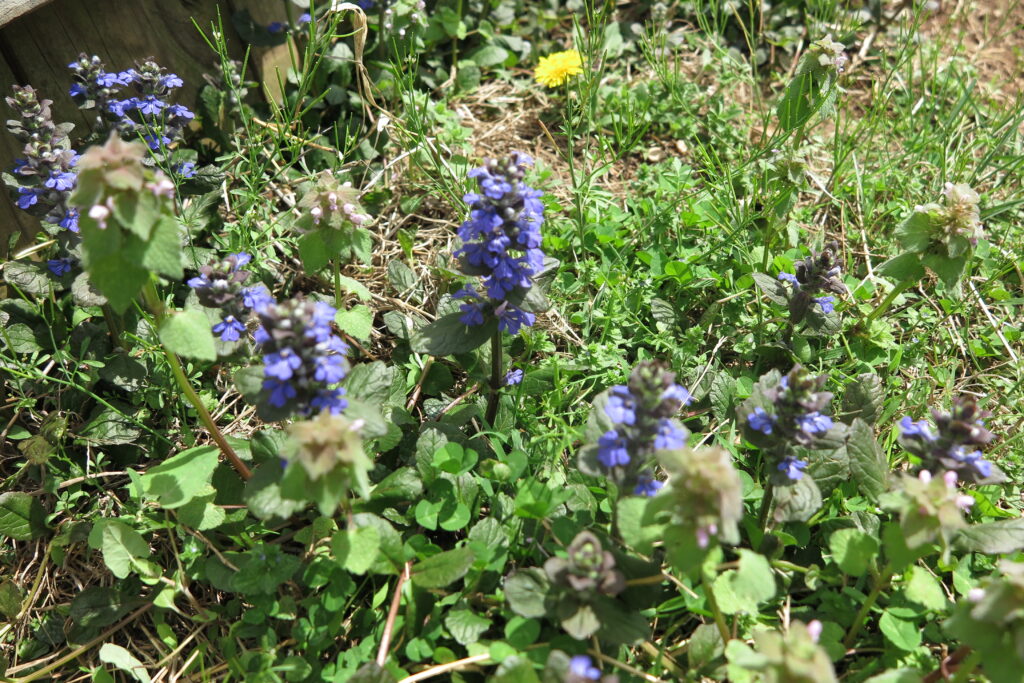
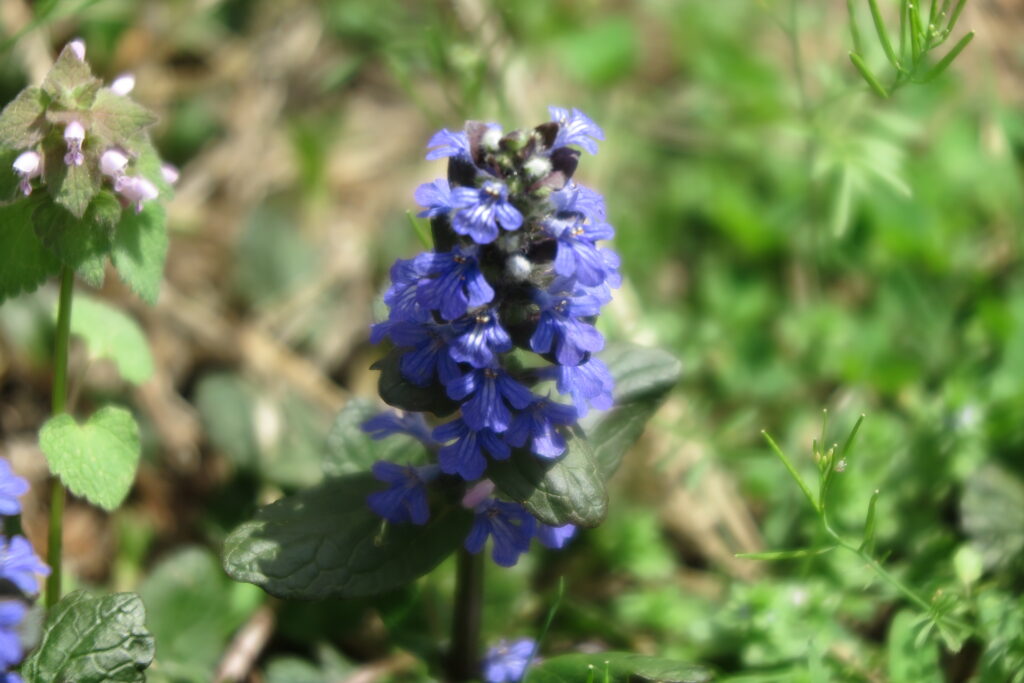
Bugleweed (Ajuga reptans) is widely planted as an ornamental groundcover because of its attractive foliage and colorful flower spikes. In many gardens, it remains a desirable landscape feature that provides year-round visual interest. However, its ability to spread steadily can eventually create problems when colonies expand beyond their intended location.
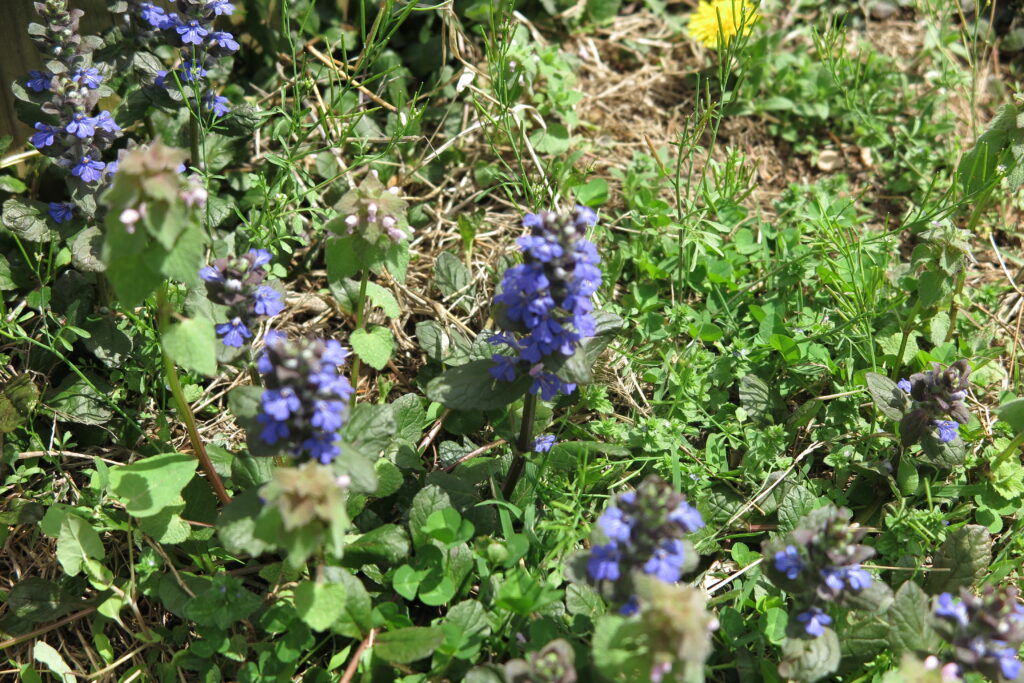
Some gardeners discover that Bugleweed has moved into flower beds, lawns, pathways, or neighboring plantings. What begins as a small decorative patch can gradually develop into a dense mat covering larger areas than originally planned. This expansion often prompts homeowners to consider control or removal options.
The decision to remove Bugleweed varies depending on personal goals and local conditions. In some landscapes, selective thinning may be sufficient to keep colonies manageable. In others, complete removal becomes necessary to protect less aggressive plants from competition.
Fortunately, Bugleweed is generally easier to control than many highly invasive species. Although persistent growth can make removal time-consuming, most infestations respond well to consistent management. Understanding how the plant grows is the first step toward successful control.
Bugleweed Spread and Why Removal Can Be Challenging
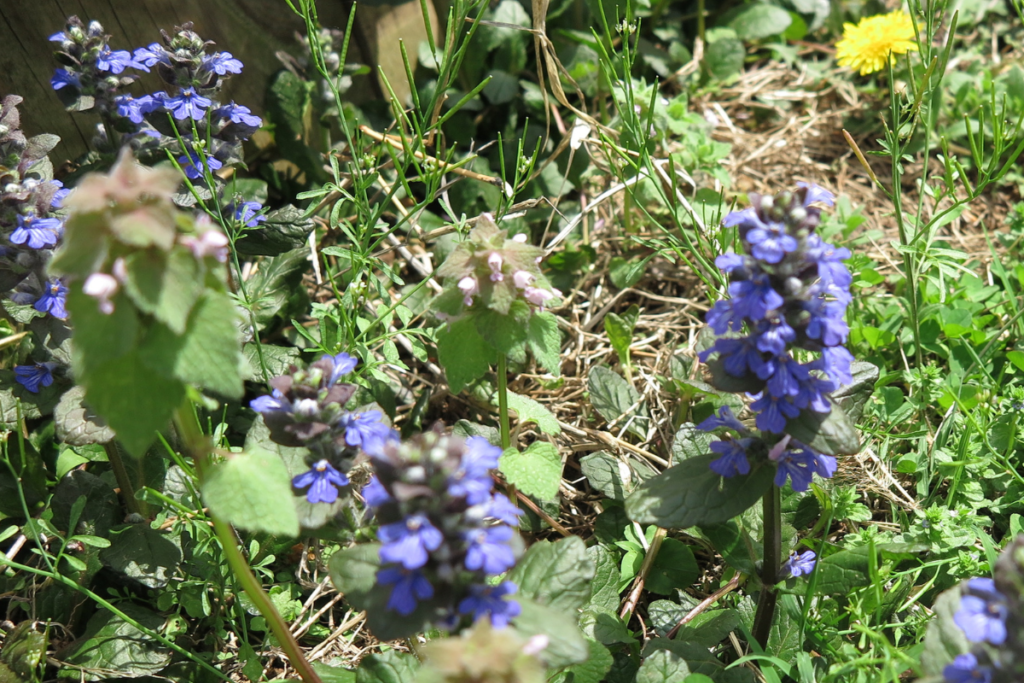
The primary reason Bugleweed can be difficult to remove is its method of spread. The plant produces stolons, which are horizontal runners that extend across the soil surface. These runners establish new growth points and gradually create interconnected colonies.
A gardener may remove visible foliage only to discover new shoots emerging weeks later. This happens because portions of the stolon network remain hidden beneath surrounding vegetation or soil. Even small surviving sections can generate fresh growth under favorable conditions.
A useful comparison is removing extension cords woven through a room. Pulling out the visible section may seem successful at first, but hidden portions remain connected elsewhere. Bugleweed behaves similarly when fragments of its spreading network are left behind.
Dense colonies create another challenge. As plants become interconnected, roots and stolons form a thick mat that can be difficult to separate from surrounding vegetation. Removal often requires patience and repeated inspection rather than a single effort.
Compared to species such as Japanese Knotweed or English Ivy, Bugleweed is generally less aggressive and easier to manage. Nevertheless, colonies that have been left undisturbed for years may require substantial work before complete removal is achieved.
Effective Methods for Removing Bugleweed
Hand removal remains one of the most reliable control techniques. Small patches can often be removed by loosening the soil and carefully lifting plants along with their roots and stolons. Working slowly helps reduce the chance of leaving fragments behind.
Digging is particularly effective when infestations occur in flower beds or landscape borders. A garden fork or shovel can be used to lift sections of the colony while exposing hidden runners. Thorough inspection of the soil afterward improves the likelihood of long-term success.
For larger infestations, sheet mulching or smothering may provide additional control. Covering the affected area with cardboard, landscape fabric, or thick layers of mulch deprives the plant of sunlight. Over time, this process weakens foliage and reduces regrowth potential.
A useful comparison is placing a blanket over a light source. Without access to sunlight, the plant’s ability to produce energy declines significantly. Although this method requires patience, it can be effective when combined with physical removal.
Herbicides are sometimes used when manual removal becomes impractical. Spot treatments may help control persistent colonies, particularly in areas where digging is difficult. Gardeners should always follow local regulations and product instructions when considering chemical control methods.
Preventing Regrowth and Long-Term Management
Successful removal does not end when the visible plants disappear. Monitoring the area for regrowth is essential because overlooked stolons may continue producing new shoots. Early detection makes follow-up control far easier than waiting for colonies to become reestablished.
Routine inspections during spring and summer are particularly valuable. New growth often appears as small clusters of leaves emerging from the soil surface. Removing these shoots immediately prevents them from rebuilding the colony.
Replanting cleared areas can also help discourage reinfestation. Dense plantings of desirable species reduce available space and limit opportunities for Bugleweed to return. Groundcovers, native perennials, and ornamental grasses often serve this purpose effectively.
A useful comparison is maintaining a garden path after removing weeds. Consistent upkeep requires less effort than allowing unwanted growth to become established again. Regular monitoring helps ensure previous removal efforts remain successful.
For gardeners who wish to keep Bugleweed while limiting spread, boundary management can provide a practical compromise. Trimming stolons, installing edging, and periodically thinning colonies help maintain control without eliminating the plant entirely. Whether the goal is complete removal or simple containment, long-term success depends on persistence, observation, and timely intervention.
Popular Searches About Bugleweed
Explore Bugleweed Guide
Explore More Plants

Support Encounters World
Help support wildlife photography and get behind the scenes discoveries on Patreon.