Bugleweed Toxicity Guide: Is Bugleweed Toxic to Humans, Dogs, Cats, and Wildlife?
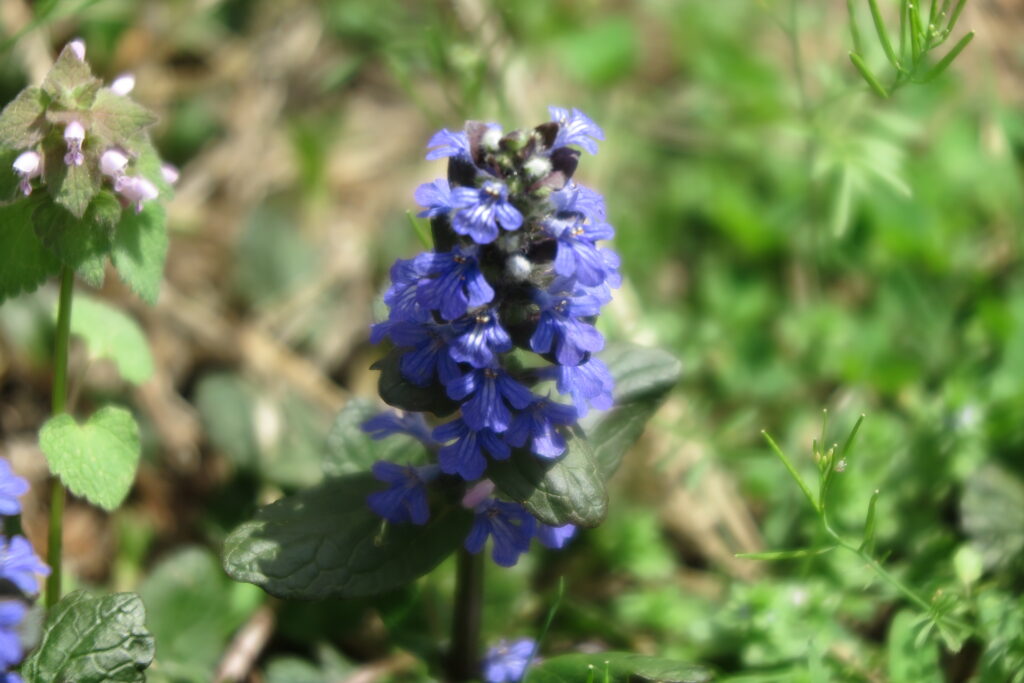
Quick Facts
Toxicity Level: Low to Non-Toxic
Human Toxicity: Generally Considered Safe
Pet Toxicity: Non-Toxic to Dogs and Cats
Toxic Parts: No Highly Toxic Plant Parts Known
Skin Irritation Risk: Rare and Mild
Livestock Risk: Low
Primary Concern: Misidentification with Other Similar Plants
Understanding Bugleweed Toxicity
Bugleweed (Ajuga reptans) is widely grown as an ornamental groundcover because of its attractive foliage, colorful flower spikes, and ease of maintenance. As the plant becomes increasingly common in gardens, parks, and residential landscapes, many people naturally wonder whether it poses any danger to humans, pets, or wildlife. Questions about toxicity are especially common among gardeners with children or animals that frequently explore outdoor spaces.
Fortunately, Bugleweed is generally considered a low-risk plant from a toxicity standpoint. Unlike many ornamental species that contain harmful compounds capable of causing serious illness, Bugleweed has not developed a reputation as a dangerous garden plant. This characteristic has contributed to its popularity in family-friendly landscapes.
Confusion occasionally arises because Bugleweed belongs to the mint family, which contains hundreds of species with varying chemical compositions. Some relatives are cultivated as culinary herbs, while others possess medicinal properties or mild irritants. Understanding where Bugleweed fits within this family helps clarify its safety profile.
Although the plant is generally regarded as non-toxic, responsible gardeners should still understand how it interacts with people and animals. No plant should automatically be assumed completely harmless under all circumstances. Learning about potential risks, even when minimal, allows for safer gardening and more informed landscape decisions.
Bugleweed and Human Safety
For most people, Bugleweed presents little cause for concern. Casual contact with the leaves, stems, or flowers does not typically result in harmful effects. Gardeners regularly handle the plant during planting, pruning, and maintenance without experiencing significant health problems.
The species has even been associated with traditional herbal use in certain regions. Historical references describe various applications involving related Bugleweed species, though these uses differ from modern ornamental cultivation. Such historical associations further support the plant’s reputation as relatively safe when compared to genuinely poisonous ornamentals.
Accidental ingestion of small amounts is unlikely to cause serious toxicity in healthy individuals. The plant does not contain the highly dangerous compounds found in species such as foxglove, monkshood, or oleander. This distinction is important because many flowering ornamentals can pose substantial risks if consumed.
A useful comparison is the difference between a household cleaning product and a mild herbal tea. One presents an obvious poisoning hazard, while the other generally does not. Bugleweed falls much closer to the low-risk end of this spectrum than many common ornamental plants.
That said, consuming large quantities of any unfamiliar plant is never recommended. Individual sensitivities vary, and digestive discomfort can occur when significant amounts of plant material are eaten. Proper identification should always precede any consideration of plant use.
Is Bugleweed Toxic to Dogs, Cats, and Other Animals?
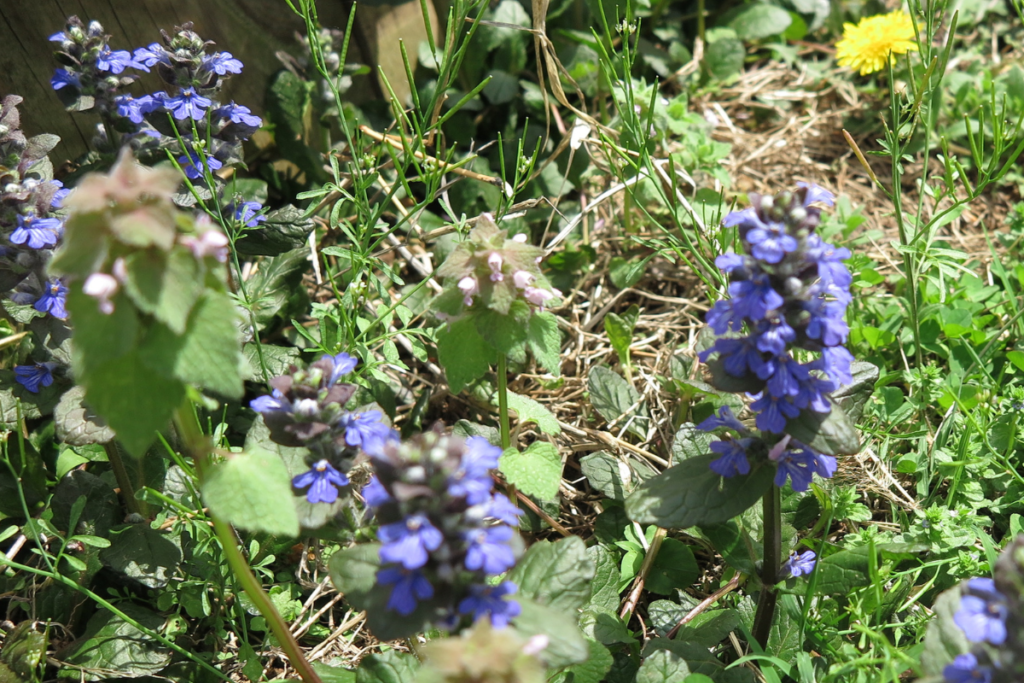
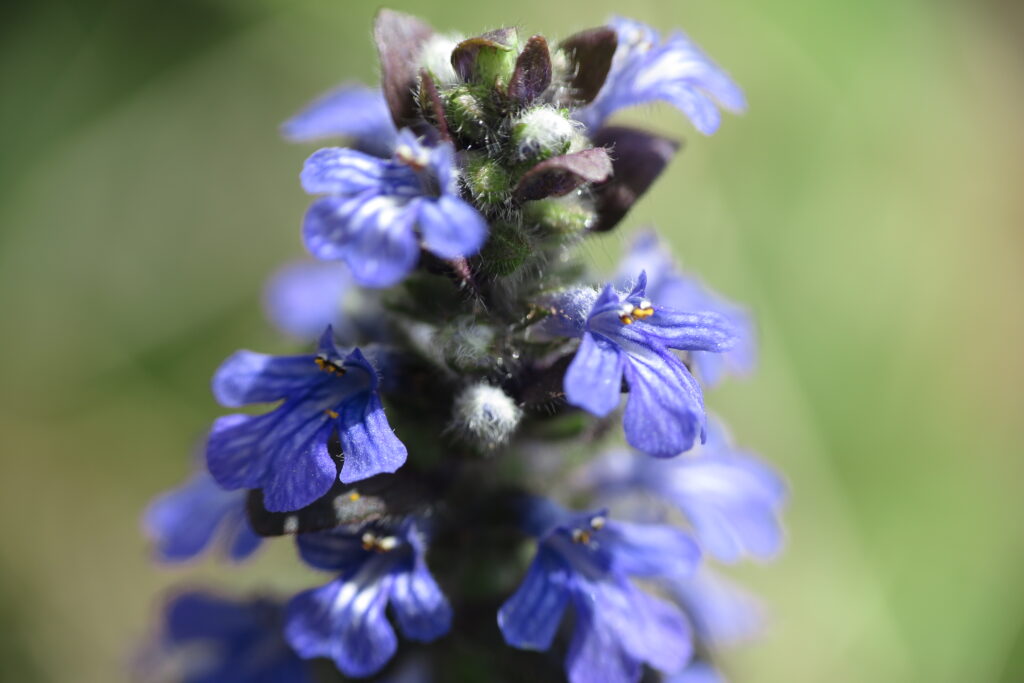
Pet owners often worry about ornamental plants because dogs and cats occasionally chew vegetation while exploring outdoors. Fortunately, Bugleweed is generally regarded as non-toxic to both dogs and cats. The plant does not appear on many of the major lists of highly toxic ornamental species associated with severe pet poisoning.
Most animals show little interest in consuming large amounts of Bugleweed. The foliage lacks the strong attractants that encourage repeated feeding in some species. As a result, accidental ingestion tends to be limited when it occurs at all.
If a pet chews a small amount of Bugleweed, serious symptoms are unlikely. Mild digestive upset may occasionally occur simply because the animal consumed unfamiliar plant material. Similar reactions can happen when pets eat grass, leaves, or other non-toxic vegetation.
A useful comparison is chewing on a common garden plant rather than a poisonous ornamental shrub. While minor stomach irritation is possible, the risk of severe poisoning remains extremely low. This makes Bugleweed a comparatively safe choice for gardens frequented by pets.
Wildlife interactions are generally uneventful as well. Various insects visit the flowers, while larger animals occasionally move through Bugleweed patches without obvious issues. The plant’s ecological role centers more on pollinator support than on toxicity-based defense mechanisms.
Common Concerns and Safety Considerations
One of the biggest safety concerns involving Bugleweed is not the plant itself but the possibility of misidentification. Several low-growing plants produce purple flowers and similar foliage, and some may have different properties. Accurate identification is always important when evaluating any plant’s safety.
Gardeners should also remember that individual reactions can vary. Although uncommon, sensitive individuals may experience minor skin irritation after prolonged handling of foliage. Wearing gloves during extensive gardening tasks can help minimize exposure and is a good general gardening practice regardless of plant species.
Another consideration involves pesticides, herbicides, or fertilizers applied to the planting area. In many cases, these products pose a greater risk to people and pets than the Bugleweed itself. Proper use of landscape chemicals remains important even when working with non-toxic plants.
A useful comparison is a playground built from safe materials but located near traffic. The structure itself presents little danger, yet surrounding factors still require attention. Similarly, Bugleweed is generally safe, but broader gardening practices continue to matter.
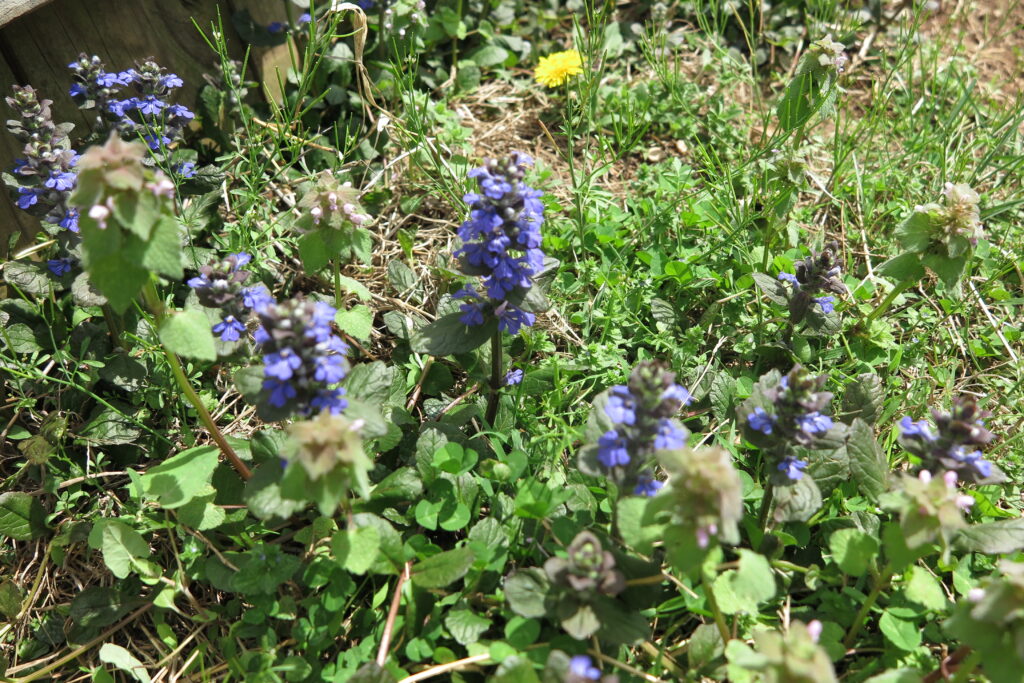
Overall, Bugleweed is considered one of the safer ornamental groundcovers available for gardens and landscapes. It is not known for severe toxicity to humans, dogs, cats, or wildlife, and casual contact rarely causes problems. While sensible precautions and proper identification are always recommended, gardeners can usually enjoy Bugleweed with confidence, knowing it presents far fewer toxicity concerns than many other popular ornamental plants.
Popular Searches About Bugleweed
Explore Bugleweed Guide
Explore More Plants

Support Encounters World
Help support wildlife photography and get behind the scenes discoveries on Patreon.