Woodland Moss Identification Guide: How to Identify Woodland Moss in the Wild
Quick Facts
Leaf Shape: Small, Narrow to Lance-Shaped
Stem Type: Slender, Flexible, Non-Woody
Root System: Rhizoids (Root-Like Anchoring Structures)
Flower Structure: None (Non-Flowering Plant)
Growth Form: Creeping, Carpet-Forming Colonies
Texture: Soft, Velvety, Cushion-Like
Color Variations: Bright Green, Emerald Green, Olive Green, Yellow-Green
Woodland Moss Identification Introduction and Key Recognition Features
Woodland Moss refers to a collection of moss species commonly found throughout temperate and boreal regions around the world. These ancient plants create soft green coverings across natural surfaces and are among the most recognizable non-flowering plants encountered outdoors. Their small size often causes them to be overlooked until a large colony draws attention through its color and texture.
Across North America, Europe, Asia, and other suitable regions, woodland moss appears in a variety of natural settings. Although individual species may differ slightly in appearance, many share common characteristics that make them relatively easy to recognize. Once these traits become familiar, identifying woodland moss becomes much more straightforward.
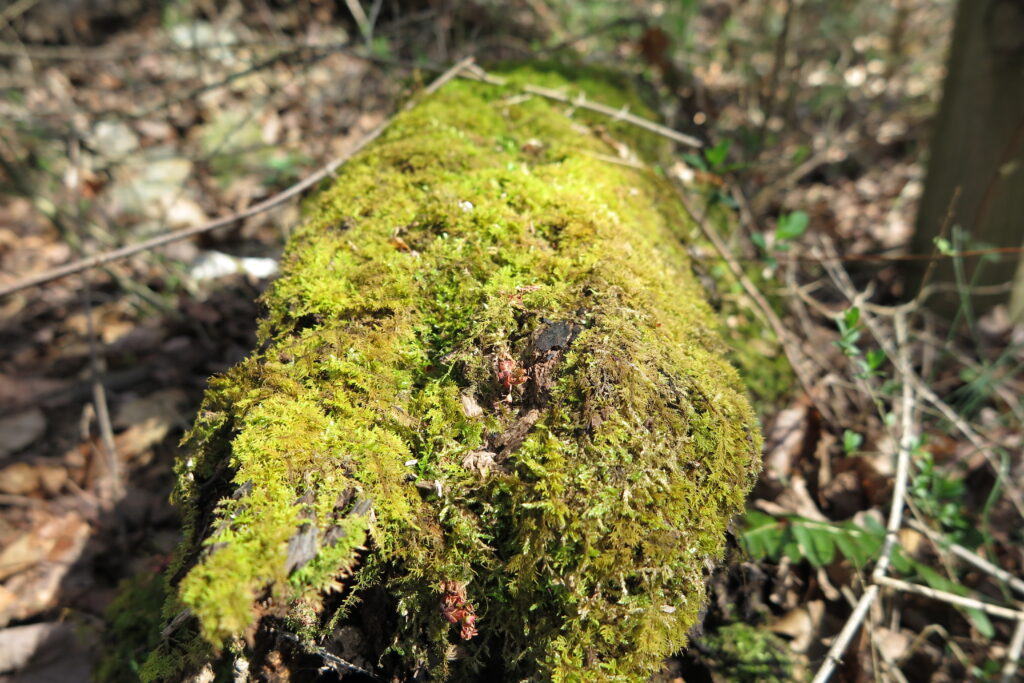
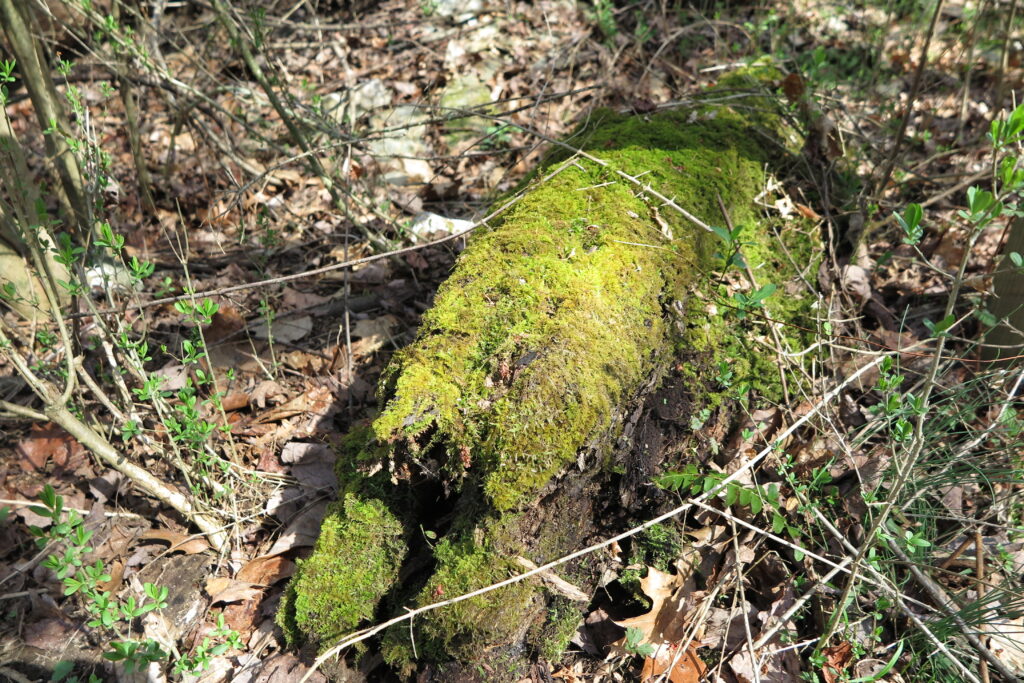
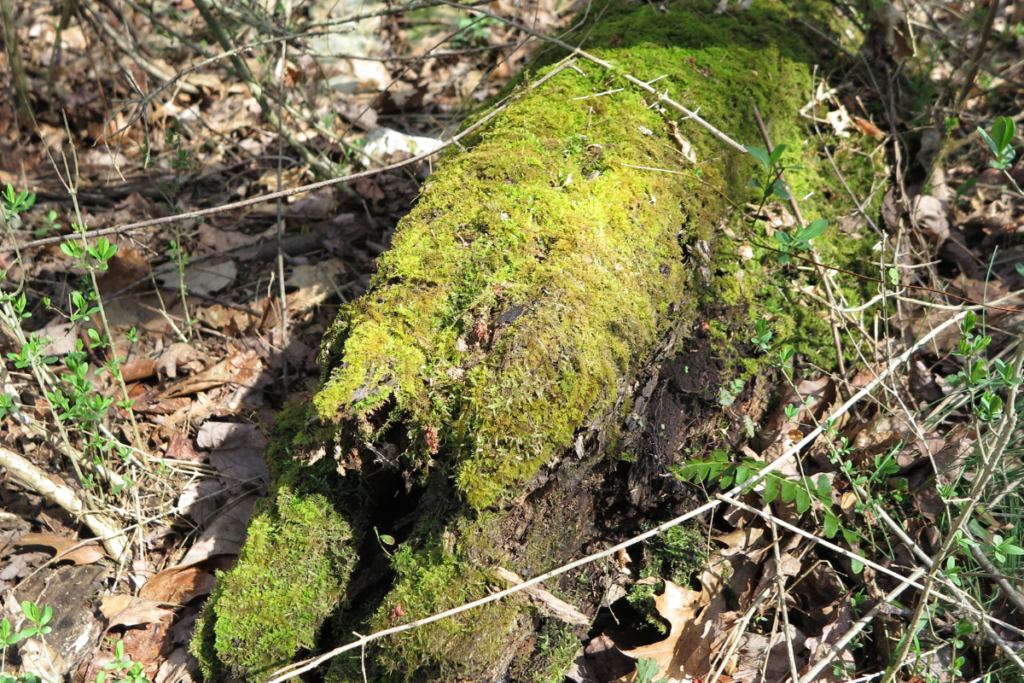
Many first-time observers notice woodland moss because of the way it transforms surfaces into vibrant green carpets. A fallen log, shaded rock, or exposed root system may appear almost completely covered by a dense layer of living vegetation. This visual effect often makes moss stand out even among more conspicuous plants.
Successful identification depends on looking beyond color alone. Many green organisms can appear similar from a distance, including algae, liverworts, and small seedlings. Woodland moss possesses a unique combination of texture, structure, and growth form that becomes increasingly obvious when examined closely.
Woodland Moss Structure and Overall Physical Appearance
At a broad level, woodland moss typically appears as a low-growing mat spread across a surface. Rather than producing tall stems or large leaves, colonies remain close to the substrate and expand outward over time. This growth form gives woodland moss a compact appearance that differs significantly from most flowering plants.
Individual plants are extremely small, yet they occur in dense concentrations. Thousands of shoots often grow together so tightly that they create a nearly continuous surface. Viewed from a distance, an established colony can resemble a piece of green fabric draped across wood or stone.
The overall shape of a colony depends partly on the surface beneath it. Moss growing on flat ground may appear smooth and uniform, while colonies on uneven logs often follow every contour of the wood. This flexibility allows woodland moss to create flowing patterns that highlight natural textures in the landscape.
A useful comparison is a miniature living carpet. The colony spreads across available surfaces much like a rug covering a floor, conforming to bumps, ridges, and irregularities beneath it. This broad, carpet-like appearance remains one of the easiest features to recognize in the field.
Mature colonies often become thick enough to develop a slightly cushioned appearance. Instead of appearing flat and hard, the surface may look soft and springy. This visual softness contributes to the distinctive look that separates woodland moss from many other green plants.
Woodland Moss Leaves, Stems, and Root-Like Structures
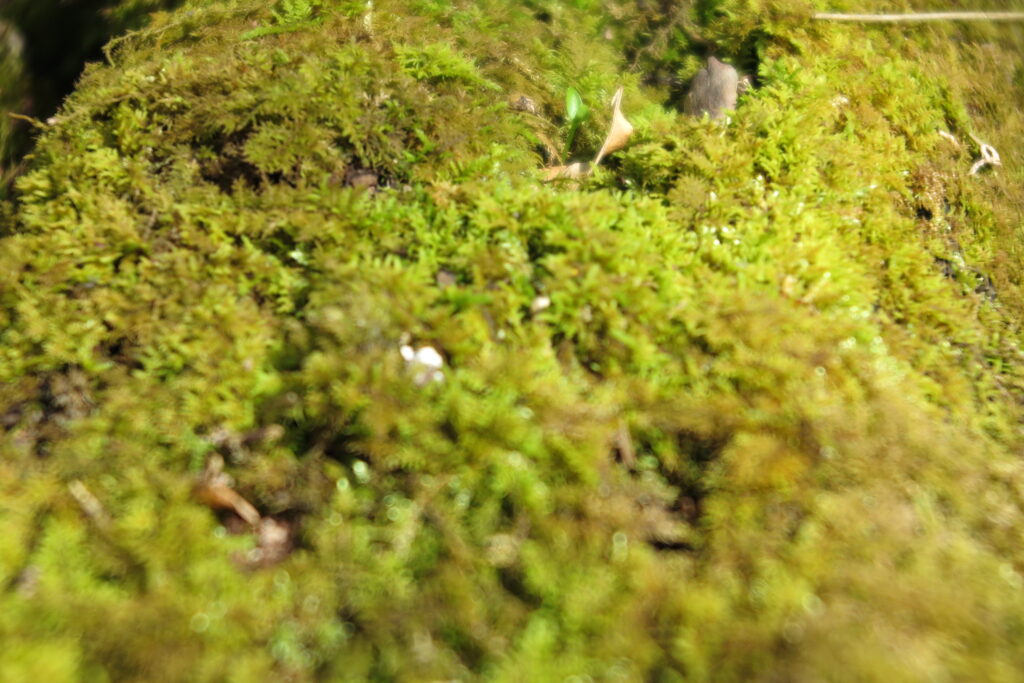
The leaves of woodland moss are among its most important identifying features. Individual leaves are extremely small and often narrow, tapering toward a pointed tip. Although tiny, they occur in large numbers and collectively create the texture that defines a moss colony.
Leaf arrangement varies somewhat among species, but most woodland mosses display closely packed leaves surrounding slender stems. These leaves overlap one another, producing a dense surface that can appear almost fuzzy when viewed without magnification. Their arrangement contributes to the soft visual quality associated with healthy moss colonies.
The stems themselves are delicate and flexible rather than woody or rigid. Unlike shrubs or trees, woodland moss lacks strong supporting structures designed for height. Instead, stems remain short and closely grouped, helping maintain the compact growth form characteristic of moss colonies.
A close comparison can be made to miniature evergreen branches. When viewed through a hand lens, many moss shoots resemble tiny versions of conifer stems covered in small needles. This resemblance often surprises observers who have never examined moss closely before.
Woodland moss does not possess true roots like flowering plants. Instead, it relies on specialized structures called rhizoids. These thin, thread-like structures anchor the colony to surfaces and resemble a fine network of fibers rather than a traditional root system. Their primary role is attachment rather than nutrient absorption.
Woodland Moss Spores and Reproductive Structures for Identification
Unlike flowering plants, woodland moss does not produce blossoms, fruits, or seeds. This absence of flowers is one of the easiest ways to distinguish moss from many other plant groups. Observers expecting petals or seed heads will not find them on woodland moss.
The most visible reproductive structures are sporophytes. These structures often appear as thin stalks extending above the moss colony. At the tip of each stalk sits a small capsule that contains developing spores. Their appearance can dramatically change the overall look of a colony during reproductive periods.
The capsules vary in color depending on maturity and species. Some begin green before becoming tan, brown, or reddish as they develop. Viewed from a distance, a colony covered in sporophytes may appear dotted with hundreds of tiny stems rising above the green surface.
A useful comparison is a field of miniature flagpoles emerging from a carpet. The slender stalks stand above the colony and make reproductive structures far easier to notice than the tiny leaves below. This distinctive arrangement often helps observers identify a moss colony during active reproductive periods.
When the capsules mature, they release microscopic spores into the environment. Although the spores themselves cannot be seen without magnification, the capsules remain valuable identification features. Their presence confirms that the plant belongs to a spore-producing group and provides another visual clue that separates woodland moss from flowering vegetation.
Popular Searches About Woodland Moss
Explore Woodland Moss Guide
Explore More Plants

Support Encounters World
Help support wildlife photography and get behind the scenes discoveries on Patreon.