
Are Rhode Island Red Roosters Aggressive? Complete Rooster Aggression Guide
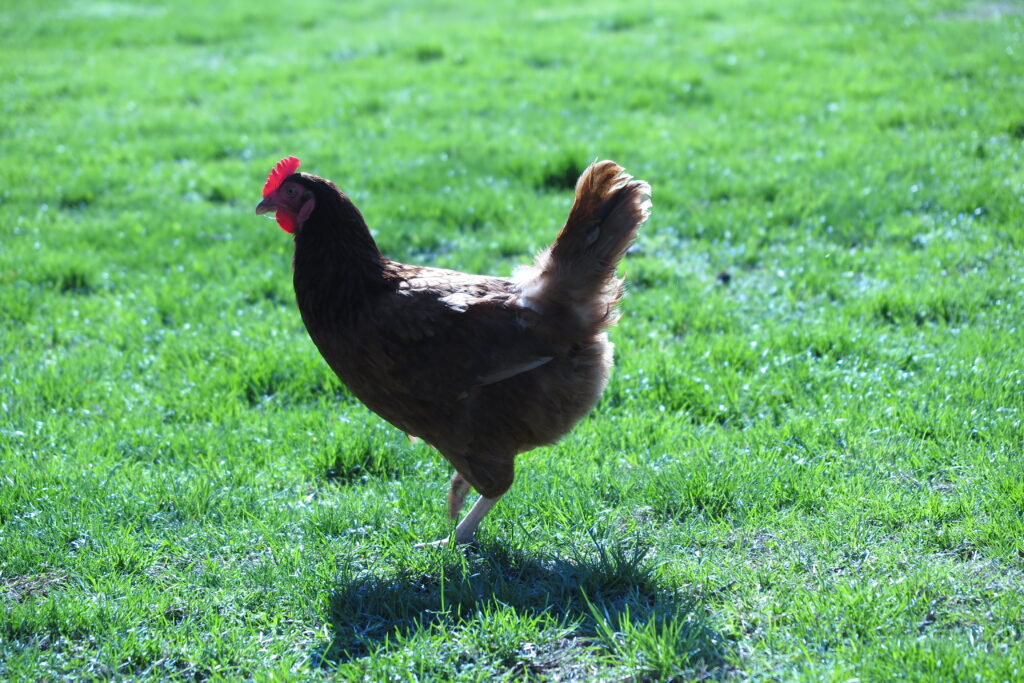
Quick Facts
Temperament: Confident to Moderately Assertive
Average Size: 8–8.5 pounds (3.6–3.9 kg)
Lifespan: 5–8 Years
Global Range: Worldwide Domestic Populations
Conservation Status: Domestic Breed
Notable Feature: Strong Protective Instincts Can Be Mistaken for Aggression
Introduction to Rhode Island Red Rooster Aggression
Rhode Island Red roosters are among the most recognizable male chickens found on farms, homesteads, and backyard flocks around the world. Developed from one of America’s most famous poultry breeds, these birds are known for their striking appearance, sturdy build, and strong presence within a flock. Their popularity has also led to one of the most common questions asked by poultry keepers: are Rhode Island Red roosters aggressive?
The answer is not always simple. Like many domestic rooster breeds, Rhode Island Reds possess natural instincts that can sometimes be interpreted as aggressive behavior. These instincts developed over generations and play an important role in how roosters interact with their environment and the birds around them.
Many first-time poultry owners encounter stories describing Rhode Island Red roosters as unusually aggressive. While some individuals certainly display challenging behavior, others remain calm and manageable throughout their lives. Understanding the difference between true aggression and normal rooster instincts is essential when evaluating the breed.
Because Rhode Island Reds are raised throughout North America, Europe, Australia, Asia, and many other regions, experiences vary widely. Individual personality, genetics, handling, and flock management all influence how a rooster behaves. As a result, no two Rhode Island Red roosters are exactly alike.
Rhode Island Red Rooster Aggression Overview
Rhode Island Red roosters are often described as more assertive than some other chicken breeds. This reputation stems largely from their confidence and willingness to take charge within a flock. While assertiveness can occasionally develop into aggression, the two behaviors are not identical.
Most mature roosters naturally establish themselves as dominant birds. Their role involves maintaining order and responding to potential threats. Because of this responsibility, they often display bold body language that may appear intimidating to inexperienced poultry keepers.
Compared to gentler breeds such as Buff Orpingtons, Rhode Island Red roosters frequently exhibit a stronger and more commanding presence. A useful comparison would be the difference between a relaxed neighborhood watchdog and a highly alert livestock guardian dog. Both serve protective functions, but one displays a noticeably higher level of vigilance.
Many reports of aggression actually involve territorial behavior. Roosters may become defensive when they perceive challenges to their position within the flock. This reaction often appears more dramatic during breeding season or when unfamiliar people enter their territory.
It is important to recognize that not every Rhode Island Red rooster becomes aggressive. Many remain manageable, respectful, and relatively calm throughout adulthood. Individual temperament frequently varies even among birds raised under nearly identical conditions.
In most cases, Rhode Island Red roosters should be viewed as confident and protective rather than automatically aggressive. Understanding this distinction helps create more realistic expectations for poultry owners considering the breed.
Physical Traits Linked to Rhode Island Red Rooster Dominance
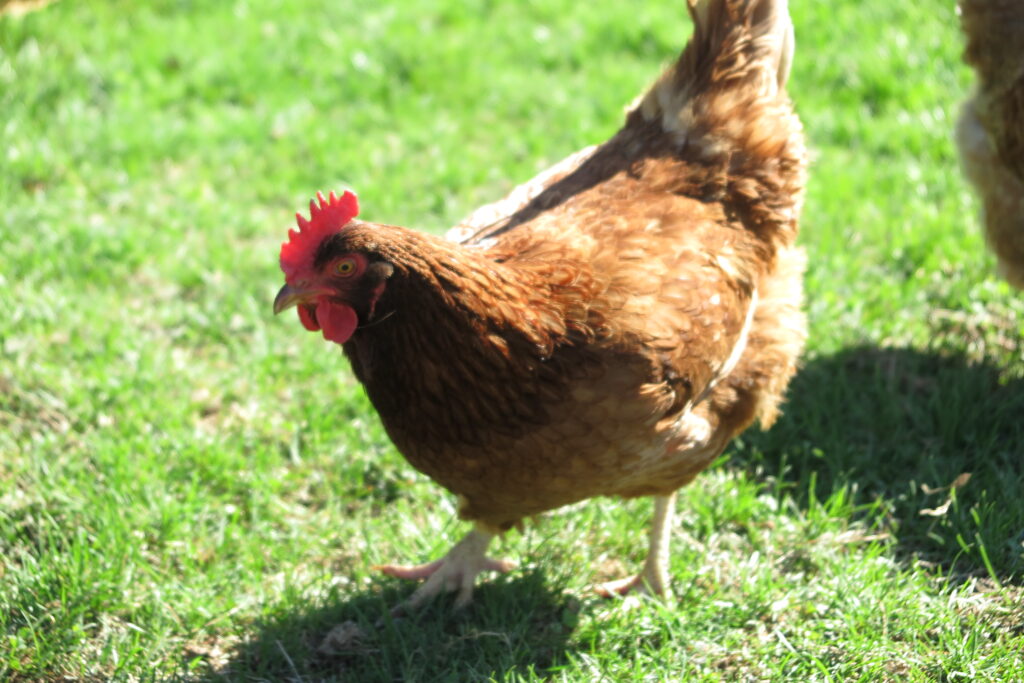
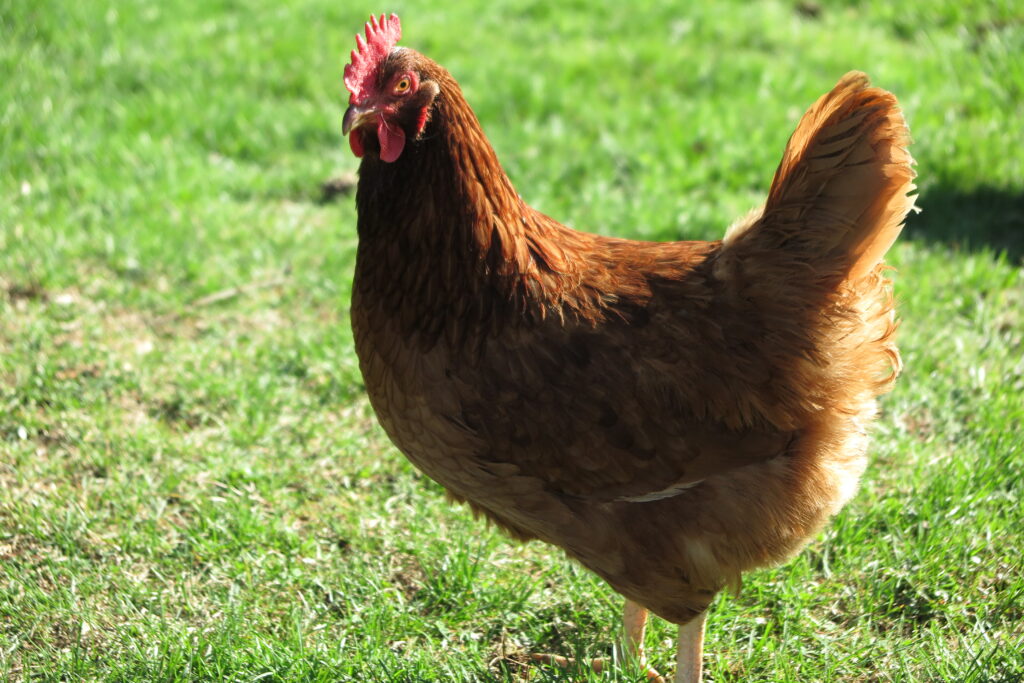
Several physical characteristics contribute to the powerful impression created by Rhode Island Red roosters. Their larger size immediately distinguishes them from hens and reinforces their dominant appearance within a flock. Mature males often appear significantly more imposing than their female counterparts.
The breed’s upright posture is particularly noticeable. Rhode Island Red roosters typically carry themselves with an elevated stance that emphasizes confidence and awareness. Even when standing still, they project an appearance of readiness and control.
Large combs and wattles further enhance their visual presence. Bright red and highly visible, these features act almost like natural signals announcing the bird’s maturity and status. Combined with their rich plumage, they create an unmistakably bold profile.
Another defining feature is the development of long saddle and sickle feathers. These flowing feathers give roosters a larger and more dramatic appearance than hens. Viewed from a distance, a mature rooster can resemble a feathered banner moving through the flock.
Compared to lighter poultry breeds, Rhode Island Red roosters often possess a more muscular frame. Their broad chest and sturdy legs reinforce the impression of strength and durability. These traits contribute to the breed’s long-standing reputation as a tough and capable farm bird.
The combination of these physical features can sometimes cause observers to perceive aggression even when none is occurring. Much like a large guard dog resting calmly on a porch, the bird’s appearance alone often communicates authority and confidence.
Why Rooster Aggression Exists and Its Role in Nature
Aggressive behavior in roosters did not develop randomly. It serves several biological purposes that have helped domestic chickens survive and reproduce for thousands of years. Understanding these functions provides valuable context when evaluating Rhode Island Red rooster behavior.
One of the primary reasons aggression occurs is territory defense. Roosters naturally establish and maintain areas where their flock feeds, rests, and nests. Protecting these spaces helps reduce competition and potential threats from other animals.
Another important function involves flock protection. Roosters frequently position themselves where they can monitor surrounding activity and respond quickly to danger. In many cases, behavior that appears aggressive is actually part of a defensive strategy designed to protect hens.
Competition among males also contributes to aggressive displays. Throughout nature, many animal species establish social hierarchies through visual displays, posturing, and occasional confrontation. Rhode Island Red roosters follow a similar pattern when determining dominance.
For example, a rooster may challenge another bird entering its territory by standing taller, spreading its feathers, and making itself appear larger. This display often resolves the situation without physical conflict. Such interactions help maintain social order while minimizing unnecessary injury.
Within agricultural environments, these instincts continue to influence rooster behavior even though many natural threats are reduced. The underlying biological drive remains present regardless of whether the bird lives on a small homestead or a large farm.
When asking whether Rhode Island Red roosters are aggressive, the most accurate answer is that they are naturally protective, territorial, and confident. Some individuals may become genuinely aggressive, but many behaviors associated with the breed stem from instincts that help maintain flock structure and security. Understanding those instincts allows poultry keepers to better appreciate the role these impressive birds play within a flock.
Popular Searches About Rhode Island Reds
Explore Rhode Island Red Guide
Explore More Domestic Animals

Support Encounters World
Help support wildlife photography and get behind the scenes discoveries on Patreon.