Red Lionfish Origin & Native Range Guide: Where Red Lionfish Come From
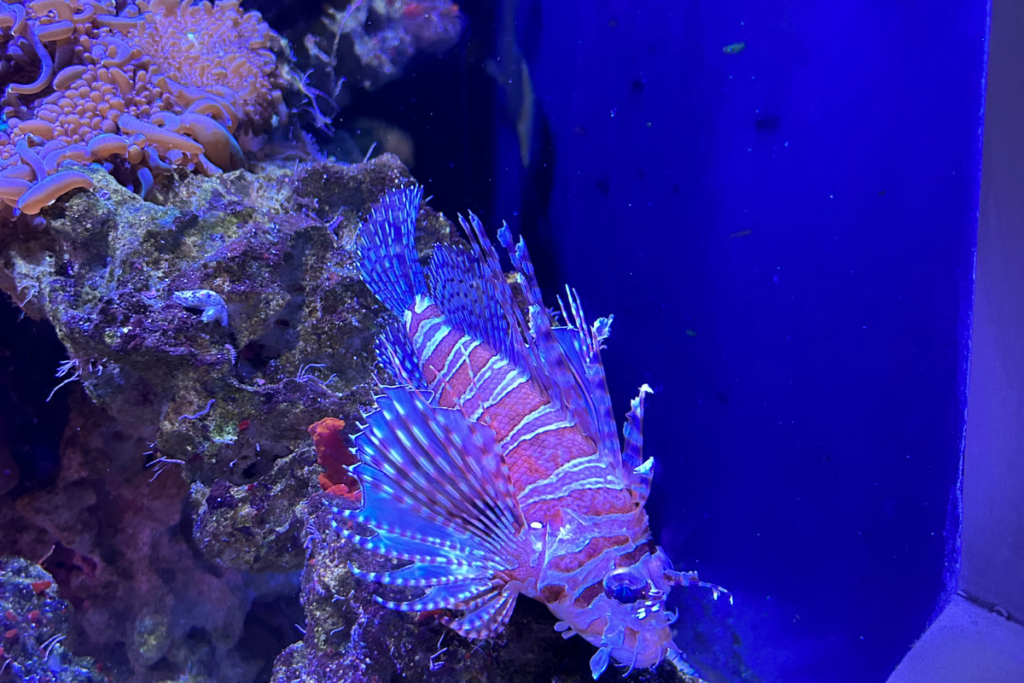
Quick Facts
Native Region: Indo-Pacific Ocean
Origin Area: Western Pacific and Indian Oceans
Average Size: 12–15 Inches (30–38 cm)
Lifespan: 10–15 Years
Current Global Range: Native Indo-Pacific; Introduced Atlantic, Caribbean, and Gulf of Mexico
Conservation Status: Least Concern
Introduction: The Native Origins of the Red Lionfish
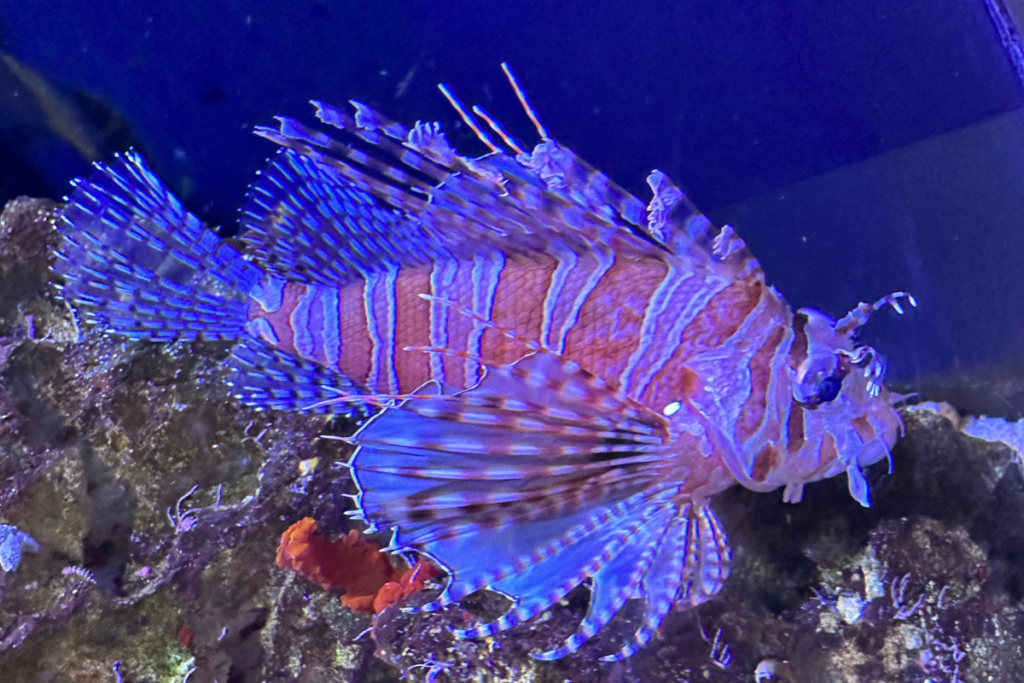
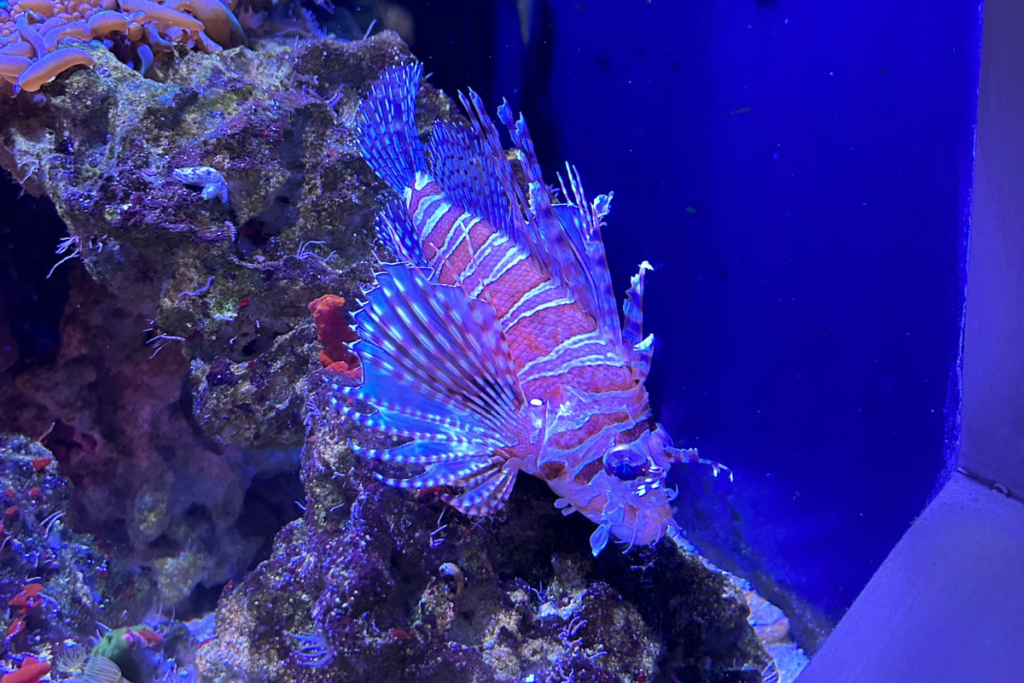
The red lionfish is one of the most recognizable marine fish in tropical waters, known for its striking striped body and elaborate fins. While many people associate lionfish with the Caribbean or Atlantic Ocean due to their invasive spread, the species actually originated thousands of miles away in the Indo-Pacific region. Understanding its native range helps provide important context for the fish’s modern distribution.
The scientific name Pterois volitans refers to a species that evolved within some of the world’s most diverse marine ecosystems. These waters contain extensive coral reef systems, tropical coastlines, and island chains that support countless fish species. Within these environments, lionfish developed alongside predators, competitors, and other reef organisms over long evolutionary periods.
Today, red lionfish are found across multiple oceans, but their historical homeland remains the Indo-Pacific. This region stretches across an enormous area that includes parts of eastern Africa, the Indian Ocean, Southeast Asia, Australia, and the western Pacific Ocean. Such a broad native range demonstrates that lionfish were naturally successful long before becoming an invasive species elsewhere.
Examining where lionfish originated also reveals how marine species can spread over time. Ocean currents, geographic barriers, and environmental conditions all influence distribution patterns. The red lionfish serves as an excellent example of a species whose natural range was already extensive before human activity introduced it into entirely new regions.
Red Lionfish Native Range Across the Indo-Pacific
The native range of the red lionfish spans one of the largest tropical marine regions on Earth. Populations naturally occur from the eastern coast of Africa across the Indian Ocean and into the western Pacific. This distribution covers thousands of miles and includes numerous island systems, reefs, and coastal environments.
Countries within the lionfish’s native range include areas such as Mozambique, Kenya, Tanzania, India, Indonesia, the Philippines, Papua New Guinea, and parts of Japan. The fish is also commonly found around northern Australia and many Pacific island groups. Such a broad geographic presence reflects the species’ ability to thrive throughout tropical marine environments.
Unlike species restricted to a single coastline or isolated island chain, lionfish evolved across interconnected ocean systems. Ocean currents helped maintain genetic connections between populations while also allowing gradual expansion into suitable areas. Similar patterns occur in many widespread marine species, but few possess a native range as impressive as that of the lionfish.
When compared to fish with highly localized distributions, the lionfish stands out as naturally widespread. Some reef fish occur only around specific islands or narrow coastal zones. Red lionfish, by contrast, occupy an enormous portion of the Indo-Pacific region, making them one of the more broadly distributed tropical marine fish species.
Geographic Features That Shaped Red Lionfish Distribution
The Indo-Pacific region contains a remarkable variety of marine landscapes that helped shape the evolution of the red lionfish. Coral reef systems, volcanic islands, continental coastlines, and shallow tropical seas all contributed to the development of suitable environments. These diverse geographic features provided opportunities for populations to expand across vast areas.
One important factor influencing distribution is the connectivity of tropical oceans. Unlike terrestrial animals that encounter mountains, deserts, or forests as barriers, marine species often disperse through continuous bodies of water. Ocean currents act as natural transportation systems, carrying developing larvae between distant locations. This process has helped many marine species maintain broad distributions over time.
The Coral Triangle, a region encompassing parts of Indonesia, Malaysia, Papua New Guinea, and the Philippines, is particularly significant. Often referred to as the global center of marine biodiversity, this area contains extraordinary concentrations of reef life. Lionfish populations occurring within this region are part of one of the most species-rich marine environments on Earth.
Geographic isolation has also played a role in shaping lionfish populations. Island chains separated by hundreds of miles of open ocean create unique ecological conditions. Yet despite these distances, lionfish successfully established populations across much of the Indo-Pacific. Their presence throughout both continental and island ecosystems highlights the effectiveness of their natural distribution.
The Ecological Importance of the Red Lionfish Native Range
Within its native range, the red lionfish functions as a long-established component of tropical marine ecosystems. Unlike introduced populations found elsewhere, native lionfish exist within ecological communities that have evolved alongside them for thousands of years. These relationships help maintain balance among species sharing the same environment.
Native ecosystems contain predators, competitors, and environmental pressures that naturally influence lionfish populations. Over long periods of time, these interactions contributed to the development of stable ecological relationships. This contrasts with regions where lionfish were introduced and encountered communities that had not previously evolved with them.
The Indo-Pacific remains one of the most biologically important marine regions in the world. Coral reefs found throughout this area support extraordinary biodiversity and provide habitat for countless species. Lionfish represent just one part of these complex ecological networks, contributing to the overall diversity that makes the region globally significant.
Understanding the origin and native range of the red lionfish helps distinguish its natural history from its invasive history. Although the species has become famous for its expansion into Atlantic waters, its true ecological story begins in the tropical Indo-Pacific. This vast native range shaped the evolution of one of the world’s most recognizable marine fish and continues to serve as the foundation of its natural existence today.
Popular Searches About Red Lionfish
Explore Red Lionfish Guide
Explore More Exhibits

Support Encounters World
Help support wildlife photography and get behind the scenes discoveries on Patreon.