
Common Earthworm Identification Guide: How to Identify Earthworms by Size, Color, and Body Features
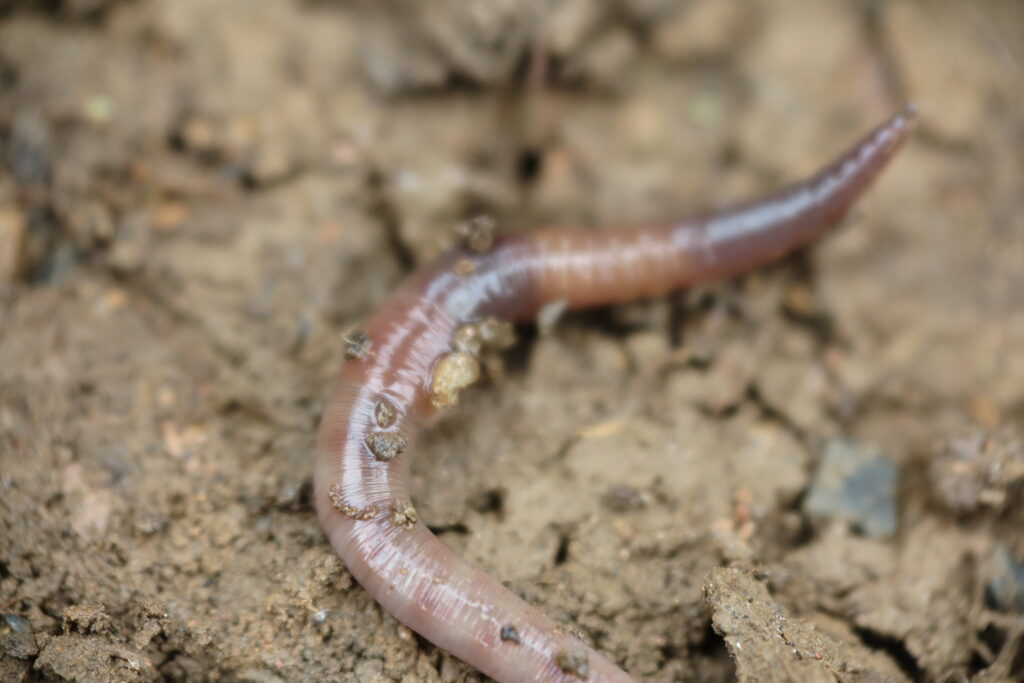
Quick Facts
Scientific Name: Earthworm sp. (Family Lumbricidae)
Common Name: Common Earthworm
Identification Difficulty: Easy
Average Size: 3–12 inches (7–30 cm)
Primary Colors: Pink, Reddish-Brown, Gray-Brown, Purple-Brown
Distinctive Feature: Segmented body with a visible clitellum (saddle-like band)
Look-Alike Species: Nightcrawler, Red Wiggler, Soil-Dwelling Worms
Global Range: Worldwide Except Antarctica
Common Earthworm Identification and Recognition Guide
The common earthworm is one of the easiest underground invertebrates to recognize, yet it is often confused with other worm species found in gardens, forests, and agricultural land. Its elongated body, visible segmentation, and soft appearance make it instantly familiar to most people. Even so, careful observation reveals features that help distinguish it from related species.
Earthworms occur across much of the world and can be encountered in a wide range of environments. Because they are so widespread, many people see them regularly without paying close attention to their identifying characteristics. Learning how to recognize an earthworm involves looking beyond the simple fact that it is a worm and focusing on specific body features.
Identification is often easiest when the animal is observed in good lighting. Features such as coloration, body thickness, segmentation, and the presence of a clitellum become more obvious when viewed closely. These characteristics remain useful regardless of whether the earthworm is found in a backyard garden or a remote natural area.
Unlike many insects or spiders that require detailed examination for accurate identification, earthworms possess several highly visible traits. Their body structure is simple but distinctive, making them one of the more approachable groups of invertebrates for beginners interested in wildlife identification.
Common Earthworm Appearance and Visible Body Structure
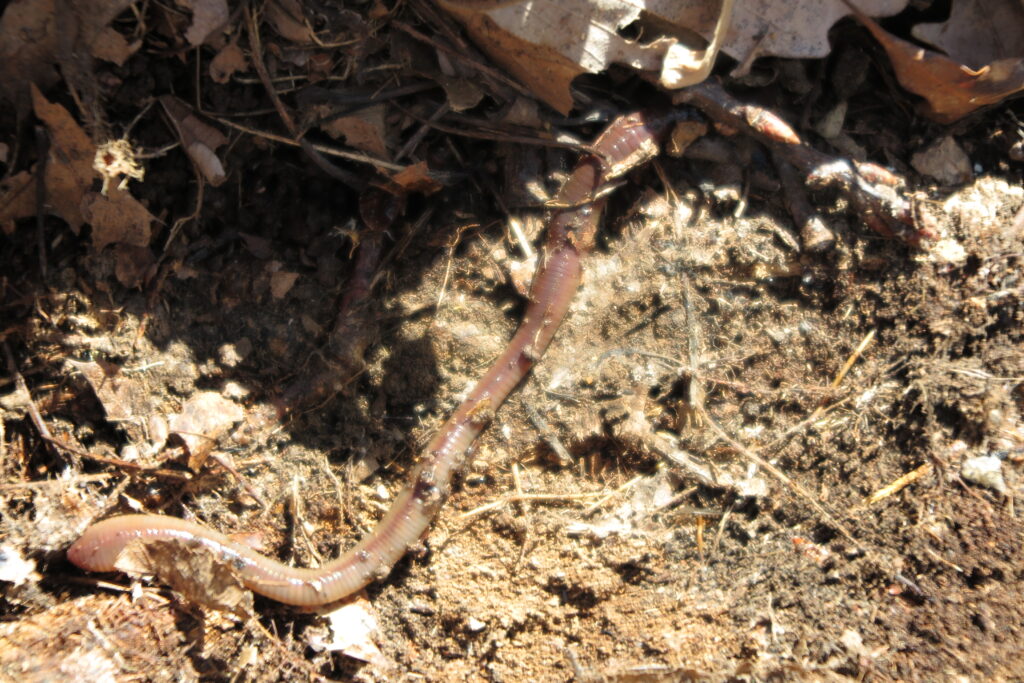
The most obvious identifying feature of a common earthworm is its long cylindrical body. Rather than having a flattened shape, the body remains rounded from side to side, creating a tube-like appearance. This form gives the earthworm a profile similar to a flexible cord or thick piece of string.
Body coloration varies considerably among individuals. Many earthworms display pinkish-brown tones, while others appear reddish, gray-brown, or slightly purple under certain lighting conditions. The upper portion of the body is often darker than the underside, creating subtle contrast that becomes easier to see during close inspection.
Size provides another useful identification clue. Most common earthworms measure somewhere between the length of a pencil and the length of a standard marker. Smaller juveniles may be only a few inches long, while larger adults can exceed ten inches under favorable conditions.
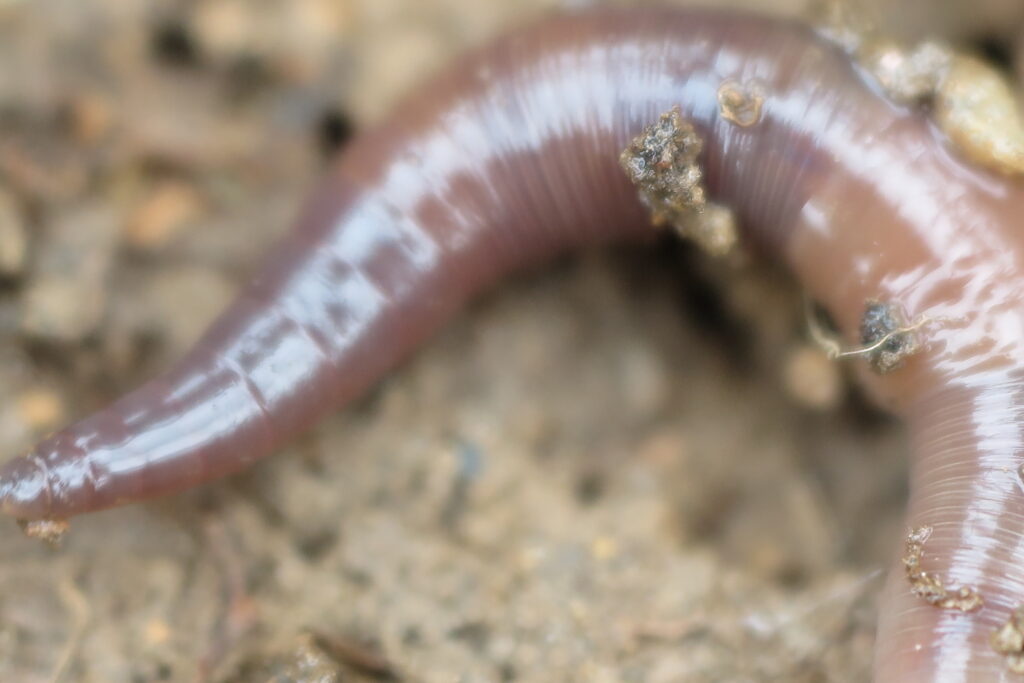
A series of visible segments runs the entire length of the body. These ring-like sections create a pattern that resembles stacked bands placed end to end. Unlike snakes, which possess scales, earthworms appear smooth despite their segmented structure.
Mature individuals develop a noticeable swollen band called the clitellum. This structure usually appears lighter in color and slightly thicker than surrounding body sections. The clitellum is one of the most reliable features for identifying an adult earthworm.
When viewed in natural settings, earthworms often possess a glossy appearance caused by moisture on the skin. This sheen can make them appear almost polished after rainfall. The combination of smooth skin, visible segmentation, and cylindrical shape creates a highly recognizable appearance.
Common Earthworm Characteristics That Separate It from Similar Species
One of the defining traits of an earthworm is the absence of legs. Unlike centipedes and millipedes, which may initially resemble worms from a distance, earthworms possess completely smooth sides. This lack of appendages immediately separates them from many other elongated invertebrates.
The body remains relatively uniform in thickness along much of its length. While some narrowing occurs near the ends, there are no obvious body regions comparable to the thorax and abdomen of insects. This consistent form gives earthworms a streamlined and balanced appearance.
Many people confuse common earthworms with nightcrawlers. Although closely related, nightcrawlers are typically larger, thicker, and darker in coloration. Common earthworms often appear more delicate by comparison and generally possess a less robust overall build.
Earthworms may also be mistaken for red wigglers used in composting systems. Red wigglers frequently display stronger reddish coloration and a more distinctly banded appearance. Common earthworms usually exhibit more subdued coloration and smoother transitions between segments.
Another identifying characteristic is the visible clitellum found on mature specimens. The structure resembles a small collar or saddle wrapped around part of the body. Few other worm-like animals display such an obvious feature, making it particularly useful during identification.
The skin texture itself provides another clue. Earthworms appear soft, flexible, and moist rather than rigid or armored. When compared to beetle larvae or certain caterpillars, their smooth exterior creates a noticeably different visual impression.
Together, these characteristics create a unique combination of traits that allows reliable identification. Even among numerous soil-dwelling invertebrates, the common earthworm remains one of the most distinctive and recognizable species groups encountered in nature.
Common Earthworm Identification Features and Ecological Significance
Correct identification of earthworms is important because they play a major role in many terrestrial ecosystems. Their presence often indicates active biological processes occurring beneath the soil surface. As a result, naturalists, gardeners, and ecologists frequently pay attention to earthworm populations when assessing environmental conditions.
Earthworms occupy a well-known position within food webs. Numerous birds, mammals, amphibians, reptiles, and invertebrates utilize earthworms as a food resource. Identifying earthworms correctly helps observers understand the ecological relationships occurring within a particular area.
The abundance of earthworms can also influence how landscapes function over time. Healthy populations contribute to soil processes that affect plant growth and nutrient distribution. Their presence often reflects a productive underground ecosystem supporting a wide variety of organisms.
For field observers, recognizing earthworms provides an entry point into understanding soil biodiversity. Many people focus primarily on visible wildlife such as birds and mammals, yet earthworms demonstrate that important ecological activity also occurs below ground. Learning to identify them helps reveal this often-overlooked world.
Earthworms are particularly valuable educational species because they combine simple identification with ecological importance. Even beginners can learn to recognize major features such as segmentation and the clitellum within a short period of observation. This accessibility makes them useful subjects for nature study and environmental education.
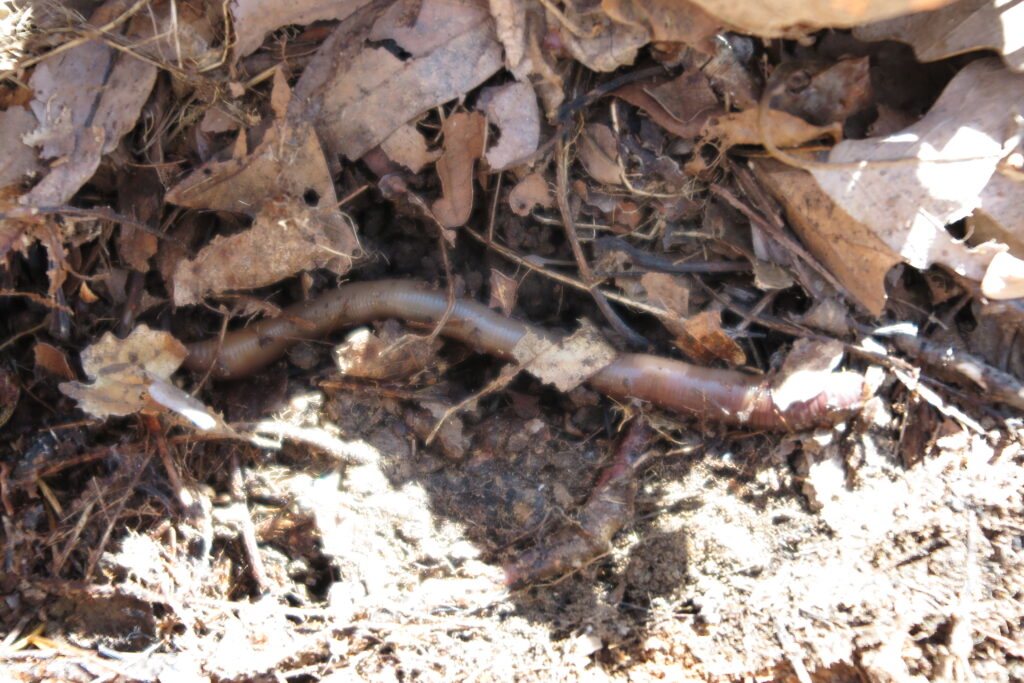
Whether discovered beneath a fallen log, within garden soil, or after a rainstorm, earthworms remain among the most recognizable invertebrates in the world. Their distinctive appearance, widespread distribution, and ecological significance make accurate identification both practical and rewarding for wildlife enthusiasts of all experience levels.
Popular Searches About Earthworms
Explore Earthworm Guide
Explore More Wildlife

Support Encounters World
Help support wildlife photography and get behind the scenes discoveries on Patreon.