
Common Earthworm Size Guide: Average Length, Growth Stages, and Size Comparisons
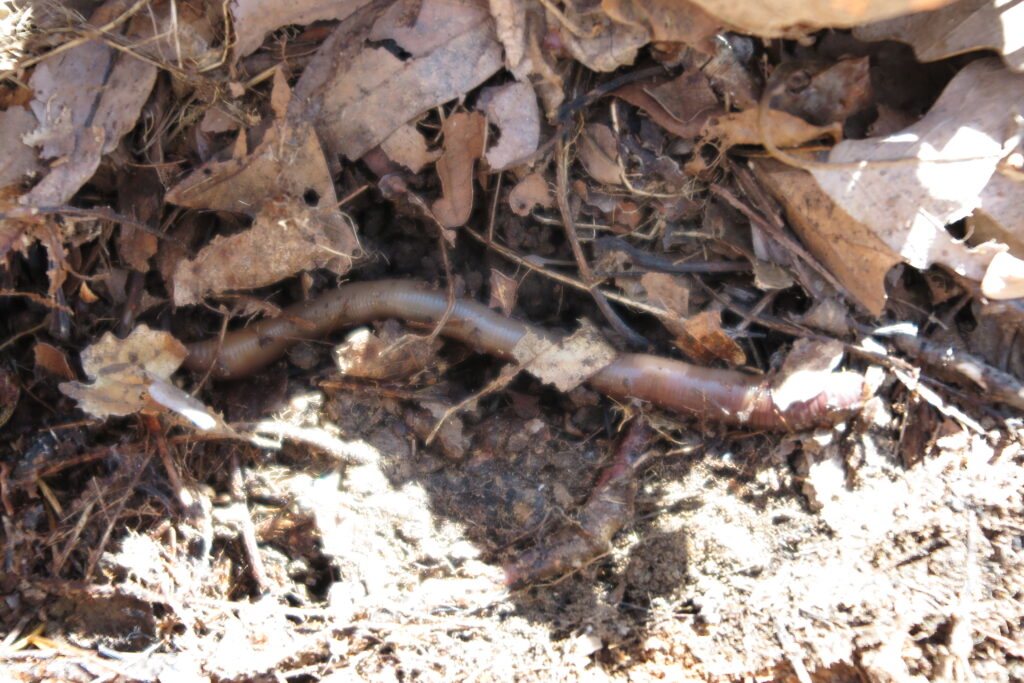
Quick Facts
Average Length: 3–12 inches (7–30 cm)
Average Weight: Less Than 1 Ounce (28 g)
Largest Individuals: Up to 14 Inches (35 cm) in Favorable Conditions
Juvenile Size: Less Than 2 Inches (5 cm)
Growth Rate: Gradual Throughout Development
Body Shape: Long, Cylindrical, and Flexible
Size Variation: Depends on Species, Age, and Environment
Notable Feature: Can Stretch and Contract Significantly During Movement
Common Earthworm Size and Growth Overview
The common earthworm is a medium-sized soil invertebrate that displays considerable variation in length depending on species, age, and environmental conditions. Although many people think of all earthworms as being roughly the same size, individuals can differ noticeably even within the same population. Some remain only a few inches long, while others grow substantially larger over time.
Earthworms are found throughout much of the world and occupy a variety of environments. Because numerous species are grouped under the term “common earthworm,” size ranges can vary significantly between regions. This variation often causes confusion when comparing worms observed in gardens, forests, and agricultural areas.
Unlike mammals or birds that maintain a relatively consistent body shape, earthworms can stretch and contract their bodies dramatically. As a result, a single individual may appear much longer or shorter depending on its posture. Accurate measurements are easiest when the worm is fully extended and moving naturally.
Most earthworms encountered by people fall within a moderate size range that makes them easy to recognize without appearing unusually large. Their dimensions contribute to their success as underground organisms, allowing them to navigate narrow spaces while still maintaining sufficient body mass for survival.
Common Earthworm Average Length and Body Measurements
The majority of common earthworms measure between 3 and 12 inches (7–30 centimeters) in length. Individuals near the lower end of this range are often younger or belong to naturally smaller species. Larger adults may approach or exceed the length of a standard wooden pencil.
Body thickness varies alongside length. Smaller worms may be no wider than a shoelace, while larger individuals can approach the thickness of a marker cap or a person’s little finger. Despite these differences, the body remains relatively uniform in shape from one end to the other.
Weight is generally low compared to most animals. Even large earthworms typically weigh less than one ounce, reflecting their soft-bodied structure and high moisture content. Their lightweight design allows efficient movement through soil while maintaining flexibility.
A useful comparison can be made to common household objects. Many adult earthworms are similar in length to a pencil, pen, or drinking straw. Larger specimens may rival the length of a ruler’s half section, making them especially noticeable when encountered above ground.
Because earthworms lack rigid skeletons, measurements can fluctuate throughout the day. A worm that appears six inches long while contracted may extend several inches farther when moving. This ability to change apparent length often surprises first-time observers.
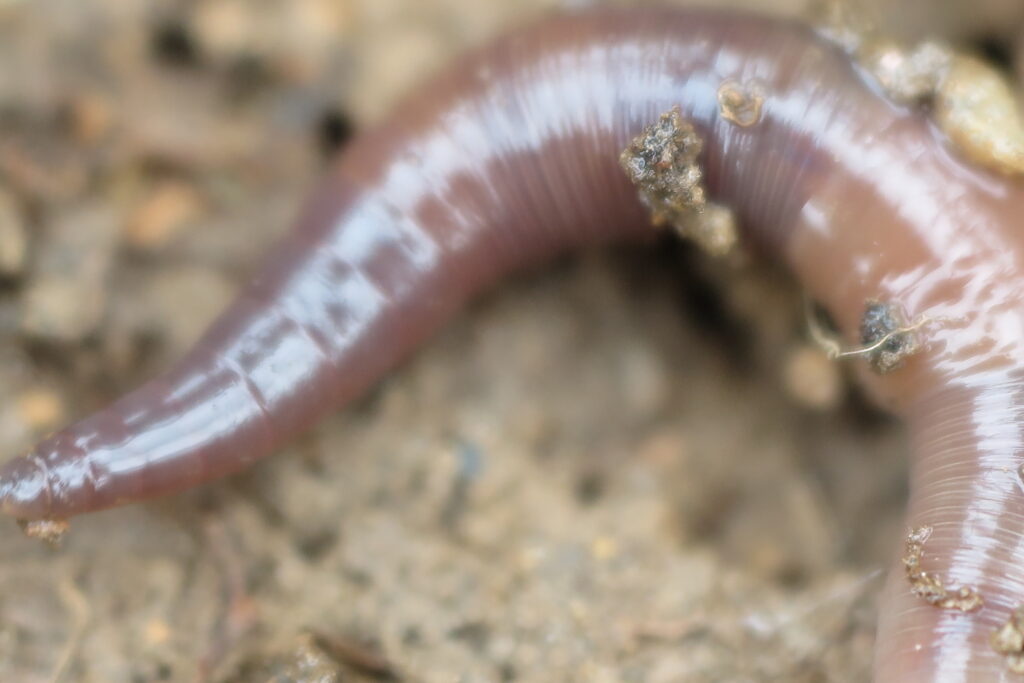
The segmented body also contributes to visual size perception. Long individuals may possess well over one hundred visible segments, creating the appearance of a remarkably elongated animal. These segments allow flexibility without sacrificing structural organization.
Overall, common earthworms occupy a moderate size category among soil invertebrates. They are substantially larger than many insects and microscopic soil organisms, yet far smaller than vertebrates sharing the same environment.
Common Earthworm Growth Stages and Size Development
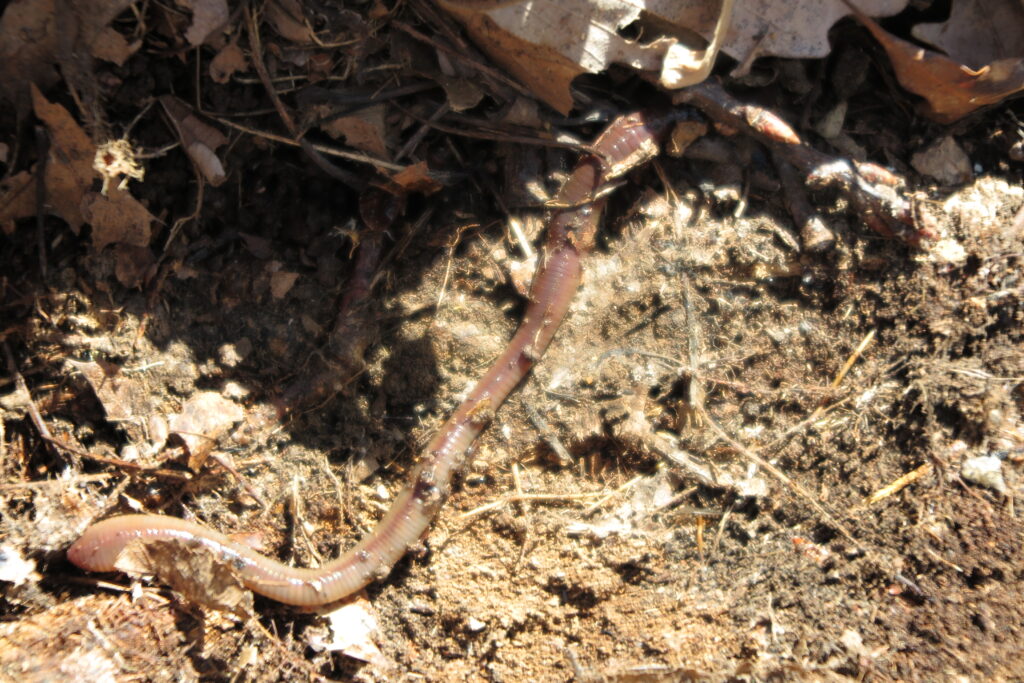
Earthworms begin life as tiny hatchlings emerging from protective cocoons. At this stage, they are only a fraction of the size of mature adults and may measure less than two inches in length. Despite their small dimensions, young earthworms already possess the same basic body structure found in older individuals.
Growth occurs gradually throughout development. Unlike insects that undergo dramatic metamorphosis, earthworms increase in size through steady expansion of existing body structures. Their appearance changes little as they mature, aside from becoming larger and developing reproductive features.
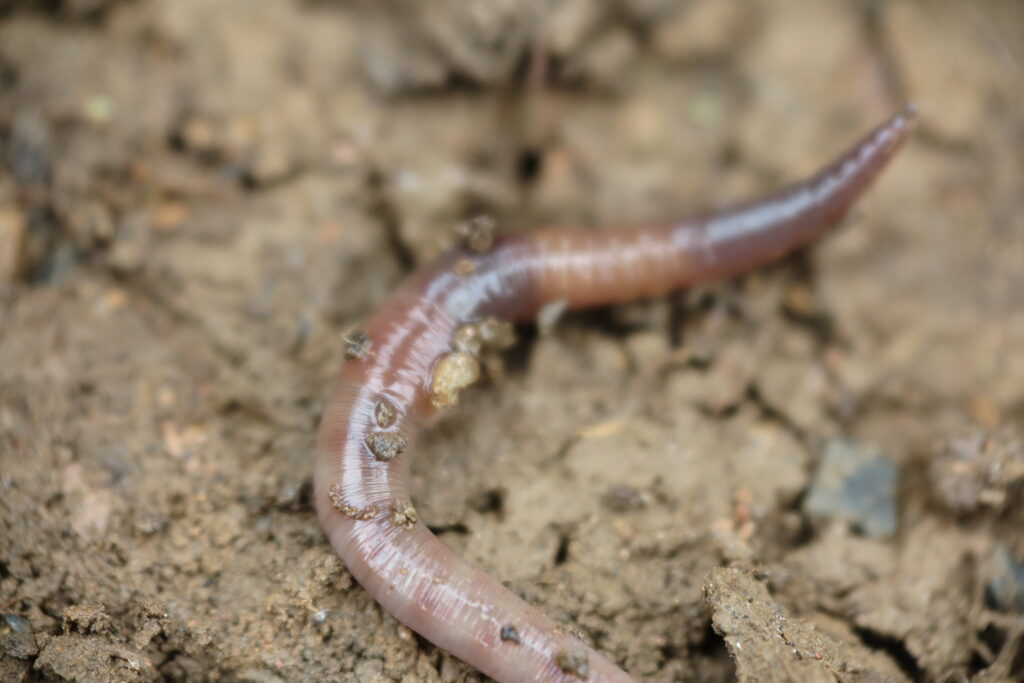
Juveniles remain noticeably thinner than adults. The body often appears more delicate and lacks the prominent clitellum that characterizes mature earthworms. As growth continues, body thickness increases alongside length, producing the proportions associated with adulthood.
Environmental conditions strongly influence growth rates. Individuals developing under favorable circumstances often reach larger sizes than those experiencing environmental stress. Access to suitable conditions throughout development can significantly affect final adult dimensions.
The appearance of the clitellum marks an important milestone in size development. Once this reproductive band becomes visible, the earthworm has typically reached maturity. At this stage, most major growth has already occurred, although gradual increases in size may continue.
Compared to rapidly growing vertebrates, earthworms follow a slower and more consistent developmental pattern. Their growth resembles a steady progression rather than a series of dramatic changes. This gradual approach contributes to the relatively uniform appearance observed across different life stages.
The journey from hatchling to adult demonstrates how a simple body plan can scale effectively over time. Each stage builds upon the previous one, creating a larger version of the same successful design.
Common Earthworm Size Comparisons and Largest Specimens
When compared to other familiar soil organisms, earthworms rank among the larger invertebrates commonly encountered underground. They are significantly larger than ants, beetles, and many insect larvae, yet considerably smaller than snakes, rodents, or other vertebrates that may share the same environment.
Common earthworms are often confused with nightcrawlers due to their similar appearance. However, nightcrawlers generally grow larger, thicker, and heavier than many common earthworm species. This size difference becomes especially noticeable when comparing mature individuals side by side.
Large adult earthworms may exceed 12 inches in length under ideal conditions. Exceptional specimens can approach 14 inches or more, although such individuals are less frequently encountered. These larger worms often attract attention because they exceed the size most people associate with earthworms.
Size variation among earthworm species can be compared to differences among dog breeds. Just as a Chihuahua and a Labrador belong to the same general group while differing greatly in size, earthworm species may appear similar while reaching very different adult lengths.
Regional differences can also influence size expectations. Earthworms found in one area may be noticeably larger or smaller than those observed elsewhere. Local species composition and environmental conditions both contribute to these variations.
The world’s largest earthworm species far exceed the dimensions of common earthworms, with some reaching several feet in length. These giants demonstrate the extraordinary range of sizes possible within the broader earthworm group. By comparison, common earthworms remain modestly sized but highly successful.
Understanding earthworm size helps observers distinguish between life stages, species, and related worms encountered in the field. Whether examining a juvenile only a few inches long or an unusually large adult approaching a foot in length, size remains one of the most useful characteristics for understanding these remarkable soil invertebrates.
Popular Searches About Earthworms
Explore Earthworm Guide
Explore More Wildlife

Support Encounters World
Help support wildlife photography and get behind the scenes discoveries on Patreon.