
Common Earthworm vs Nightcrawler: Key Differences in Size, Appearance, Habitat, and Identification
Quick Facts
Comparison Type: Earthworm Species Comparison
Common Earthworm Group: Multiple Species (Earthworm sp.)
Nightcrawler Species: Lumbricus terrestris
Average Earthworm Size: 3–12 Inches (7–30 cm)
Average Nightcrawler Size: 8–14 Inches (20–35 cm)
Body Thickness: Earthworm Thinner, Nightcrawler Thicker
Identification Difficulty: Moderate
Most Noticeable Difference: Nightcrawlers Are Usually Larger and More Robust
Common Earthworm vs Nightcrawler Overview
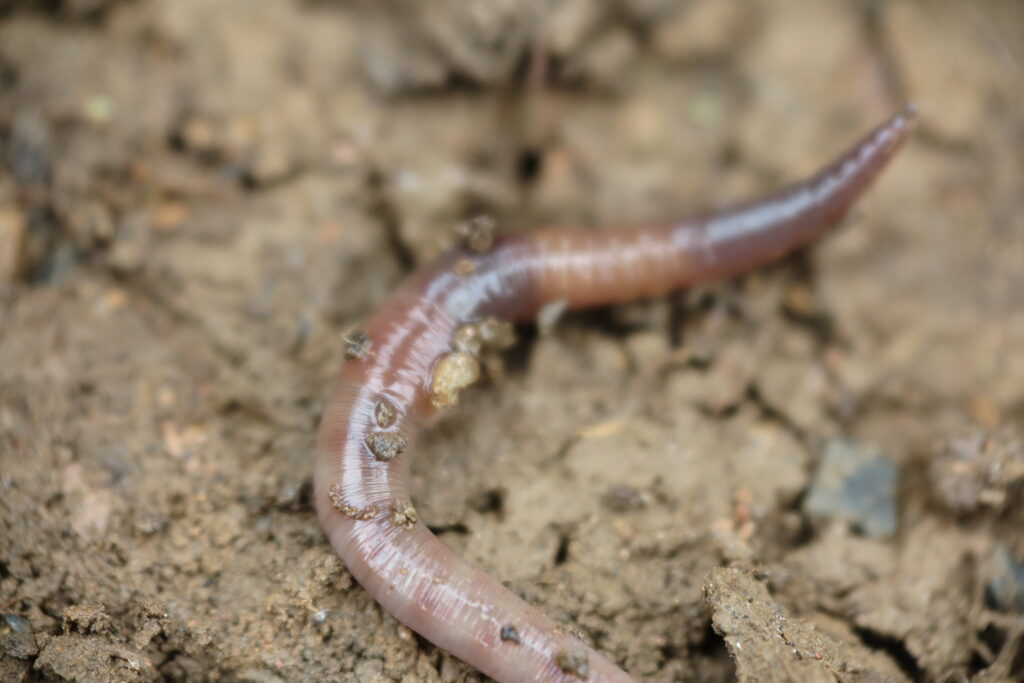
The terms “earthworm” and “nightcrawler” are often used interchangeably, but they do not mean exactly the same thing. A common earthworm is a broad term that may refer to several species of soil-dwelling worms, while a nightcrawler typically refers to the species Lumbricus terrestris. Understanding this distinction is the first step toward accurate identification.
Both animals belong to the larger group of segmented worms known as annelids. They share many physical traits, including elongated bodies, visible segments, and a life spent primarily beneath the soil surface. Because of these similarities, many people assume they are identical when they are actually different members of the same broader group.
Nightcrawlers are among the most recognizable earthworms in North America and Europe. Their larger size and tendency to appear on the surface at night have earned them a distinct identity. Common earthworms, by comparison, represent a wider category that includes numerous species with varying characteristics.
For gardeners, naturalists, anglers, and wildlife enthusiasts, distinguishing between common earthworms and nightcrawlers can provide a better understanding of local soil ecosystems. Although they share many similarities, several noticeable differences become apparent when the two are compared side by side.
Common Earthworm vs Nightcrawler Size and Appearance Differences
Size is usually the easiest way to distinguish a nightcrawler from a common earthworm. Most common earthworms measure between 3 and 12 inches in length, while mature nightcrawlers often reach 8 to 14 inches. Some exceptionally large nightcrawlers may exceed these measurements under favorable conditions.
Nightcrawlers are typically much thicker than common earthworms. Their bodies often resemble a marker or large pencil in diameter, whereas many common earthworms remain noticeably slimmer. This difference becomes obvious when both animals are observed together.
Coloration also provides useful clues. Common earthworms often display pinkish-brown, reddish-brown, or gray-brown tones with relatively uniform coloration. Nightcrawlers usually exhibit darker upper surfaces and more pronounced contrast between the top and bottom portions of the body.
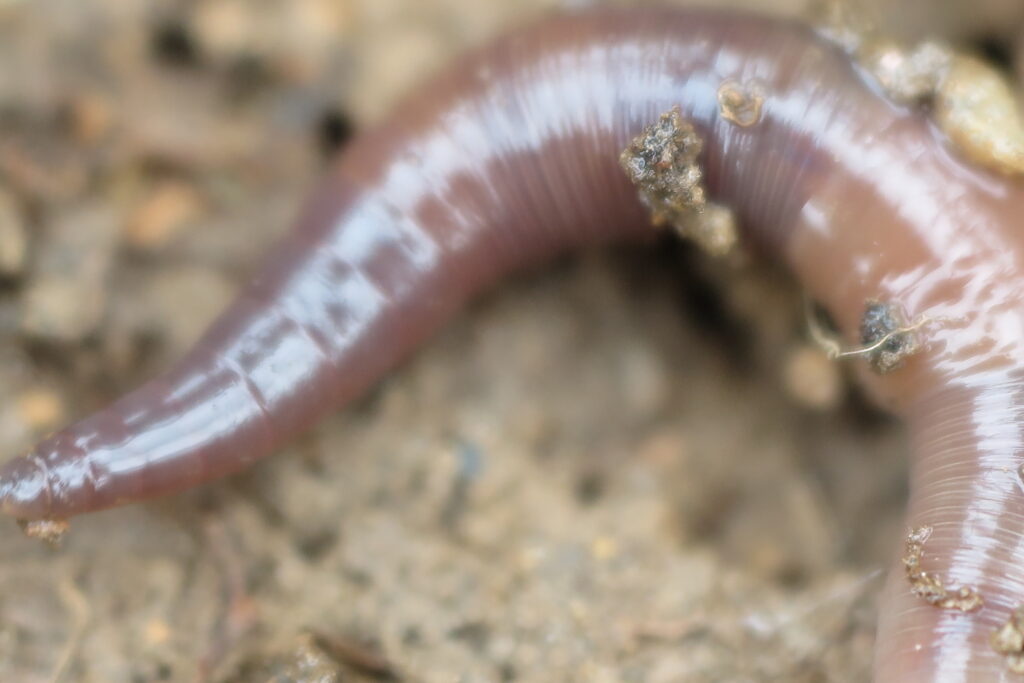
The clitellum, or reproductive band, can appear different as well. In nightcrawlers, this structure is often larger and more prominent due to the animal’s overall size. While both groups possess a clitellum as adults, it tends to stand out more clearly on large nightcrawlers.
Body proportions create another identifying difference. Common earthworms generally appear more slender and flexible, while nightcrawlers possess a heavier and more robust appearance. A useful comparison is the difference between a standard garden hose and a thicker industrial hose.
When viewed on the ground surface, nightcrawlers often appear more substantial and muscular. Their larger body mass creates a stronger visual presence than many smaller earthworm species. This characteristic makes them particularly easy to recognize when encountered above ground.
Overall, size and body proportions remain the most reliable visual clues. Even without close examination, a large, thick earthworm is more likely to be a nightcrawler than a typical common earthworm.
Common Earthworm vs Nightcrawler Habitat and Range Comparison
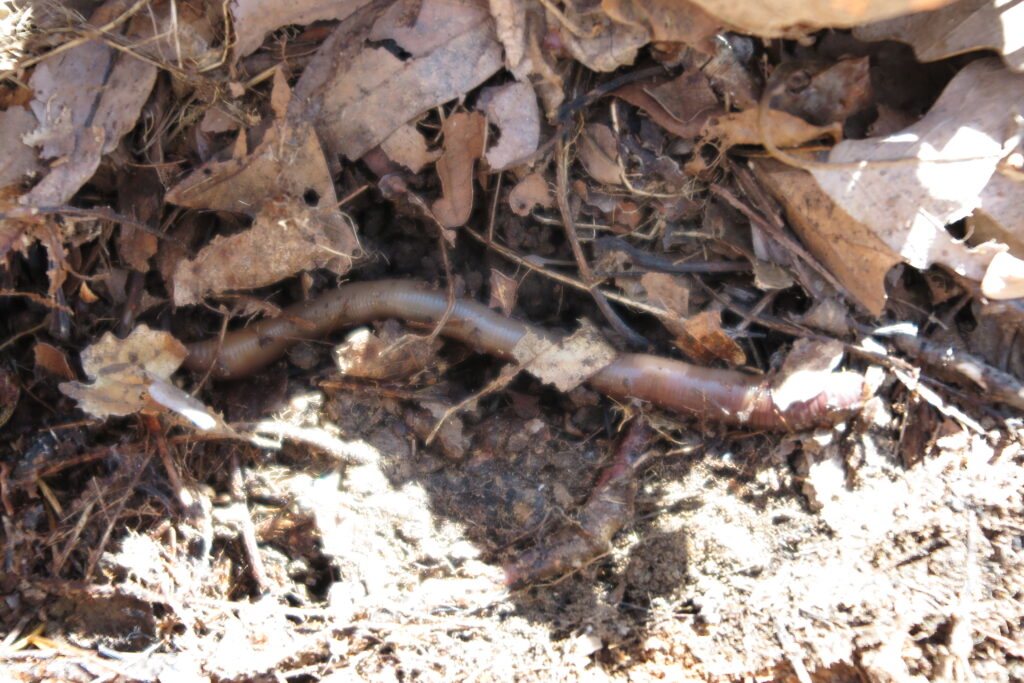
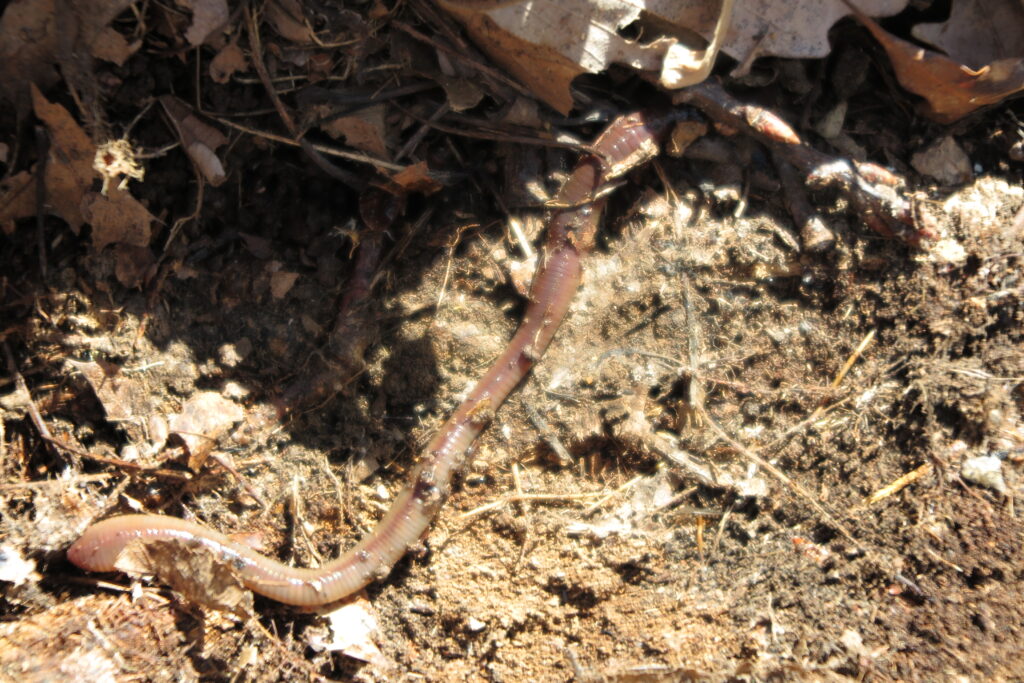
Both common earthworms and nightcrawlers occur across broad geographic regions and may sometimes occupy the same general landscapes. Forests, gardens, lawns, agricultural land, and grasslands can all support populations of both groups. This overlap contributes to the confusion surrounding identification.
Despite sharing similar environments, nightcrawlers often establish deeper underground burrows than many common earthworm species. These permanent burrows can extend several feet into the soil and serve as long-term shelter. Common earthworms frequently occupy shallower portions of the soil profile by comparison.
Nightcrawlers are particularly well known for emerging from their burrows during nighttime hours. This behavior is responsible for their common name and helps explain why they are often observed on lawns after dark. Many common earthworms are less strongly associated with this specific behavior.
Common earthworms include species that occupy a wider variety of soil zones. Some remain close to the surface, while others spend more time within organic layers or shallow underground spaces. Nightcrawlers tend to be more closely associated with deep burrow systems.
A useful comparison can be made to apartment living versus home ownership. Many common earthworms move through relatively shallow soil layers without maintaining extensive permanent structures, while nightcrawlers invest heavily in long-term underground burrows that function as permanent residences.
Because nightcrawlers often inhabit deeper soil layers, they may remain hidden during periods when smaller earthworms are visible. This difference in underground positioning can influence how frequently each is encountered by people.
Although habitat overlap is substantial, the depth of occupation and burrow use remain important distinctions. These differences contribute to the unique ecological roles each group plays within soil ecosystems.
Common Earthworm vs Nightcrawler Identification Guide
For most observers, the easiest way to identify a nightcrawler is by its size. If a worm appears unusually long, thick, and robust, there is a strong possibility it is a nightcrawler rather than a smaller common earthworm species. Body proportions often provide the first clue before any other features are examined.
Color can provide additional support for identification. Nightcrawlers generally display darker upper surfaces and a more substantial overall appearance. Common earthworms often appear lighter and more slender, especially when viewed in moist soil or leaf litter.
Behavioral clues may occasionally assist with identification. A large worm observed emerging from a deep burrow during nighttime hours is more likely to be a nightcrawler. However, size and body structure remain more reliable indicators than observation alone.
When comparing the two side by side, the difference can resemble comparing a standard sedan to a pickup truck. Both perform similar functions and belong to the same general category, yet one is noticeably larger and built for a different scale of operation.
The clitellum may also help distinguish mature individuals. Larger nightcrawlers often possess a more prominent reproductive band that is easier to see from a distance. On smaller earthworms, this structure may appear less obvious depending on size and age.
It is important to remember that every nightcrawler is an earthworm, but not every earthworm is a nightcrawler. This simple concept eliminates much of the confusion surrounding these animals. The term “earthworm” describes a broad group, while “nightcrawler” refers to a specific member within that group.
For wildlife enthusiasts, gardeners, and naturalists, understanding these differences makes identification much easier. By focusing on size, body thickness, coloration, and overall appearance, most people can quickly determine whether they are observing a common earthworm or a true nightcrawler.
Popular Searches About Earthworms
Explore Earthworm Guide
Explore More Wildlife

Support Encounters World
Help support wildlife photography and get behind the scenes discoveries on Patreon.