
Common Earthworm Facts Guide: Interesting Facts, Unique Traits, and Surprising Earthworm Information
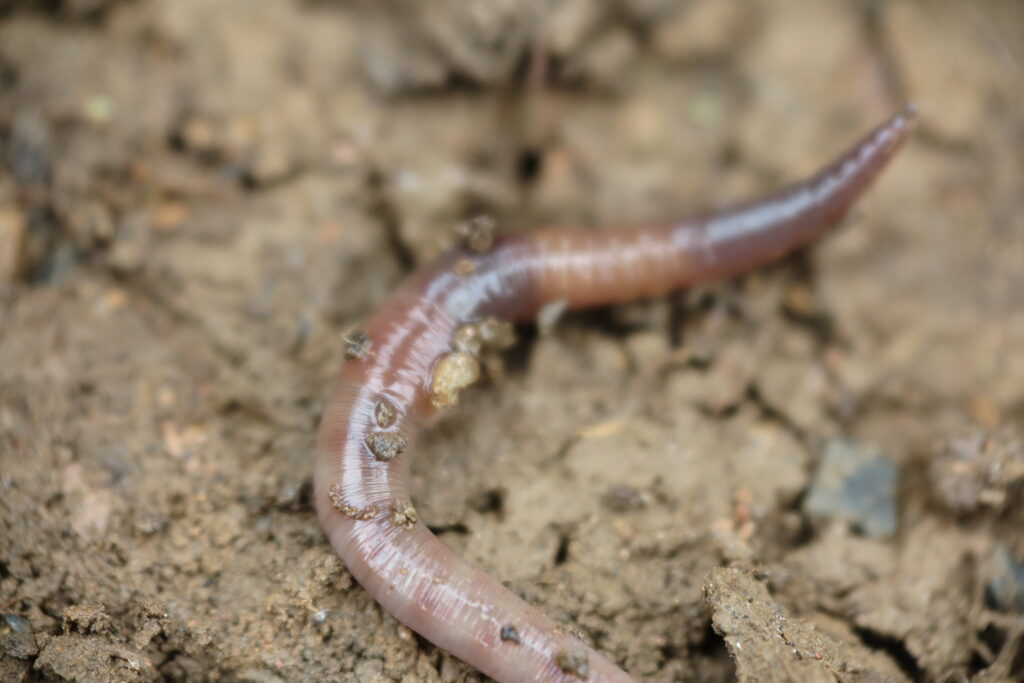
Quick Facts
Animal Group: Segmented Worm (Annelid)
Average Length: 3–12 Inches (7–30 cm)
Global Range: Worldwide Except Antarctica
Lifespan: 2–8 Years
Primary Ecological Role: Nutrient Recycler
Interesting Fact: An Earthworm’s Body May Contain More Than 100 Segments
Fascinating Common Earthworm Facts and Introduction
The common earthworm is one of the most familiar animals found beneath the soil surface, yet it remains surprisingly misunderstood. Although many people encounter earthworms in gardens, forests, and lawns, few realize how remarkable these invertebrates truly are. Their simple appearance hides a collection of unique traits that have allowed them to thrive for millions of years.
Earthworms occur across much of the world and have become established on every continent except Antarctica. Their widespread distribution makes them one of the most successful groups of soil-dwelling animals ever recorded. Whether found in rural landscapes or urban greenspaces, earthworms continue to play an important role in terrestrial ecosystems.
Unlike many animals that rely on speed, strength, or specialized defenses, earthworms have succeeded through efficiency and adaptation. Their entire body is designed around life underground, allowing them to occupy ecological niches unavailable to many other species. This specialized lifestyle has contributed to their long evolutionary success.
Because earthworms spend most of their lives hidden from view, many of their most interesting characteristics go unnoticed. From unusual body structures to impressive environmental contributions, these animals possess numerous features that make them worthy of closer examination. Learning about earthworms often reveals just how complex a seemingly simple organism can be.
Common Earthworm Body Facts and Physical Features
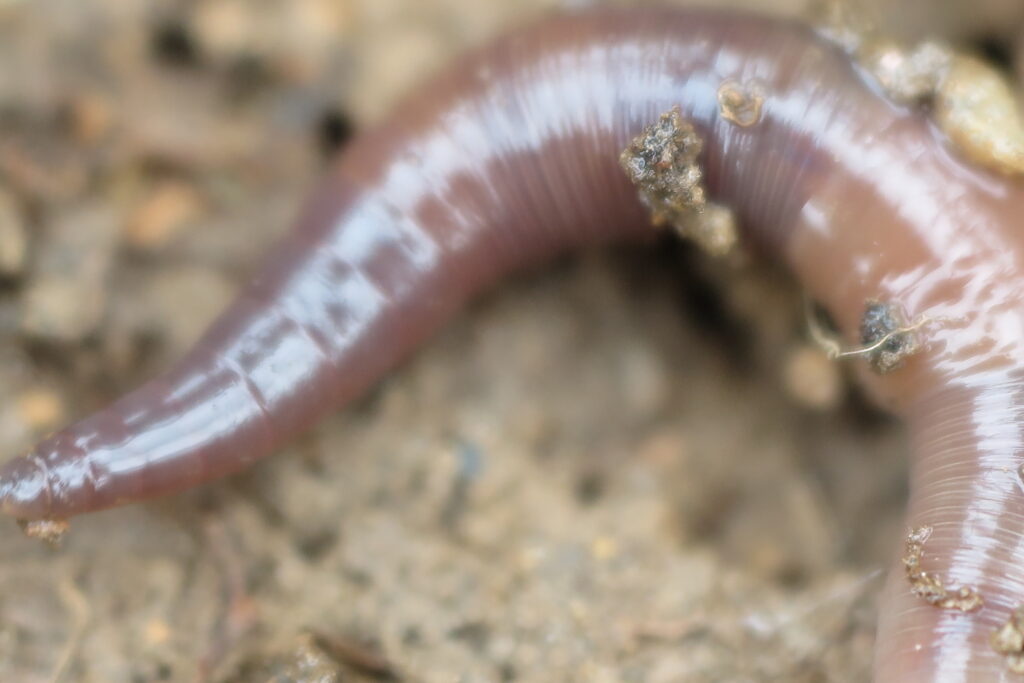
One of the most surprising facts about earthworms is the number of segments found along their bodies. A single adult may possess well over one hundred individual segments arranged in a repeating pattern. These segments provide flexibility while maintaining overall structural organization.
Earthworms do not have bones, yet they are able to maintain body shape through a hydrostatic skeleton. Instead of rigid support structures, fluid pressure inside the body works alongside muscles to provide stability. This system allows earthworms to remain both flexible and strong.
Despite lacking legs, earthworms are not completely smooth. Tiny bristles called setae occur on many segments and help provide traction during movement. These structures are often too small to see without magnification but play an important role in daily activity.
The clitellum is another unique feature found on mature earthworms. This thickened band encircles part of the body and serves an important reproductive function. Because it differs in texture and appearance from surrounding segments, it is often one of the easiest features to recognize.
Earthworms breathe through their skin rather than using lungs or gills. Oxygen passes directly through the moist body surface and enters the circulatory system. This unusual method of respiration makes moisture essential for survival.
Many people assume earthworms are fragile due to their soft appearance. However, their bodies are remarkably durable and capable of squeezing through spaces that would be inaccessible to many other animals. This flexibility contributes greatly to their success underground.
Taken together, these physical features demonstrate how specialized earthworms have become. Their anatomy may appear simple at first glance, but every structure serves a purpose within their underground lifestyle.
Common Earthworm Survival Facts and Unique Adaptations
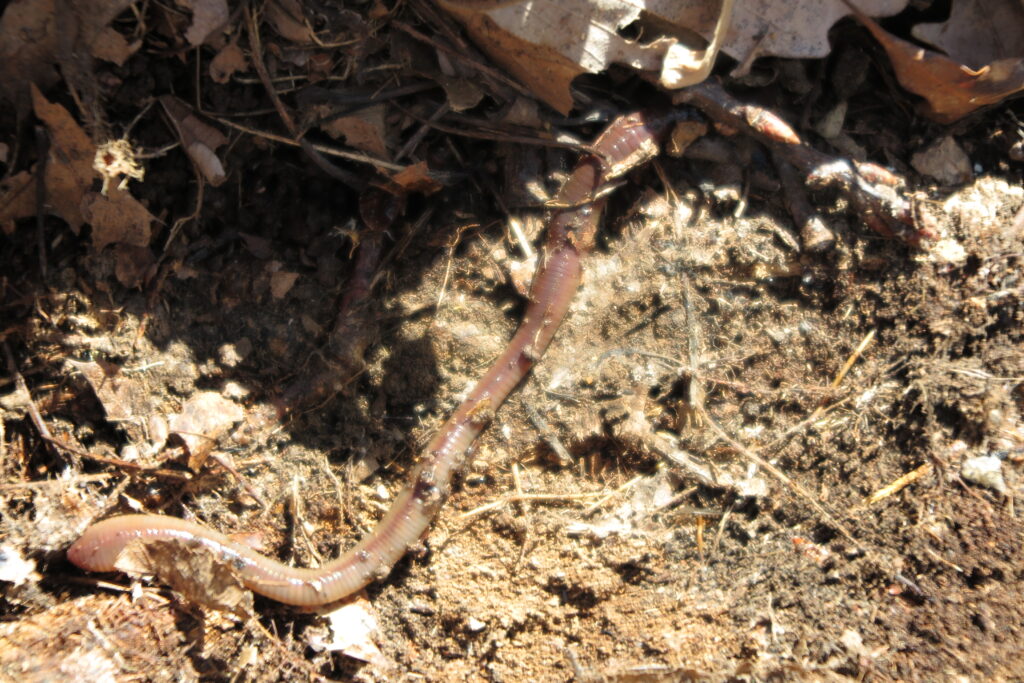
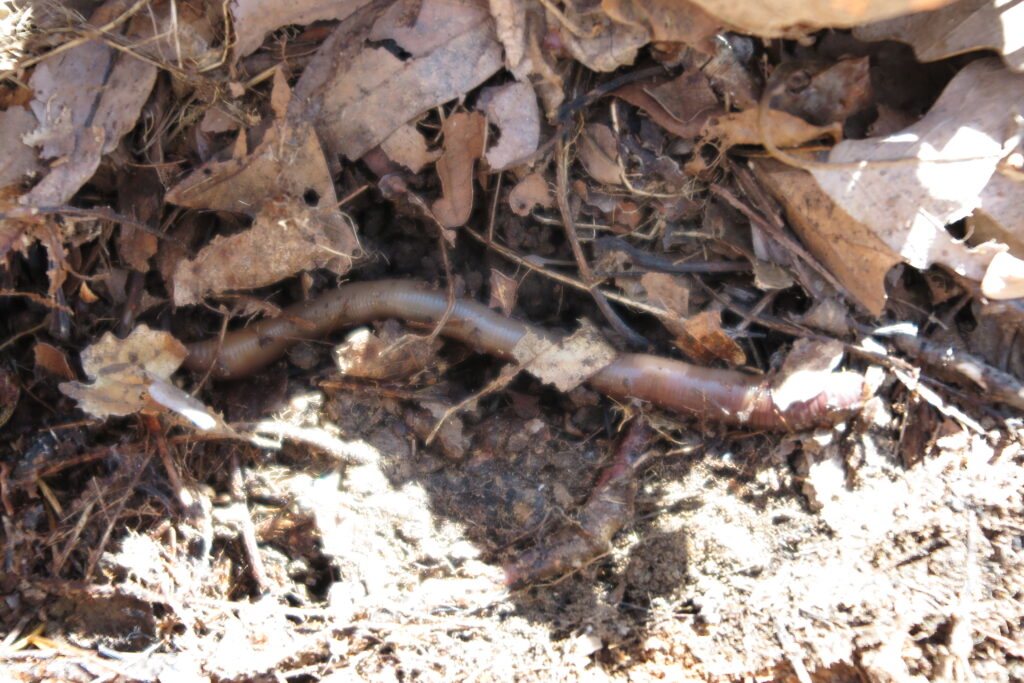
Earthworms possess several adaptations that help them survive despite lacking obvious defensive weapons. Rather than fighting predators directly, they rely on concealment, sensitivity, and rapid retreat. This strategy has proven effective across countless generations.
One interesting fact is that earthworms can detect vibrations within the soil. Footsteps, digging activity, and approaching disturbances may trigger defensive responses. This sensitivity helps them avoid danger before direct contact occurs.
Earthworms are also highly responsive to light. Sudden exposure often causes immediate movement toward cover, reducing vulnerability. This reaction explains why worms frequently disappear quickly when a log, rock, or other object is lifted.
Their ability to stretch and contract dramatically is another remarkable adaptation. A single earthworm can appear significantly longer or shorter depending on its posture. This flexibility helps the animal navigate confined spaces and adjust to changing conditions.
Many species tolerate a wide range of climates and environmental conditions. Earthworms occur in regions with cold winters, warm summers, and diverse seasonal changes. Their ability to persist under such varied conditions contributes to their extensive global distribution.
Compared to many invertebrates, earthworms possess a relatively advanced circulatory system. Blood remains within vessels rather than moving freely throughout the body cavity. This closed circulatory system supports efficient transport of oxygen and nutrients.
These survival adaptations highlight an important lesson in nature: success does not always depend on size or strength. Through a combination of sensitivity, flexibility, and specialization, earthworms have become one of the most successful groups of soil animals on Earth.
Common Earthworm Ecosystem Facts and Environmental Contributions
Earthworms are often referred to as ecosystem engineers because of the influence they have on soil environments. Their activities help shape conditions that affect countless other organisms. Few invertebrates contribute so extensively to ecosystem function.
One fascinating fact is that a healthy area of soil may contain hundreds or even thousands of earthworms. Although rarely seen, these populations work continuously beneath the surface. Their collective influence can affect entire landscapes over time.
Earthworms also occupy an important position within food webs. Birds, mammals, reptiles, amphibians, and numerous invertebrates rely on them as a food source. This makes earthworms a vital connection between underground ecosystems and larger wildlife communities.
Scientists often use earthworm abundance as an indicator of soil quality. Areas supporting healthy populations frequently contain active biological communities and productive soil systems. Their presence can provide valuable insight into environmental conditions.
Charles Darwin himself devoted years to studying earthworms and their environmental impact. He recognized that these animals played a far greater role in shaping landscapes than many people realized. His observations helped bring scientific attention to their ecological importance.
Earthworms contribute to nutrient movement, soil development, and ecological balance throughout much of the world. Their influence may be hidden from casual observation, but it remains essential to many terrestrial ecosystems. Few animals accomplish so much while remaining largely unseen.
The common earthworm demonstrates that even ordinary wildlife can possess extraordinary significance. From unusual anatomy to global ecological importance, these animals continue to surprise researchers, naturalists, and gardeners alike. Their story serves as a reminder that some of nature’s most remarkable organisms live quietly beneath our feet.
Popular Searches About Earthworms
Explore Earthworm Guide
Explore More Wildlife

Support Encounters World
Help support wildlife photography and get behind the scenes discoveries on Patreon.