Ocellaris Clownfish Facts & Overview Guide: Size, Appearance, Ecosystem Role, and Key Characteristics
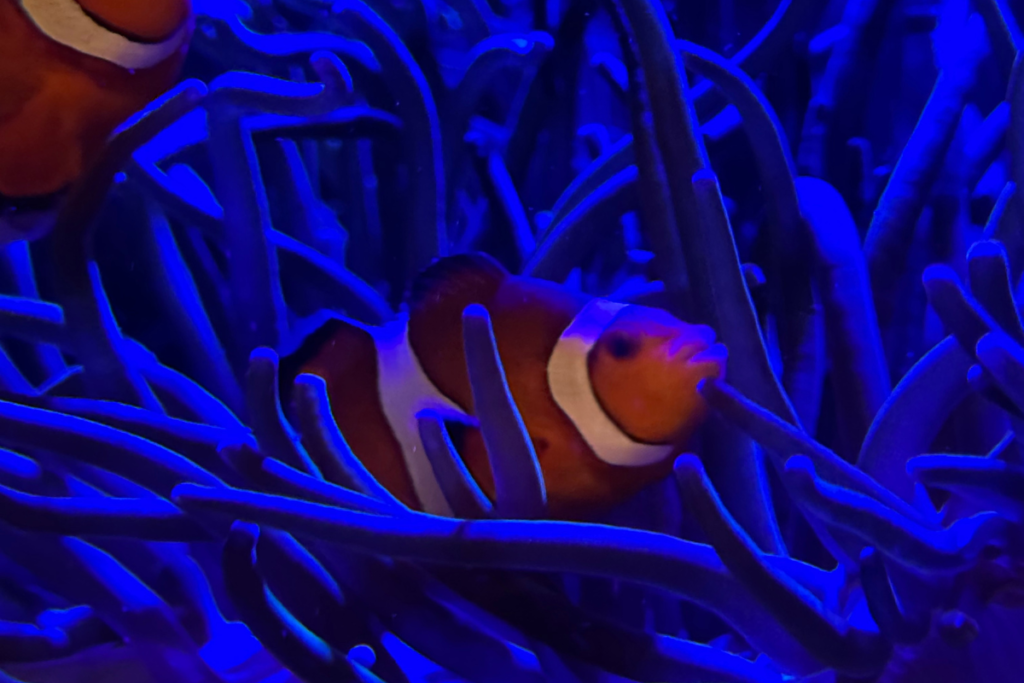
Quick Facts
Scientific Name: Amphiprion ocellaris
Common Name: Ocellaris Clownfish
Location: Tropical Marine Waters
Average Size: 3–4 inches (7–11 cm)
Lifespan: 6–10 years in the wild, often longer in captivity
Global Range: Indo-Pacific region including Australia, Indonesia, the Philippines, Papua New Guinea, and surrounding waters
Conservation Status: Least Concern
Notable Feature: Bright orange body with three distinctive white bands outlined in black
Location Observed: Atlanta Georgia Aquarium, USA
Field Observation
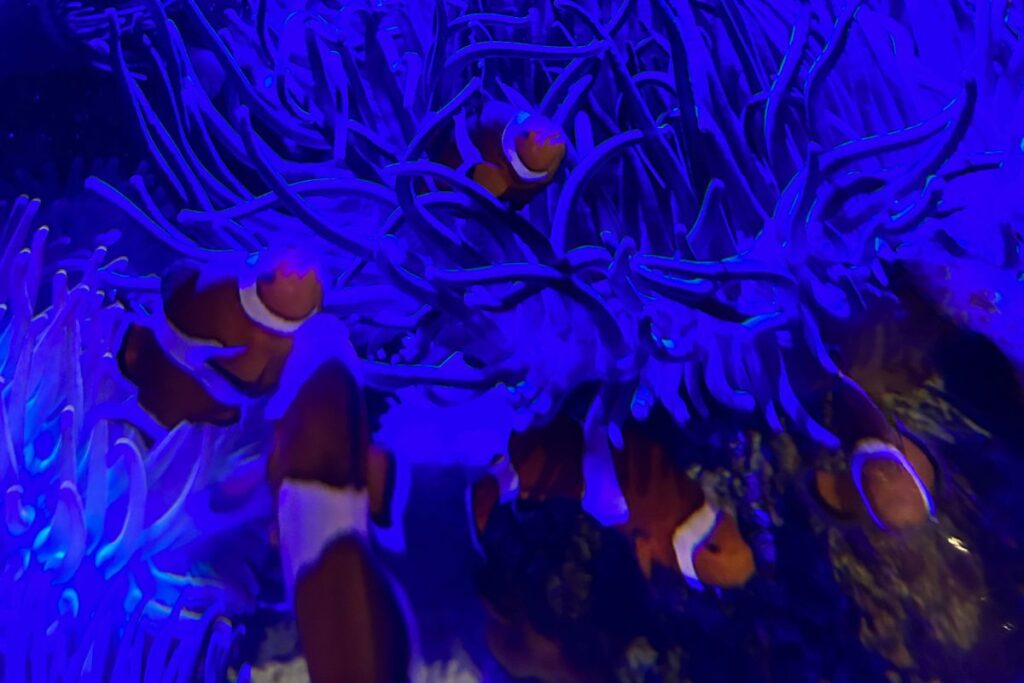
The ocellaris clownfish remained close to its sea anemone alongside several other clownfish, constantly scanning its surroundings while staying within the protection of the tentacles. It occasionally ventured a short distance away to collect food drifting through the water before quickly returning to the group. This behavior highlighted the strong bond clownfish have with their host anemones and the security these shelters provide.
Ocellaris Clownfish Introduction and Global Distribution
The ocellaris clownfish is one of the most recognizable marine fish in the world. Known for its vivid orange coloration and bold white bands, this small reef fish has become an icon of tropical oceans and public aquariums alike. Its striking appearance makes it easy to identify even for people with little knowledge of marine life.
This species naturally occurs throughout warm waters of the Indo-Pacific region. Populations can be found around island chains, coral-rich coastlines, and tropical seas stretching from Southeast Asia to northern Australia. Although often associated with a single region, its range covers thousands of miles of interconnected ocean habitats.
Many people first encounter an ocellaris clownfish in an aquarium display, where its bright colors immediately draw attention. In the wild, however, these fish blend surprisingly well into colorful reef environments filled with corals, sponges, and countless other marine organisms. Their vibrant pattern becomes part of a much larger underwater mosaic.
Despite their popularity, ocellaris clownfish remain genuine wildlife species rather than creatures limited to captivity. Healthy populations continue to inhabit tropical marine ecosystems across a broad geographic range. Their combination of beauty, accessibility, and widespread distribution has helped make them one of the most familiar reef fish on Earth.
Ocellaris Clownfish Appearance and Distinctive Overview
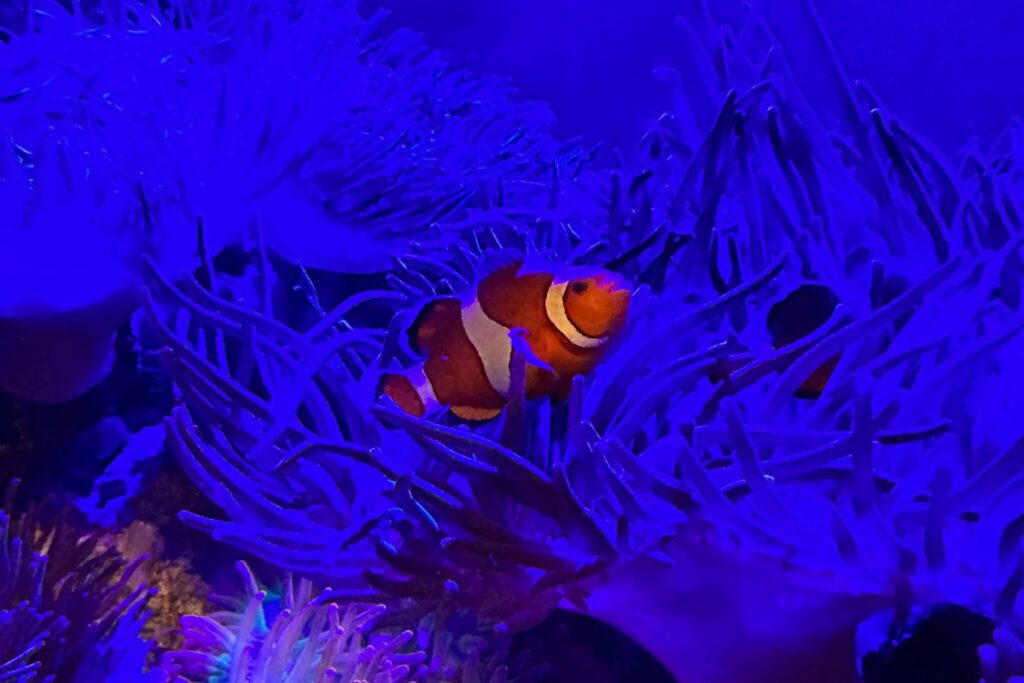
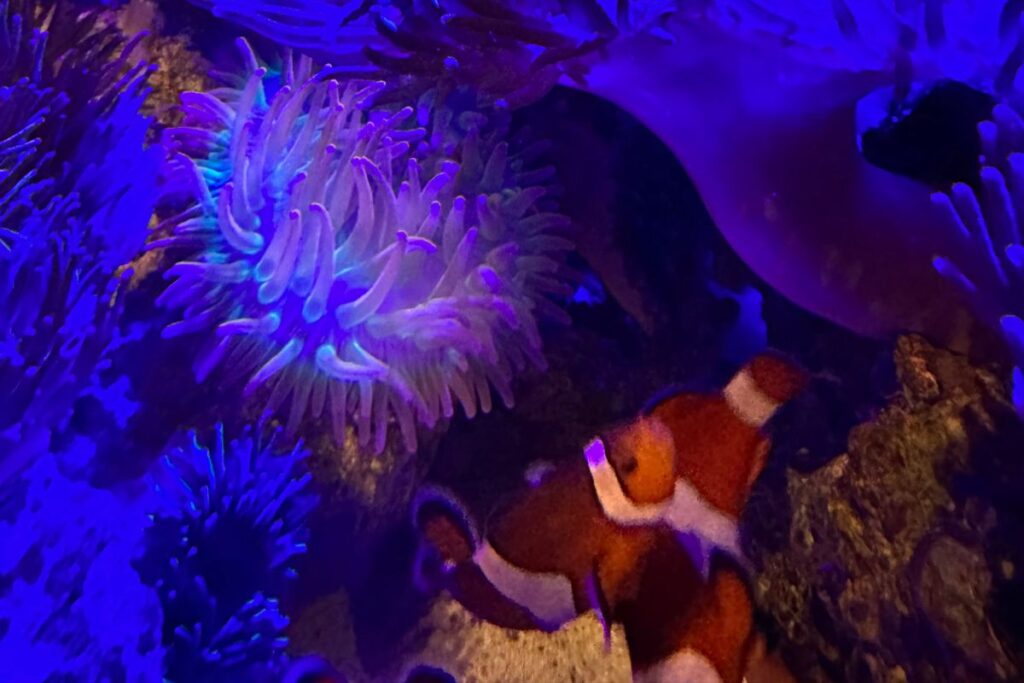
The ocellaris clownfish has a compact, oval-shaped body that appears both sturdy and streamlined. Most individuals display a bright orange base color accented by three vertical white bands positioned behind the head, through the middle of the body, and near the tail. Thin black borders often outline these markings, creating a bold contrast that stands out against the surrounding water.
Adult fish generally reach lengths of about 3 to 4 inches, making them roughly comparable to the size of a small smartphone or a large house key. While not physically imposing, their bright coloration gives them a visual presence that often makes them seem larger than they actually are. This effect is especially noticeable when they are viewed against colorful reef backgrounds.
Color variation exists across different populations and selectively bred aquarium strains. Wild specimens typically display rich orange tones, while captive-bred varieties may appear darker, lighter, or exhibit expanded black coloration. Some forms are almost entirely black except for their distinctive white bands, creating a dramatically different appearance while remaining the same species.
Viewed in natural settings, the ocellaris clownfish often appears as a flash of orange moving among coral structures. Its rounded fins and smooth body profile create a graceful silhouette that differs from the elongated shape of many reef fish. Even from a distance, the combination of bright coloration and clearly defined stripes makes identification relatively straightforward.
Ocellaris Clownfish Physical Characteristics and Recognizable Features
Among tropical reef fish, few species possess a pattern as instantly recognizable as the ocellaris clownfish. The three white bands serve almost like identifying markers, separating it visually from many similarly colored reef species. These bands remain present throughout life, helping maintain a consistent appearance from juvenile stages into adulthood.
The face of the ocellaris clownfish is relatively short and rounded compared to more elongated marine fish. Large dark eyes stand out against the bright orange head, creating a striking contrast. This facial structure contributes to the species’ friendly and approachable appearance that has made it popular with aquarium enthusiasts worldwide.
One of its defining characteristics is the thick, protective coating of mucus covering its body. While invisible to casual observers, this feature is an important part of the fish’s identity and distinguishes it from numerous reef species. The coating contributes to its unique biology and helps set it apart from other similarly sized tropical fish.
The species is sometimes confused with the closely related false percula clownfish. At first glance the two appear nearly identical, much like two nearly matching models of the same car. Careful observation often reveals subtle differences in body shape, band thickness, and black edging around the white markings.
Another notable trait is the balance between simplicity and boldness in its coloration. Unlike fish covered in complex spots or intricate patterns, the ocellaris clownfish relies on a clean arrangement of orange, white, and black. This uncomplicated design has become one of the most recognizable visual patterns found in marine wildlife.
Ocellaris Clownfish Role in Coral Reef Ecosystems
Although small in size, the ocellaris clownfish contributes to the functioning of tropical reef ecosystems. Every species occupies a niche within a larger environmental network, and clownfish are no exception. Their presence forms part of the intricate web of relationships that keeps coral reef communities operating effectively.
Coral reefs support extraordinary biodiversity, and the ocellaris clownfish serves as one of the many species helping maintain that complexity. By occupying a specific ecological position, it contributes to the stability and structure of reef environments. The disappearance of even seemingly common species can create ripple effects throughout an ecosystem.
Marine scientists often describe coral reefs as underwater cities because countless organisms rely on one another in interconnected ways. Within these living systems, ocellaris clownfish represent one small but important component. Their existence supports broader ecological interactions that influence reef health and biodiversity.
The species also contributes to nutrient movement within reef environments. Nutrients constantly circulate between fish, corals, invertebrates, and microorganisms, creating a dynamic balance that sustains life. Ocellaris clownfish participate in these natural cycles, helping maintain the productivity of tropical marine habitats.
In addition to ecological value, the species serves as an ambassador for reef conservation. Its popularity has introduced millions of people to the importance of protecting coral ecosystems worldwide. By capturing public interest, the ocellaris clownfish indirectly supports awareness of environmental challenges affecting reefs, including climate change, pollution, and habitat degradation.
Healthy clownfish populations often reflect the condition of the surrounding reef community. Areas with thriving marine ecosystems are more likely to support stable populations, while damaged habitats may struggle to maintain them. As a result, the ocellaris clownfish represents not only a beautiful reef inhabitant but also a reminder of the delicate balance required to sustain tropical ocean life.
Observation Location
Observed in Atlanta Georgia Aquarium, USA
Popular Searches About Ocellaris Clownfish
Explore Ocellaris Clownfish Guide
Explore More Exhibits

Support Encounters World
Help support wildlife photography and get behind the scenes discoveries on Patreon.