Woodland Moss Ecosystem Role Guide: Why Woodland Moss Is Important in Forest Ecosystems
Quick Facts
Primary Ecological Role: Moisture Retention
Secondary Ecological Role: Microhabitat Creation
Nutrient Contribution: Organic Matter Recycling
Wildlife Value: Shelter for Small Invertebrates
Erosion Control: Moderate to High
Soil Formation Role: Significant Long-Term Contributor
Ecosystem Type: Temperate and Boreal Forests
Woodland Moss and Its Importance in Natural Ecosystems
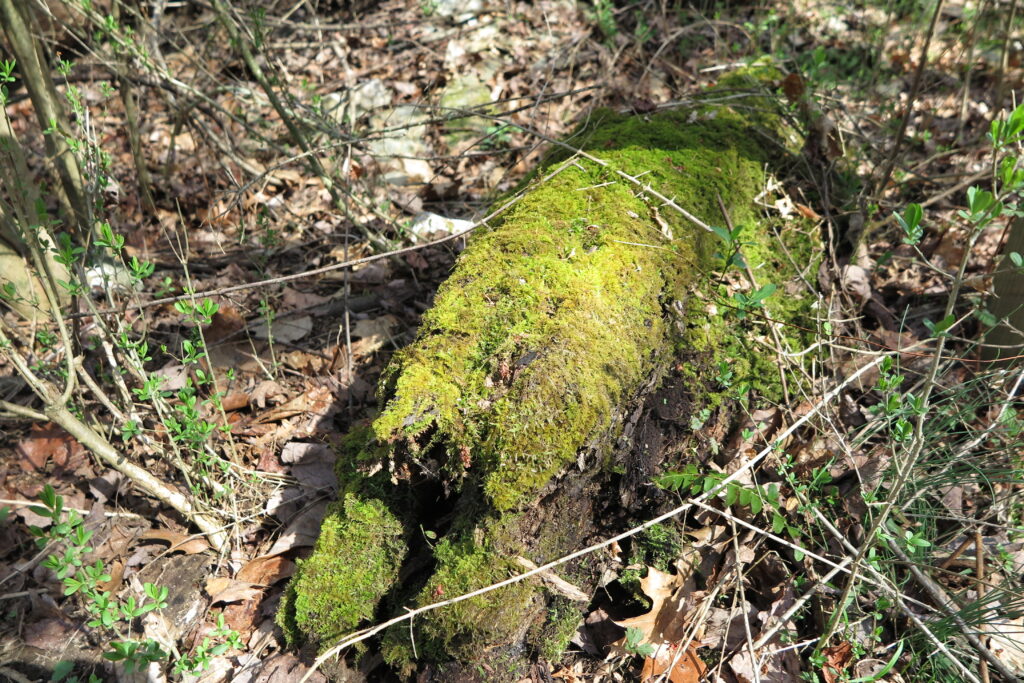
Woodland Moss (Moss sp.) is one of the most widespread groups of non-flowering plants found throughout temperate and boreal regions around the world. Although often overlooked because of its small size, this plant plays an important role in maintaining healthy ecosystems. Large colonies influence moisture levels, support wildlife, and contribute to long-term environmental stability.
Across North America, Europe, Asia, and other regions, woodland moss forms a living layer that interacts continuously with surrounding plants, animals, fungi, and microorganisms. These interactions occur on scales both large and small. While individual moss shoots may be tiny, extensive colonies can affect entire sections of a forest floor.
Many ecological functions performed by woodland moss occur quietly over long periods. Unlike trees that dominate landscapes through size or flowering plants that attract attention with colorful blooms, moss influences ecosystems through persistence and coverage. Its effects become more noticeable when examining how forests retain water, support biodiversity, and recycle nutrients.
Naturalists often view moss as a foundational component of healthy woodland environments. The presence of extensive colonies can indicate stable ecological conditions that support a variety of organisms. By occupying surfaces that might otherwise remain bare, woodland moss contributes to the structure and function of ecosystems throughout its global range.
Woodland Moss and Forest Moisture Regulation
One of the most significant ecological roles of woodland moss involves water retention. Moss colonies absorb rainfall, dew, fog, and humidity directly through their tissues. This ability allows them to temporarily store moisture and release it gradually into the surrounding environment.
A thick moss colony often functions like a natural sponge. During wet periods, it can hold surprisingly large amounts of water relative to its size. Rather than allowing moisture to run off immediately, the colony slows water movement and helps maintain local humidity.
This stored moisture benefits surrounding organisms as well. Small plants, fungi, insects, and microorganisms often experience more stable conditions when moss is present. The colony creates a localized environment where moisture remains available longer than it would on exposed surfaces.
Woodland moss also helps reduce the drying effects of direct sunlight and wind. Surfaces covered by moss frequently remain damp long after nearby exposed areas have dried. This moderation of moisture levels contributes to ecosystem stability, particularly during periods of fluctuating weather.
In forest ecosystems, countless moss colonies collectively influence how water moves through the environment. While a single patch may seem insignificant, extensive moss coverage can have a meaningful impact on moisture retention across larger landscapes.
Woodland Moss as Habitat for Small Wildlife and Microorganisms
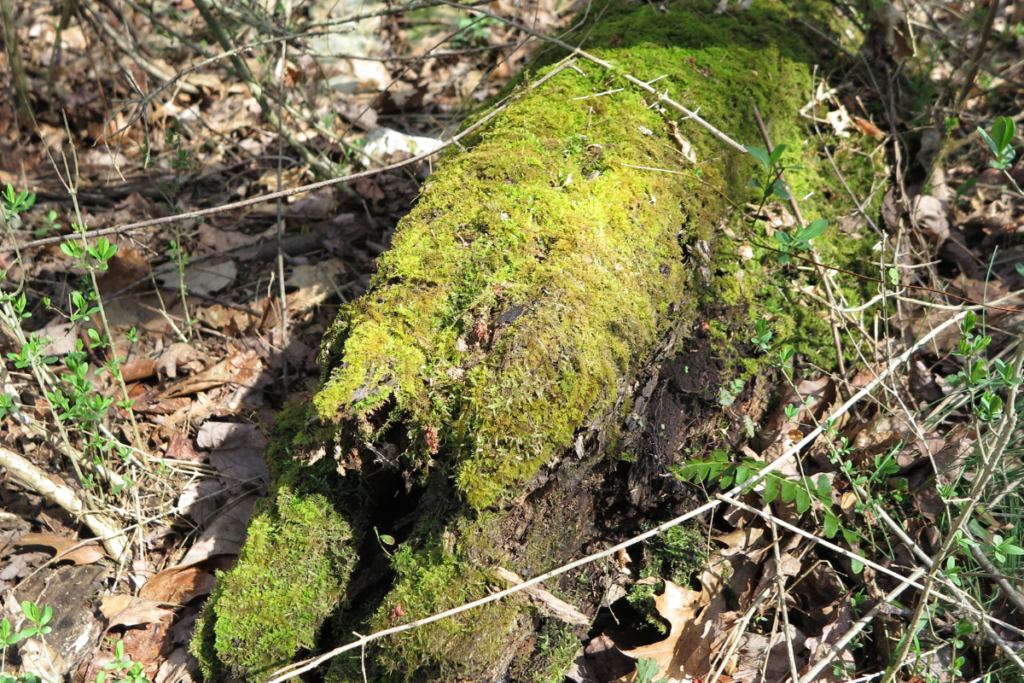
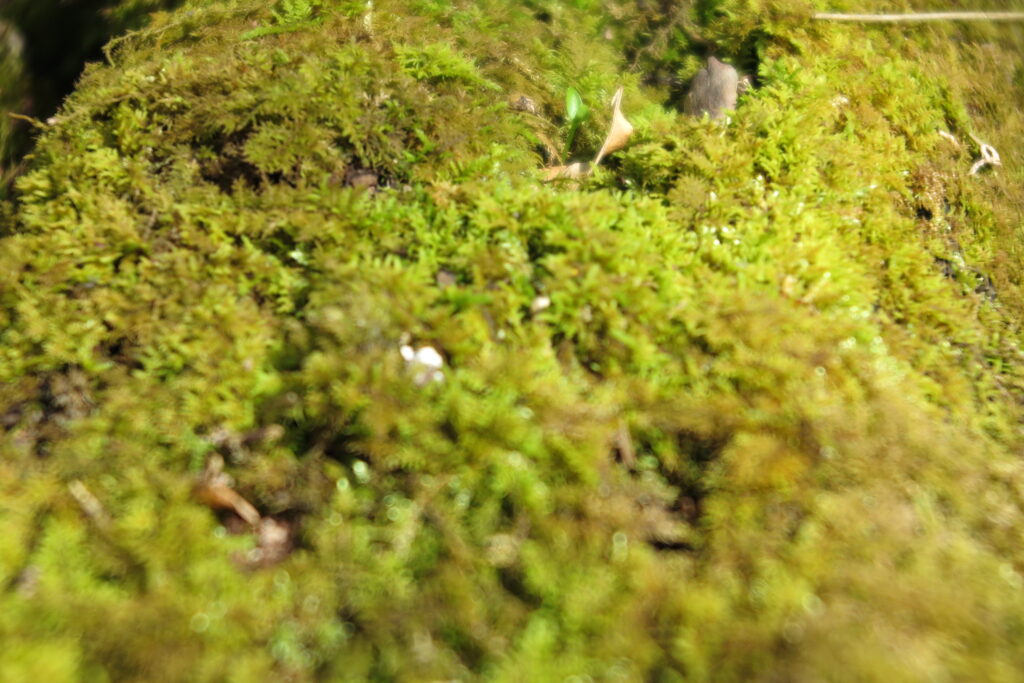
Woodland moss provides shelter for a remarkable variety of small organisms. Beneath the surface of a moss colony exists a miniature ecosystem occupied by insects, springtails, mites, spiders, nematodes, and numerous microscopic life forms. These organisms use moss as both protection and living space.
The dense structure of a colony creates countless small gaps and chambers. These spaces provide refuge from predators, harsh weather, and temperature extremes. For tiny invertebrates, a patch of moss can function much like a forest does for larger animals.
Many species spend their entire lives within moss-covered environments. Some insects lay eggs among moss stems, while others hunt or forage within the colony. Even organisms that do not permanently reside there may use moss as temporary shelter during unfavorable conditions.
Microbial communities also thrive within moss colonies. Bacteria, fungi, and other microorganisms contribute to nutrient cycling and decomposition processes occurring within the ecosystem. Their presence helps transform organic material into forms that can be used by other living organisms.
A useful comparison is a densely populated apartment complex. Although woodland moss appears simple from above, close examination reveals a surprisingly diverse community living within and beneath its structure. This habitat value makes moss an important contributor to biodiversity in natural ecosystems.
Woodland Moss Contributions to Soil Health and Ecosystem Stability
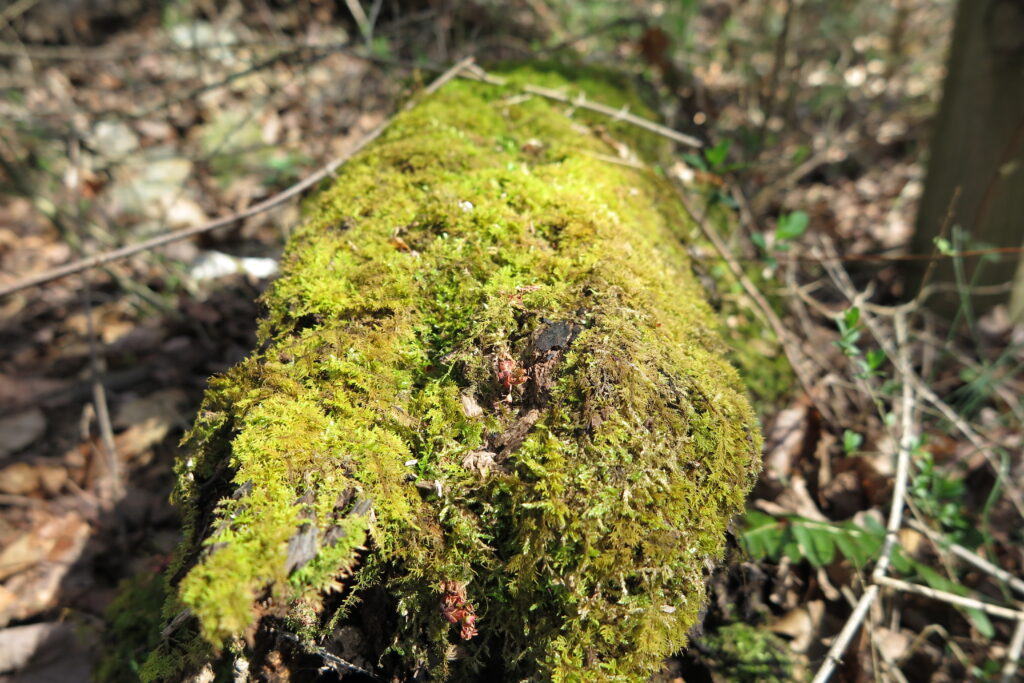
Woodland moss plays an important role in the gradual development and maintenance of soil. As colonies age, older portions decompose and contribute organic matter to the environment. This process adds nutrients and helps improve soil structure over time.
The plant also assists with erosion control. Moss-covered surfaces are often more stable than exposed ground because the colony helps reduce the impact of rainfall and slows water movement. This protective layer can decrease soil loss in vulnerable areas.
Over long periods, moss contributes to the formation of organic-rich surface layers. These layers support microorganisms, fungi, and plant roots that depend on healthy soil conditions. In some environments, moss may represent one of the earliest stages of ecosystem development on previously exposed surfaces.
Woodland moss also influences temperature stability at ground level. Its insulating properties help moderate daily fluctuations, creating conditions that are often more favorable for surrounding organisms. These effects become particularly important in environments exposed to seasonal temperature extremes.
The overall ecological contribution of woodland moss extends far beyond its physical size. Through moisture retention, habitat creation, soil development, and erosion reduction, it supports many processes that keep forest ecosystems functioning effectively. Its quiet but consistent influence makes woodland moss one of the most important foundational plants found throughout temperate woodland environments.
Popular Searches About Woodland Moss
Explore Woodland Moss Guide
Explore More Plants

Support Encounters World
Help support wildlife photography and get behind the scenes discoveries on Patreon.