Woodland Moss Life Cycle Guide: Understanding the Complete Life Cycle of Woodland Moss
Quick Facts
Life Cycle Type: Alternation of Generations
Primary Reproductive Method: Spores
Spore Production Structure: Sporophyte Capsule
Early Growth Stage: Protonema
Dominant Life Stage: Gametophyte
Reproductive Timing: Most Common During Moist Periods
Life Span: Colonies Can Persist for Many Years
Woodland Moss Life Cycle Introduction and Development Overview
Woodland Moss (Moss sp.) follows one of the oldest and most distinctive life cycles found among land plants. Unlike flowering plants that rely on seeds, fruits, and blossoms, mosses reproduce through spores and progress through a series of unique developmental stages. This reproductive strategy has helped mosses survive for hundreds of millions of years across a wide variety of environments.
Throughout temperate and boreal regions around the world, woodland moss colonies continuously move through different phases of growth and reproduction. While individual structures may be short-lived, the colony itself often persists for many years. New growth develops alongside older portions, creating a constantly renewing population.
Many people only recognize the familiar green carpet that covers logs, rocks, and forest floors. However, this visible colony represents only one stage within a much larger biological cycle. Hidden beneath the surface are processes that allow moss populations to expand, reproduce, and maintain themselves over time.
The woodland moss life cycle differs significantly from that of trees, shrubs, and flowering plants. Rather than producing seeds that develop into seedlings, mosses rely on microscopic spores and specialized developmental stages. Understanding these stages provides valuable insight into how these ancient plants continue to thrive throughout the modern world.
Woodland Moss Gametophyte Stage and Colony Development
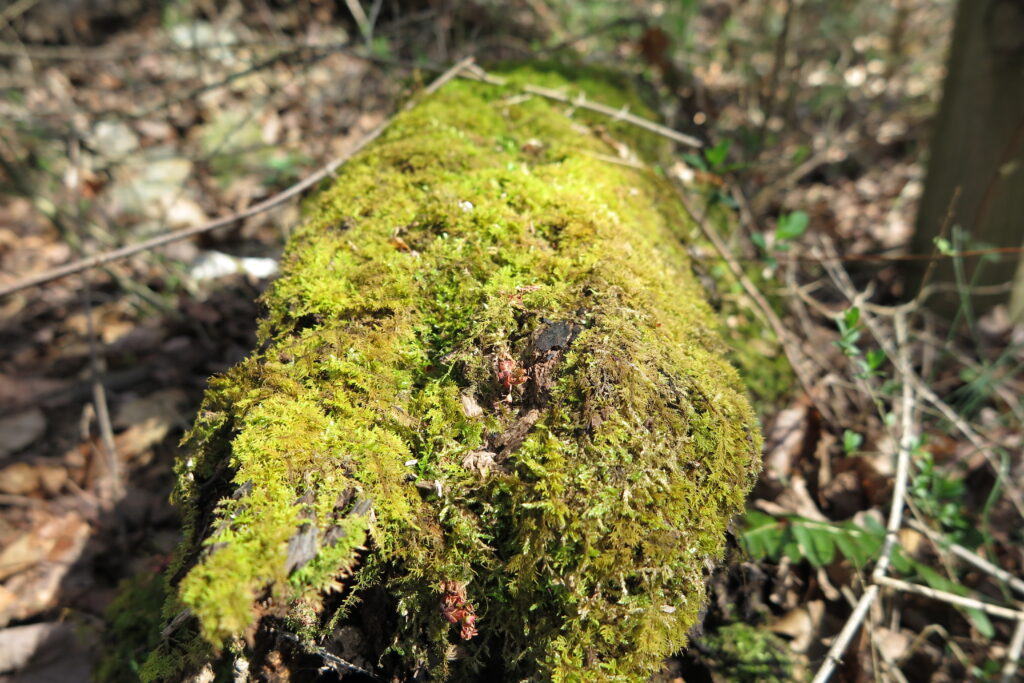
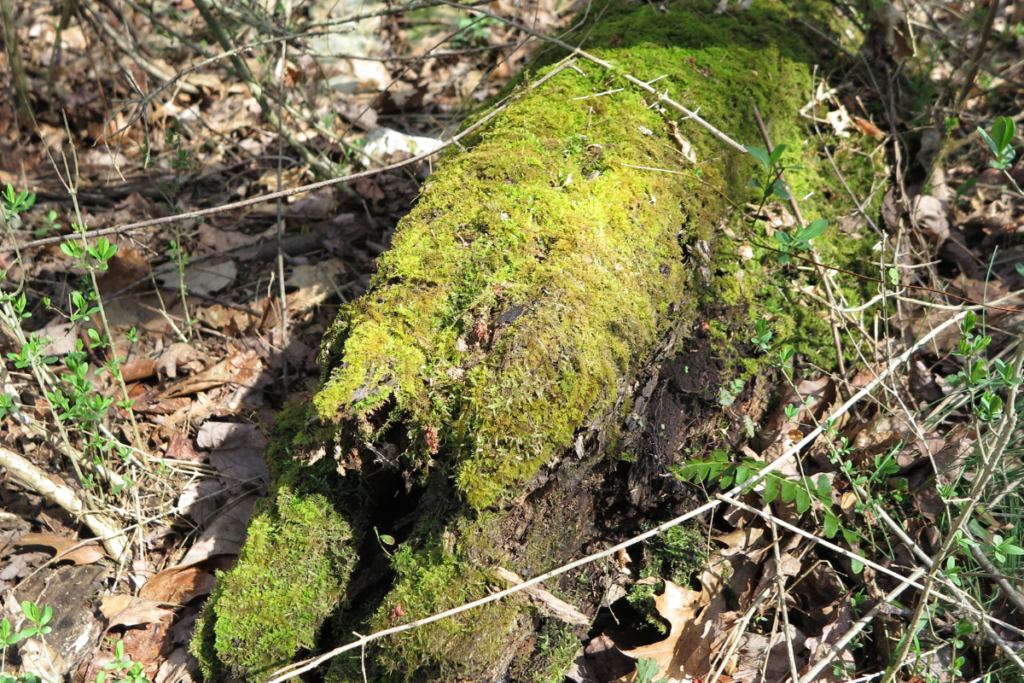
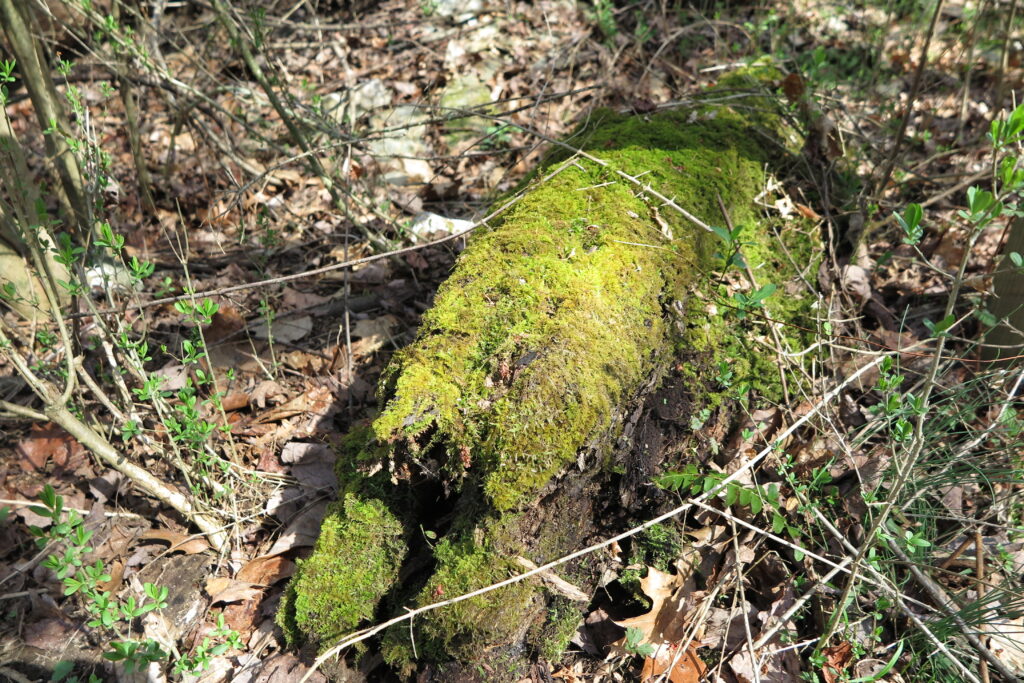
The most familiar stage of the woodland moss life cycle is known as the gametophyte stage. This is the green, leafy growth that people observe covering logs, rocks, roots, and forest floors. In mosses, the gametophyte serves as the dominant and longest-lasting phase of the life cycle.
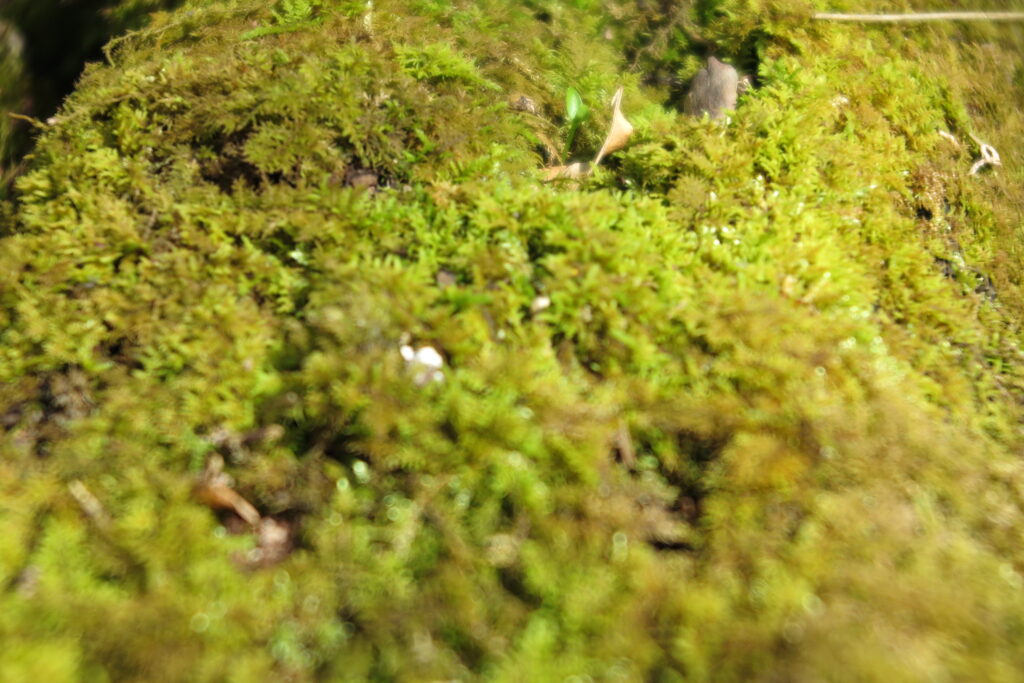
A mature colony consists of thousands of tiny gametophyte shoots growing closely together. These shoots form the dense mats and cushions commonly associated with woodland moss. Over time, the colony gradually expands as new shoots develop around existing growth.
Unlike flowering plants where the visible plant primarily supports seed production, woodland moss places most of its life cycle emphasis on the gametophyte generation. This stage performs photosynthesis, absorbs moisture, and supports future reproductive structures. As a result, the green colony remains the most important component of the plant’s overall life cycle.
A useful comparison is a tree that spends nearly its entire life in a mature state before occasionally producing flowers and seeds. Woodland moss behaves somewhat similarly, with colonies remaining in the gametophyte stage for extended periods before reproductive structures appear. This prolonged stage allows colonies to establish extensive coverage across suitable surfaces.
The persistence of the gametophyte generation contributes significantly to the long-term success of woodland moss. Colonies often survive environmental fluctuations and continue supporting future reproductive cycles year after year.
Woodland Moss Reproduction Through Sporophytes and Spores
When conditions are favorable, woodland moss enters its reproductive phase by producing specialized structures. Following successful fertilization, a new generation known as the sporophyte develops directly from the gametophyte colony. This stage is visually distinct and often easier to notice during active reproductive periods.
The sporophyte typically appears as a slender stalk extending above the moss colony. At the tip of this stalk sits a capsule that contains developing spores. These capsules may vary in color from green to brown as they mature and prepare for spore release.
Viewed from a distance, a reproductive moss colony can resemble a miniature field filled with tiny stems topped by capsules. These structures often stand above the surrounding green growth, making them one of the easiest reproductive features to identify. Their elevated position helps improve spore dispersal once maturity is reached.
As capsules mature, they gradually release thousands of microscopic spores into the surrounding environment. Wind currents, rainfall, and other environmental forces assist with dispersal. This strategy allows woodland moss to colonize new surfaces and expand beyond existing colonies.
Spore production serves as the primary mechanism through which moss populations maintain genetic diversity and establish new growth. The release of large numbers of spores increases the likelihood that at least some will encounter favorable conditions for continued development.
Woodland Moss Protonema Formation and New Colony Establishment
The life cycle continues when a spore lands in a suitable location and begins germination. Rather than immediately producing a recognizable moss plant, the spore first develops into a structure known as a protonema. This stage looks very different from mature moss colonies and is often overlooked by casual observers.
The protonema resembles a network of fine green threads spreading across the surface. These thread-like structures gradually expand while absorbing moisture and sunlight. At this stage, the plant focuses on establishing itself before producing recognizable moss shoots.
As development continues, small buds begin forming along the protonema. These buds eventually grow into new gametophyte shoots, creating the familiar leafy appearance associated with woodland moss. Over time, multiple shoots develop and merge into a young colony.
A practical comparison is the early growth of a lawn from scattered seeds. Initially, only small green sprouts are visible, but eventually they expand into a continuous surface. Woodland moss follows a similar progression, though its developmental stages differ substantially from those of flowering plants.
Once established, the new colony enters the gametophyte phase and begins the cycle again. Through the continuous repetition of spore production, protonema formation, gametophyte development, and sporophyte generation, woodland moss maintains populations across landscapes worldwide. This ancient life cycle has proven remarkably successful, allowing mosses to remain important components of ecosystems for hundreds of millions of years.
Popular Searches About Woodland Moss
Explore Woodland Moss Guide
Explore More Plants

Support Encounters World
Help support wildlife photography and get behind the scenes discoveries on Patreon.