Woodland Moss Distribution Guide: Where Woodland Moss Grows Around the World
Quick Facts
Native Range: Temperate and Boreal Regions Worldwide
Primary Continents: North America, Europe, Asia
Climate Preference: Cool to Moderate Climates
Elevation Range: Sea Level to Mountain Forests
Regional Abundance: Common to Very Common
Geographic Distribution: Widespread
Habitat Flexibility: High
Woodland Moss Distribution Introduction and Global Presence
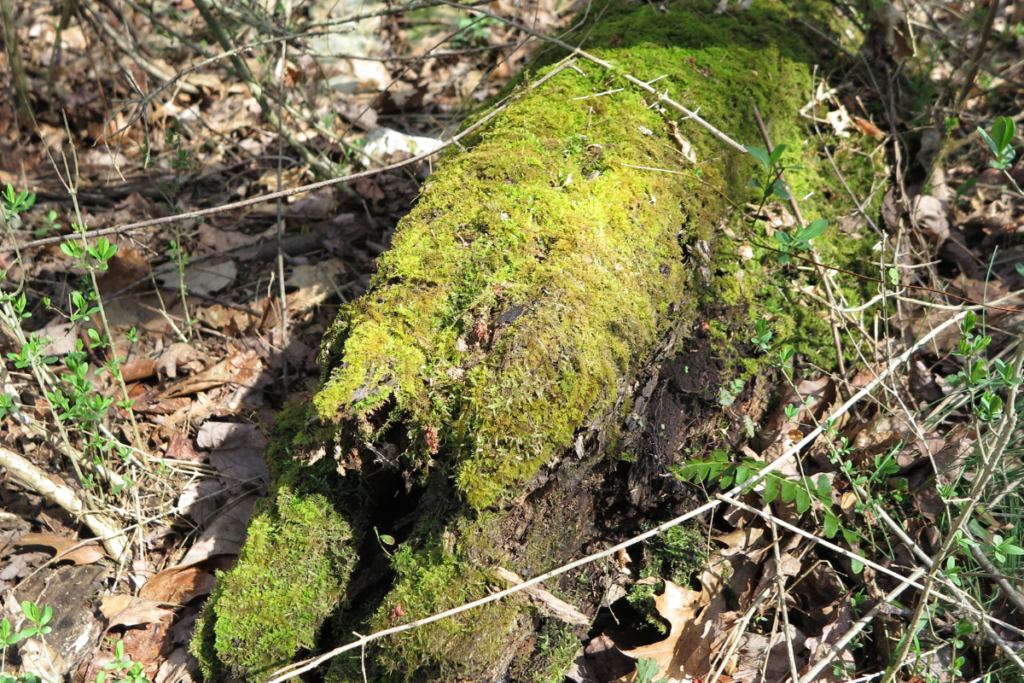
Woodland Moss (Moss sp.) is among the most widespread groups of non-flowering plants found on Earth. Various moss species occur across vast portions of the Northern Hemisphere and are present in countless natural landscapes. Their extensive distribution has allowed them to become familiar features of forests, mountains, wetlands, and many other ecosystems.
Unlike plants restricted to a narrow geographic range, woodland mosses have successfully established populations across multiple continents. Similar green carpets can be found in North American forests, European woodlands, and Asian mountain regions. Although species composition may vary between locations, moss remains a consistent part of many natural environments.
The broad distribution of woodland moss is partly due to its ancient evolutionary history. Mosses have occupied terrestrial habitats for hundreds of millions of years, allowing them to spread into diverse ecological regions over time. This long history has resulted in remarkable geographic success compared to many younger plant groups.
Today, woodland moss continues to occupy a significant portion of the world’s temperate landscapes. From remote wilderness areas to suburban natural spaces, these plants remain common components of ecosystems across much of their global range. Their widespread occurrence makes them one of the most frequently encountered non-flowering plants in nature.
Woodland Moss Range Across Continents and Regions
Woodland moss occurs throughout much of North America, where it is commonly found from southern Canada through large portions of the United States. Populations extend across eastern forests, western mountain ranges, and numerous intermediate regions. The diversity of moss species present across the continent contributes to its widespread visibility.
Europe also supports extensive woodland moss populations. Moss-covered forests are particularly common throughout northern and central regions where environmental conditions remain favorable for long-term persistence. In countries with extensive woodland coverage, moss often forms a prominent component of the landscape.
Across Asia, woodland mosses occupy an equally impressive range. Populations occur in temperate forests, mountainous areas, and numerous regions characterized by moderate temperatures and reliable moisture. The continent’s vast size supports an extraordinary diversity of moss species adapted to different environmental conditions.
Compared with many flowering plants that may occur only within specific geographic zones, woodland moss demonstrates exceptional range flexibility. Its distribution often extends across broader areas than many familiar tree or wildflower species. This wide-ranging occurrence reflects its ability to succeed under numerous regional conditions.
Smaller populations also occur in suitable environments on other continents. Wherever favorable conditions exist, mosses often become established and contribute to local ecosystems. Their broad geographic reach remains one of the defining characteristics of the group.
Woodland Moss Distribution Within Different Landscapes
Although woodland moss is broadly distributed, it does not occur uniformly across every landscape. Within its range, certain environments support significantly larger populations than others. Forested regions often contain the greatest concentration of colonies because conditions frequently favor long-term survival.
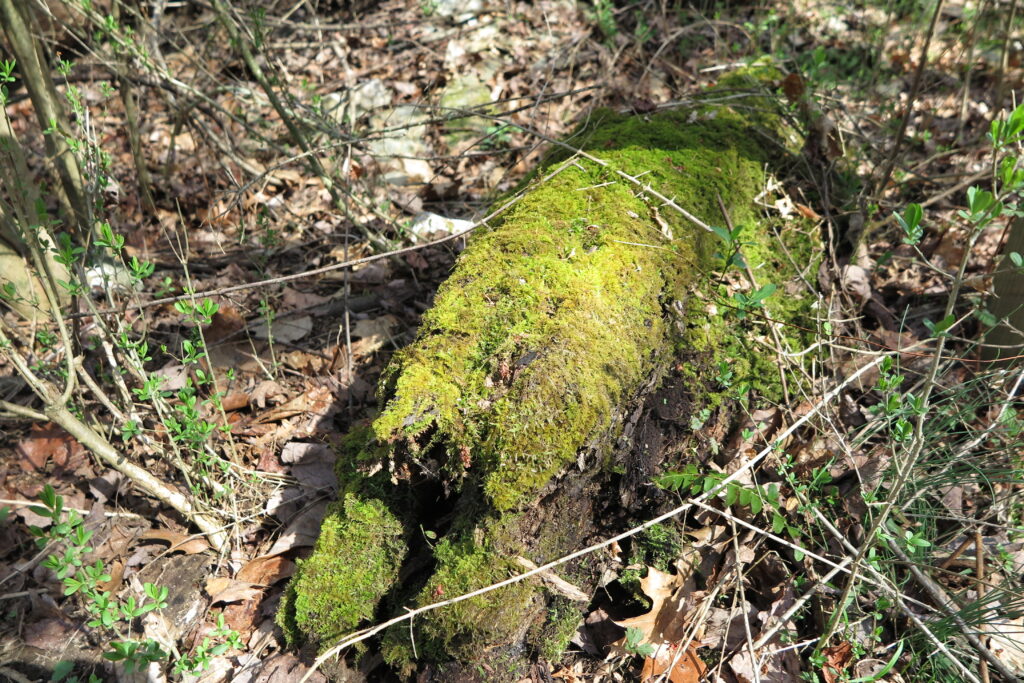
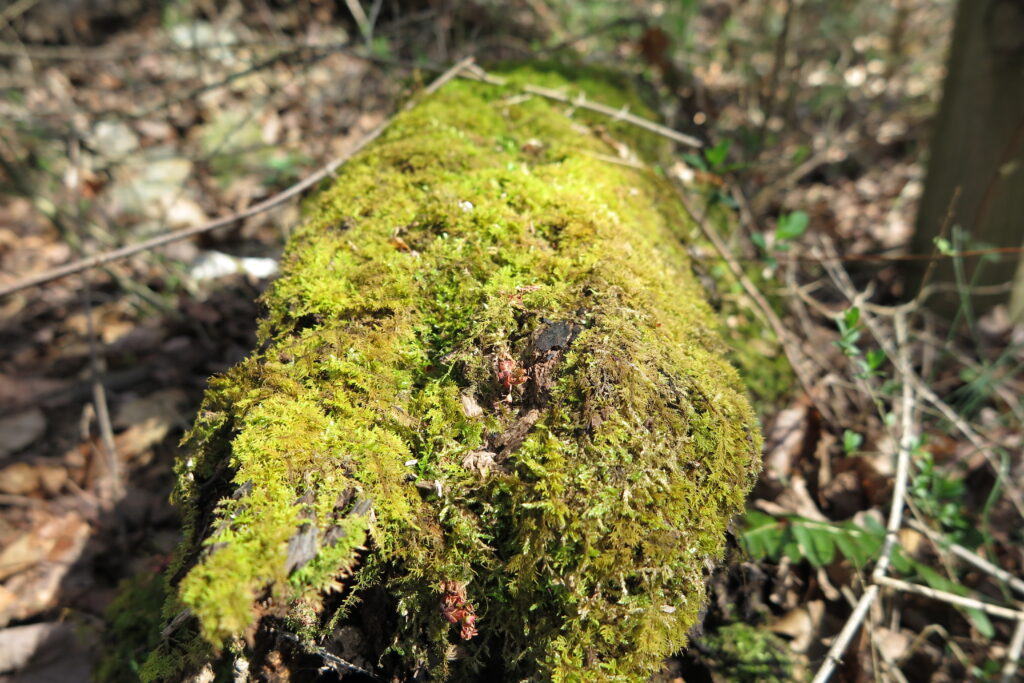
Mountain landscapes commonly support extensive moss coverage as well. Increased humidity, cooler temperatures, and reduced environmental stress often allow colonies to persist for long periods. In some mountain forests, moss may cover large portions of rocks, logs, and soil surfaces.
River valleys, wooded ravines, and protected natural corridors frequently contain abundant moss populations. These areas often create stable local conditions that support year-round persistence. As a result, moss distribution within a region may become concentrated in these favorable environments.
Woodland moss can also occur in human-influenced landscapes. Parks, gardens, old stone structures, and suburban woodlots may all support established colonies. Although these environments differ from natural forests, they can still provide conditions suitable for long-term growth.
Variation exists even within a single region. One hillside may support extensive moss coverage while a nearby exposed slope contains very little. These differences help explain why woodland moss distribution often appears patchy at small scales despite being widespread across larger geographic areas.
Factors Influencing Woodland Moss Distribution Worldwide
Several environmental factors influence where woodland moss successfully establishes populations. Climate plays one of the largest roles, as regions with moderate temperatures and reliable moisture generally support the highest abundance. Areas experiencing prolonged drought often contain fewer moss colonies than regions with consistent precipitation.
Elevation can also influence distribution patterns. Many moss species occur from lowland forests to mountainous environments, although some show preferences for particular elevation ranges. This flexibility contributes to the broad geographic reach observed across the group.
Moisture availability strongly affects local distribution. Regions with regular rainfall, high humidity, or persistent groundwater influence typically support larger and more stable populations. A useful comparison is the difference between a damp forest interior and an exposed dry field, where moss abundance often varies dramatically.
Vegetation structure further shapes distribution. Landscapes containing dense tree cover frequently create favorable conditions by reducing direct sunlight and helping maintain stable moisture levels. These influences allow woodland moss to occupy areas that might otherwise become unsuitable.
Together, climate, elevation, moisture, and surrounding vegetation determine where woodland moss occurs throughout the world. Their combined influence explains why these plants are common across many regions while remaining scarce in others. Despite these limitations, woodland moss remains one of the most widely distributed groups of non-flowering plants on Earth.
Popular Searches About Woodland Moss
Explore Woodland Moss Guide
Explore More Plants

Support Encounters World
Help support wildlife photography and get behind the scenes discoveries on Patreon.