Woodland Moss Conservation Guide: Threats, Protection, and Long-Term Survival
Quick Facts
Conservation Status: Most Species Not Evaluated as a Group
Population Trend: Generally Stable
Primary Threats: Habitat Disturbance and Environmental Change
Major Risk Factors: Deforestation, Pollution, Drought
Protected Areas: Common in Parks and Nature Reserves
Ecological Importance: Moisture Retention and Biodiversity Support
Conservation Priority: Maintaining Healthy Forest Ecosystems
Woodland Moss Conservation Introduction and Ecological Significance
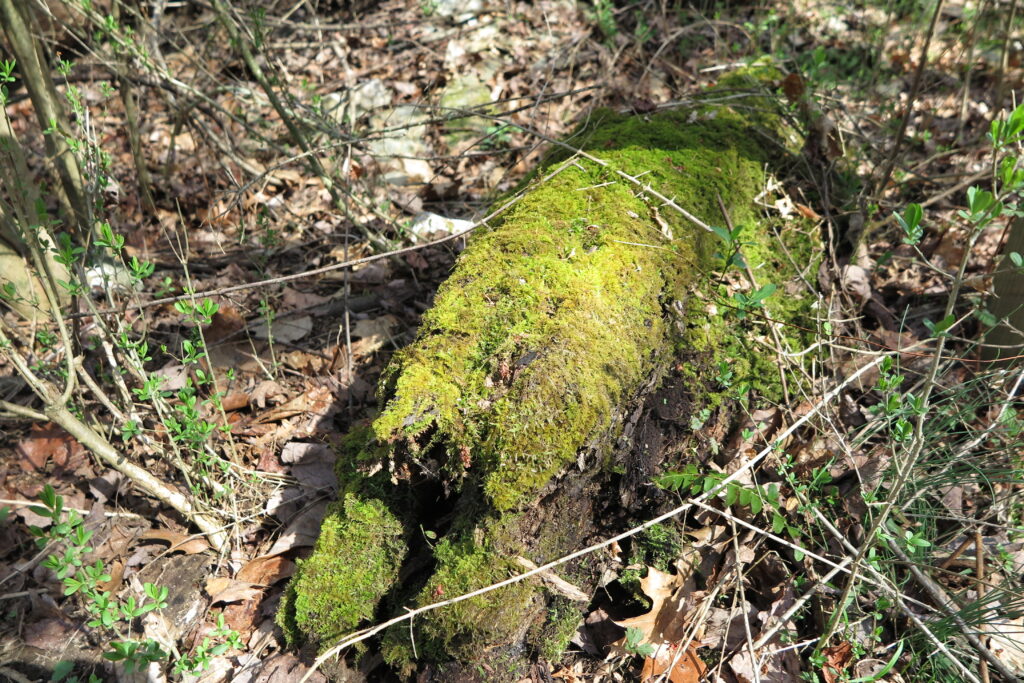
Woodland Moss (Moss sp.) is one of the most widespread groups of non-flowering plants found throughout temperate and boreal regions of the world. These small plants often go unnoticed beneath larger vegetation, yet they contribute significantly to ecosystem health. Their ability to cover logs, rocks, and forest floors allows them to influence environmental conditions on a surprisingly large scale.
Across North America, Europe, Asia, and other regions, woodland mosses form an important part of natural landscapes. Extensive colonies help create the lush green appearance commonly associated with healthy forests. Their presence often reflects environmental conditions that support a wide variety of plant and animal life.
Although many woodland moss species remain abundant, conservation remains important because moss depends on stable environmental conditions. Changes affecting forests, moisture levels, and ecosystem quality can influence the long-term success of local populations. Maintaining healthy habitats helps ensure that moss continues performing its ecological functions.
Understanding woodland moss conservation involves looking beyond individual colonies. The future of these plants is closely connected to the overall health of forests, wetlands, and other natural environments. Protecting ecosystems often provides the most effective way to protect moss populations as well.
Woodland Moss Population Status and Distribution Stability
Most woodland moss species are not currently considered globally threatened. Their broad geographic distribution and ability to occupy diverse natural environments contribute to generally stable populations across much of their range. Many forests continue to support extensive moss colonies that have persisted for decades or even centuries.
Compared with highly specialized plants restricted to small geographic areas, woodland moss often benefits from greater ecological flexibility. This adaptability allows populations to remain established across large portions of multiple continents. As a result, widespread declines are generally less common than in narrowly distributed species.
However, population stability can vary significantly at local levels. A forest that supports abundant moss today may experience declines if environmental conditions change substantially. Habitat disturbance, altered moisture patterns, and pollution can reduce colony health even when the species remains common elsewhere.
Some moss species within the broader woodland moss category are naturally less common than others. Local rarity does not always indicate a conservation problem, but it can make populations more vulnerable to disturbance. Monitoring these populations helps conservationists understand long-term trends.
Overall, woodland moss remains one of the more successful plant groups found in temperate ecosystems. Continued habitat protection plays an important role in maintaining this stability and ensuring populations remain healthy in the future.
Threats Facing Woodland Moss in Modern Ecosystems
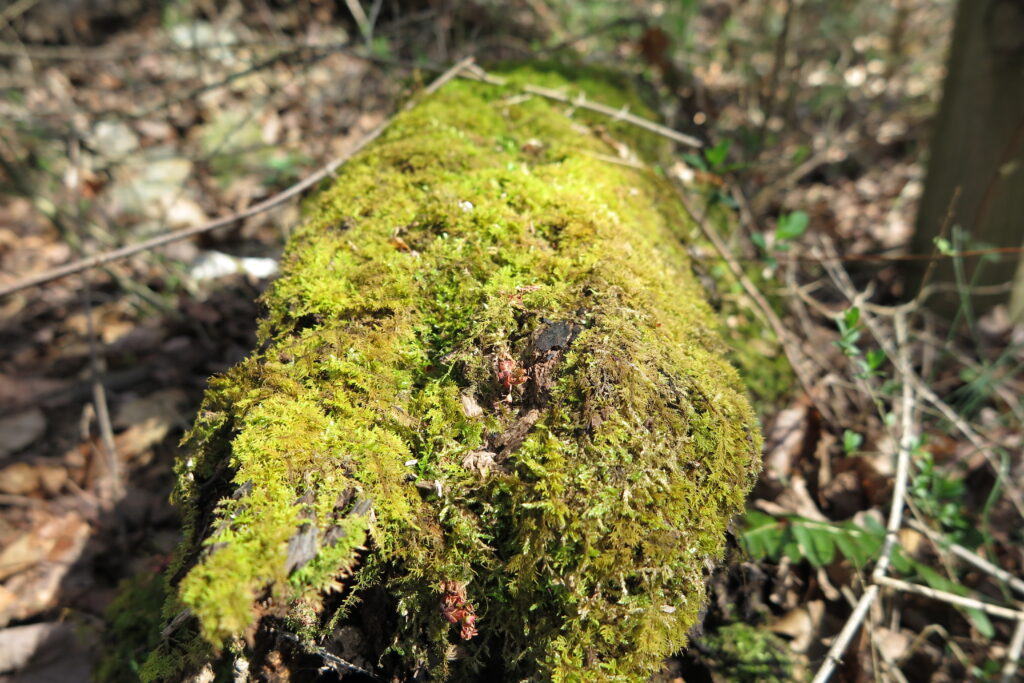
Habitat disturbance represents one of the most significant challenges facing woodland moss. Logging, land clearing, construction, and other activities can remove the surfaces and environmental conditions that support long-established colonies. Even small-scale disturbances may affect local populations if key habitat features are lost.
Changes in moisture availability can also influence moss survival. Extended droughts, altered rainfall patterns, and shifts in local climate conditions may reduce the moisture levels that many moss species depend upon. Colonies adapted to consistently damp conditions are often particularly sensitive to prolonged drying.
Pollution presents another concern in some regions. Airborne pollutants and contaminated runoff can affect moss health because these plants absorb water and nutrients directly through their tissues. Their sensitivity to environmental quality has led scientists to use certain moss species as indicators of ecosystem health.
Climate change introduces additional challenges. Rising temperatures, changing precipitation patterns, and increased frequency of extreme weather events may alter conditions across large portions of the moss’s range. These changes do not affect all populations equally, but they can influence distribution patterns over time.
A useful comparison is a forest stream that gradually changes course. While the ecosystem may continue functioning, species adapted to previous conditions often experience pressure as the environment shifts. Woodland moss faces similar challenges when environmental stability begins to change.
Woodland Moss Conservation Efforts and Future Protection
The most effective conservation strategy for woodland moss is protecting healthy natural ecosystems. Forest preservation, habitat restoration, and responsible land management help maintain the environmental conditions that support thriving moss populations. When ecosystems remain intact, moss colonies often continue to flourish naturally.
Protected areas such as national parks, state forests, wildlife refuges, and nature reserves provide important safeguards for woodland moss. These locations help reduce habitat loss while preserving the moisture, shade, and environmental stability that many species require. Large protected landscapes are especially valuable because they support entire ecological communities.
Conservation efforts aimed at improving water quality and reducing pollution also benefit woodland moss. Cleaner air and healthier watersheds help maintain the environmental conditions necessary for long-term colony survival. These improvements often support numerous other species at the same time.
Public awareness can contribute to conservation as well. Understanding the ecological importance of moss encourages appreciation for small but valuable components of natural ecosystems. Visitors who stay on designated trails and avoid disturbing sensitive habitats help reduce unnecessary damage to moss-covered areas.
The future of woodland moss depends largely on the continued protection of the ecosystems where it occurs. By conserving forests, maintaining water quality, and supporting responsible environmental stewardship, people can help ensure that woodland moss remains a thriving and beneficial part of natural landscapes for generations to come.
Popular Searches About Woodland Moss
Explore Woodland Moss Guide
Explore More Plants

Support Encounters World
Help support wildlife photography and get behind the scenes discoveries on Patreon.