Ocellaris Clownfish Adaptations Guide: Unique Adaptations That Help Ocellaris Clownfish Survive
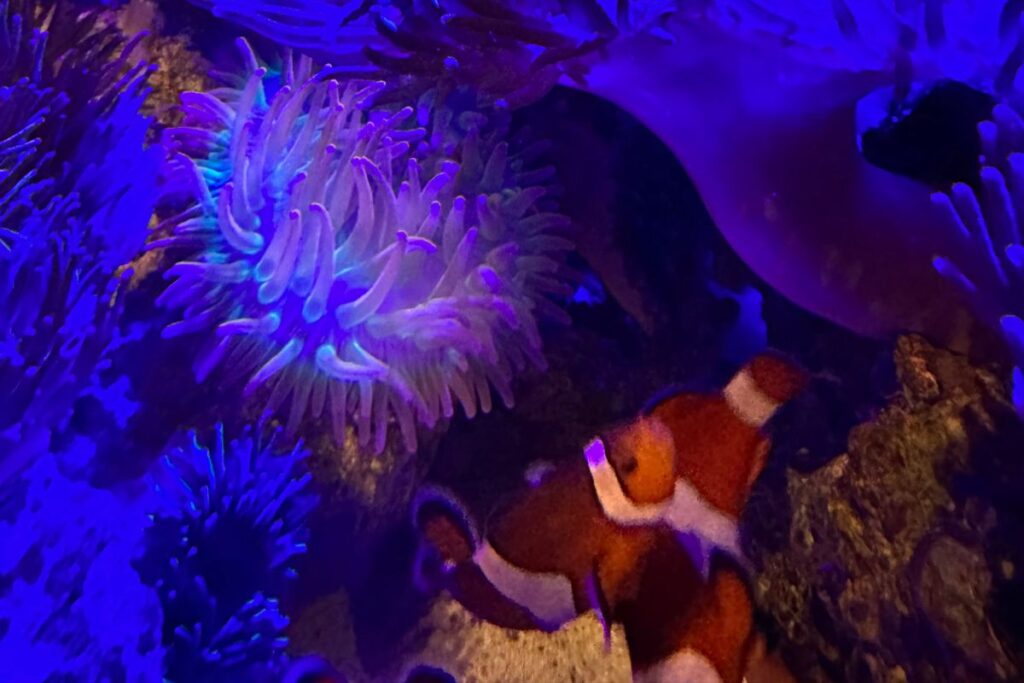
Quick Facts
Primary Adaptation: Protective mucus coating resistant to sea anemone stings
Average Size: 3–4 inches (7.5–10 cm)
Lifespan: 6–10 years in the wild, 10–20+ years in captivity
Global Range: Indo-Pacific Region
Conservation Status: Least Concern
Notable Feature: Specialized adaptations allow close association with sea anemones
Ocellaris Clownfish Survival Adaptations and Natural Advantages
The ocellaris clownfish is one of the most recognizable reef fish in the world, but its bright colors are only part of what makes it remarkable. Beneath its familiar appearance lies a collection of specialized adaptations that have allowed this species to thrive throughout tropical marine environments for thousands of years. These traits help it survive in habitats that can be crowded with predators, competition, and changing environmental conditions.
Found throughout the Indo-Pacific region, ocellaris clownfish inhabit warm marine ecosystems stretching from Southeast Asia to northern Australia. Across this broad range, individuals display the same core adaptations that define the species. These features have proven successful in a variety of reef environments, demonstrating their effectiveness over a large geographic area.
Adaptations are characteristics that improve an animal’s chances of survival and reproduction. In the case of the ocellaris clownfish, these include physical traits, body structures, coloration patterns, and biological features that provide important advantages. Rather than relying on speed or large size, the species depends on a combination of specialized characteristics that work together.
Many marine fish possess one or two notable adaptations, but the ocellaris clownfish stands out because several unique features operate simultaneously. Its body design, protective coating, coloration, and social structure all contribute to its success. Together, these adaptations have helped make the species one of the most enduring and recognizable fish in tropical oceans.
Ocellaris Clownfish Physical Adaptations and Body Features
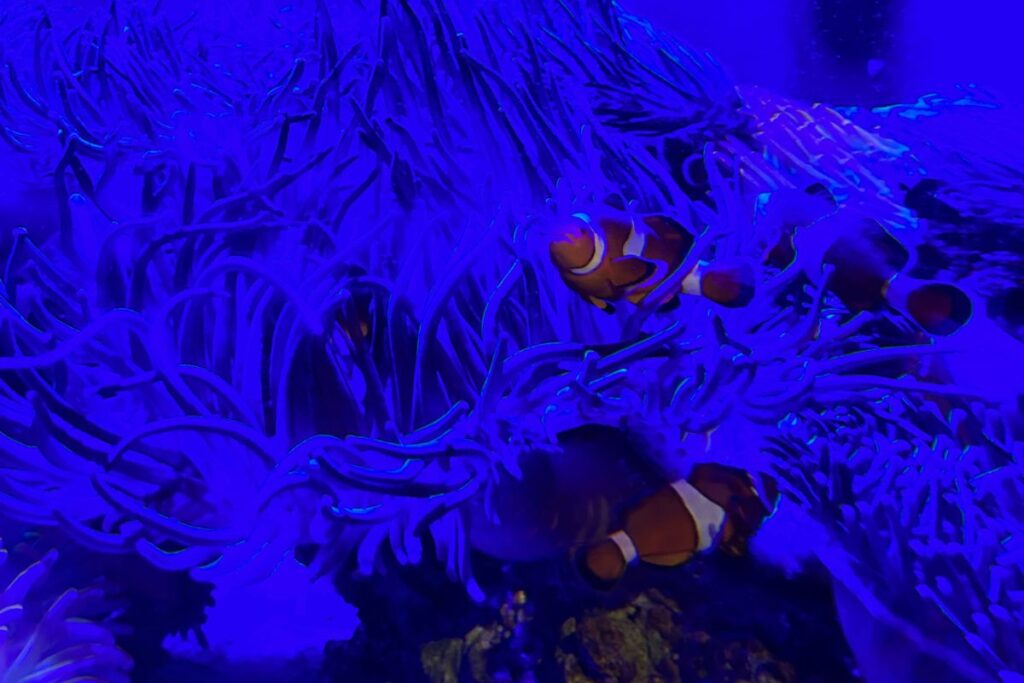
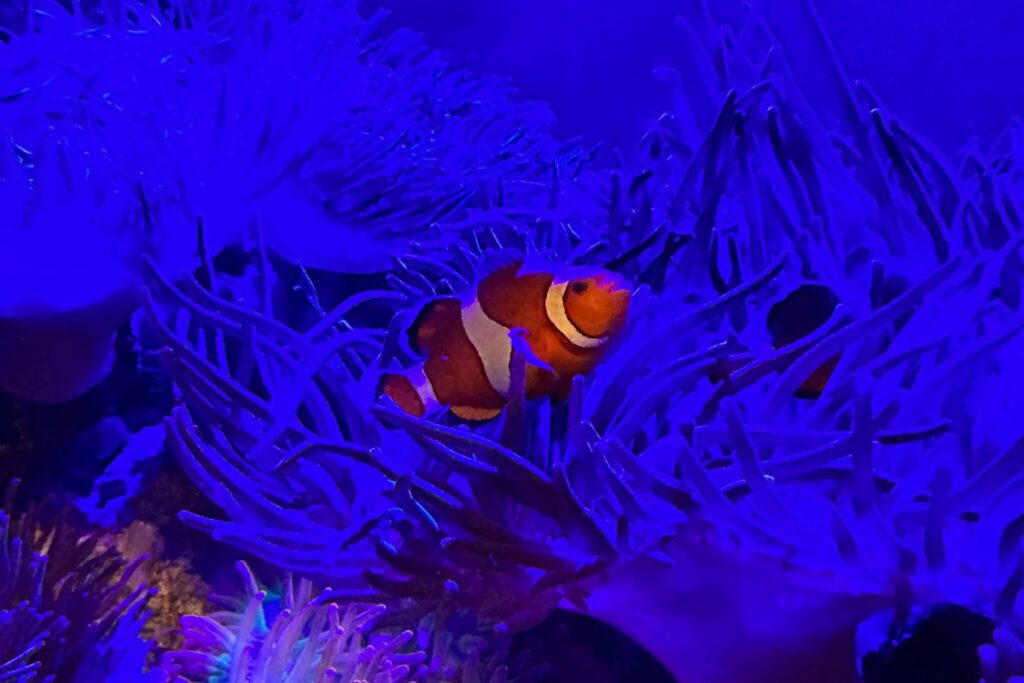
One of the most important physical adaptations of the ocellaris clownfish is its specialized mucus coating. This protective layer covers the fish’s scales and allows it to tolerate contact with sea anemone tentacles that would normally harm many other fish. The coating acts as a biological shield, creating one of the most famous adaptations in marine ecosystems.
The fish’s compact body shape also provides significant advantages. Unlike long-bodied open-water fish, the ocellaris clownfish possesses a deeper, rounded form that allows quick maneuvering in confined spaces. This body structure helps it navigate narrow openings and crowded reef environments with ease.
Bright orange coloration combined with bold white bands may seem conspicuous at first glance, but these markings serve important visual functions. The contrast helps individuals recognize members of their own species and maintain social organization. In reef environments filled with countless fish species, clear identification can be a valuable adaptation.
Its relatively small size is another overlooked advantage. Most adults measure only three to four inches long, making them much smaller than many reef predators. This compact stature allows access to protective spaces and reduces the energy required to sustain daily activities. Sometimes survival depends not on being larger than competitors but on being efficient and adaptable.
Specialized Ocellaris Clownfish Characteristics That Improve Survival
The ocellaris clownfish possesses several characteristics that distinguish it from many other reef fish. Among the most notable is its ability to undergo sex change within established social groups. Individuals begin life as males, but dominant fish can transform into females when circumstances require it. This unusual adaptation helps ensure reproductive success within stable populations.
Another valuable characteristic is its strong environmental tolerance. While still dependent on healthy marine conditions, the species can adapt to a range of reef environments throughout its natural distribution. This flexibility has contributed to its widespread success across numerous tropical regions.
Visual adaptations also play an important role. Ocellaris clownfish possess well-developed eyesight suited for navigating complex reef structures. Their ability to identify landmarks, recognize group members, and respond quickly to environmental changes contributes significantly to survival.
Compared with many similarly sized reef fish, the ocellaris clownfish demonstrates a remarkable combination of specialized traits. Its adaptations are not focused on a single survival strategy but instead represent a collection of interconnected advantages. This layered approach helps explain why the species remains abundant across much of its natural range.
How Ocellaris Clownfish Adaptations Support Reef Ecosystems
The adaptations of the ocellaris clownfish influence more than just individual survival. By successfully occupying a specific ecological niche, the species contributes to the overall diversity and stability of coral reef communities. Specialized animals often play important roles in maintaining balanced ecosystems.
Coral reefs depend on a wide variety of species performing different ecological functions. Adapted reef fish help create complex food webs and support biodiversity throughout these habitats. The ocellaris clownfish represents one example of how evolutionary specialization can contribute to broader ecosystem health.
Its presence also highlights the importance of adaptation in shaping marine communities. Species with effective survival strategies often become long-term components of an ecosystem, helping maintain ecological continuity across generations. The clownfish’s continued success demonstrates the value of highly refined biological traits.
Perhaps most importantly, the species serves as a reminder that adaptation comes in many forms. Large predators may rely on strength, while fast swimmers depend on speed. The ocellaris clownfish succeeds through a different approach, combining specialized physical features, biological traits, and environmental flexibility into a highly effective survival package. These adaptations have helped transform a small reef fish into one of the most recognizable marine animals on the planet.
Popular Searches About Ocellaris Clownfish
Explore Ocellaris Clownfish Guide
Explore More Exhibits

Support Encounters World
Help support wildlife photography and get behind the scenes discoveries on Patreon.