Ocellaris Clownfish Breeding Guide: Mating, Eggs, Reproduction & Life Cycle
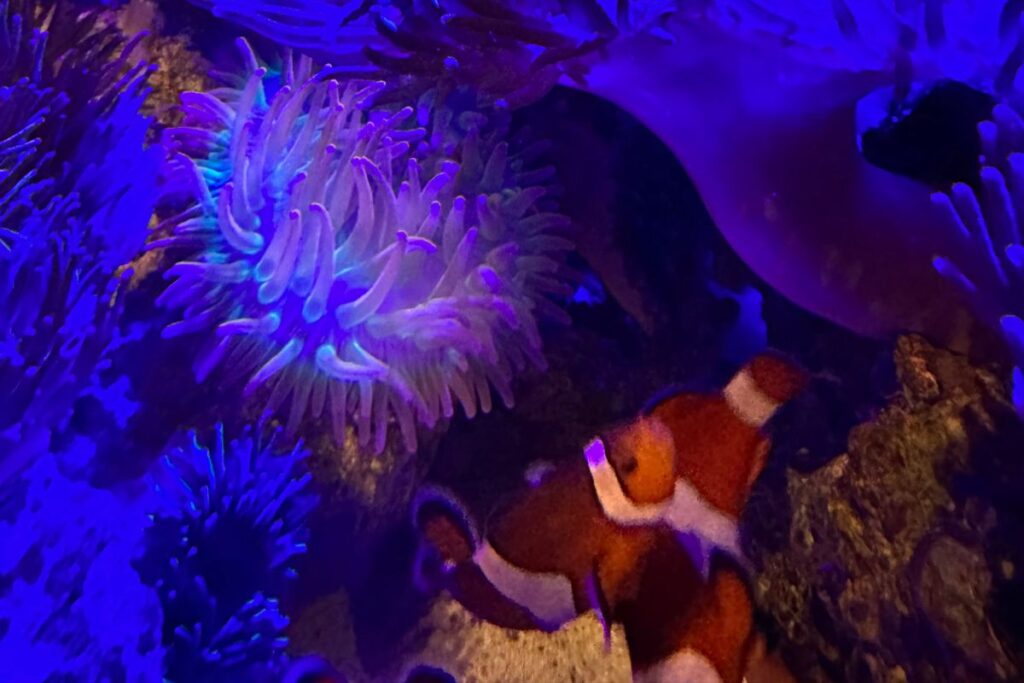
Quick Facts
Breeding Type: Egg-Laying Marine Fish
Sexual Maturity: 1–2 Years
Eggs Per Spawn: 100–1,000+
Incubation Period: 6–10 Days
Global Range: Indo-Pacific Region
Conservation Status: Least Concern
Notable Feature: Sequential hermaphrodite capable of changing sex
Ocellaris Clownfish Reproductive Cycle and Breeding Overview
The ocellaris clownfish possesses one of the most fascinating reproductive systems found among coral reef fish. Although widely recognized for its bright coloration, the species is equally remarkable for its breeding biology and social organization. Successful reproduction depends on a combination of environmental conditions, established social hierarchies, and specialized developmental processes.
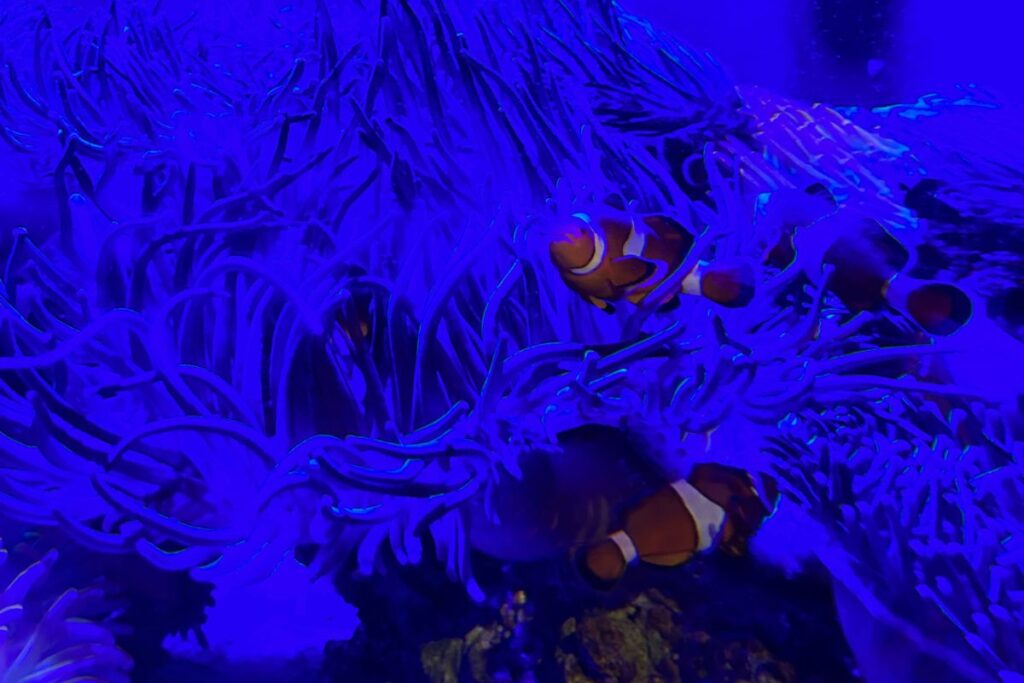
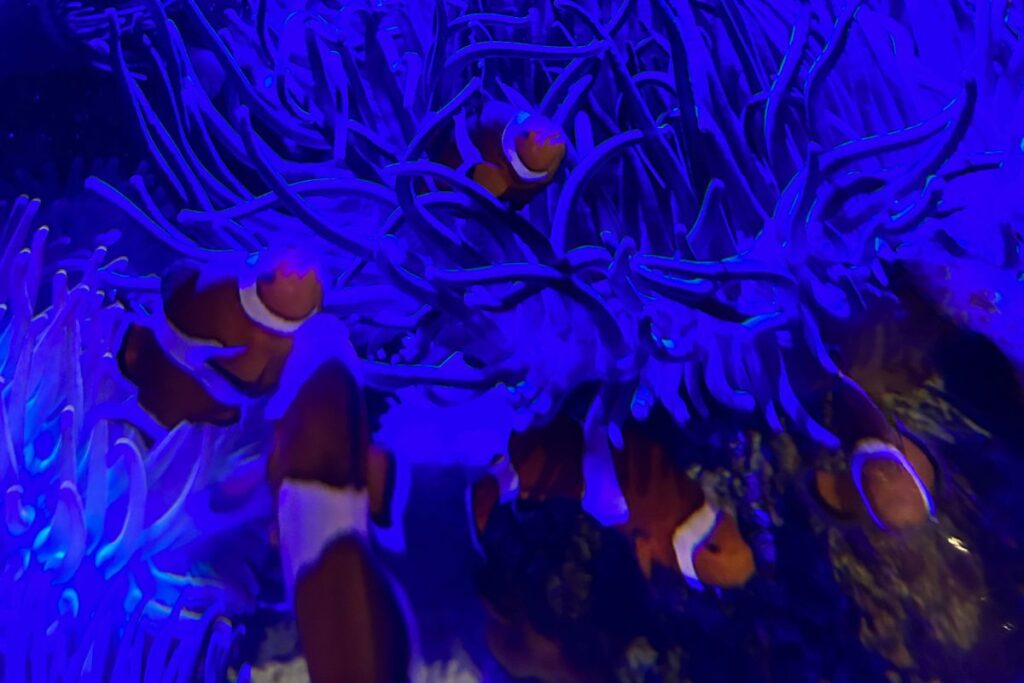
Throughout the Indo-Pacific region, breeding occurs within stable social groups that typically consist of a dominant female, a breeding male, and several smaller subordinate individuals. This structure allows reproduction to occur efficiently while reducing competition among group members. The arrangement helps maintain long-term stability and increases the chances of successful offspring production.
Unlike many marine fish that release eggs and sperm into open water, ocellaris clownfish utilize a more controlled reproductive strategy. Fertilized eggs are deposited on carefully selected surfaces where they can develop before hatching. This approach improves survival rates compared with species that rely entirely on open-water spawning.
The breeding cycle repeats numerous times throughout adulthood. Mature pairs may produce multiple clutches of eggs each year when conditions remain favorable. This ability to reproduce repeatedly contributes to the species’ success across its natural range and helps sustain healthy populations in reef ecosystems.
Ocellaris Clownfish Courtship Behavior and Pair Formation
Before spawning can occur, clownfish establish a stable breeding partnership within their social group. The largest individual becomes the female, while the second-largest serves as the breeding male. This arrangement forms the foundation of the reproductive system and remains relatively stable for long periods.
Courtship involves a series of displays that strengthen pair bonds and prepare both fish for spawning. These interactions help synchronize reproductive timing and ensure both individuals are ready for egg production. During this period, fish often become more focused on maintaining their chosen spawning location.
One of the most unusual aspects of clownfish breeding is their ability to change sex. All individuals begin life as males, but the dominant fish can transition into a female when circumstances require it. This adaptation ensures that breeding opportunities continue even if a female is lost from the group.
The social structure surrounding reproduction is remarkably efficient. Rather than competing constantly for mates, group members follow a clear hierarchy. This reduces conflict and allows reproductive efforts to focus on producing and raising the next generation.
Ocellaris Clownfish Eggs and Early Development
Egg production begins when the female deposits hundreds of adhesive eggs onto a prepared surface. These eggs are typically bright orange immediately after spawning and are arranged in dense clusters. Their appearance changes gradually as development progresses.
A single spawning event may result in anywhere from 100 to more than 1,000 eggs depending on the age and size of the breeding pair. Larger females generally produce larger clutches, allowing experienced individuals to contribute significantly to population growth. The eggs remain attached throughout incubation, reducing the risk of being carried away by currents.
Embryonic development occurs rapidly. Over the course of roughly six to ten days, developing larvae become visible within the eggs. As hatching approaches, the eyes become increasingly noticeable and the eggs darken in appearance.
After hatching, larvae enter a planktonic stage and drift through the ocean before eventually settling onto suitable reef habitats. This stage represents a critical period in the life cycle because survival rates are considerably lower than during later developmental phases. Those that successfully complete this transition eventually become juvenile clownfish and join established reef communities.
Ocellaris Clownfish Breeding Success and Ecological Importance
The reproductive strategy of the ocellaris clownfish contributes directly to its long-term survival as a species. Frequent spawning opportunities allow populations to recover from natural losses while maintaining stable numbers across extensive reef systems. Consistent reproduction helps ensure that new generations continually replace older individuals.
Breeding success also supports biodiversity within coral reef ecosystems. Reef communities depend on countless species reproducing successfully in order to maintain ecological balance. The clownfish’s ability to generate large numbers of offspring increases the likelihood that some individuals will survive to adulthood despite environmental challenges.
Scientists often study clownfish reproduction because it provides valuable insights into reef fish population dynamics. Changes in breeding success can indicate shifts in habitat quality, environmental conditions, or ecosystem health. Monitoring reproductive patterns therefore helps researchers better understand the condition of coral reef environments.
The breeding biology of the ocellaris clownfish demonstrates how specialized adaptations can contribute to long-term ecological success. Through stable social structures, repeated spawning cycles, and efficient reproductive strategies, this small reef fish has become one of the most successful and recognizable marine species in tropical oceans. Its reproductive system remains one of the most fascinating examples of adaptation among coral reef fish.
Popular Searches About Ocellaris Clownfish
Explore Ocellaris Clownfish Guide
Explore More Exhibits

Support Encounters World
Help support wildlife photography and get behind the scenes discoveries on Patreon.