Ocellaris Clownfish Conservation Guide: Population Status, Threats & Protection Efforts
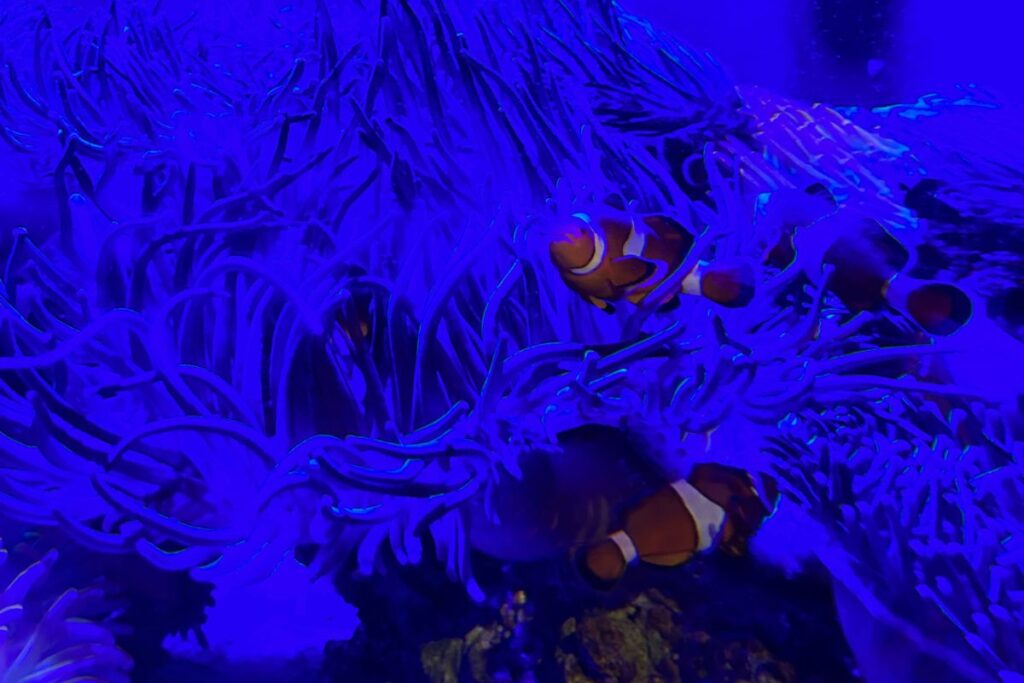
Quick Facts
Location: Coral Reefs of the Indo-Pacific
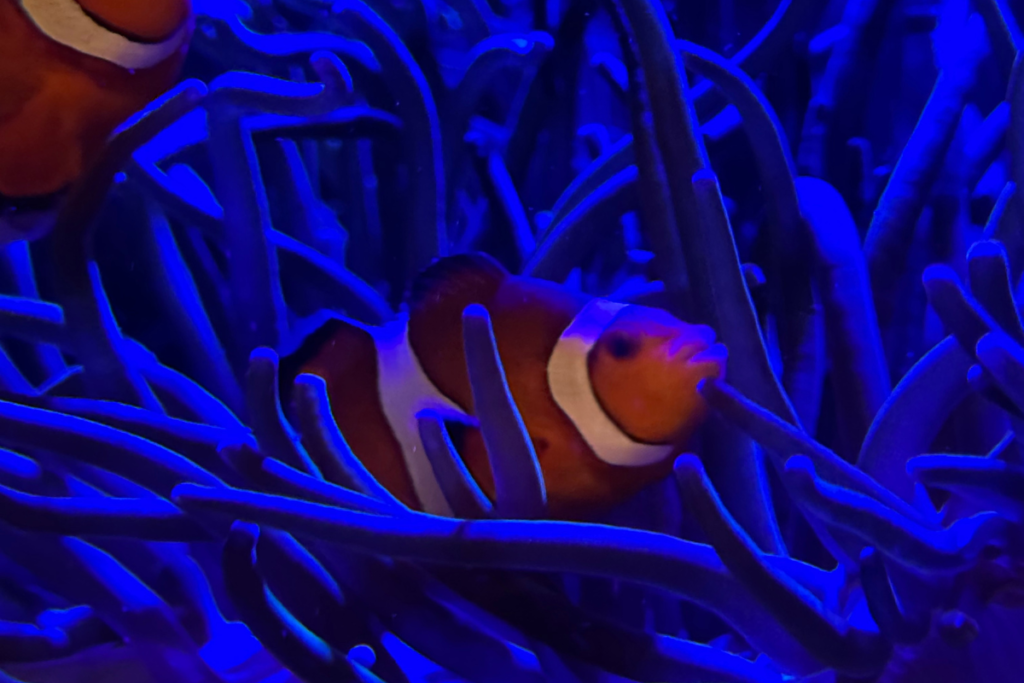
Average Size: 3–4 inches (7.5–10 cm)
Lifespan: 6–10 years in the wild, 10–20+ years in captivity
Global Range: Indo-Pacific Region
Conservation Status: Least Concern
Notable Feature: Widespread captive breeding reduces pressure on wild populations
Ocellaris Clownfish Conservation Status and Global Population Trends
The ocellaris clownfish is among the most recognizable marine fish in the world and remains one of the most frequently observed species in tropical reef environments. Native to the warm waters of the Indo-Pacific, it occurs across an extensive range that includes Indonesia, the Philippines, Papua New Guinea, northern Australia, and nearby island systems. Its broad distribution contributes significantly to its overall population stability.
Unlike many marine species facing severe declines, the ocellaris clownfish is currently classified as a species of Least Concern. This designation reflects its widespread presence and the absence of evidence suggesting a rapid population collapse across its natural range. Healthy populations continue to inhabit many reef systems throughout the Indo-Pacific region.
Conservation assessments focus not only on current numbers but also on long-term trends. While the species remains common in many locations, scientists continue monitoring populations because coral reef ecosystems face increasing environmental pressures. Maintaining stable clownfish populations depends heavily on preserving the habitats that support them.
One reason for the species’ favorable conservation outlook is its adaptability and reproductive success. Ocellaris clownfish continue to reproduce effectively across much of their range, allowing populations to recover from localized disturbances. This resilience has helped the species remain abundant even as certain reef habitats experience environmental challenges.
Threats Affecting Ocellaris Clownfish Survival
Although the ocellaris clownfish is not currently endangered, several threats have the potential to affect future populations. Habitat degradation remains one of the most significant concerns. Coral reefs worldwide are experiencing pressure from pollution, coastal development, and destructive human activities that can reduce habitat quality.
Climate change presents another growing challenge. Rising ocean temperatures contribute to coral bleaching events, which can damage reef ecosystems on a large scale. While clownfish may survive temporary disturbances, long-term degradation of reef environments can reduce suitable areas for future generations.
Ocean acidification is an additional concern for marine conservationists. As seawater chemistry changes, coral growth and reef-building processes may be affected. Because reef ecosystems form the foundation of countless marine communities, widespread impacts on coral health can influence numerous species, including the ocellaris clownfish.
Historically, collection for the aquarium trade also raised conservation concerns. The popularity of clownfish increased dramatically over the past several decades, leading to higher demand among hobbyists. Fortunately, advances in captive breeding have significantly reduced dependence on wild-caught specimens, helping alleviate pressure on natural populations.
Ocellaris Clownfish Conservation Adaptations and Resilience
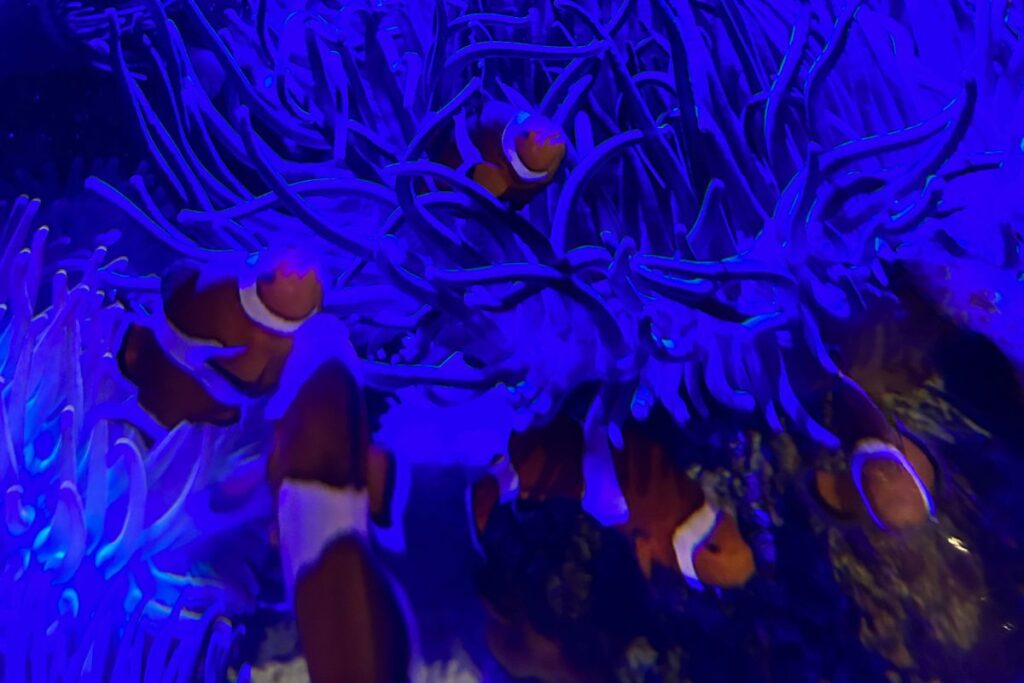
Several characteristics contribute to the conservation success of the ocellaris clownfish. Its broad geographic range provides an important advantage because populations are not concentrated in a single location. Species distributed across multiple countries and reef systems often possess greater resilience than those restricted to limited habitats.
Reproductive capacity also supports long-term population stability. Mature clownfish can produce large numbers of eggs throughout their lives, helping replenish local populations. This reproductive potential allows the species to recover more effectively from localized losses than some marine animals with slower breeding rates.
The species’ adaptability further enhances survival prospects. Ocellaris clownfish occur across a variety of reef environments throughout the Indo-Pacific, demonstrating flexibility within suitable tropical marine habitats. This ability to persist in different regions increases the likelihood that populations can withstand certain environmental changes.
Captive breeding programs represent one of the most important conservation advantages for this species. Today, many clownfish sold in the aquarium industry are bred in controlled environments rather than collected from the wild. This shift reduces harvesting pressure and provides a sustainable alternative for marine aquarium enthusiasts.
Ocellaris Clownfish Conservation Efforts and Ecological Importance
Conservation efforts for the ocellaris clownfish often focus on protecting the broader reef ecosystems upon which the species depends. Marine protected areas play an important role in safeguarding coral reefs from overexploitation and habitat destruction. These protected zones benefit countless marine organisms while helping maintain healthy clownfish populations.
Habitat restoration projects also contribute to conservation success. In some regions, damaged reefs are being rehabilitated through coral restoration programs and environmental management initiatives. Healthy reefs support greater biodiversity and provide more stable conditions for species throughout the ecosystem.
Public education has become another valuable conservation tool. Because the ocellaris clownfish is widely recognized, it serves as an effective ambassador for marine conservation. Interest in this species often encourages broader awareness of reef protection, sustainable aquarium practices, and ocean conservation efforts.
The continued success of the ocellaris clownfish demonstrates the importance of proactive conservation rather than emergency intervention. While the species remains common today, protecting coral reef ecosystems ensures that future generations will continue encountering these iconic fish in their natural environment. Its stable status highlights how habitat protection, responsible management, and sustainable practices can work together to support long-term wildlife conservation.
Popular Searches About Ocellaris Clownfish
Explore Ocellaris Clownfish Guide
Explore More Exhibits

Support Encounters World
Help support wildlife photography and get behind the scenes discoveries on Patreon.