
Grape Hyacinth Planting Guide: When, Where, and How to Plant Grape Hyacinth Bulbs
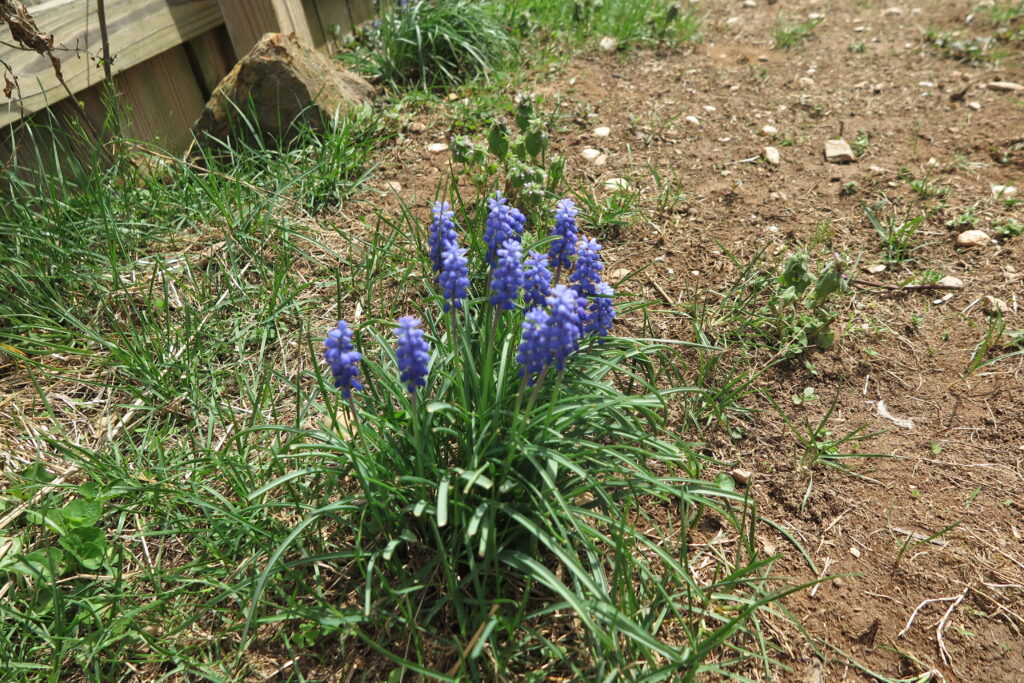
Quick Facts
Plant Type: Perennial Bulb
Best Planting Time: Fall
Planting Depth: 3–4 Inches (7–10 cm)
Bulb Spacing: 2–4 Inches (5–10 cm)
Sunlight Requirements: Full Sun to Partial Shade
Soil Preference: Well-Drained Loam or Sandy Soil
Establishment Time: Blooms the Following Spring
Grape Hyacinth Planting Basics for Successful Establishment
Grape hyacinth is one of the easiest spring-flowering bulbs to establish in gardens and landscapes. Native to southeastern Europe and western Asia, the species has become a favorite among gardeners because of its dependable flowering and uncomplicated planting requirements. Even first-time gardeners can achieve successful results with proper bulb placement and timing.
Unlike annual flowers that are planted during the growing season, grape hyacinth begins its journey underground months before blooms appear. The bulbs are planted in autumn, where they remain hidden beneath the soil throughout winter. This underground development allows them to emerge quickly when spring conditions arrive.
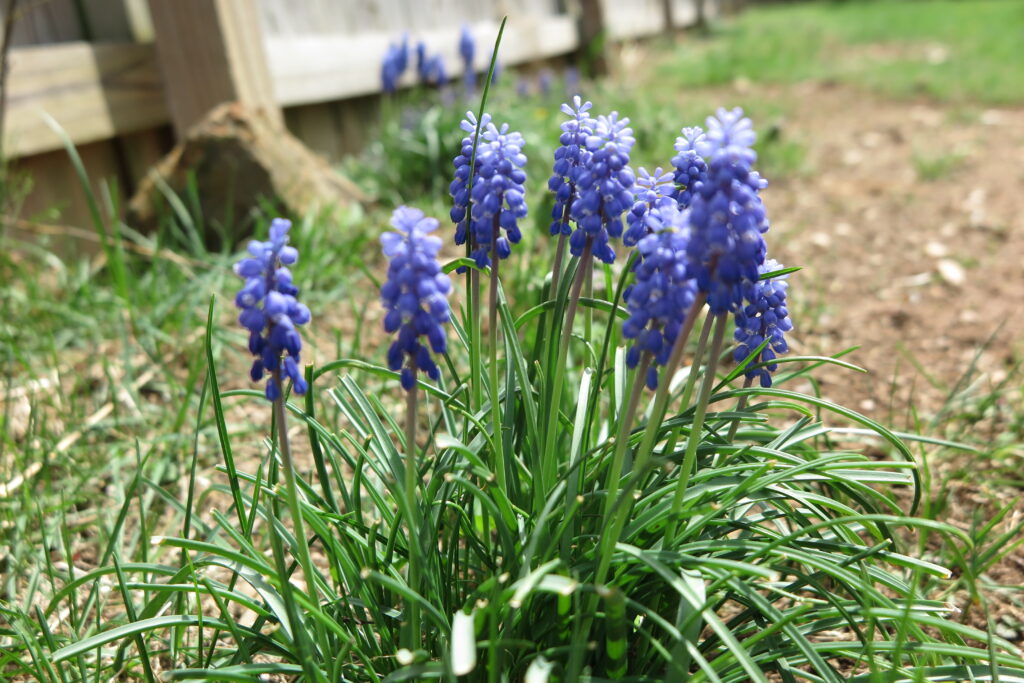
Many gardeners choose grape hyacinth because it adapts well to both formal flower beds and naturalized plantings. Small groups can create colorful accents, while larger plantings often produce impressive drifts of blue-purple flowers. The species performs equally well along pathways, borders, and open lawn edges.
One advantage of grape hyacinth planting is its long-term value. A single planting session can provide flowers for many years because healthy bulbs continue returning each spring. This makes the plant a practical choice for gardeners seeking reliable seasonal color without yearly replanting.
Choosing the Best Location for Grape Hyacinth Bulbs
Selecting the proper planting location greatly influences long-term success. Grape hyacinth performs best in areas that receive abundant sunlight during its active growing season. Full sun generally encourages the strongest flowering displays, although partial shade is also suitable in many landscapes.
The species is particularly effective beneath deciduous trees. During spring, sunlight reaches the ground before the trees fully leaf out, providing ideal growing conditions. This arrangement allows gardeners to utilize spaces that might otherwise appear empty early in the year.
Good drainage should always be a priority when selecting a planting site. Bulbs exposed to standing water may rot before they have an opportunity to establish. Areas where water drains naturally after rainfall generally provide better conditions than low-lying locations that remain saturated.
A useful comparison is to imagine the conditions preferred by many spring woodland flowers. The soil should remain moderately moist during active growth while avoiding prolonged water accumulation. Locations that balance sunlight and drainage often produce the healthiest and most consistent flowering displays.
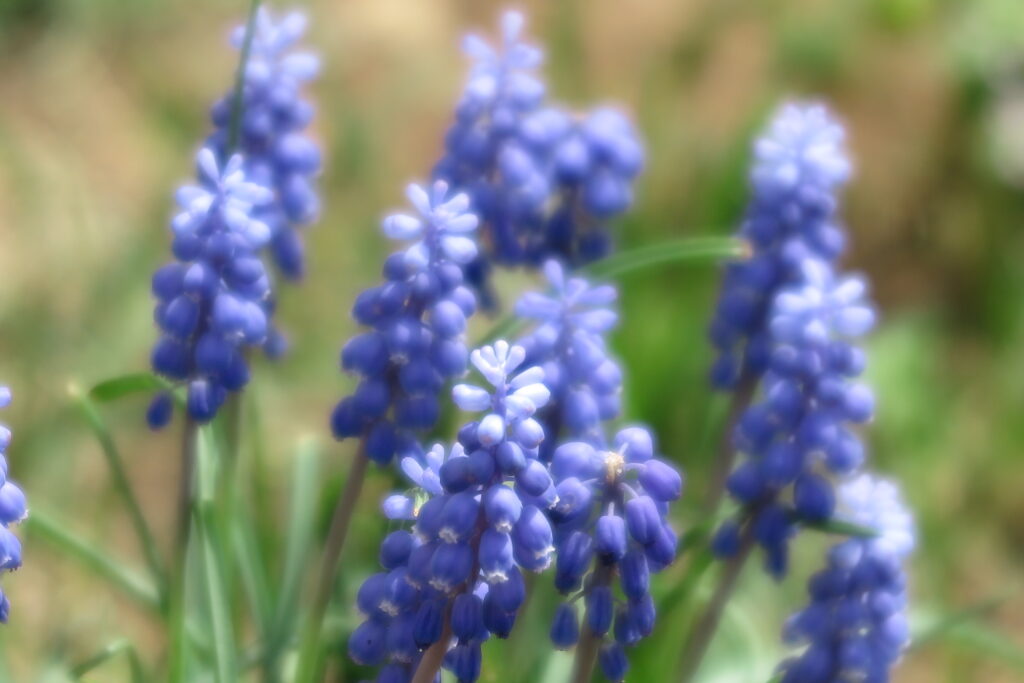
Landscape visibility is another factor worth considering. Since grape hyacinth blooms are relatively small, planting bulbs where flowers can be easily viewed enhances their visual impact. Walkways, patios, entrances, and garden borders are commonly chosen locations because they allow people to appreciate the blooms up close.
How to Plant Grape Hyacinth Bulbs Correctly
Proper planting depth is essential for healthy bulb development. Most grape hyacinth bulbs should be placed approximately three to four inches beneath the soil surface. This depth provides protection from winter weather while allowing shoots to emerge efficiently in spring.
Spacing also influences the final appearance of the planting. Bulbs placed two to four inches apart create dense displays that appear fuller when flowering begins. Wider spacing can be used for naturalized plantings where a more scattered appearance is desired.
Before planting, the soil should be loosened to improve drainage and root development. Compact soil can restrict growth and reduce long-term performance. Mixing organic matter into heavy soils often improves growing conditions while helping bulbs establish more effectively.
When positioning bulbs, the pointed end should face upward. This orientation allows shoots to emerge in the correct direction while roots develop downward. Although bulbs may sometimes correct themselves naturally, proper placement reduces unnecessary energy expenditure.
After planting, the area should be watered thoroughly to settle the soil around the bulbs. This initial watering helps eliminate air pockets and encourages root formation before winter arrives. Once established, the bulbs generally require little attention until spring growth begins.
Long-Term Planting Success and Naturalizing Grape Hyacinth
One reason grape hyacinth remains popular is its ability to naturalize successfully. Over time, healthy bulbs multiply underground and gradually create larger colonies. A modest planting can eventually develop into an extensive display without requiring significant effort from the gardener.
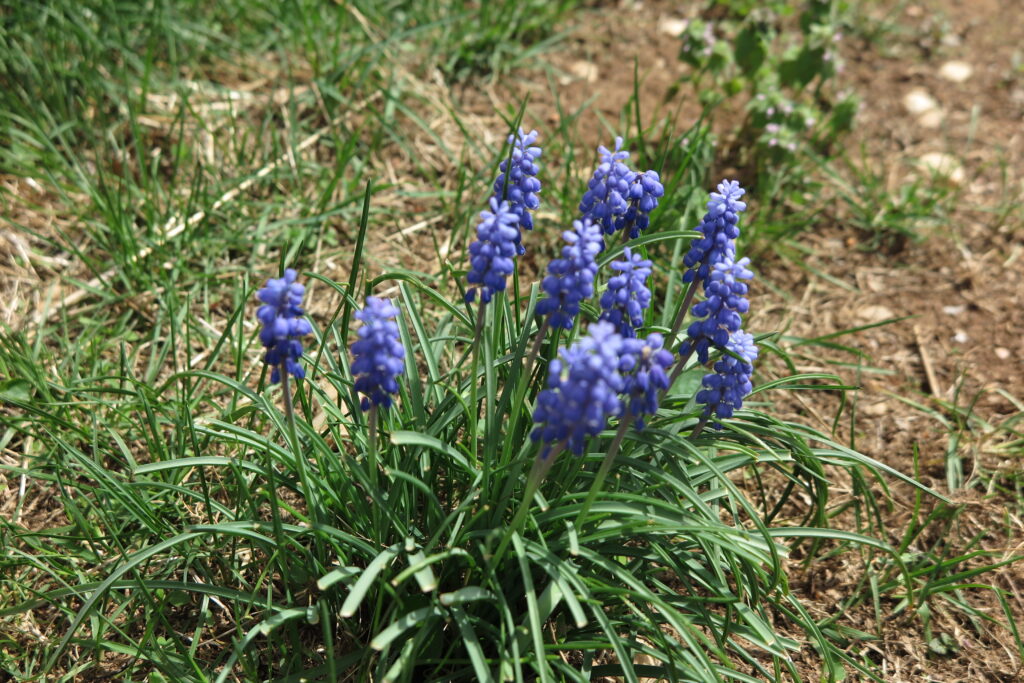
Naturalizing works especially well in open lawns, woodland edges, and large garden beds. These settings allow bulbs to expand gradually while maintaining a natural appearance. The resulting spring displays often resemble patches of blue-purple color scattered across the landscape.
Patience is important during the establishment process. Although bulbs typically bloom during their first spring after planting, the most impressive displays often develop after several years. As bulbs multiply and colonies mature, flowering becomes increasingly abundant.
Periodic division may be beneficial when colonies become overcrowded. Digging and separating bulbs every few years can restore vigor while creating additional planting opportunities elsewhere in the landscape. This process also helps maintain healthy flowering performance over time.
For gardeners seeking dependable spring color, proper planting is the foundation of long-term success. By selecting a suitable location, planting bulbs at the correct depth, and allowing colonies to mature naturally, grape hyacinth can provide reliable blooms and expanding displays for decades.
Popular Searches About Grape Hyacinth
Explore Grape Hyacinth Guide
Explore More Plants

Support Encounters World
Help support wildlife photography and get behind the scenes discoveries on Patreon.