Eastern Skunk Cabbage Habitat: Where It Grows and Environmental Preferences
Quick Facts
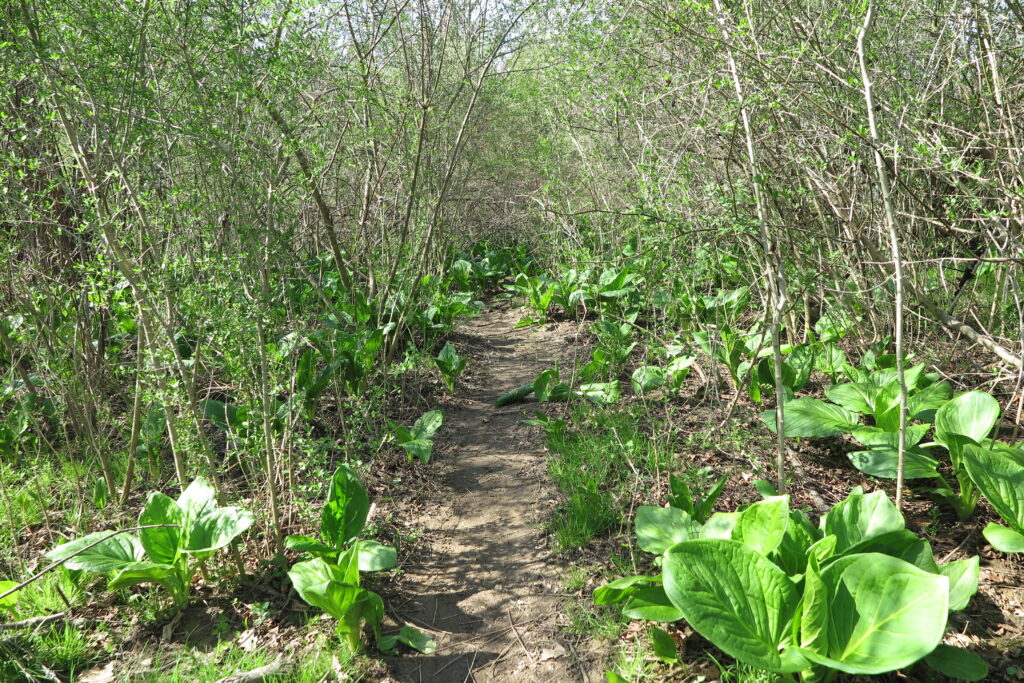
Primary Habitat: Forested Wetlands
Secondary Habitat: Swamps, Floodplains, Stream Corridors, and Seeps
Soil Type: Organic-Rich, Silty, and Loamy Soils
Soil pH Preference: Slightly Acidic to Neutral
Moisture Level: High to Saturated
Climate Zone: Temperate Regions
Light Requirements: Partial Shade to Full Shade
Eastern Skunk Cabbage Across North American Landscapes
Eastern Skunk Cabbage (Symplocarpus foetidus) is a distinctive native perennial that occupies a broad portion of eastern North America. From southern Canada to portions of the southeastern United States, this species has become closely associated with some of the region’s most water-rich landscapes. Its presence often signals an ecosystem that remains relatively undisturbed and capable of supporting moisture-loving native vegetation.
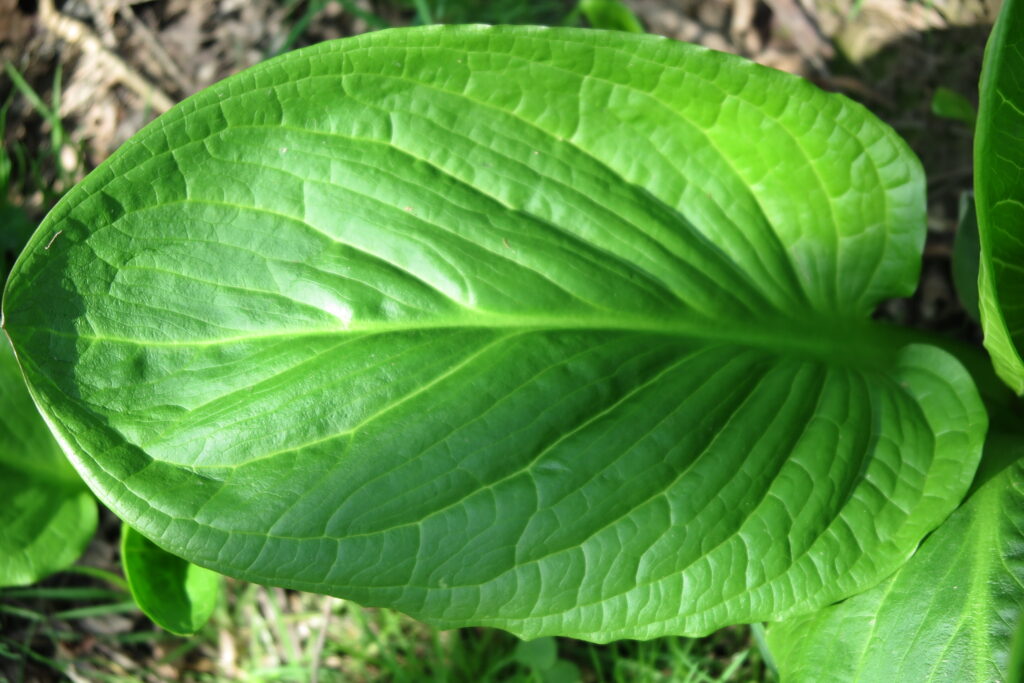
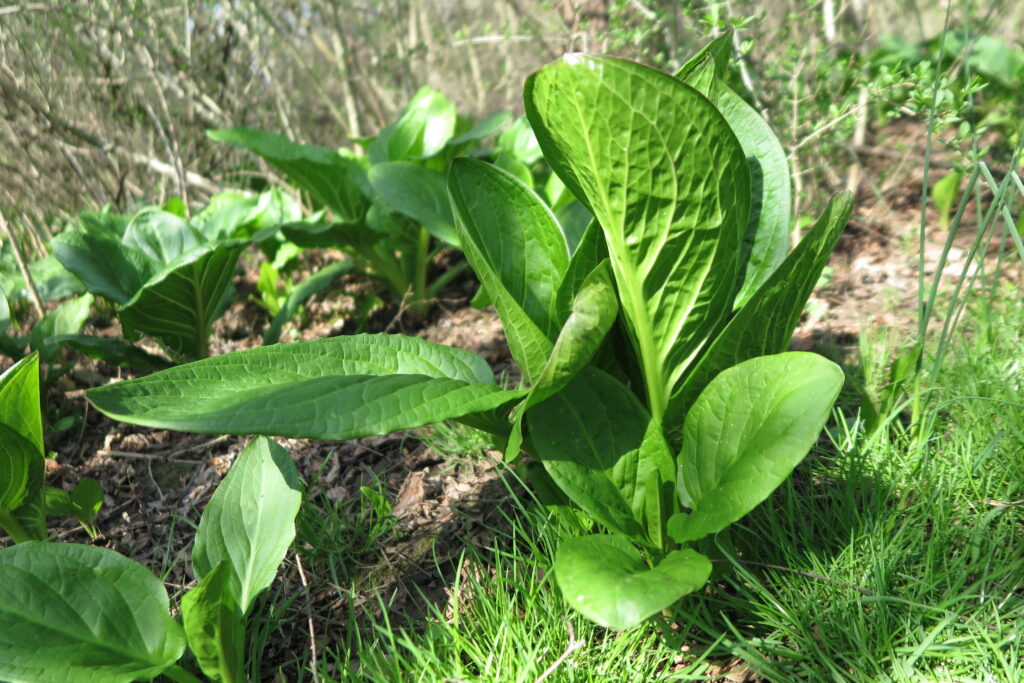
Many people first encounter Eastern Skunk Cabbage while exploring natural areas during late winter or spring. Its large leaves and unusual appearance make it one of the most recognizable native plants found in eastern forests. Across much of its range, it serves as a familiar component of wetland and woodland plant communities.
The species has persisted within these environments for thousands of years, becoming an established part of local ecological systems. Birds, mammals, amphibians, insects, and countless other organisms share the same landscapes where Eastern Skunk Cabbage occurs. As a result, the plant contributes to habitats that support a wide variety of native wildlife.
Although it is common in certain regions, Eastern Skunk Cabbage is not typically found worldwide. Its distribution remains concentrated within eastern North America, where climate and environmental conditions closely match its ecological requirements. This relatively focused range gives the species a strong connection to the forests and wetlands of the continent’s eastern half.
Eastern Skunk Cabbage Range and Distribution Patterns
Eastern Skunk Cabbage occupies one of the broadest native ranges among eastern North American wetland plants. Populations extend from Nova Scotia and Quebec southward through New England, the Great Lakes region, the Appalachian Mountains, and portions of the southeastern United States. This distribution allows the species to occur across numerous states and provinces.
Despite this extensive range, Eastern Skunk Cabbage remains closely tied to specific ecological regions. It is most abundant in landscapes where reliable moisture is available throughout much of the year. Areas lacking these conditions generally support fewer populations or none at all.
Compared to certain wetland plants that are restricted to small geographic pockets, Eastern Skunk Cabbage demonstrates greater regional flexibility. It can be encountered across thousands of miles of eastern North America while still maintaining a recognizable appearance and ecological role. This broad distribution contributes to its status as one of the continent’s most familiar native wetland plants.
The species is especially common throughout the northeastern United States and southern Canada. Here, environmental conditions align particularly well with its requirements, allowing populations to become extensive in suitable locations. Large colonies are often encountered within protected forests, nature preserves, and mature woodland systems.
While widespread within eastern North America, the plant remains absent from large portions of the western continent. This contrast highlights the importance of regional climate patterns and landscape characteristics in shaping its distribution. Eastern Skunk Cabbage is therefore widespread within its range but not universally distributed across North America as a whole.
Common Growing Environments of Eastern Skunk Cabbage
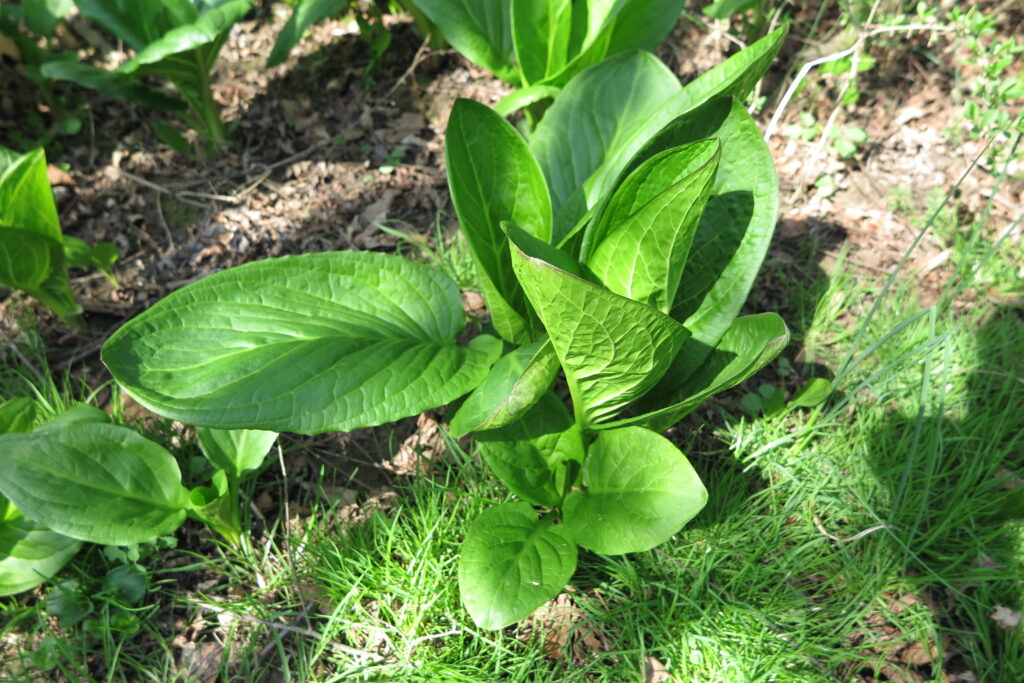
Forested wetlands represent the classic environment associated with Eastern Skunk Cabbage. In these locations, the plant often grows beneath mature trees where moisture remains abundant and environmental conditions stay relatively stable throughout the year. Large leaves frequently emerge among other wetland vegetation, creating highly recognizable patches.
Swamps provide another important setting for the species. These environments often contain standing water, organic soils, and dense vegetation that support a variety of moisture-dependent plants. Eastern Skunk Cabbage commonly occupies openings within these landscapes where sufficient space allows its broad foliage to develop fully.
Floodplains and stream corridors also support substantial populations. Seasonal flooding helps maintain moist conditions while depositing nutrients that enrich the soil. In these areas, the plant may occur alongside sedges, ferns, shrubs, and other native species adapted to periodically wet environments.
The species frequently thrives near groundwater seeps and springs. These locations provide a reliable source of moisture even during periods when surrounding areas become drier. Such environments often support lush vegetation and create ideal conditions for Eastern Skunk Cabbage establishment.
Variation exists even within suitable habitats. Some populations develop beneath dense forest canopies, while others occupy more open woodland edges where filtered sunlight reaches the ground. This flexibility allows the species to occur across a range of wet environments without becoming confined to a single habitat type.
Environmental Conditions That Support Eastern Skunk Cabbage
Moisture is the defining environmental requirement for Eastern Skunk Cabbage. The plant performs best in soils that remain consistently damp or saturated for much of the year. Dry uplands and drought-prone landscapes rarely provide conditions suitable for long-term establishment.
The preferred soil is typically rich in organic material. Decaying leaves, woody debris, and accumulated plant matter create nutrient-rich substrates capable of retaining moisture effectively. Walking through these environments often reveals soft, dark soil similar to that found on productive forest floors.
Temperature patterns within temperate climates also contribute to habitat suitability. Regions with distinct seasonal changes provide the environmental rhythm that Eastern Skunk Cabbage has adapted to over time. Winters, springs, summers, and autumns each play a role in shaping the ecosystems where the species occurs.
Terrain often influences where populations develop. Low-lying depressions, floodplain terraces, seepage slopes, and shallow valleys commonly provide favorable conditions. These locations naturally collect water and maintain moisture levels higher than surrounding uplands, creating ideal growing environments.
The surrounding plant community offers additional clues to suitable habitat. Ferns, mosses, sedges, shrubs, and moisture-loving trees frequently occur alongside Eastern Skunk Cabbage. A useful comparison is a natural sponge-like ecosystem where water is continually available and vegetation remains lush. Within these environments, Eastern Skunk Cabbage finds the combination of moisture, soil quality, climate, and landscape structure necessary for long-term success.
Popular Searches About Skunk Cabbage
Explore Skunk Cabbage Guide
Explore More Plants

Support Encounters World
Help support wildlife photography and get behind the scenes discoveries on Patreon.