Eastern Skunk Cabbage Pollinator Guide: Pollinators, Flower Visitors, and Pollination Strategies
Quick Facts
Primary Pollinators: Flies and Beetles
Secondary Pollinators: Small Bees and Other Insects
Pollination Method: Insect Pollination
Flowering Season: Late Winter to Early Spring
Pollinator Attraction: Heat, Scent, and Shelter
Flower Structure: Spathe and Spadix
Unique Pollination Trait: Produces Heat During Flowering
Eastern Skunk Cabbage and Its Early-Season Pollinators
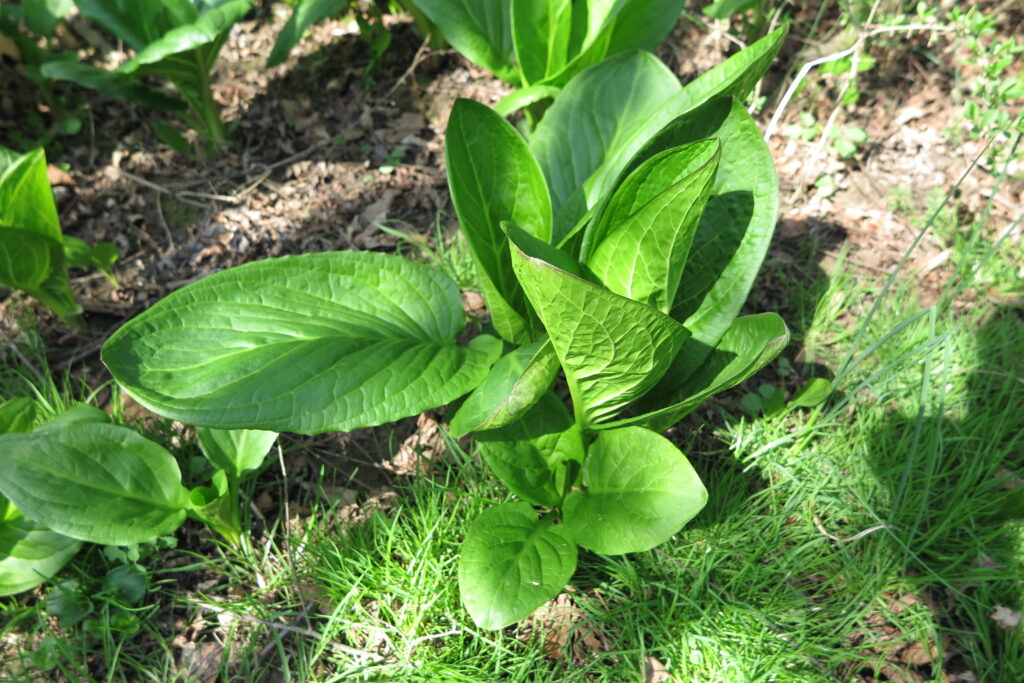
While many flowering plants depend on pollinators during the warmth of spring and summer, Eastern Skunk Cabbage (Symplocarpus foetidus) operates on an entirely different schedule. Its flowers often appear when winter conditions still linger across the landscape, creating a unique challenge for successful pollination. Despite these harsh conditions, the species has evolved an effective strategy for attracting insect visitors.
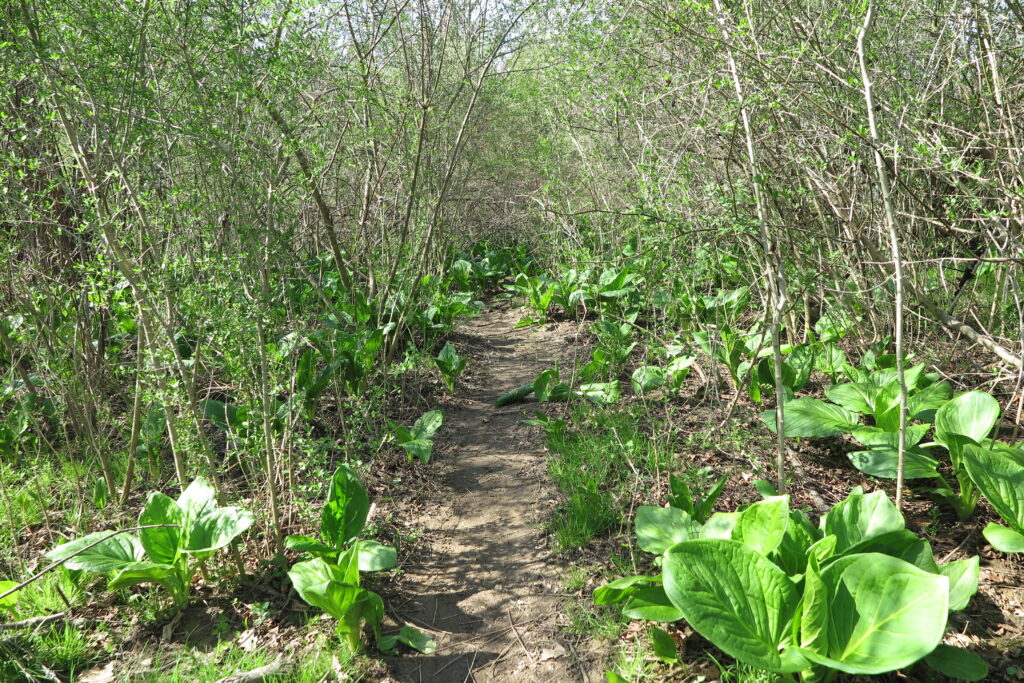
Eastern Skunk Cabbage is native to eastern North America and occurs throughout forests, wetlands, floodplains, and swampy landscapes. Across this broad range, pollination remains one of the most important stages of the plant’s annual cycle. Without successful insect visitation, seed production would be greatly reduced and long-term population stability could be affected.
Unlike brightly colored wildflowers that bloom during periods of peak insect activity, Eastern Skunk Cabbage must attract pollinators when relatively few insects are available. This challenge has led to the evolution of specialized adaptations that make the plant highly noticeable to the insects that are active during late winter and early spring.
For naturalists, the relationship between Eastern Skunk Cabbage and its pollinators offers a fascinating example of ecological timing. The plant and its insect visitors have developed a seasonal partnership that begins long before most flowering plants emerge. This unusual interaction helps explain why Eastern Skunk Cabbage remains one of the most distinctive native plants in North America.
Eastern Skunk Cabbage's Primary Pollinators
Flies are considered the most important pollinators of Eastern Skunk Cabbage. Several species become active during brief periods of favorable weather in late winter and early spring. These insects are naturally attracted to environments that provide warmth, shelter, and odors associated with decaying organic material.
The flower’s scent plays a major role in attracting these visitors. While many flowering plants rely on sweet fragrances, Eastern Skunk Cabbage produces an odor that appeals to flies seeking food sources or egg-laying locations. Although humans often find the smell unpleasant, it serves as an effective communication signal for certain insects.
Beetles also contribute to pollination. These insects frequently enter the flower chamber while searching for warmth or protection from cold weather. As they move around inside the flower, pollen can be transferred between reproductive structures, supporting successful fertilization.
Occasional visits from small bees and other insects may occur as temperatures become more favorable. However, these visitors generally play a secondary role compared to flies and beetles. The plant’s pollination strategy is primarily designed around insects capable of functioning during colder periods of the year.
A useful comparison is a business that caters to a specialized group of customers rather than a broad audience. Eastern Skunk Cabbage focuses on attracting the insects most likely to be active during its flowering period, maximizing pollination opportunities when few alternatives exist.
How Eastern Skunk Cabbage Attracts Pollinators
One of the plant’s most remarkable pollinator adaptations is thermogenesis. The flower produces heat through metabolic activity, creating temperatures noticeably warmer than the surrounding environment. This warmth provides a valuable resource for insects navigating cold seasonal conditions.
The heated flower functions almost like a miniature shelter within the forest. Insects entering the flower chamber encounter a more comfortable environment than the surrounding landscape. During periods of cold weather, this warmth can make the flower particularly attractive to potential pollinators.
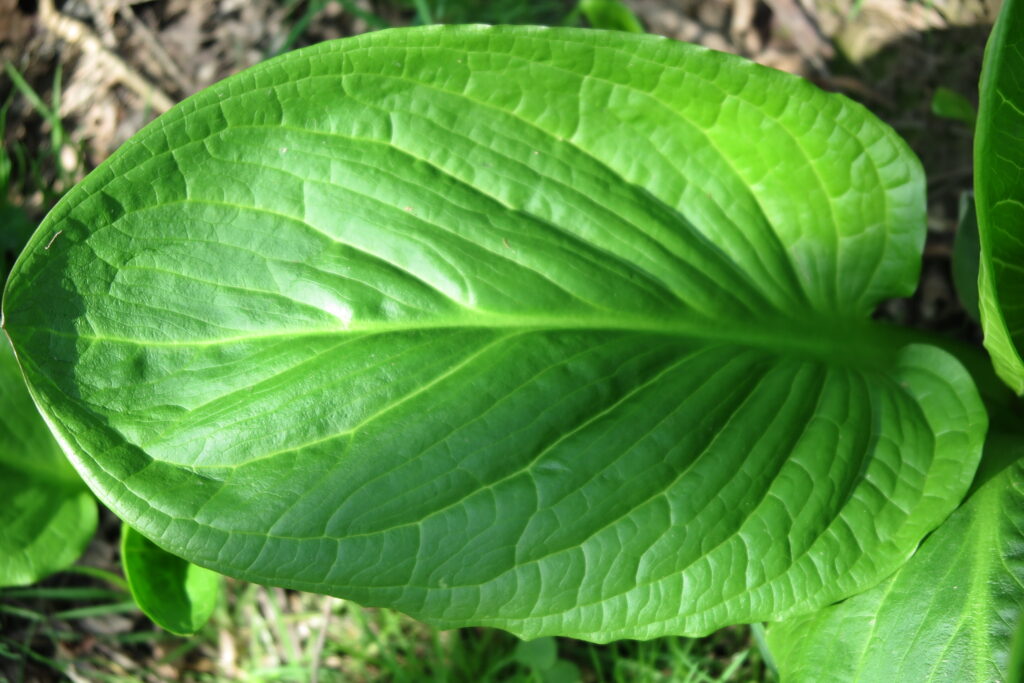
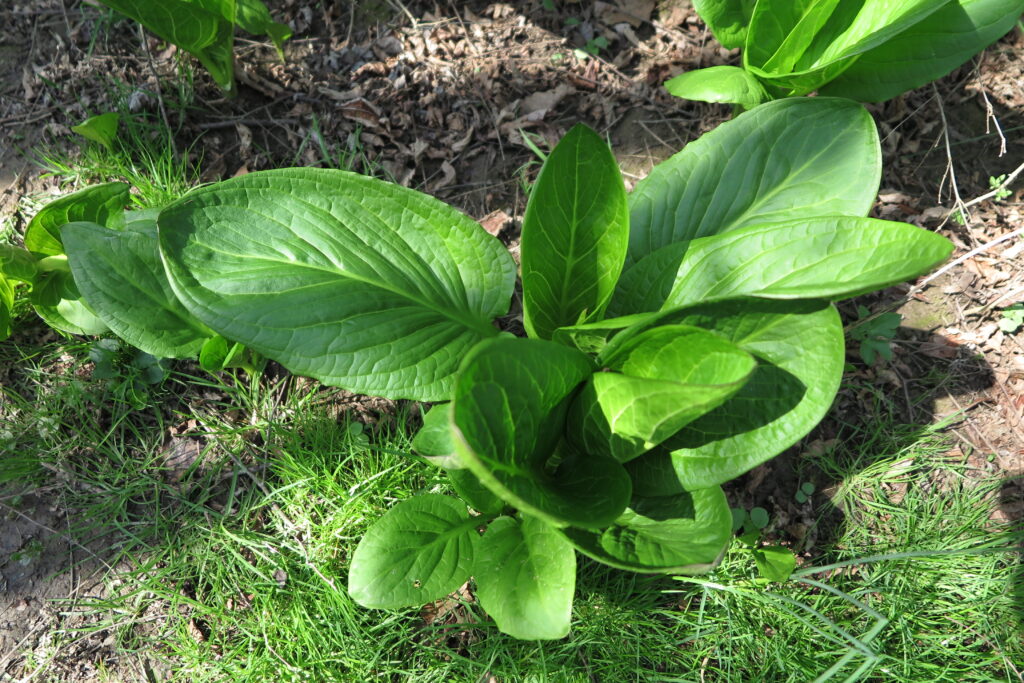
The hooded spathe surrounding the flower offers additional benefits. This protective structure creates a sheltered space where insects can remain protected from wind, precipitation, and fluctuating temperatures. The combination of warmth and physical protection increases the likelihood of extended visits.
Scent serves as another critical attraction mechanism. Odors released by the flower help insects locate it even when visual cues remain limited. Together, heat, scent, and shelter create a highly effective system that guides pollinators toward the reproductive structures.
A useful comparison is a heated cabin on a cold winter day. Travelers naturally gravitate toward warmth and protection when conditions become uncomfortable. Eastern Skunk Cabbage creates a similar attraction for insects by providing resources that are scarce during the flowering season.
Pollination Success and Ecological Importance
Successful pollination allows Eastern Skunk Cabbage to produce seeds that contribute to future generations. Once pollen transfer occurs, fertilization leads to seed development within structures located near the base of the plant. These seeds eventually help maintain populations across the species’ native range.
The plant’s pollination strategy demonstrates how specialization can improve reproductive success. Rather than competing directly with the thousands of flowers that bloom later in spring, Eastern Skunk Cabbage occupies a unique seasonal window. This timing reduces competition for pollinator attention and increases the effectiveness of its adaptations.
The relationship between the plant and its pollinators also supports broader ecological interactions. Early-season insects gain access to warmth, shelter, and floral resources at a time when these necessities may be difficult to find. In return, the insects assist with pollen movement and seed production.
A useful comparison is a mutually beneficial partnership in which both participants gain important advantages. Pollinators receive resources that support survival, while the plant gains reproductive assistance. This exchange highlights the interconnected nature of forest and wetland ecosystems.
Eastern Skunk Cabbage provides one of the most fascinating examples of early-season pollination in North America. Through the combined use of thermogenesis, scent production, protective flower structures, and specialized insect relationships, the species has developed an effective strategy for reproduction during one of the coldest periods of the year. Its pollinators are not merely visitors—they are essential partners in the continuation of one of North America’s most extraordinary native plants.
Popular Searches About Skunk Cabbage
Explore Skunk Cabbage Guide
Explore More Plants

Support Encounters World
Help support wildlife photography and get behind the scenes discoveries on Patreon.