Eastern Skunk Cabbage Adaptations Guide: Unique Survival Features and Environmental Advantages
Quick Facts
Primary Adaptation: Thermogenesis (Heat Production)
Cold Weather Strategy: Early Seasonal Activity
Root Adaptation: Deep Contractile Root System
Pollinator Attraction: Heat and Scent Production
Water Tolerance: Excellent
Shade Tolerance: High
Notable Survival Trait: Can Flower While Snow Is Present
Eastern Skunk Cabbage Survival Strategies in North America
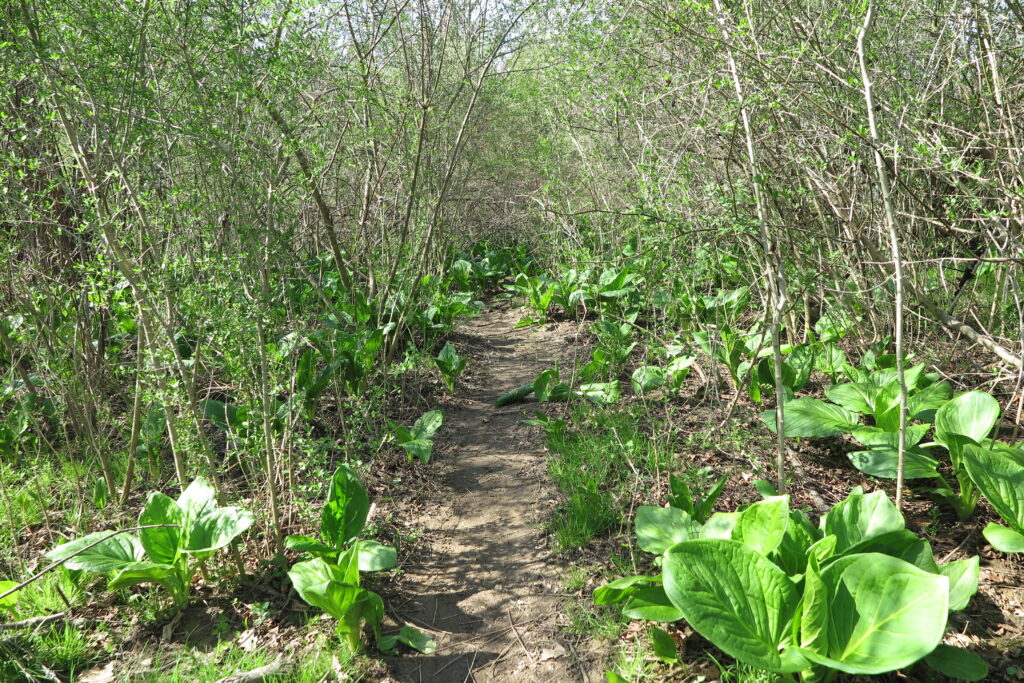
Few native plants possess a collection of adaptations as unusual as those found in Eastern Skunk Cabbage (Symplocarpus foetidus). Across forests, wetlands, and floodplain landscapes of eastern North America, this species has developed specialized traits that allow it to survive conditions that challenge many other plants. These adaptations help explain why the species has remained successful for thousands of years.
Seasonal weather patterns across its range can be unpredictable. Late frosts, saturated soils, fluctuating water levels, and extended periods of shade create difficult conditions for plant growth. Eastern Skunk Cabbage has evolved mechanisms that allow it to function effectively despite these environmental pressures.
Rather than relying on a single survival feature, the species benefits from several complementary adaptations. Each trait contributes to a different aspect of survival, from acquiring resources to protecting reproductive structures. Together, they create a highly specialized plant capable of thriving in demanding habitats.
Naturalists often focus on the plant’s unusual flowers or giant leaves, but these visible characteristics represent only part of the story. Hidden beneath the surface are structural and physiological adaptations that play equally important roles. Understanding these features provides a deeper appreciation for one of North America’s most remarkable native plants.
Eastern Skunk Cabbage Thermogenesis and Cold Weather Adaptations
The most famous adaptation of Eastern Skunk Cabbage is thermogenesis, the ability to generate heat within its flowering structures. While most plants depend entirely on surrounding temperatures, this species actively produces warmth during the flowering period. The process allows reproductive activity to occur much earlier than would otherwise be possible.
Heat production takes place primarily within the spadix, a rounded structure located inside the flower chamber. Through intense metabolic activity, the plant generates temperatures significantly warmer than the surrounding air. This localized warming creates a more favorable environment for delicate reproductive tissues.
One major advantage of thermogenesis is protection from freezing conditions. Flowers may emerge during periods when snow remains on the ground and nighttime temperatures regularly drop below freezing. By generating internal heat, the plant reduces the risk of cold-related damage during a critical stage of development.
A useful comparison is a greenhouse heater operating during winter. While outside conditions remain harsh, the interior stays warm enough for important biological processes to continue. Eastern Skunk Cabbage uses a similar strategy, allowing it to begin flowering long before many neighboring plants become active.
Eastern Skunk Cabbage Structural Adaptations for Wet Environments
The root system of Eastern Skunk Cabbage is designed to anchor the plant securely in soft, water-rich soils. Thick roots penetrate deeply into the ground, providing stability even when seasonal flooding or saturated conditions affect the surrounding landscape. This extensive support system helps mature plants remain firmly established for decades.
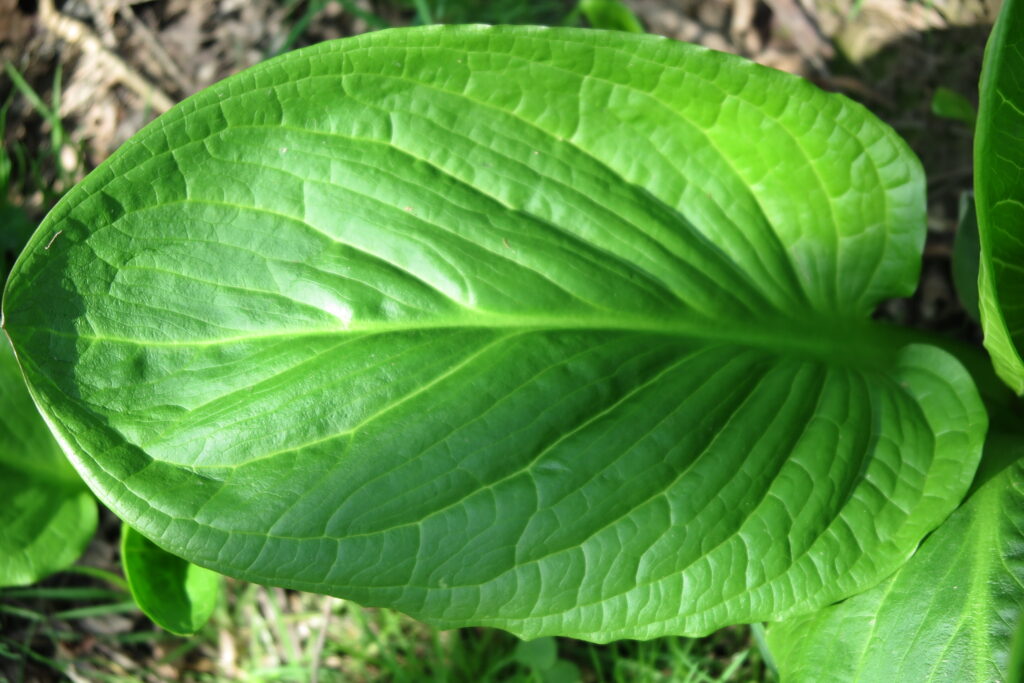
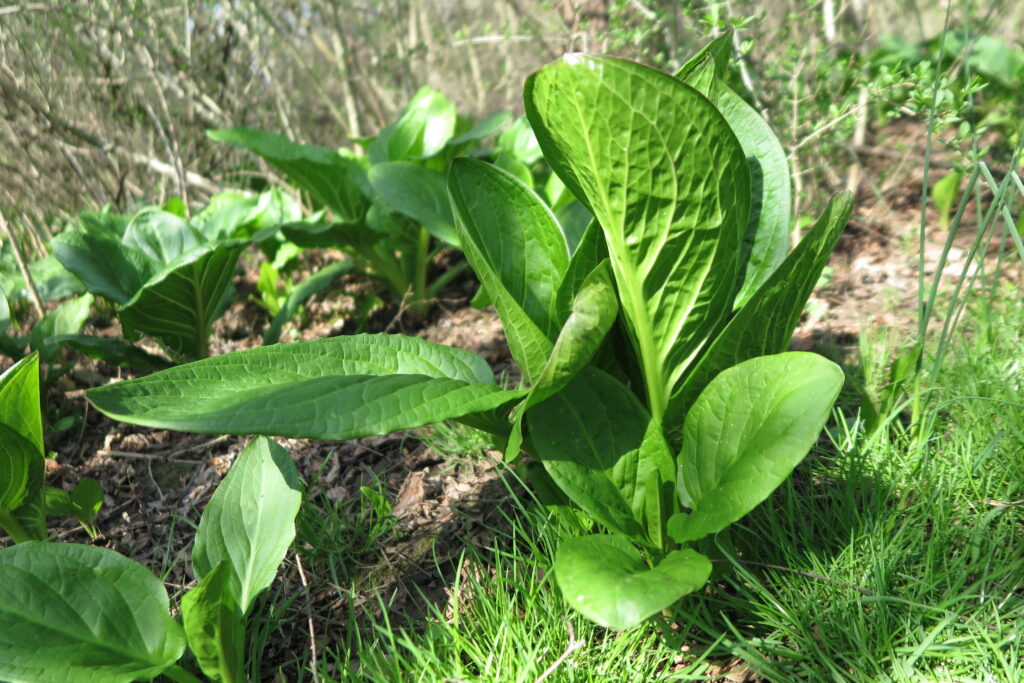
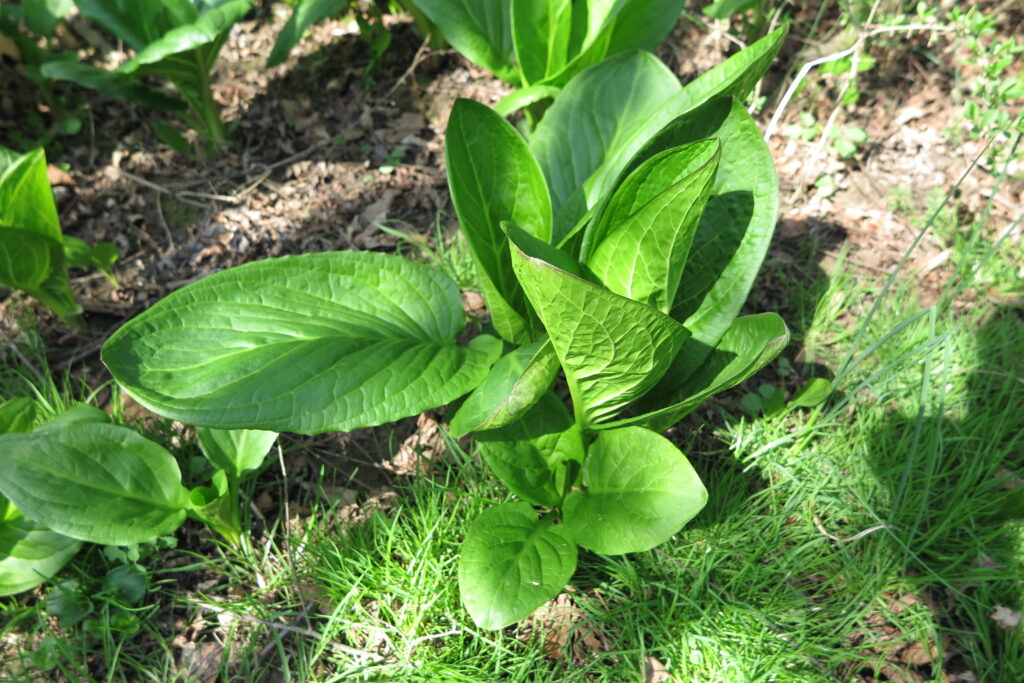
Large leaves represent another important adaptation. Their broad surfaces capture available sunlight efficiently, particularly during early portions of the growing season. Before trees fully leaf out, these oversized leaves can gather substantial amounts of energy for growth and maintenance.
The foliage itself is thick and durable. Unlike delicate woodland plants that may be easily damaged, Eastern Skunk Cabbage leaves are built to withstand environmental stress. Their sturdy construction allows them to remain functional throughout much of the growing season.
A useful comparison is a collection of solar panels supported by a strong foundation. The roots provide stability while the leaves maximize energy collection. Together, these structural features allow the plant to function effectively in challenging environments where moisture and shade are constant factors.
Eastern Skunk Cabbage Pollination and Seasonal Timing Adaptations
Eastern Skunk Cabbage has evolved a flowering schedule that gives it a significant ecological advantage. By blooming exceptionally early in the year, the species encounters far less competition from other flowering plants. Pollinators searching for resources have relatively few alternatives available during this period.
The plant’s distinctive odor contributes to its pollination strategy. While many flowers attract insects through sweet fragrances, Eastern Skunk Cabbage produces scents that appeal to flies, beetles, and other early-season visitors. These insects help transfer pollen between flowers and support successful reproduction.
The hooded spathe surrounding the flower cluster provides additional benefits. This protective chamber shields reproductive structures from harsh weather while creating a sheltered space for visiting insects. The enclosed design helps maintain favorable conditions during unpredictable late-winter and early-spring weather.
A useful comparison is a business opening before competitors while also providing services unavailable elsewhere. Eastern Skunk Cabbage gains access to pollinators through timing, scent, warmth, and shelter. These adaptations work together to improve reproductive success and help ensure the species remains a lasting component of eastern North American ecosystems.
Popular Searches About Skunk Cabbage
Explore Skunk Cabbage Guide
Explore More Plants

Support Encounters World
Help support wildlife photography and get behind the scenes discoveries on Patreon.