Eastern Skunk Cabbage Toxicity Guide: Is It Poisonous to Humans, Pets, and Wildlife?
Quick Facts
Toxicity Level: Moderately Toxic
Toxic Parts: Entire Plant
Primary Toxic Compounds: Calcium Oxalate Crystals
Human Risk: Skin, Mouth, and Digestive Irritation
Pet Risk: Toxic if Consumed
Livestock Risk: Potentially Harmful in Large Quantities
Safe for Consumption: No
Understanding Eastern Skunk Cabbage Toxicity
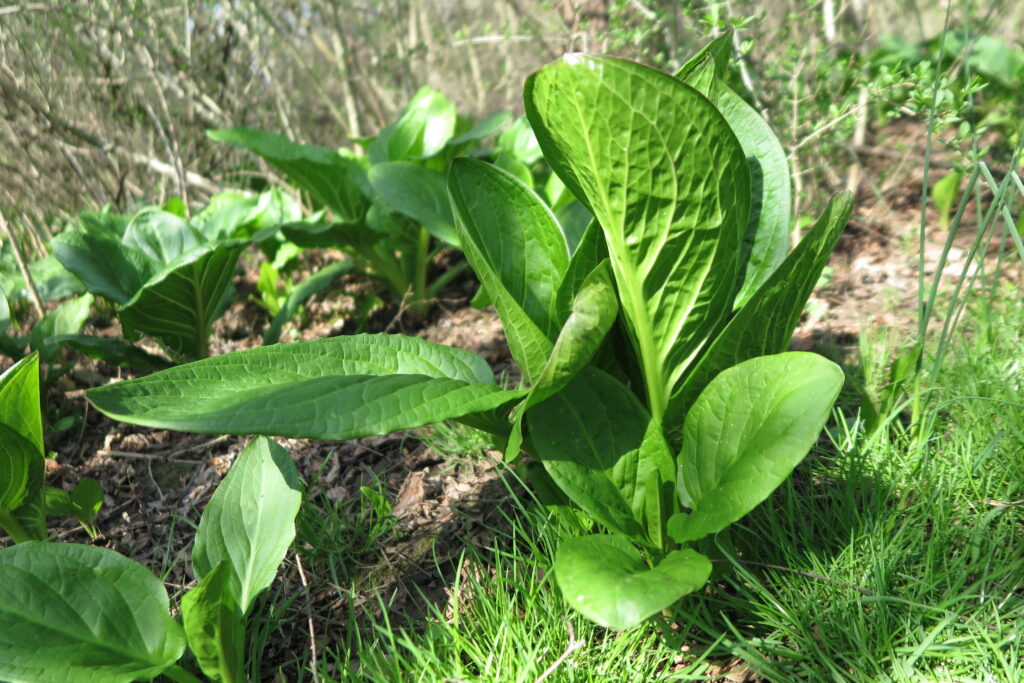
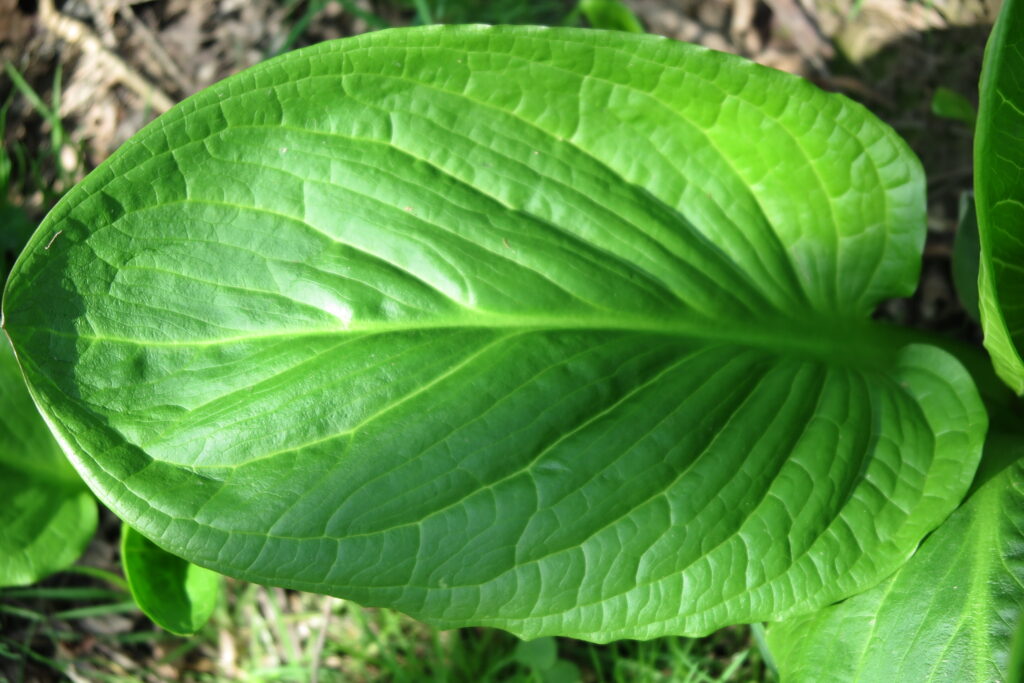
Eastern Skunk Cabbage (Symplocarpus foetidus) is one of the most recognizable native wetland plants in eastern North America. Its massive leaves and unusual flowers attract hikers, photographers, and naturalists throughout much of the year. While its appearance may seem harmless, the plant contains compounds that can cause irritation and toxicity when handled improperly or consumed.
Many native plants possess chemical defenses that help discourage herbivores from feeding on them. Eastern Skunk Cabbage follows this pattern by producing substances that make the plant unpleasant and potentially harmful to eat. These natural defenses increase the plant’s chances of survival while reducing damage from animals.
Questions about toxicity frequently arise because the species is common in public parks, nature preserves, wetlands, and forested landscapes. Children, pet owners, and foragers often wonder whether the plant is safe to touch or consume. Understanding its toxicity helps prevent accidental exposure and allows people to appreciate the species safely.
Although severe poisoning is relatively uncommon, Eastern Skunk Cabbage should not be considered edible or harmless. Most problems occur when plant tissues are chewed, swallowed, or handled extensively. Knowledge of the plant’s toxic properties is therefore an important part of responsible identification and outdoor safety.
Toxic Compounds Found in Eastern Skunk Cabbage
The primary toxic component in Eastern Skunk Cabbage is calcium oxalate. These compounds occur as microscopic crystal-like structures within the plant’s tissues. When damaged or consumed, the crystals can cause irritation by penetrating sensitive tissues in the mouth, throat, and digestive tract.
A useful comparison is handling tiny shards of glass. While calcium oxalate crystals are not actually glass, they create a similar mechanical irritation when they come into contact with soft tissues. This irritation is responsible for many of the symptoms associated with exposure.
The concentration of these crystals occurs throughout much of the plant. Leaves, stems, roots, and reproductive structures all contain compounds capable of causing discomfort. As a result, no part of the plant should be considered safe for casual consumption.
These natural defenses serve an ecological purpose. By making the plant unpleasant to eat, Eastern Skunk Cabbage reduces the likelihood of extensive browsing by herbivores. The strategy is similar to the defenses employed by numerous other members of the arum family.
In addition to physical irritation, ingestion may trigger secondary symptoms associated with digestive upset. The severity depends on the amount consumed and the size of the individual exposed. Larger exposures generally create a greater risk of adverse reactions.
Toxicity Risks to Humans, Pets, and Animals
For humans, accidental ingestion is the most common concern. Chewing fresh plant material may result in an immediate burning sensation within the mouth. Irritation can extend to the lips, tongue, throat, and digestive system depending on the amount consumed.
Symptoms may include swelling, pain, excessive salivation, nausea, stomach discomfort, and vomiting. In most cases, severe poisoning is uncommon because the unpleasant sensation discourages people from continuing to eat the plant. The body’s natural reaction often limits exposure before large quantities are consumed.
Dogs and cats face similar risks. Curious pets occasionally chew unfamiliar plants while exploring outdoors. If Eastern Skunk Cabbage is consumed, symptoms may include drooling, pawing at the mouth, vomiting, reduced appetite, and signs of oral discomfort.
Livestock generally avoid the species because of its unpleasant taste and irritating compounds. However, accidental consumption may occur when preferred forage is limited. Larger animals can experience digestive irritation and other symptoms if significant amounts are eaten.
Wildlife interactions tend to differ from those of domestic animals. Many native species have learned to avoid consuming large quantities of the plant. This behavioral avoidance further enhances the effectiveness of the plant’s natural defense system.
Safety Tips and Toxicity Prevention
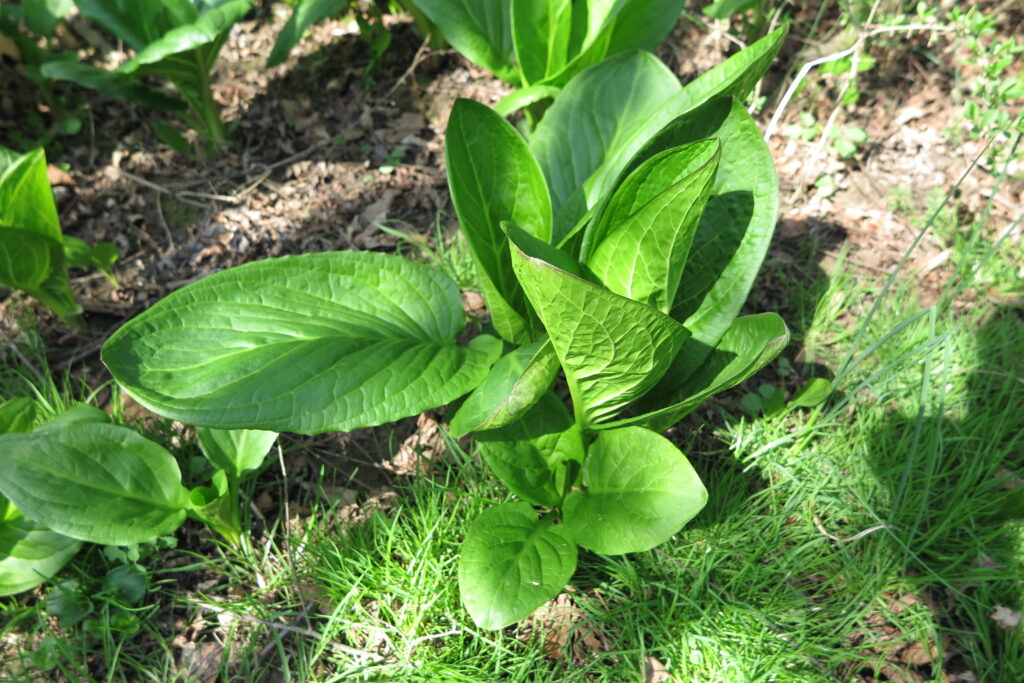
Proper identification is the most effective way to prevent accidental exposure. Learning to recognize Eastern Skunk Cabbage allows hikers, gardeners, and outdoor enthusiasts to avoid unnecessary contact with plant tissues. The species is distinctive enough that identification becomes relatively easy with experience.
When handling the plant for educational purposes or management activities, gloves provide an additional layer of protection. Although casual contact with intact leaves rarely causes serious problems, gloves help minimize the risk of irritation and prevent accidental transfer of plant material to the face.
Pet owners should discourage animals from chewing unfamiliar vegetation during walks or outdoor activities. Most pets quickly reject Eastern Skunk Cabbage due to its unpleasant taste, but supervision remains the safest approach. Early intervention can prevent larger exposures and reduce the likelihood of symptoms.
Foragers should exercise particular caution because Eastern Skunk Cabbage may grow alongside edible native species. Careful identification is essential before collecting any wild plants. The presence of large leaves should never be used as the sole indicator of an edible species.
Eastern Skunk Cabbage is an important native plant with fascinating adaptations, but it should not be treated as a food source. Calcium oxalate crystals make the entire plant potentially toxic to humans, pets, and livestock. By understanding these risks and practicing proper identification, people can safely enjoy observing this remarkable species while avoiding unnecessary exposure.
Popular Searches About Skunk Cabbage
Explore Skunk Cabbage Guide
Explore More Plants

Support Encounters World
Help support wildlife photography and get behind the scenes discoveries on Patreon.