Eastern Skunk Cabbage Uses Guide: Historical Uses, Traditional Applications, and Ecological Importance
Quick Facts
Primary Historical Use: Traditional Medicinal Applications
Modern Culinary Use: Not Recommended
Wildlife Value: Provides Early-Season Resources
Indigenous Uses: Documented by Several Native American Groups
Commercial Use: Very Limited
Toxicity Consideration: Contains Calcium Oxalate Crystals
Most Important Modern Use: Ecological and Educational Value
Eastern Skunk Cabbage and Its Historical Significance
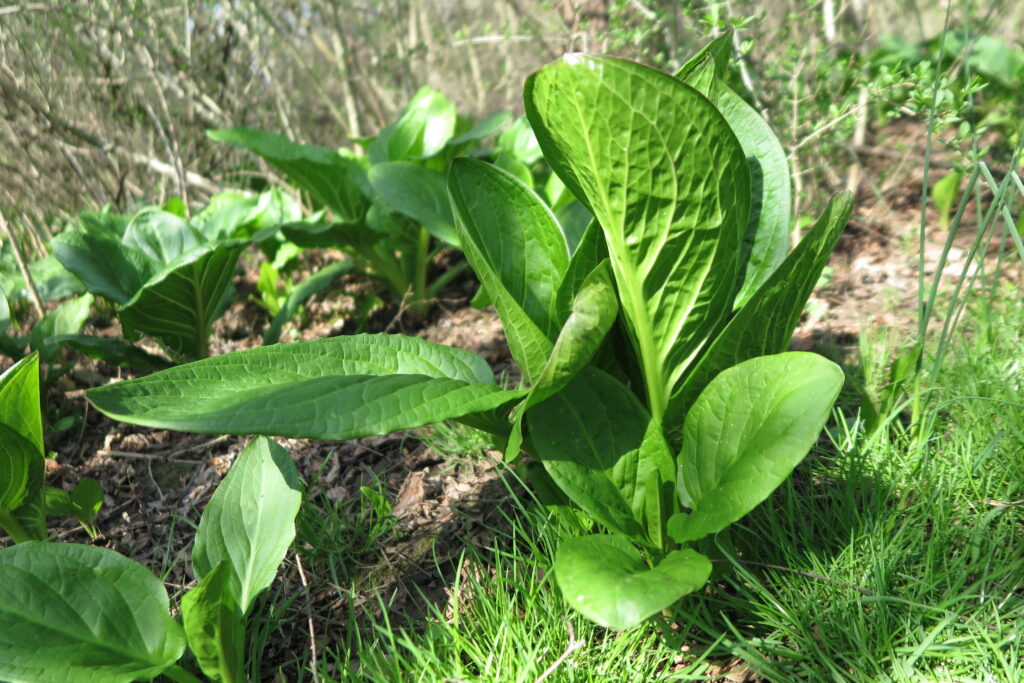
Eastern Skunk Cabbage (Symplocarpus foetidus) is often recognized for its unusual flowers, large leaves, and remarkable ability to generate heat. Beyond these distinctive traits, the plant also possesses a long history of interaction with people. For centuries, Indigenous communities, naturalists, and early settlers observed the species and found various ways to utilize it despite its challenging characteristics.
Throughout eastern North America, the plant became a familiar component of wetland and woodland landscapes. Its predictable appearance each year made it one of the earliest signs of seasonal change. As a result, many communities developed knowledge about its properties and potential applications long before modern scientific studies examined the species.
Unlike plants cultivated for food, timber, or fiber, Eastern Skunk Cabbage was never considered a major economic resource. Instead, its uses tended to be specialized and often connected to traditional knowledge. These applications reflected a detailed understanding of the plant’s strengths and limitations.
Today, many people encounter Eastern Skunk Cabbage primarily through nature exploration rather than practical use. Even so, its historical significance remains an important part of the species’ story. Understanding these past applications provides valuable context for appreciating one of North America’s most unusual native plants.
Traditional and Historical Uses of Eastern Skunk Cabbage
Various Indigenous groups across eastern North America developed uses for Eastern Skunk Cabbage long before European settlement. Historical records describe applications involving carefully prepared plant materials for medicinal purposes. These practices were often based on generations of observation and experience.
Roots and underground structures were among the portions most commonly associated with traditional use. In some cases, plant material was dried, processed, or otherwise prepared before use. Such preparation was important because fresh tissues contain irritating compounds that can cause discomfort if handled improperly.
Early settlers also documented certain medicinal applications after learning about the plant from Indigenous communities. Historical accounts mention its use in traditional remedies for respiratory conditions and other ailments. These practices varied by region and cultural tradition, reflecting differences in local knowledge and available resources.
A useful comparison is the way willow bark was used historically before modern medicines were developed. While Eastern Skunk Cabbage never achieved the same level of widespread use, it illustrates how people once relied heavily on native plants to address everyday needs. Historical applications demonstrate the importance of botanical knowledge within traditional societies.
Modern medicine does not generally rely on Eastern Skunk Cabbage for treatment, but its historical role remains an interesting part of North American ethnobotanical history. These traditional uses provide insight into the resourcefulness of people who learned to work with native plants long before modern pharmaceuticals became available.
Ecological Uses and Benefits Within Natural Ecosystems
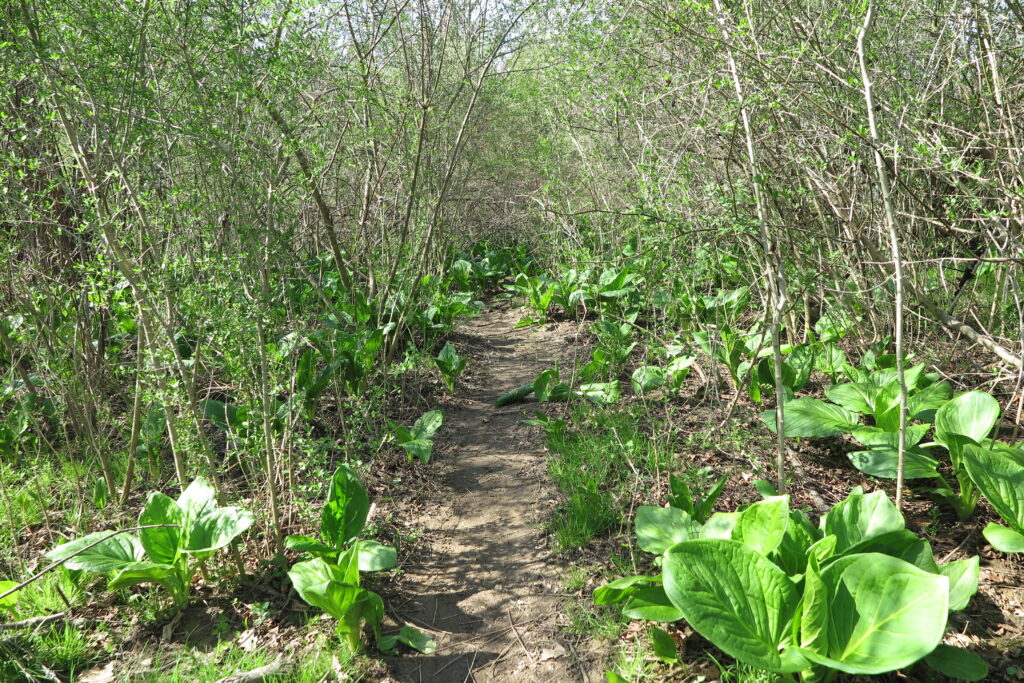
One of the most important modern uses of Eastern Skunk Cabbage is its ecological role. Although the plant is not harvested commercially, it contributes significantly to the functioning of wetland and woodland ecosystems. Numerous organisms benefit directly or indirectly from its presence.
The flowers provide resources for insects during a period when few other plants are actively blooming. Flies, beetles, and other early-season pollinators may visit the flowers in search of warmth, shelter, and reproductive opportunities. These interactions help support ecological relationships that begin before most spring vegetation becomes active.
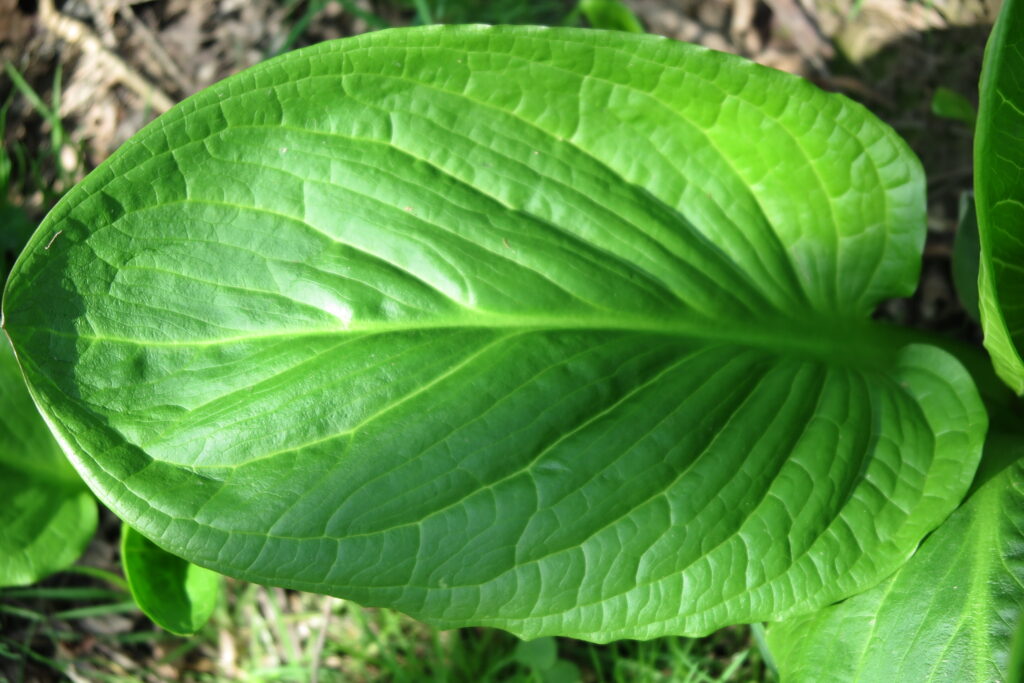
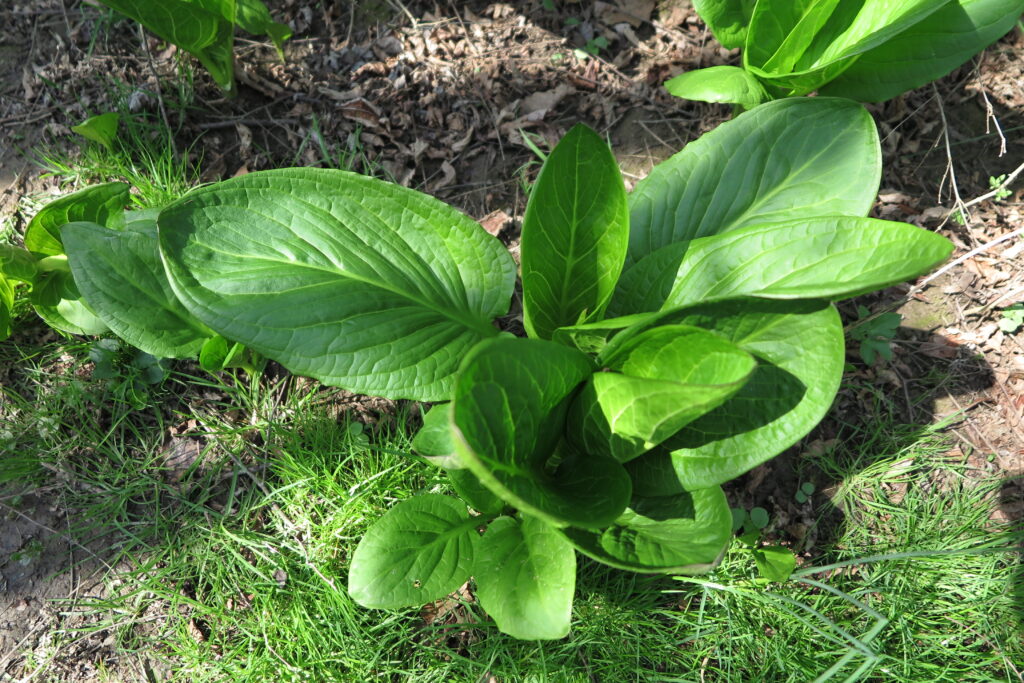
Large leaves also contribute to habitat structure. As the foliage expands, it creates shaded spaces that influence temperature, moisture, and local environmental conditions near the ground. Small animals and invertebrates may use these areas for protection and shelter throughout portions of the growing season.
When leaves eventually die back, they return organic material to the ecosystem. Decaying plant matter contributes nutrients to the soil and supports the natural cycling of resources within forest and wetland environments. This process helps maintain healthy ecological conditions over time.
A useful comparison is the role of a foundational species within a community. While Eastern Skunk Cabbage may not dominate entire ecosystems, it provides resources and influences environmental conditions in ways that support numerous other organisms. Its ecological contributions often exceed what might be expected from a single plant species.
Modern Value, Education, and Conservation Importance
Today, Eastern Skunk Cabbage is valued primarily as a native species rather than as a practical resource. Naturalists, educators, photographers, and conservationists frequently use the plant as an example when discussing plant adaptations, wetlands, and seasonal ecology. Its unusual characteristics make it particularly effective for teaching scientific concepts.
Thermogenesis, the ability to generate heat, attracts considerable attention from students and researchers alike. Few plants possess this capability, making Eastern Skunk Cabbage an important species for illustrating biological adaptation. Its flowers often serve as introductory examples in discussions about plant physiology and evolutionary strategies.
The species also plays a role in environmental education programs focused on wetland conservation. Because Eastern Skunk Cabbage is strongly associated with healthy moisture-rich habitats, its presence can help highlight the importance of protecting these ecosystems. Observing the plant often encourages broader interest in wetland biodiversity.
Photographers and nature enthusiasts value the species for its unique appearance and seasonal timing. The flowers emerging through snow and the massive summer leaves create opportunities for observation that few other native plants provide. These visual qualities contribute to its popularity among outdoor enthusiasts.
Although Eastern Skunk Cabbage is not a major food crop, ornamental plant, or commercial product, its value remains substantial. Historical medicinal applications, ecological contributions, educational significance, and conservation importance all demonstrate the many ways this species benefits people and ecosystems. Its greatest modern use may be helping individuals better understand the remarkable diversity of native North American plants.
Popular Searches About Skunk Cabbage
Explore Skunk Cabbage Guide
Explore More Plants

Support Encounters World
Help support wildlife photography and get behind the scenes discoveries on Patreon.