Eastern Spring Beauty Overview: Identification, Appearance, and Key Characteristics
Quick Facts
Scientific Name: Claytonia virginica
Common Name: Eastern Spring Beauty
Plant Type: Perennial Wildflower
Average Height: 3–12 inches (7–30 cm)
Spread Width: 4–10 inches (10–25 cm)
Leaf Type: Broadleaf
Growth Form: Clumping, Upright
Bloom Color: White to Pale Pink with Pink Veining
Native Range: Eastern North America
Toxicity: Non-toxic to humans & pets
Location Observed: Pennsylvania, USA
Field Observation
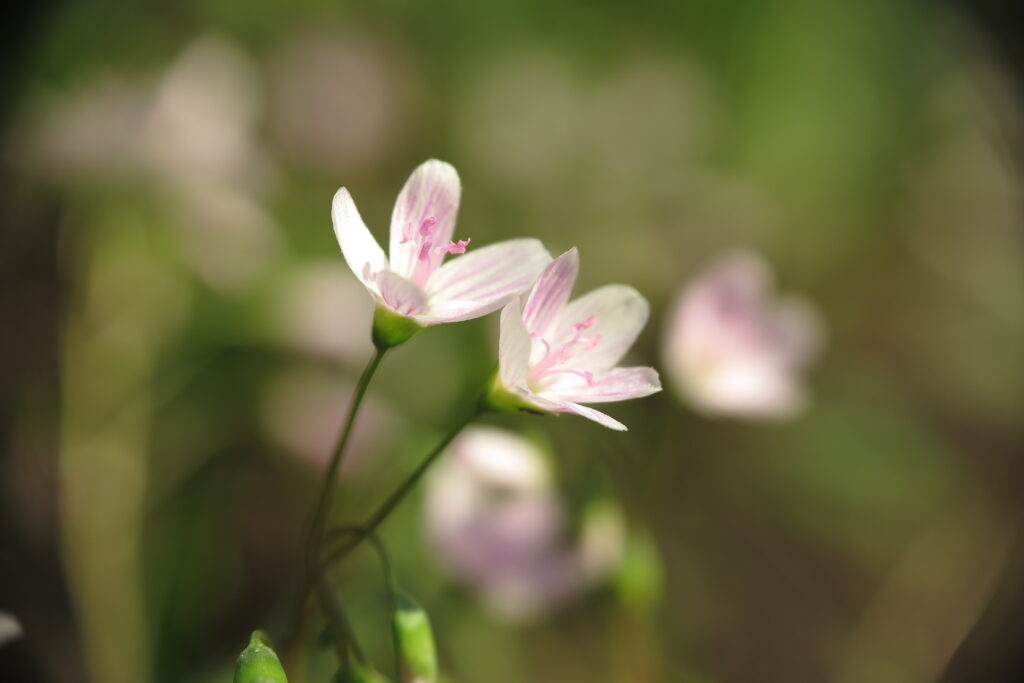
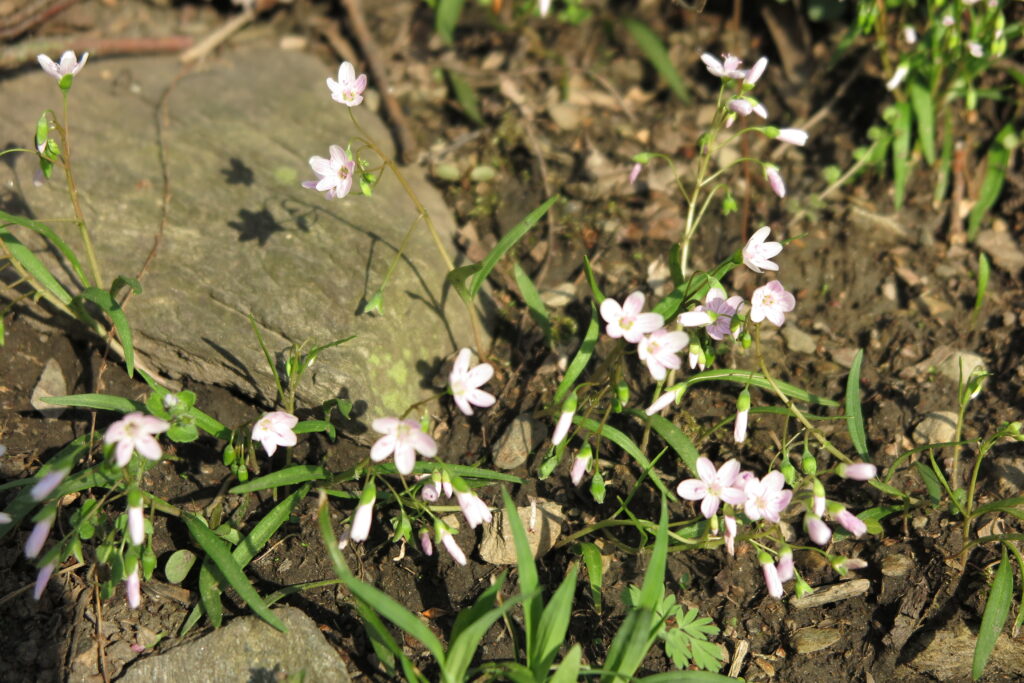
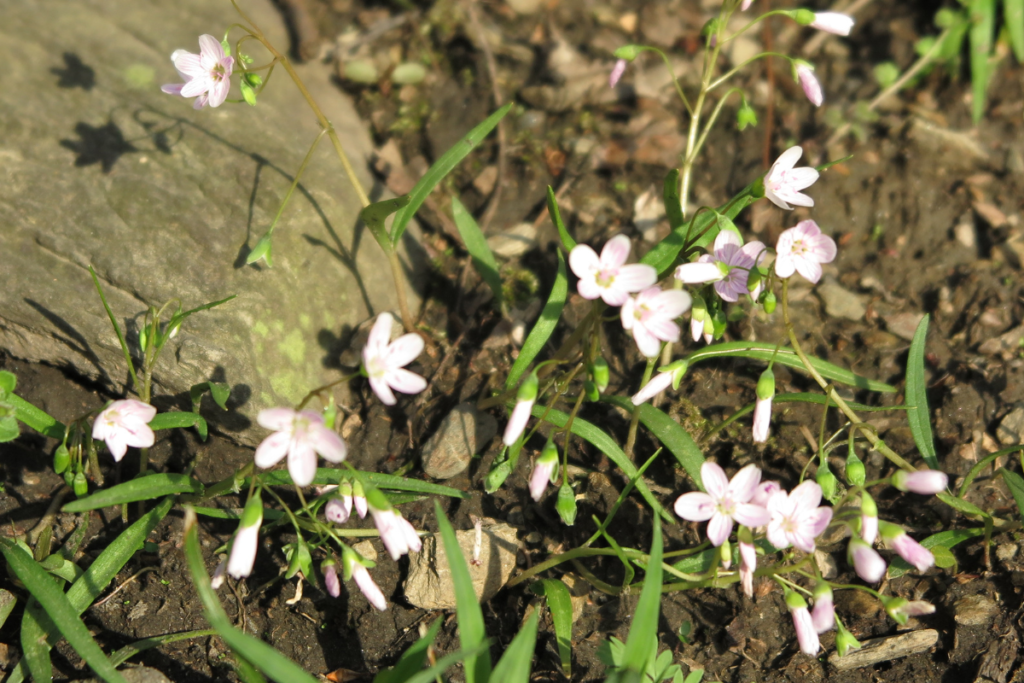
During my observation, I found several patches of Eastern Spring Beauty growing together in small clusters. Each plant rose on a slender stem above the surrounding vegetation, producing delicate pink flowers with darker veins and a noticeable center filled with pollen-producing structures. When viewed as a group, the blooms created a striking display of soft pink color across the forest floor, making them one of the most eye-catching signs of spring.
Introduction to Eastern Spring Beauty Wildflowers
Eastern Spring Beauty is one of the earliest flowering wildflowers to appear across eastern North America. Known scientifically as Claytonia virginica, this delicate perennial emerges during the transition from winter to spring, bringing subtle color to landscapes that are only beginning to awaken from seasonal dormancy. Its small blossoms often appear before many larger wildflowers have even started active growth.
The species is native to a broad portion of eastern North America, ranging from southern Canada through much of the eastern United States. Throughout this range, it has become a familiar sight for hikers, photographers, and native plant enthusiasts who eagerly watch for the first signs of spring. Despite its modest size, Eastern Spring Beauty frequently attracts attention because of its elegant flowers and seasonal timing.
Many people encounter this plant without immediately realizing what it is. Clusters of pale pink flowers may appear scattered across the ground like tiny stars, creating a soft display that stands out against the muted colors of early spring. The blooms often seem almost delicate enough to be artificial, especially when viewed closely.
Eastern Spring Beauty has earned its common name through both its appearance and seasonal arrival. The flowers possess a refined, graceful look, while their emergence signals the beginning of a new growing season. For many naturalists, spotting the first Eastern Spring Beauty flowers marks one of the most anticipated moments of the year.
Eastern Spring Beauty Growth Form and Overall Appearance
Eastern Spring Beauty is a compact perennial that remains relatively small throughout its life. Most plants reach only a few inches in height, creating low clusters that blend naturally into the surrounding vegetation. Although individual plants are modest in size, large groups can create impressive displays when numerous blooms open simultaneously.
The plant produces slender stems that rise above narrow foliage. These stems often appear delicate, yet they are capable of supporting multiple flowers during the blooming period. When viewed from a distance, the flowers seem to float lightly above the ground due to the thinness of the supporting stems.
In natural settings, Eastern Spring Beauty often appears as scattered patches rather than dense masses. Individual plants may grow close together while still maintaining a somewhat airy appearance. This arrangement creates a natural, untamed look that blends beautifully with surrounding vegetation rather than dominating the landscape.
Color plays a significant role in the plant’s appeal. The blossoms range from nearly white to soft pink, with many flowers displaying subtle variations within the same patch. Sunlight often enhances these pastel tones, making the blooms appear brighter and more vibrant during clear spring days.
Across its range, Eastern Spring Beauty remains remarkably consistent in its overall form. While local growing conditions may influence size or flower abundance, the species generally maintains the same graceful structure. This consistency makes it recognizable to observers throughout much of eastern North America.
General Characteristics of Eastern Spring Beauty Plants
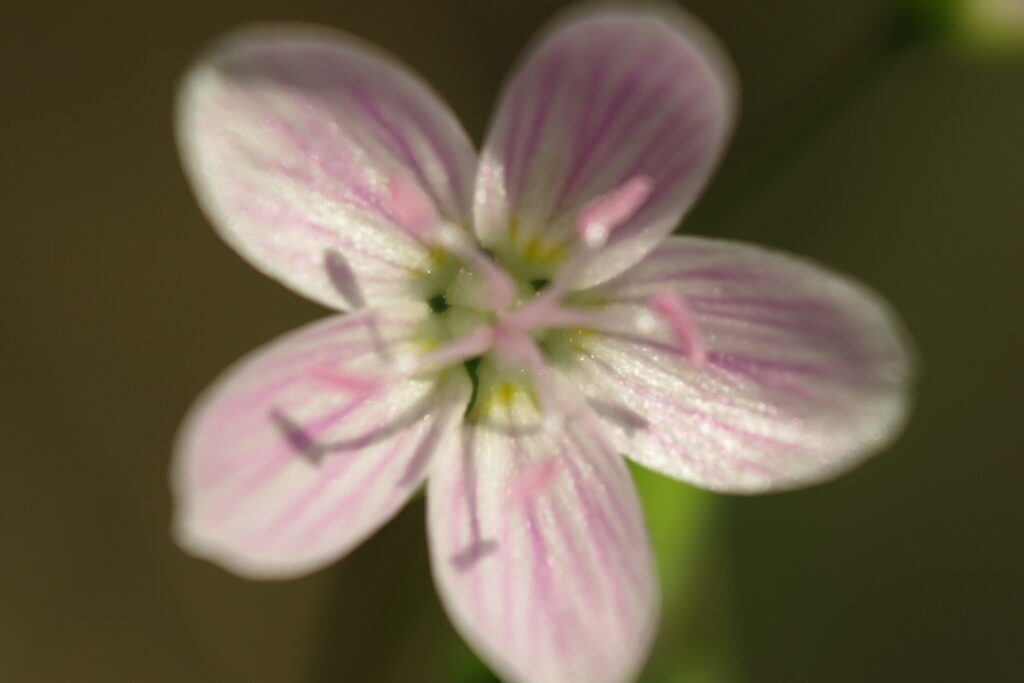
One of the most recognizable characteristics of Eastern Spring Beauty is its distinctive flower patterning. Each bloom typically displays darker pink veins that run across lighter petals. These fine lines create an appearance similar to delicate brush strokes painted across the flower’s surface, adding detail that becomes especially noticeable during close inspection.
The leaves are narrow, smooth, and elongated, often resembling slender blades. Unlike many broad-leaved woodland plants, Eastern Spring Beauty produces foliage that remains simple and understated. This understated greenery allows the flowers to become the primary visual feature of the plant.
The stems possess a thin, graceful appearance that contributes to the plant’s delicate reputation. Despite looking fragile, the stems effectively support flowers through changing spring weather. Their flexibility allows them to move gently with breezes rather than resisting them.
When compared to larger spring wildflowers, Eastern Spring Beauty often appears refined and understated. It lacks the bold leaves of some woodland species and the dramatic blooms of others. Instead, its appeal comes from subtle elegance, much like a finely detailed miniature painting displayed beside larger works of art.
Another defining feature is the plant’s tendency to create visually appealing colonies. Individual flowers may seem small when viewed alone, but groups of blooms collectively produce a striking display. This combination of delicate details and clustered growth helps explain why the species is frequently photographed and admired by nature enthusiasts.
Visual Identification Features of Eastern Spring Beauty
The easiest way to identify Eastern Spring Beauty is by examining the flowers closely. Most blooms possess five petals that range from white to pale pink, with darker pink veins extending from the center toward the edges. These veins are among the most reliable identification markers and are often visible even from a moderate distance.
Flower shape provides another useful clue. The petals open widely, creating a star-like appearance when viewed from above. In bright sunlight, fully opened flowers may resemble miniature pinwheels or tiny decorative stars scattered across the forest floor.
The narrow leaves help distinguish Eastern Spring Beauty from several similar wildflowers. While some spring-blooming species produce broad foliage or deeply divided leaves, Eastern Spring Beauty maintains long, slender leaves that remain relatively simple in appearance. Observers who notice both the narrow leaves and pink-veined flowers can usually identify the species with confidence.
One common identification mistake involves confusing Eastern Spring Beauty with other small pink spring wildflowers. At first glance, several species may appear similar due to their size and coloration. However, the combination of five petals, prominent pink striping, and narrow leaves creates a distinctive profile that separates Eastern Spring Beauty from most look-alikes.
A practical field comparison is to think of the flower as resembling a tiny white flower that has been carefully traced with pink pencil lines. Few native spring wildflowers display such consistent and noticeable veining. Once observers become familiar with this characteristic, Eastern Spring Beauty often becomes one of the easiest early-season wildflowers to recognize in the field.
Observation Location
Observed in Turkey Hill Overlook Trail, Lancaster County, Pennsylvania, USA
Popular Searches About Eastern Spring Beauty
Explore Eastern Spring Beauty Guide
Explore More Plants

Support Encounters World
Help support wildlife photography and get behind the scenes discoveries on Patreon.