Eastern Spring Beauty Blooming Guide: When, How, and Why This Wildflower Flowers
Quick Facts
Blooming Season: Early Spring
Peak Bloom Time: March–May (varies by region)
Flower Duration: Several Days per Bloom
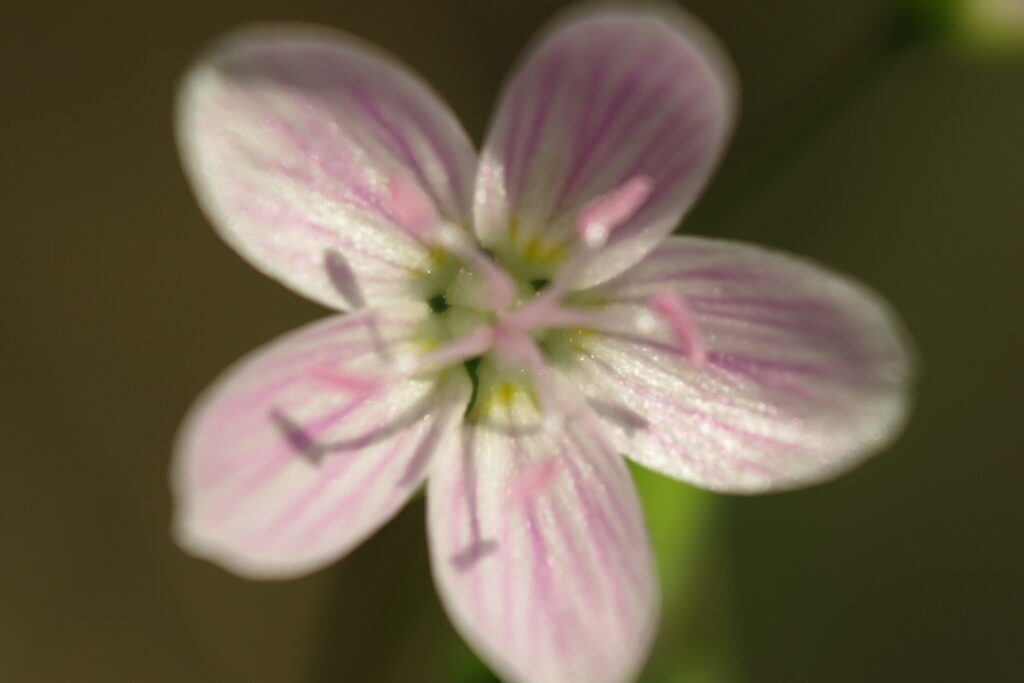
Bloom Color: White to Pale Pink with Pink Veining
Bloom Size: 0.5–1 inch (1.3–2.5 cm)
Pollination Method: Insect Pollination
Primary Pollinators: Native Bees, Small Pollinating Insects
Eastern Spring Beauty Spring Flowering Introduction
Eastern Spring Beauty (Claytonia virginica) is one of the earliest blooming wildflowers in eastern North America. Its delicate flowers often appear while many trees remain bare and much of the surrounding vegetation has not yet begun active growth. These early blossoms provide some of the first noticeable color in spring landscapes.
Native to a large portion of eastern North America, Eastern Spring Beauty has become closely associated with seasonal transition. Many hikers and naturalists watch for its appearance each year because blooming flowers signal that winter is beginning to loosen its hold on the landscape. The species has earned its common name largely because of this timing.
Unlike many wildflowers that flower during warmer months, Eastern Spring Beauty completes most of its visible flowering activity during a relatively brief period. This concentrated bloom window allows it to take advantage of environmental conditions that exist only during early spring. As a result, flowering displays can seem sudden and surprisingly abundant.
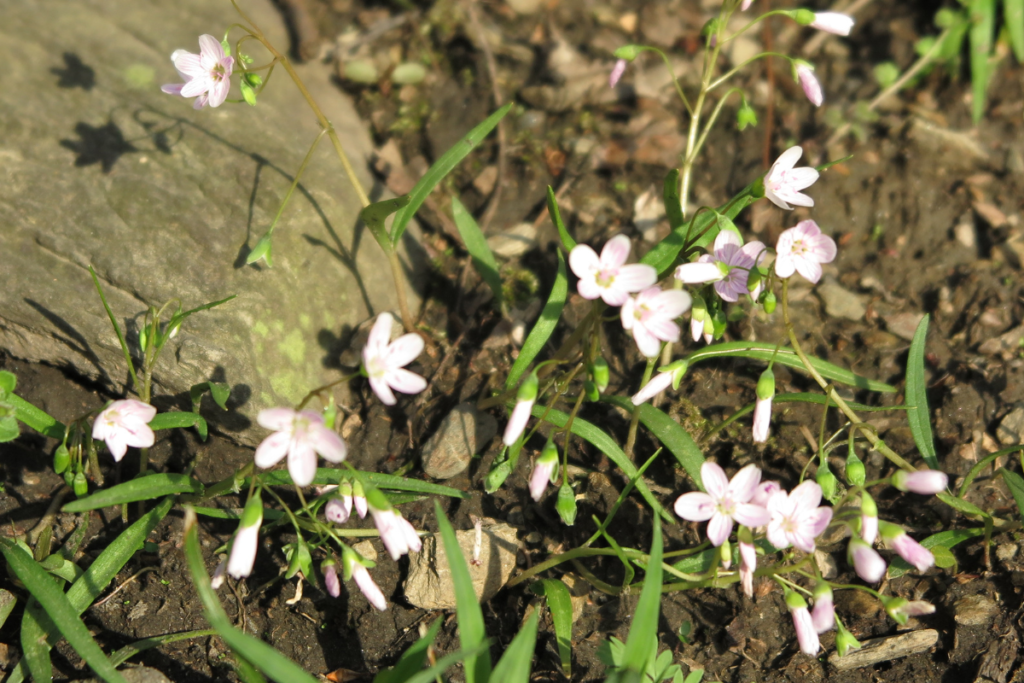
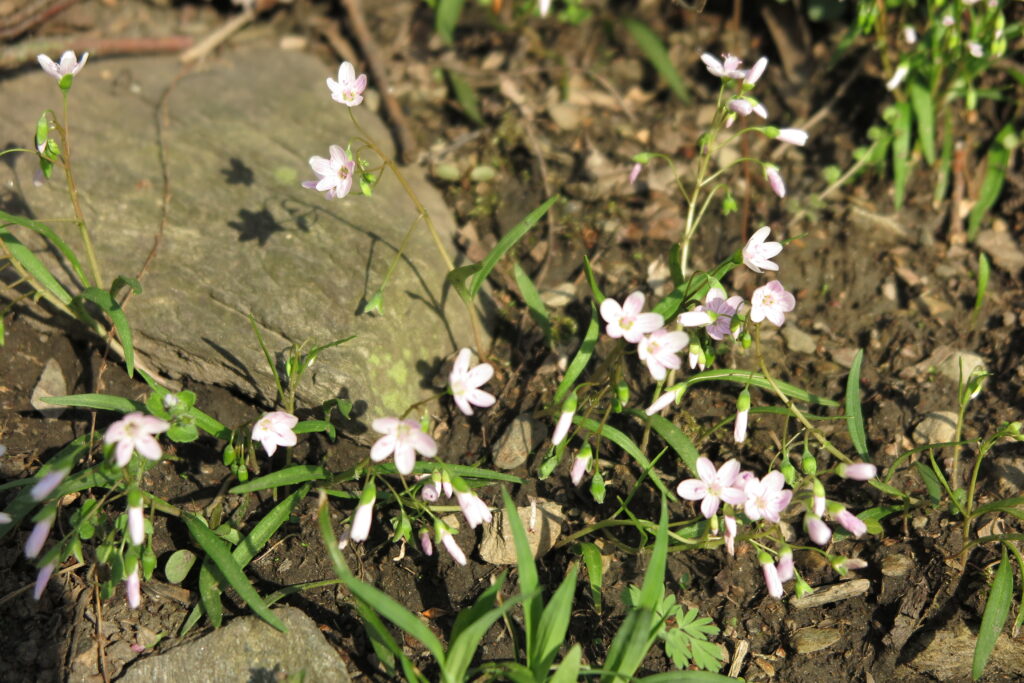
The blooming period is often one of the most memorable stages in the plant’s annual cycle. Large colonies may transform sections of woodland into carpets of pale pink and white flowers. These displays can last for weeks under favorable conditions, creating some of the most photographed spring wildflower scenes across its range.
Eastern Spring Beauty Blooming Season and Flowering Timeline
Eastern Spring Beauty generally begins blooming in early spring, though exact timing varies depending on latitude, elevation, and seasonal weather patterns. Southern populations may start flowering several weeks earlier than populations located farther north. This variation allows the species to synchronize flowering with local environmental conditions.
Flower buds often emerge shortly after temperatures begin rising consistently above winter levels. Within a relatively short period, the first blossoms open and quickly become visible throughout suitable landscapes. In many regions, flowering begins before trees have developed full canopies.
Peak blooming typically occurs between March and May across much of the species’ range. During this period, colonies may contain dozens or even hundreds of open flowers at the same time. These synchronized displays create a striking visual effect that attracts both pollinators and human observers.
The flowering season remains relatively brief compared to many summer-blooming plants. Rather than maintaining blooms for months, Eastern Spring Beauty concentrates flowering into a narrow seasonal window. This strategy allows the plant to maximize visibility and pollinator activity during a specific time of year.
Compared to species that flower repeatedly throughout a growing season, Eastern Spring Beauty follows a more focused schedule. Its bloom period resembles a carefully timed seasonal event rather than a prolonged display. This concentrated flowering contributes significantly to the plant’s reputation as a classic spring ephemeral.
Eastern Spring Beauty Flower Development and Bloom Characteristics
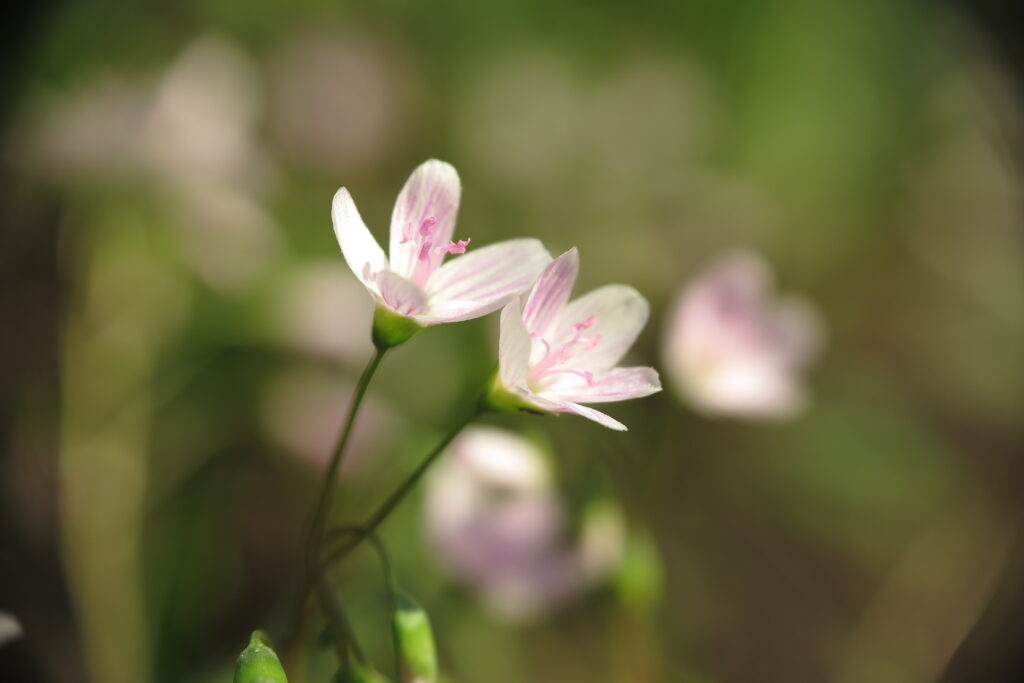
The flowers of Eastern Spring Beauty develop from small buds positioned near the tops of slender stems. As buds mature, they gradually expand before opening into star-like blossoms. This transformation can occur rapidly when temperatures and sunlight conditions become favorable.
Each flower typically contains five petals that spread outward when fully open. The petals range from white to pale pink and are usually marked with darker pink veins. These distinctive lines create an elegant pattern that helps separate the species from many other spring wildflowers.
Bloom size remains relatively small, usually measuring less than an inch across. Despite this modest size, the flowers are highly visible because they often occur in large numbers. When numerous blooms open simultaneously, entire patches of ground can appear lightly dusted with pink and white color.
One particularly interesting characteristic involves daily flower behavior. Blossoms often open fully during sunny conditions but may partially close during cloudy weather or at night. This response helps protect delicate reproductive structures and contributes to the plant’s dynamic appearance throughout the day.
A useful comparison is to imagine miniature pinwheels scattered across the forest floor. Each flower may seem delicate on its own, but together they create a display that is surprisingly eye-catching. The combination of bright coloration and synchronized blooming makes Eastern Spring Beauty one of spring’s most recognizable wildflowers.
Eastern Spring Beauty Pollination and Flowering Success
Blooming serves an essential purpose beyond visual beauty. The flowers function as reproductive structures designed to attract pollinators and facilitate seed production. Their early appearance provides an important resource for insects that become active during the first weeks of spring.
Native bees are among the most important pollinators visiting Eastern Spring Beauty flowers. These insects are drawn to the blooms by nectar and pollen, moving between flowers as they forage. During these visits, pollen is transferred between plants, allowing successful fertilization to occur.
The timing of flowering is closely linked to pollinator availability. By blooming early, Eastern Spring Beauty encounters less competition from many later-flowering species. This advantage can increase the likelihood that pollinators will visit its flowers frequently during the brief flowering season.
Successful pollination eventually leads to seed development within small capsules that form after petals fade. Although these structures are less noticeable than the flowers themselves, they represent the final stage of the blooming process. The production of viable seeds helps ensure future generations of plants.
The relationship between blooming and pollination plays a major role in the species’ continued success across eastern North America. Early-season flowers provide resources for insects, while pollinators help the plant reproduce effectively. This mutually beneficial interaction contributes to the persistence of Eastern Spring Beauty throughout its native range.
Popular Searches About Eastern Spring Beauty
Explore Eastern Spring Beauty Guide
Explore More Plants

Support Encounters World
Help support wildlife photography and get behind the scenes discoveries on Patreon.