Eastern Spring Beauty Planting Guide: How to Successfully Establish This Native Wildflower
Quick Facts
Best Planting Time: Fall
Planting Method: Corms, Seeds, or Nursery Plants
Planting Depth: 1–3 Inches (Corms)
Spacing: 4–8 Inches Apart
Soil Preference: Rich, Well-Drained Organic Soil
Light Requirements: Partial Shade to Early Spring Sun
Establishment Difficulty: Easy to Moderate
Getting Started with Eastern Spring Beauty Planting
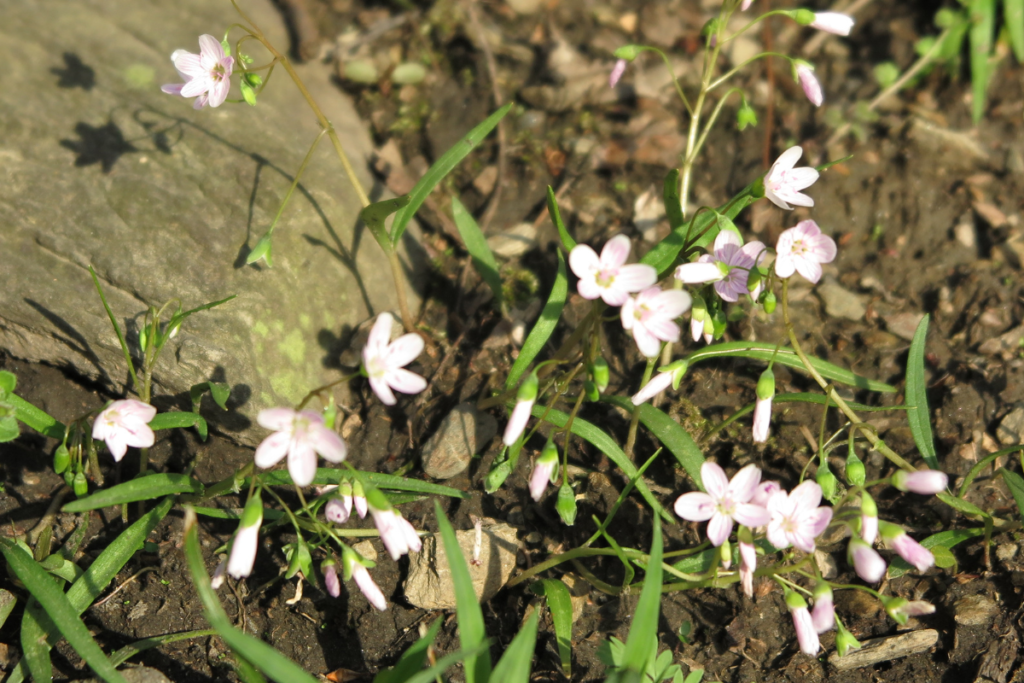
Eastern Spring Beauty (Claytonia virginica) is a native perennial wildflower that can bring early-season color and ecological value to gardens, woodland plantings, and naturalized landscapes. While the plant appears delicate above ground, it is surprisingly resilient when established in suitable conditions. Successful planting begins with understanding the seasonal rhythm that has shaped this species throughout its native range.
Native to eastern North America, Eastern Spring Beauty has adapted to environments where growth occurs during a relatively short spring window. This natural cycle influences when planting should occur and how newly established plants develop. Gardeners who work with the plant’s seasonal schedule often achieve the best long-term results.
Unlike many ornamental flowers that are planted for immediate summer displays, Eastern Spring Beauty is an investment in future seasons. Newly planted specimens may require patience before reaching their full potential. Once established, however, they often return reliably with minimal intervention.
The species is particularly valuable in native plant gardens because it contributes beauty, biodiversity, and pollinator support. Whether planted as individual specimens or larger colonies, Eastern Spring Beauty can become a memorable part of the spring landscape. Careful site preparation helps ensure success from the beginning.
Choosing the Best Planting Location for Eastern Spring Beauty
Selecting an appropriate planting site is one of the most important factors influencing long-term success. Eastern Spring Beauty performs best in areas that resemble the conditions found in its native environments. Locations receiving bright spring sunlight followed by increasing summer shade often provide ideal results.
Areas beneath deciduous trees are particularly well suited for planting. During early spring, sunlight reaches the ground before leaves emerge overhead. As temperatures rise later in the season, developing tree canopies provide protection that aligns naturally with the plant’s dormant period.
Woodland gardens, shaded borders, and naturalized landscapes frequently serve as excellent planting locations. These settings create stable environmental conditions that support healthy establishment. The species generally performs better in these areas than in highly exposed locations with intense summer heat.
Soil quality should also influence site selection. Rich soils containing abundant organic matter provide a favorable foundation for developing roots and corms. Areas where fallen leaves naturally accumulate often resemble the environments where Eastern Spring Beauty thrives in the wild.
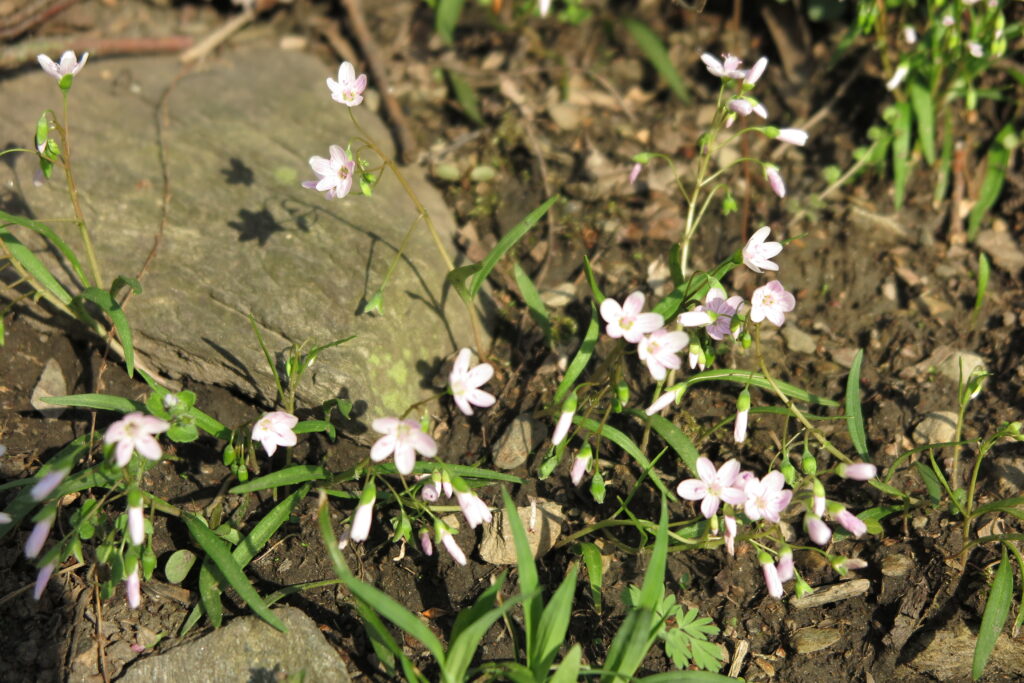
A useful comparison is to imagine planting the species in a location that feels like a woodland floor rather than an open flower bed. Replicating these natural conditions often produces stronger plants and more consistent flowering over time.
Eastern Spring Beauty Planting Methods and Techniques
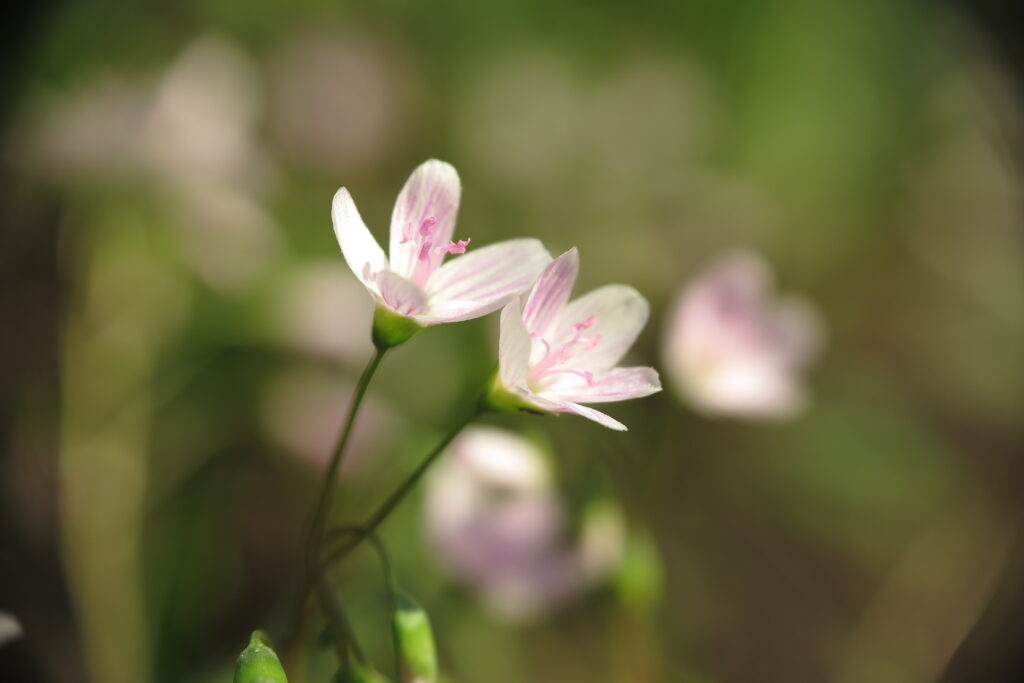
Eastern Spring Beauty can be established using seeds, corms, or nursery-grown plants. Each method offers advantages depending on the gardener’s goals and available resources. Nursery plants often provide the quickest results, while seeds allow larger areas to be planted economically.
Corm planting is one of the most reliable approaches. These underground storage structures should generally be placed one to three inches beneath the soil surface. Proper depth helps protect them from temperature extremes while still allowing easy spring emergence.
Spacing plants four to eight inches apart provides sufficient room for future expansion. Although individual plants remain relatively small, colonies can gradually increase in size over time. Allowing adequate spacing from the start reduces competition and promotes healthier growth.
When planting, gently loosen the surrounding soil and incorporate organic matter if necessary. Position corms or plants carefully and avoid excessive compaction after backfilling. A light watering helps settle soil around the roots and improves initial establishment.
The process is similar to planting many small spring bulbs, though Eastern Spring Beauty develops a more naturalized appearance. Rather than arranging specimens in rigid rows, many gardeners prefer informal groupings that mimic natural colonies found in woodland settings.
Establishing and Supporting New Eastern Spring Beauty Plants
The first growing season is important for helping Eastern Spring Beauty become established. Newly planted specimens should receive consistent moisture during active growth, particularly if rainfall is limited. Soil should remain moderately moist without becoming saturated.
Mulching with shredded leaves or other natural materials can improve establishment success. A thin layer helps retain moisture, reduces weed competition, and contributes organic matter as it decomposes. This approach closely resembles the natural conditions experienced by wild populations.
Patience is often necessary during the establishment process. Some plants may require time to fully settle into a new location before producing their best flowering displays. Gardeners should resist the temptation to disturb dormant areas simply because no visible growth is present later in the year.
Weed management is another important consideration. Competing vegetation can limit access to sunlight, moisture, and nutrients during the active growing period. Careful hand removal of aggressive weeds helps ensure newly planted Eastern Spring Beauty receives the resources it needs.
Compared to many ornamental garden flowers, Eastern Spring Beauty asks relatively little once established. A suitable location, thoughtful planting, and modest early care are often enough to support long-term success. Over time, healthy plantings can develop into attractive spring colonies that return year after year with minimal maintenance.
Popular Searches About Eastern Spring Beauty
Explore Eastern Spring Beauty Guide
Explore More Plants

Support Encounters World
Help support wildlife photography and get behind the scenes discoveries on Patreon.