Are Eastern Spring Beauty Edible? Complete Guide to Eating This Native Wildflower
Quick Facts
Edibility Status: Edible
Edible Parts: Flowers, Leaves, and Corms
Flavor Profile: Mild, Slightly Sweet, Crisp
Most Commonly Eaten Part: Underground Corms
Historical Food Use: Indigenous Peoples and Early Settlers
Foraging Difficulty: Easy to Moderate Identification Required
Conservation Consideration: Harvest Responsibly from Large Populations Only
Eastern Spring Beauty as an Edible Wild Plant
Eastern Spring Beauty (Claytonia virginica) is one of the few native spring wildflowers that is widely recognized as edible. While many people admire the plant for its delicate flowers, it has also been valued historically as a seasonal food source. Various parts of the plant can be consumed, making it a versatile addition to discussions about edible native plants.
Native throughout much of eastern North America, Eastern Spring Beauty has been used by people for generations. Indigenous communities were familiar with its edible qualities long before European settlement. Early settlers also discovered its usefulness and occasionally harvested portions of the plant for food.
Despite its small size, Eastern Spring Beauty produces edible tissues that can be collected and consumed when properly identified. The plant does not contain the toxic compounds associated with many other spring-blooming species. This makes it one of the safer wildflowers for educational discussions about foraging.
Today, the species is more commonly appreciated as a native wildflower than as a food source. However, interest in edible plants has renewed attention toward Eastern Spring Beauty and its traditional uses. Understanding which parts are edible helps provide a more complete picture of the plant’s natural history.
Which Parts of Eastern Spring Beauty Are Edible?
The underground corm is traditionally considered the most valuable edible part of Eastern Spring Beauty. A corm is a small underground storage structure that resembles a miniature bulb. These corms store nutrients and energy, making them the most substantial portion of the plant available for consumption.
Corms are often compared to tiny potatoes due to their appearance and texture. Although much smaller than cultivated potatoes, they possess a similar crisp quality when freshly harvested. Historically, they were collected in sufficient quantities to supplement seasonal diets.
The leaves are also edible and can be consumed raw or cooked. Young foliage tends to be tender and mild in flavor. Because the leaves remain relatively small, they are often used as a minor addition rather than a primary ingredient.
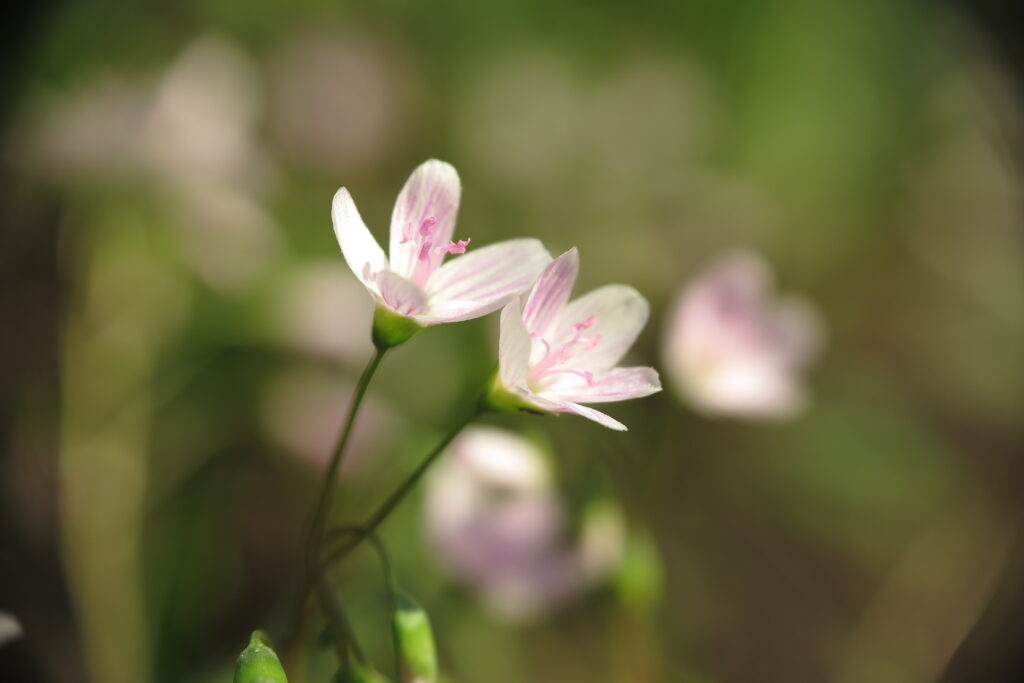
Flowers can be eaten as well and are sometimes used as decorative edible garnishes. Their delicate appearance makes them attractive additions to salads or spring-themed dishes. While they contribute little nutritional value compared to corms, they provide visual appeal and a connection to the plant’s natural beauty.
Together, the flowers, leaves, and corms make Eastern Spring Beauty entirely edible. Few native spring wildflowers offer multiple edible parts, which contributes to the species’ reputation among wild plant enthusiasts and foragers.
What Does Eastern Spring Beauty Taste Like?
The underground corms possess a mild flavor that is often described as slightly sweet and pleasantly crisp. Their taste is generally subtle rather than strongly distinctive. This mildness likely contributed to their historical use as a supplemental food source rather than a dominant ingredient.
Freshly harvested corms can have a texture similar to water chestnuts or very young radishes without the strong peppery bite. The interior remains firm and moist, making them enjoyable when consumed soon after collection. Some people notice a faint earthy undertone that reflects their underground growth.
The leaves have a gentle green flavor comparable to many edible spring greens. They lack the bitterness found in some wild plants and are generally considered approachable for those unfamiliar with foraged foods. Their soft texture makes them easy to incorporate into mixed salads.
Flowers contribute very little flavor but provide an attractive visual element. Their delicate petals are sometimes compared to edible blossoms used in specialty gardens. While they are not harvested for taste alone, they can enhance the presentation of a dish.
A useful comparison is to think of Eastern Spring Beauty as a subtle spring vegetable rather than a strongly flavored herb. Its edible parts offer mild, fresh flavors that complement other foods without overwhelming them. This understated character is one reason the plant has remained a traditional seasonal food source.
Foraging Eastern Spring Beauty Responsibly
Although Eastern Spring Beauty is edible, responsible harvesting practices are extremely important. Because the corm is the plant’s underground storage structure, removing it kills the individual plant. Excessive harvesting from small populations can therefore reduce local abundance over time.
Foragers should avoid collecting plants from small colonies or protected natural areas. Large, healthy populations are better able to withstand limited harvesting pressure. Even then, only a small portion of plants should be collected to ensure the population remains sustainable.
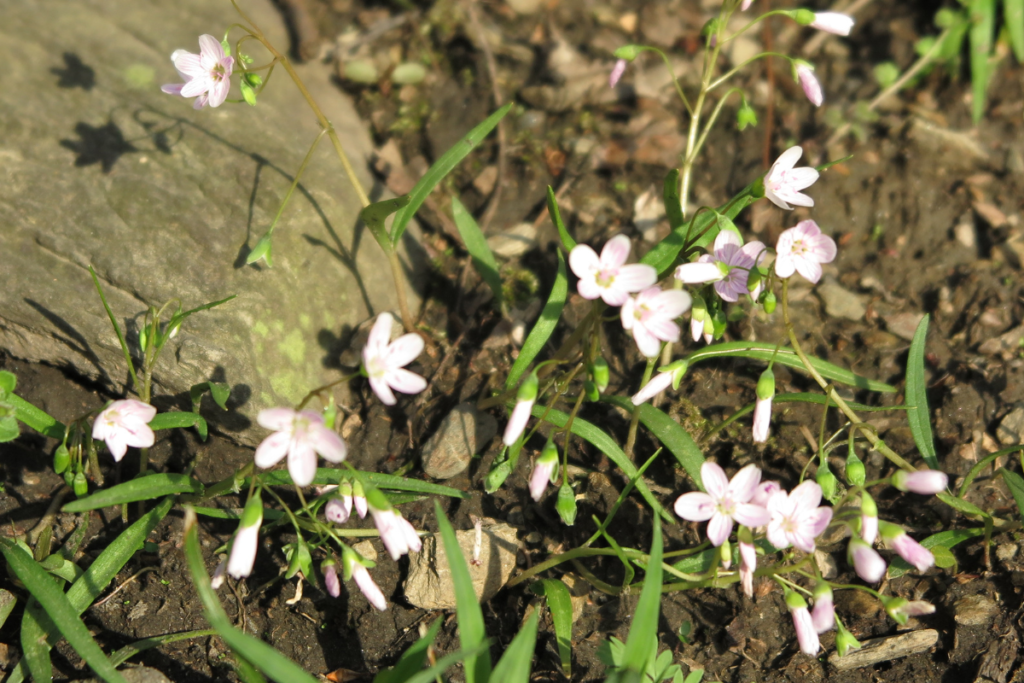
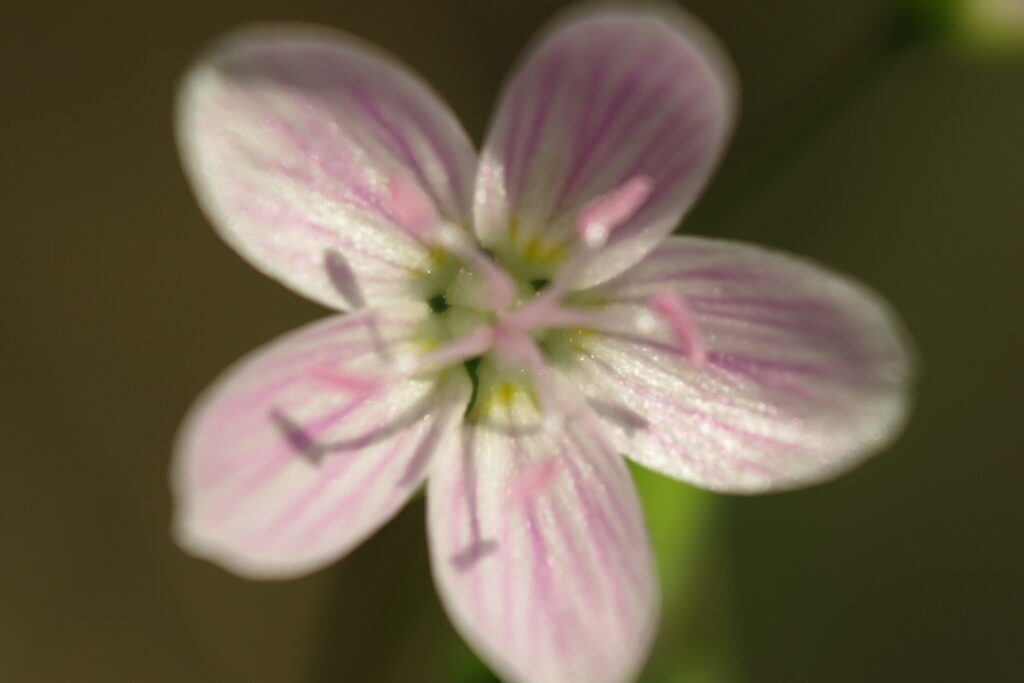
Proper identification is essential before consuming any wild plant. Eastern Spring Beauty is relatively easy to recognize when flowering, thanks to its five-petaled blooms marked with distinctive pink veins. However, inexperienced foragers should always verify identification using multiple characteristics before harvesting.
Location also matters when gathering edible plants. Specimens growing near roadsides, industrial sites, or chemically treated areas may contain contaminants regardless of the plant’s natural edibility. Clean environments provide the safest sources for observation and potential harvest.
For many people, Eastern Spring Beauty is best appreciated as a beautiful native wildflower rather than a food crop. Its ecological importance, support for pollinators, and seasonal beauty often outweigh its value as a harvested plant. Understanding its edible nature adds another fascinating layer to the story of this remarkable spring wildflower while encouraging respect for the habitats where it grows.
Popular Searches About Eastern Spring Beauty
Explore Eastern Spring Beauty Guide
Explore More Plants

Support Encounters World
Help support wildlife photography and get behind the scenes discoveries on Patreon.