Eastern Spring Beauty Toxicity Guide: Is This Native Wildflower Safe for Humans and Pets?
Quick Facts
Toxicity Status: Non-Toxic
Toxic to Humans: No
Toxic to Dogs: No
Toxic to Cats: No
Toxic Parts: None Known
Edible Parts: Leaves, Flowers, and Corms
Risk Level: Very Low
Understanding Eastern Spring Beauty Toxicity
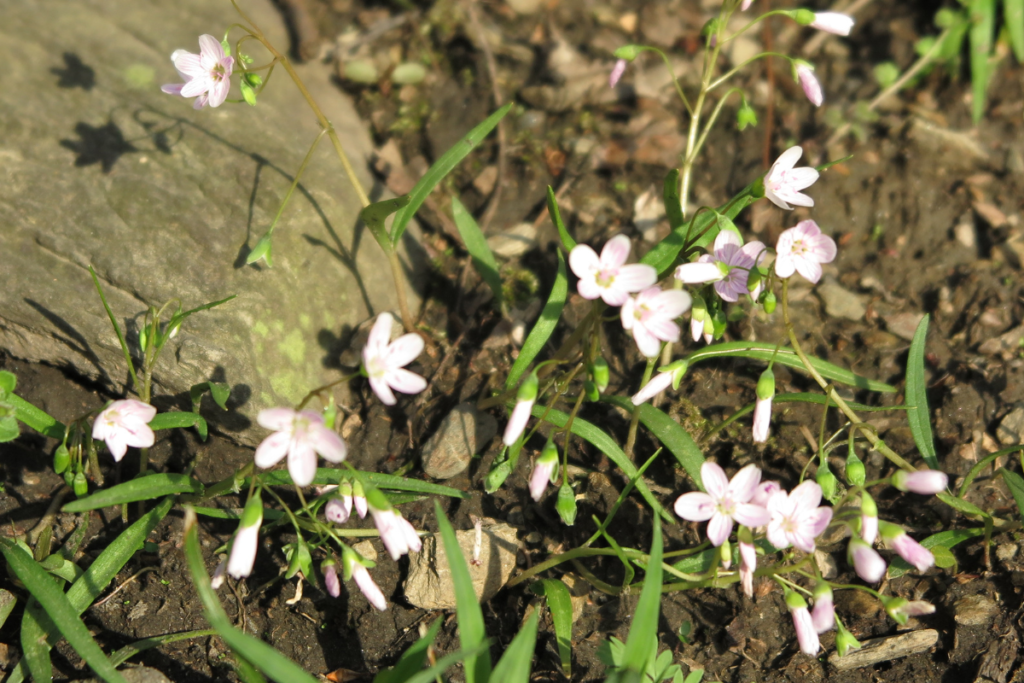
Eastern Spring Beauty (Claytonia virginica) is widely regarded as a non-toxic native wildflower. Unlike many ornamental and wild plants that contain irritating or poisonous compounds, this species has a long history of safe interaction with both people and wildlife. Its reputation as an edible native plant further supports its status as a low-risk species.
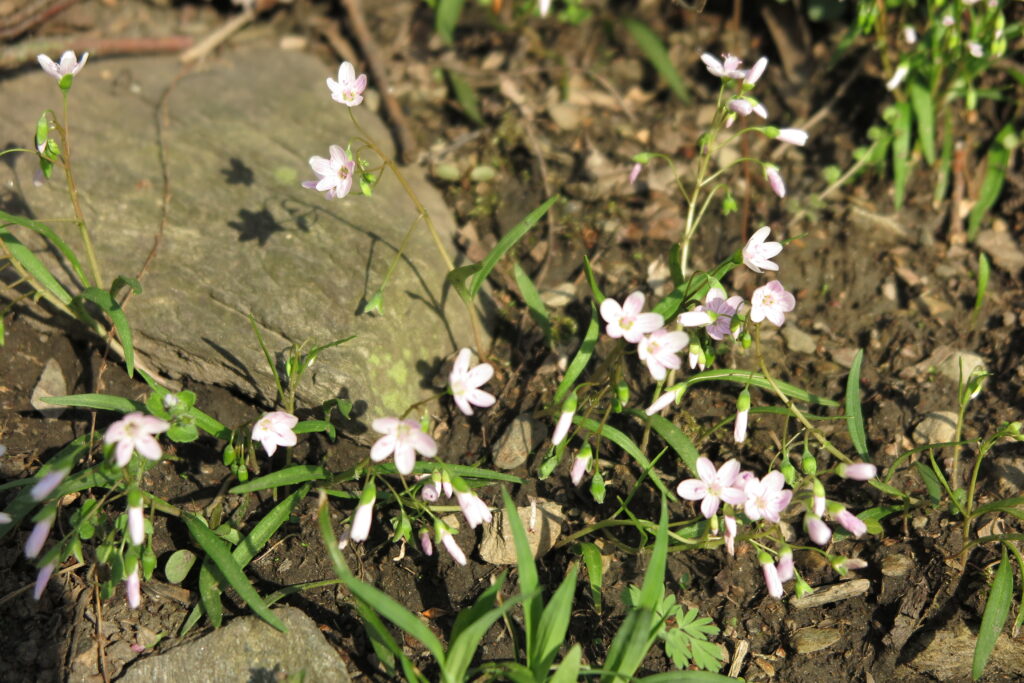
Native throughout much of eastern North America, Eastern Spring Beauty has been observed growing in natural landscapes for centuries. During that time, it has not become associated with significant poisoning incidents involving humans, pets, or livestock. This distinguishes it from many spring-blooming plants that require greater caution.
Questions about plant toxicity are common among gardeners, hikers, and pet owners. Because Eastern Spring Beauty often grows in locations frequented by people and animals, understanding its safety profile can provide peace of mind. Fortunately, available evidence consistently places this species among the safer native wildflowers.
While no plant should be consumed without proper identification, Eastern Spring Beauty is generally considered one of the least concerning species from a toxicity standpoint. Its combination of historical use, low toxicity risk, and widespread occurrence has contributed to its positive reputation among naturalists and foragers alike.
Eastern Spring Beauty Safety for Humans
Eastern Spring Beauty is not known to contain toxic compounds that pose a significant risk to humans. Various parts of the plant have historically been consumed by Indigenous peoples and early settlers, particularly the underground corms. This history of use provides strong evidence of its overall safety when properly identified.
The flowers and leaves are also considered edible, though they are typically consumed in small quantities. Their mild flavor makes them more of a seasonal novelty than a major food source. Nevertheless, their edibility further distinguishes the species from toxic look-alikes that may occur in some regions.
Accidental contact with Eastern Spring Beauty generally does not result in skin irritation. Unlike plants such as poison ivy, poison oak, or stinging nettle, it lacks specialized structures or chemical defenses that commonly trigger reactions. Most people can handle the plant safely without protective equipment.
Even though the plant is considered non-toxic, responsible foraging practices remain important. Individuals should always confirm identification before consuming any wild plant. Misidentification represents a greater risk than the plant itself, particularly when inexperienced foragers collect unfamiliar species.
Compared to highly toxic spring flowers such as certain lilies, daffodils, or monkshood species, Eastern Spring Beauty occupies the opposite end of the safety spectrum. Its history and characteristics make it one of the more approachable native wildflowers for educational and observational purposes.
Eastern Spring Beauty and Pet Toxicity Concerns
Pet owners often wonder whether wildflowers pose risks to dogs and cats, especially when animals spend time outdoors. Fortunately, Eastern Spring Beauty is not known to be toxic to either species. Occasional contact or accidental nibbling typically does not create the same concerns associated with many ornamental garden plants.
Dogs exploring woodland trails or natural areas may occasionally investigate the flowers or foliage. Because the species lacks known toxic compounds, these encounters are generally considered low risk. Most dogs show little interest in consuming significant amounts of the plant in the first place.
Cats are naturally curious and may occasionally chew vegetation out of instinct or boredom. While Eastern Spring Beauty is not considered poisonous, excessive consumption of any plant material can potentially cause mild digestive upset. This reaction is usually related to the ingestion of plant matter itself rather than toxicity.
The plant is also not commonly associated with veterinary poisoning reports. This absence of documented concern further supports its reputation as a pet-safe species. Compared to highly dangerous plants such as true lilies, which can be extremely toxic to cats, Eastern Spring Beauty presents minimal risk.
A useful comparison is to think of Eastern Spring Beauty similarly to many common edible greens rather than hazardous ornamentals. Although moderation is always preferable, accidental exposure generally does not require the same level of concern as contact with known poisonous plants.
Toxicity Myths, Identification, and Safety Considerations
One reason people occasionally question the safety of Eastern Spring Beauty is its delicate appearance. Small spring wildflowers are sometimes assumed to be toxic simply because they resemble ornamental species that contain defensive chemicals. However, appearance alone is not a reliable indicator of toxicity.
Confusion with unrelated plants can also create misunderstandings. Some early-blooming flowers share similar colors or bloom periods, leading observers to assume they possess similar properties. Accurate identification is therefore essential when evaluating any plant’s safety profile.
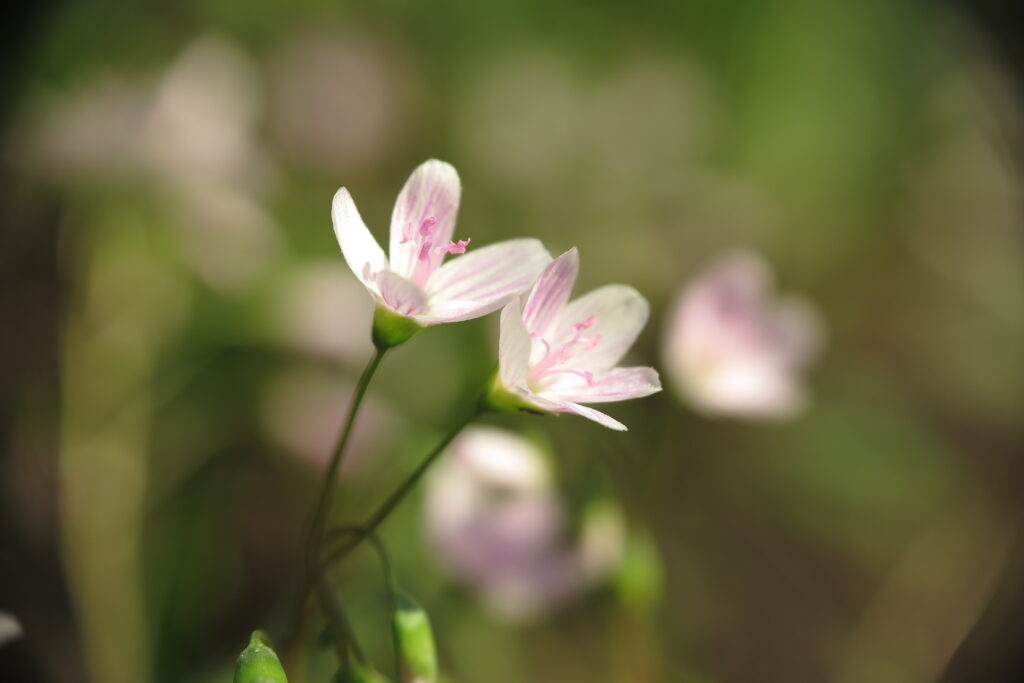
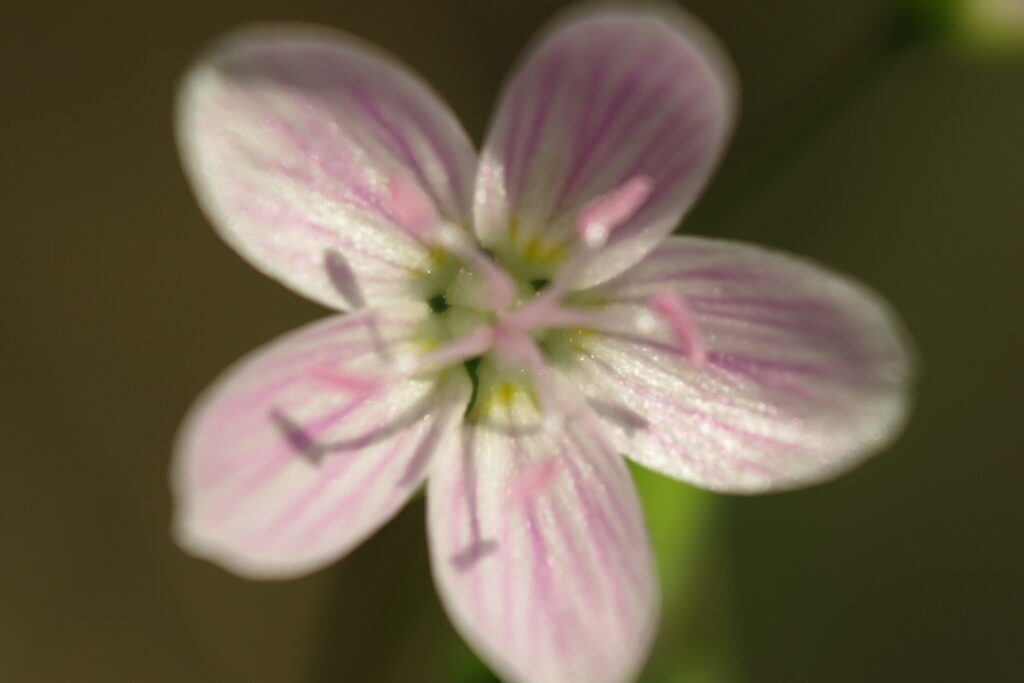
Eastern Spring Beauty can usually be identified by its five-petaled flowers marked with distinct pink veins and its narrow grass-like leaves. These characteristics help separate it from many unrelated species. Learning these features reduces the likelihood of confusing it with potentially harmful plants.
Although the species itself is considered safe, good outdoor practices should always be followed. Plants growing near roadsides, contaminated soils, or chemically treated areas may accumulate unwanted substances regardless of their natural toxicity. Environmental contamination can sometimes present greater concerns than the plant itself.
Overall, Eastern Spring Beauty ranks among the safest native spring wildflowers in eastern North America. Its non-toxic nature, historical use as a food source, and lack of significant risks to pets make it an excellent example of a wildflower that can be appreciated with confidence. For most people, the primary concern is proper identification rather than toxicity.
Popular Searches About Eastern Spring Beauty
Explore Eastern Spring Beauty Guide
Explore More Plants

Support Encounters World
Help support wildlife photography and get behind the scenes discoveries on Patreon.