Wolf Spider Habitat Guide: Where Wolf Spiders Live Around the World
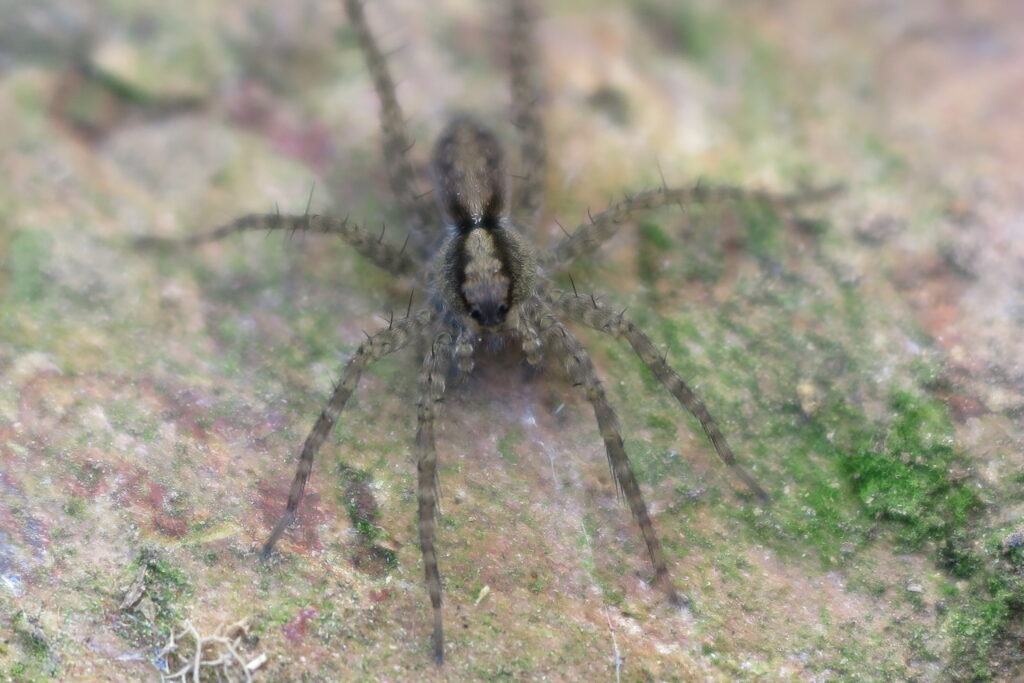
Quick Facts
Primary Habitat: Forest floors and ground-level vegetation
Secondary Habitat: Grasslands, rocky terrain, gardens, and basements
Climate Preference: Temperate, humid, and semi-arid climates
Environment Type: Ground-based terrestrial environments
Elevation / Depth Range: Sea level to mountainous elevations over 10,000 feet
Geographic Distribution: Worldwide except Antarctica
Introduction to the Wolf Spider’s Natural Environment
The Wolf Spider is one of the most widespread groups of ground-dwelling spiders on Earth, occupying environments across nearly every continent. From humid forests to dry grasslands and rocky hillsides, wolf spiders have adapted to an impressive variety of landscapes. Their global distribution has made them familiar to hikers, gardeners, and nature observers in many different climates.
Unlike delicate web-building spiders suspended high in vegetation, wolf spiders are strongly tied to ground-level environments. They are most often encountered among soil, leaf litter, stones, fallen logs, and other low natural cover. Their earthy coloration allows them to blend almost seamlessly into these surroundings.
Many people encounter wolf spiders accidentally while turning over rocks, walking through fields, or exploring wooded trails. Their appearance often feels closely connected to rugged terrain and hidden spaces near the ground. Even in suburban settings, wolf spiders remain associated with sheltered and textured environments rather than open exposed surfaces.
The family Lycosidae contains hundreds of species, allowing wolf spiders to occupy regions ranging from cold northern climates to hot deserts and humid tropical zones. This environmental flexibility has helped them become one of the most successful wandering spider groups worldwide. Across all regions, however, they remain strongly linked to habitats offering ground cover, concealment, and stable environmental structure.
Wolf Spider Habitat Overview Across Its Global Range
Wolf spiders occupy an enormous range of environments across the globe, making them one of the most adaptable spider families in existence. They occur throughout forests, grasslands, shrublands, deserts, agricultural areas, and suburban landscapes. Few ground-dwelling spiders achieve such widespread environmental success.
Their broad distribution reflects an ability to tolerate major differences in climate and terrain. Some species thrive in humid eastern forests while others survive in dry sandy regions with sparse vegetation. This flexibility allows wolf spiders to remain common in ecosystems that differ dramatically from one another.
Compared to the Trapdoor Spider, which often depends on specialized burrow conditions, wolf spiders occupy a much wider range of landscapes. Trapdoor spiders are typically limited to stable soil environments suitable for permanent burrows, while wolf spiders can adapt to shifting and varied terrain more easily.
Although adaptable, wolf spiders still remain closely associated with environments containing natural cover at ground level. Open concrete surfaces or heavily disturbed industrial zones generally support fewer individuals unless nearby shelter exists. Ground texture and environmental complexity remain important across most occupied regions.
The species group is especially successful in transitional landscapes where multiple environmental features overlap. Woodland edges, overgrown fields, and mixed vegetation zones often support strong wolf spider populations. These areas provide diverse terrain and numerous hiding opportunities.
Wolf spiders are also common in regions influenced by moderate human activity. Gardens, wood piles, stone borders, and even basement corners can provide suitable shelter in developed areas. Their ability to persist near human environments contributes to their widespread visibility.
Despite their global success, different wolf spider species still show regional preferences shaped by climate and terrain. Some remain strongly tied to wetlands or forests, while others dominate dry plains and rocky environments. Together, these specialized species allow the wolf spider family as a whole to occupy an exceptionally broad environmental range.
Wolf Spider Habitat Types and Preferred Ground Environments
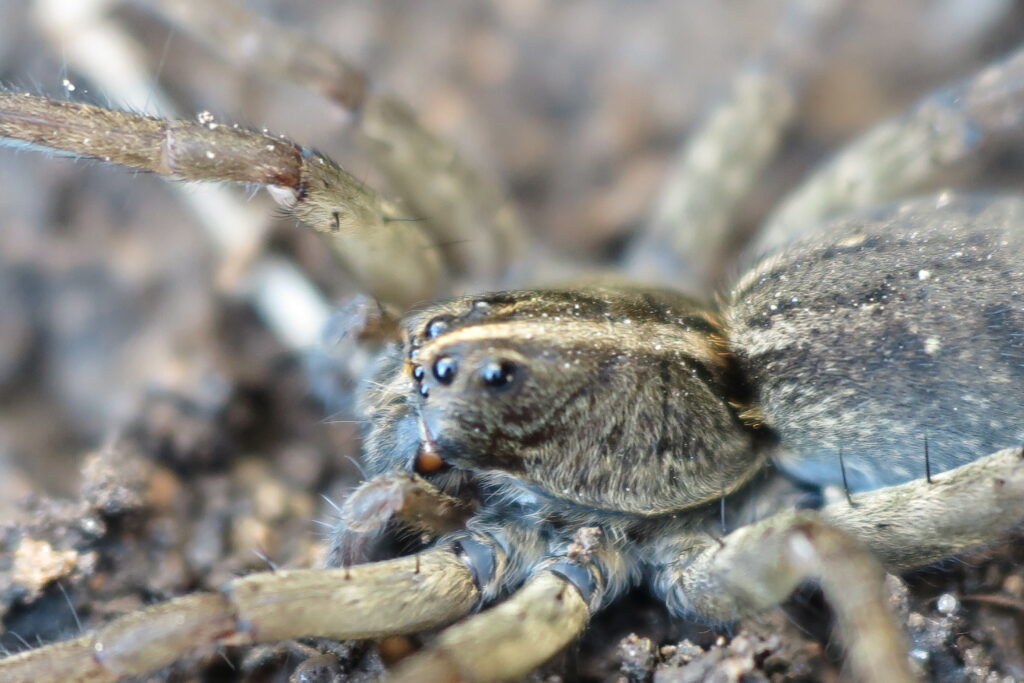
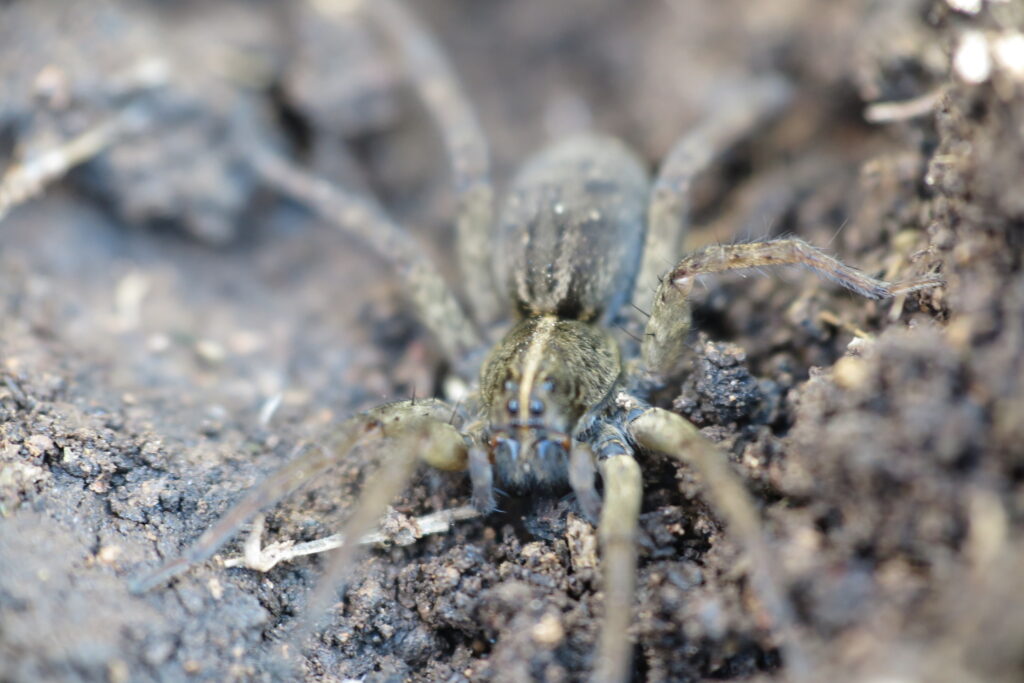
Forests are among the most important habitat types for many wolf spider species. Leaf litter, fallen branches, moss, and shaded soil create ideal ground-level structure for concealment and protection. Woodland floors also provide stable moisture conditions that support diverse invertebrate communities.
Grasslands and open meadows support another major category of wolf spider habitat. In these environments, spiders often remain hidden among tall grass, low vegetation, and loose soil. Dry grass stems and scattered plant debris create natural camouflage against predators and surrounding terrain.
Rocky habitats are also heavily used by wolf spiders, especially in hilly or mountainous regions. Cracks beneath stones and shaded crevices provide shelter from heat and environmental exposure. Many individuals remain hidden under rocks during daylight hours before emerging later into surrounding terrain.
Desert and semi-arid environments support specialized wolf spider species capable of tolerating dry conditions. Sandy coloration helps these spiders blend naturally into loose soil and gravel. Even sparse vegetation can provide enough environmental structure for concealment in these harsher regions.
Wetland edges and streamside zones may also support wolf spider populations where dense ground vegetation remains present. Moist soil and layered debris create cooler microhabitats within otherwise exposed landscapes. Certain species appear especially common near damp woodland edges and low marshy areas.
Human-altered environments have become increasingly important habitat zones as well. Gardens, landscaping stones, mulch beds, and wood piles often create sheltered conditions similar to natural debris fields. Some wolf spiders even enter garages or basements where cool shaded surfaces resemble natural crevice environments.
Wolf spiders commonly prefer habitat edges rather than completely exposed terrain or deep isolated cover. Transitional areas between grass, shrubs, rocks, and forest floor often provide the best environmental complexity. These mixed environments create numerous hiding spaces while supporting stable ground structure throughout the year.
Environmental Conditions That Support Wolf Spider Populations
Wolf spiders thrive under a wide range of environmental conditions, though most species favor stable ground-level temperatures and protective surface cover. Moisture, soil texture, vegetation density, and seasonal temperature patterns all influence habitat suitability. Ground structure is especially important because these spiders spend most of their lives close to the surface.
Temperate climates support many of the world’s most visible wolf spider populations. Warm summers combined with moderate rainfall create ideal conditions for leaf litter accumulation and dense vegetation growth. These environments provide stable shelter and maintain humidity near the ground.
Many wolf spider species also tolerate cold winters surprisingly well. During freezing periods, spiders may remain beneath rocks, logs, or insulated soil layers where temperatures stay more stable. Snow cover can even act like an insulating blanket, helping ground-level temperatures remain less extreme beneath the surface.
In warmer regions, shaded environments become especially important for maintaining moisture and reducing heat exposure. Dense vegetation, stone crevices, and buried debris help create cooler microclimates during intense summer temperatures. These protected zones prevent excessive drying at ground level.
Terrain structure strongly affects habitat quality as well. Loose soil, layered debris, bark fragments, and uneven rock surfaces provide the environmental complexity wolf spiders rely upon. Flat exposed terrain without cover usually supports fewer individuals due to limited shelter opportunities.
Humidity levels influence many wolf spider populations, particularly in forests and wetlands. Moist air and damp soil help maintain stable environmental conditions near the ground. In humid summers, woodland floors can resemble a natural insulated layer filled with cool shaded pockets beneath leaves and debris.
Seasonal environmental changes also shape habitat appearance throughout the year. Autumn leaf fall increases available cover, while spring vegetation growth creates denser surface structure. Winter conditions reduce visible activity above ground but still leave hidden shelter areas intact beneath debris and soil.
The environmental conditions supporting wolf spiders can be compared to a layered natural camouflage system. Much like a military ghillie suit blending into rough terrain, forests, grasslands, and rocky ground provide the textures and concealment these spiders depend upon. Across nearly every continent, wolf spiders remain closely tied to environments where ground-level cover and environmental complexity combine together.
Popular Searches About Wolf Spiders
Explore Wolf Spider Guide
Explore More Wildlife

Support Encounters World
Help support wildlife photography and get behind the scenes discoveries on Patreon.