Wolf Spider Size Guide: How Big Wolf Spiders Get and Size Comparison Facts
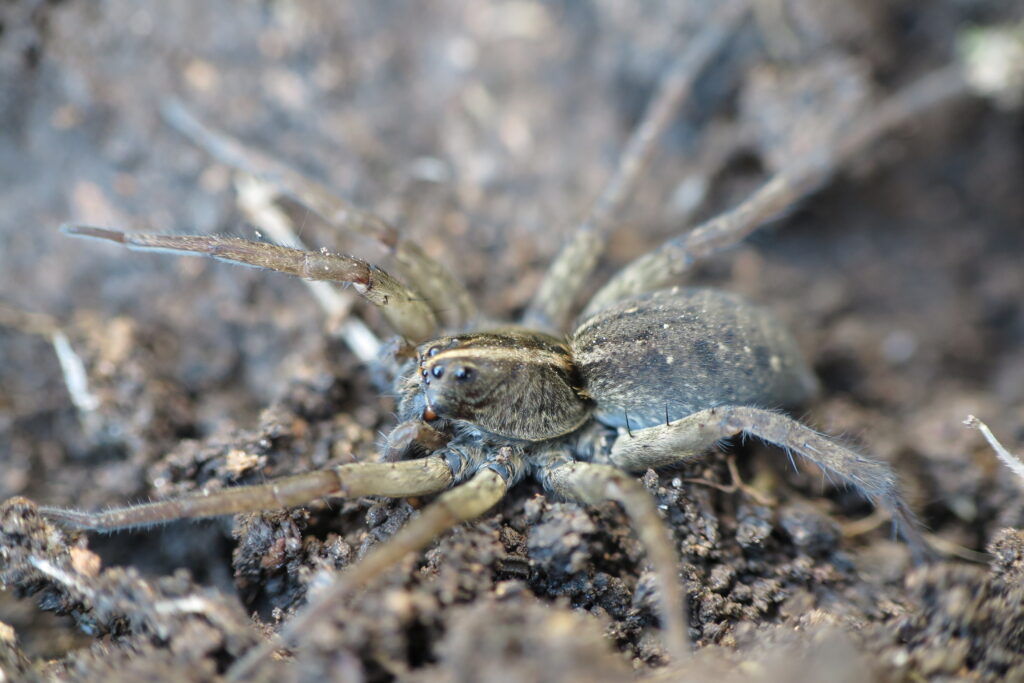
Quick Facts
Average Body Size: 0.25–2 inches long
Leg Span Range: Up to 4 inches in larger species
Largest Species Regions: Deserts, forests, and grasslands worldwide
Global Range: Found on every continent except Antarctica
Conservation Status: Not Evaluated as a single species group
Notable Feature: Long leg span often makes wolf spiders appear much larger than their body size
Introduction to Wolf Spider Size and Appearance
The Wolf Spider is one of the largest and most recognizable hunting spiders found throughout North America. Known for their fast movement, thick body structure, and large forward-facing eyes, wolf spiders often appear far bigger than most people expect when encountered indoors or along forest floors. Their size is one of the main reasons they attract so much attention from homeowners, hikers, and wildlife observers.
Wolf spiders can be found across forests, grasslands, deserts, suburban neighborhoods, rocky terrain, and woodland edges throughout much of the world. Although size varies significantly between species, most wolf spiders possess a bulky body and long legs that create a strong, intimidating appearance compared to smaller web-building spiders. Even medium-sized wolf spiders may look enormous when moving quickly across open ground.
The question “How big do wolf spiders get?” is extremely common because people often notice the spider’s leg span first rather than the actual body size. Larger species may stretch across the width of a human palm when fully extended, especially females carrying egg sacs or spiderlings. Their low ground-hugging posture also exaggerates their apparent size.
Unlike delicate web spiders that remain suspended in corners or vegetation, wolf spiders are active ground hunters with muscular legs and powerful movement. Their sturdy body proportions and thick legs contribute heavily to the impression that they are unusually large. In reality, their body size alone is often smaller than people initially assume after seeing one suddenly dart across the floor or forest ground.
Wolf Spider Size Overview and Leg Span Comparison
Wolf spider size varies greatly depending on species, sex, age, and environmental conditions. Smaller species may only reach about a quarter inch in body length, while larger species can exceed 2 inches long excluding legs. When leg span is included, some wolf spiders may appear nearly 3 to 4 inches across.
Leg span is the main reason wolf spiders look so large. Their long sturdy legs extend outward in a low wide stance that increases their visual presence dramatically. A large wolf spider with legs fully spread can appear roughly the width of a baseball or the palm of a human hand.
Females are typically larger and bulkier than males, especially during breeding periods. Larger females carrying egg sacs may appear especially massive because the rounded abdomen becomes more prominent. Males often appear slimmer with slightly longer-looking legs relative to body size.
Compared to the Brown Recluse Spider, wolf spiders are significantly larger and heavier-bodied overall. Brown recluses possess thinner legs and a more delicate appearance, while wolf spiders appear muscular and compact. This size difference is one of the easiest visual clues separating the two spiders.
Juvenile wolf spiders begin extremely small but grow gradually through repeated molts as they mature. Young spiderlings may initially be smaller than a grain of rice before eventually developing into much larger adults. Size can increase dramatically over a relatively short lifespan depending on food availability and environmental conditions.
Regional variation also influences overall size. Some desert and tropical species grow considerably larger than common woodland species found in cooler northern regions. Habitat conditions such as temperature and prey availability often affect maximum growth potential.
Lighting and movement frequently exaggerate perceived size as well. A fast-moving wolf spider crossing a wall or floor at night often appears much larger than it truly is because of shadows and sudden motion. Their thick legs and low body posture amplify this effect even further.
General Characteristics That Influence Wolf Spider Size
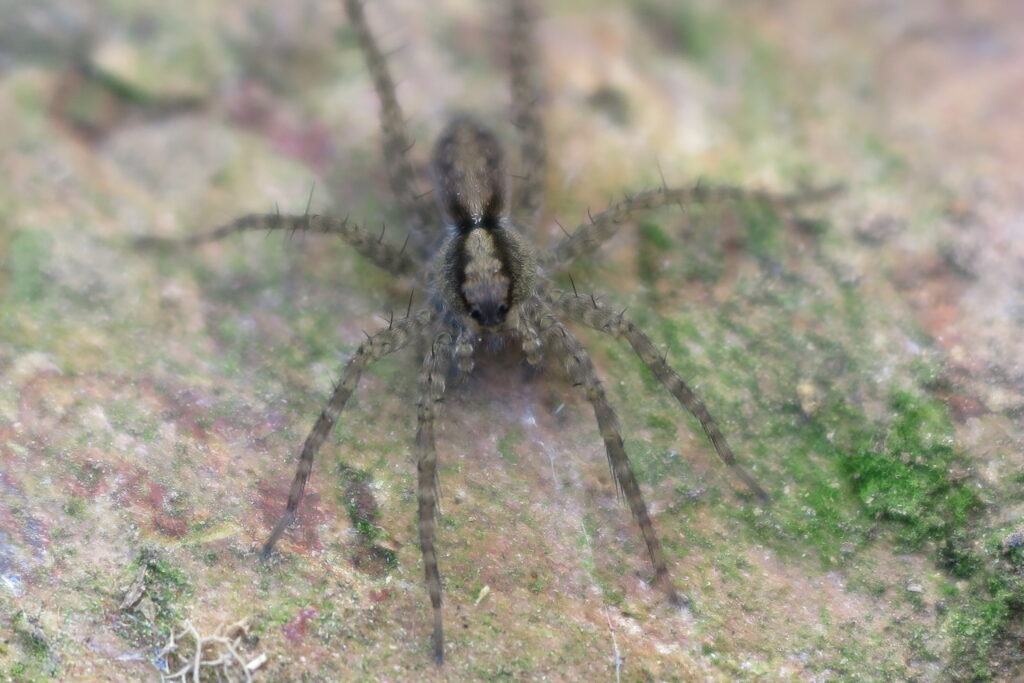
Several physical characteristics contribute to the wolf spider’s intimidating appearance beyond actual body measurements alone. One of the most important is body structure. Wolf spiders possess thick compact bodies with powerful legs built for speed and hunting rather than delicate web construction.
Their broad cephalothorax, which is the front body section containing the eyes and legs, creates a wide aggressive-looking profile. Combined with dense leg spacing, this gives the spider a heavier appearance than many similarly sized arachnids. Even smaller wolf spiders may look substantial because of this body design.
The legs themselves are another major factor influencing perceived size. Wolf spider legs are long, muscular, and covered in fine sensory hairs that help detect movement and vibration. These thick legs make the spider look stronger and more physically dominant than slender web spiders.
Compared to the Jumping Spider, wolf spiders appear dramatically larger even when body lengths are somewhat similar. Jumping spiders possess compact upright proportions, while wolf spiders spread outward with a low ground-hugging stance that visually expands their overall footprint.
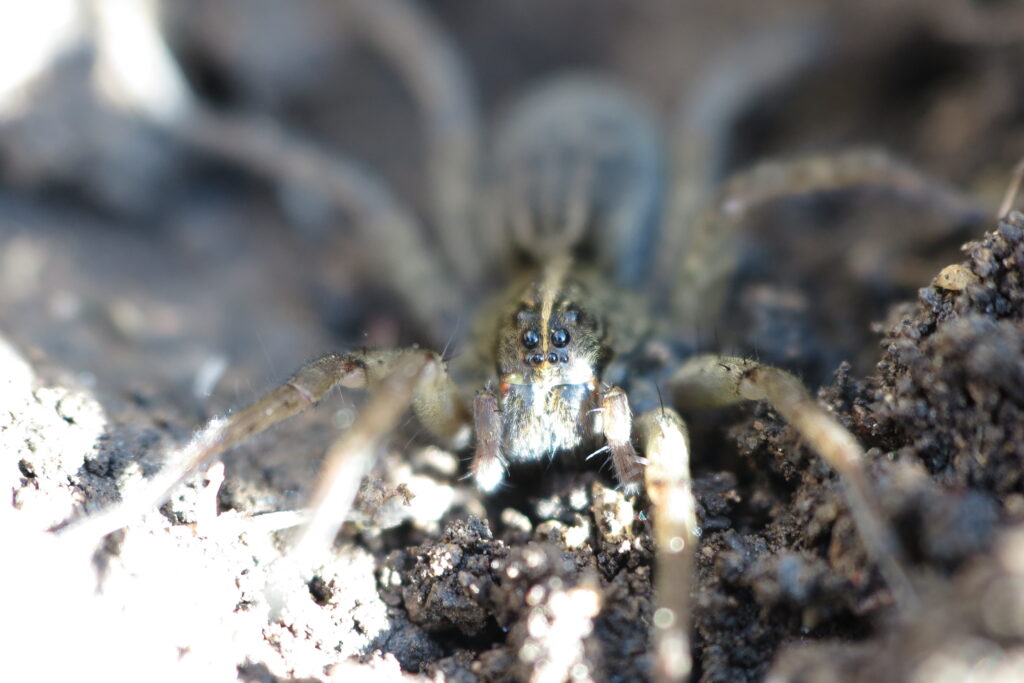
Their eye arrangement also contributes heavily to their appearance. Wolf spiders possess eight eyes arranged in multiple rows, including two especially large forward-facing eyes that reflect light strongly at night. These large eyes create a more noticeable “face” compared to many other spiders.
Coloration varies between species but usually includes earthy tones such as brown, gray, black, and tan. Many species display striped or mottled patterns that help them blend naturally into dirt, rocks, bark, and leaf litter. Dark coloration combined with thick legs often makes them appear larger than they truly are.
Another defining characteristic is the rounded abdomen of females carrying egg sacs or spiderlings. A female wolf spider transporting dozens of babies across her back can appear dramatically larger and more alarming than a typical solitary adult. This unique visual trait is one of the most recognizable characteristics of the group.
Wolf Spider Size and Their Role in the Ecosystem
Large body size gives wolf spiders several ecological advantages within their environment. Their strength and speed allow them to hunt a broad range of insects and small invertebrates directly on the ground rather than relying on webs. This active hunting strategy helps regulate insect populations across forests, grasslands, and suburban habitats.
Wolf spiders occupy an important position within local food webs as both predators and prey. They consume crickets, beetles, ants, flies, roaches, caterpillars, and many other small animals, helping maintain ecological balance. At the same time, birds, reptiles, amphibians, and mammals frequently prey upon wolf spiders themselves.
Their larger size also allows them to target prey that smaller spiders cannot easily overpower. This broadens their ecological role and increases their influence within invertebrate communities. Some larger species may even consume other spiders when opportunities arise.
Because wolf spiders hunt without webs, they remain highly mobile throughout their environment. Their size and movement make them important roaming predators within leaf litter, grasslands, and rocky terrain. In many ecosystems, they function similarly to small ground-based ambush hunters.
Compared to smaller web-building spiders, wolf spiders influence ecosystems more directly through active predation. Web spiders passively wait for prey, while wolf spiders patrol and search continuously across open ground. Their physical size supports this energetic hunting style.
Wolf spiders also help reduce populations of nuisance insects around homes and gardens. Although many people fear their appearance because of their large size, these spiders often benefit human environments by consuming pests naturally. Their ecological value frequently outweighs the discomfort people feel after encountering them indoors.
Their adaptability has helped wolf spiders spread across a huge range of environments worldwide. From humid forests to dry deserts and suburban lawns, their body structure and hunting ability allow them to survive in diverse conditions. Larger species especially dominate open ground habitats where speed and strength provide major advantages.
Through active hunting, insect population control, and participation in predator-prey relationships, wolf spiders remain highly important members of ecosystems throughout the world. Their intimidating size may initially alarm people, but that same size plays a major role in their success as adaptable and effective ground predators.
Popular Searches About Wolf Spiders
Explore Wolf Spider Guide
Explore More Wildlife

Support Encounters World
Help support wildlife photography and get behind the scenes discoveries on Patreon.