Wolf Spider Facts Guide: Interesting Facts, Identification, and Survival Traits
Quick Facts
Average Size: 0.25–2 inches long depending on species
Lifespan: Around 1–3 years
Global Range: Found worldwide except Antarctica
Conservation Status: Not Evaluated as a single species group
Main Hunting Style: Active ground hunter without webs
Notable Feature: Female wolf spiders carry babies on their back after hatching
Introduction to Wolf Spider Facts and Identification
The Wolf Spider is one of the most widespread and recognizable hunting spiders found throughout the world. Known for their fast movement, reflective eyes, and intimidating appearance, wolf spiders are commonly encountered in forests, grasslands, gardens, suburban neighborhoods, rocky terrain, and even inside homes. Unlike many spiders that rely on webs, wolf spiders actively roam across the ground searching for prey.
One of the most interesting facts about wolf spiders is how adaptable they are across different environments. Species within the wolf spider family exist in deserts, wetlands, forests, mountains, and human-altered landscapes. Their ability to survive in so many habitats has helped them become one of the most successful spider groups on Earth.
Wolf spiders are also famous for their unusual parental care. Female wolf spiders carry egg sacs attached behind them and later transport dozens of newly hatched spiderlings directly on their back. This behavior is extremely uncommon among spiders and often surprises people who encounter a mother covered in tiny moving babies.
Although their large size and rapid movement can appear frightening, wolf spiders are generally shy predators that prefer escape over confrontation. Most species pose little medical risk to humans and instead play an important ecological role by naturally controlling insect populations. Their combination of speed, vision, adaptability, and unique appearance makes them one of the most fascinating spiders in North America and beyond.
Wolf Spider Appearance Facts and Visual Identification
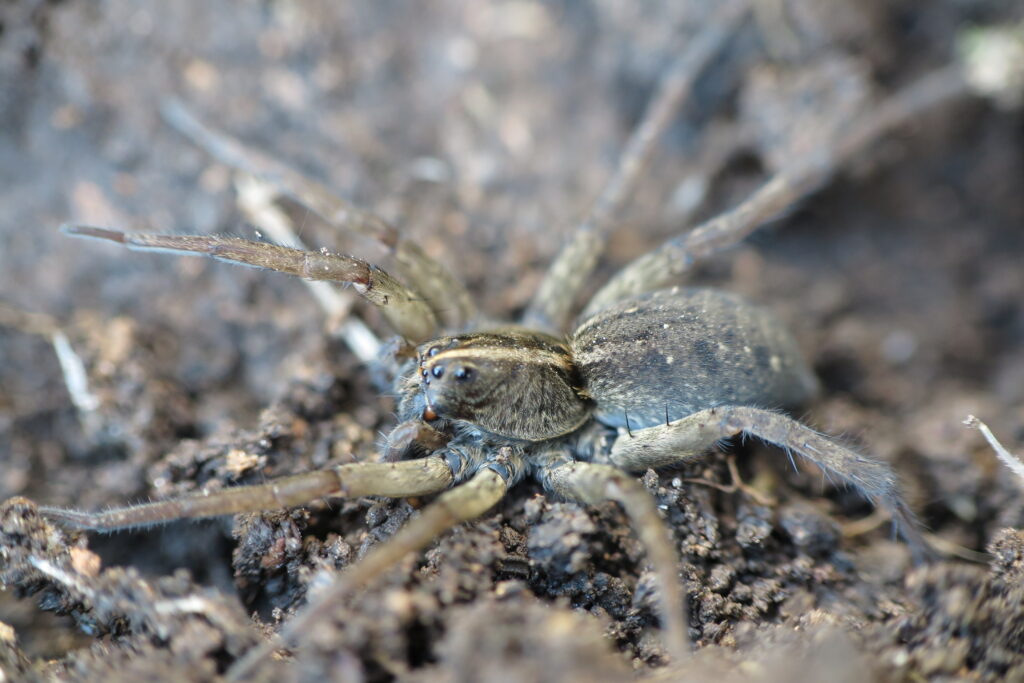
Wolf spiders possess a thick muscular body structure that immediately separates them from delicate web-building spiders. Most species display earthy camouflage colors such as brown, gray, tan, or black that help them blend naturally into soil, rocks, bark, and leaf litter. Some species also feature striped or mottled markings across the body and legs.
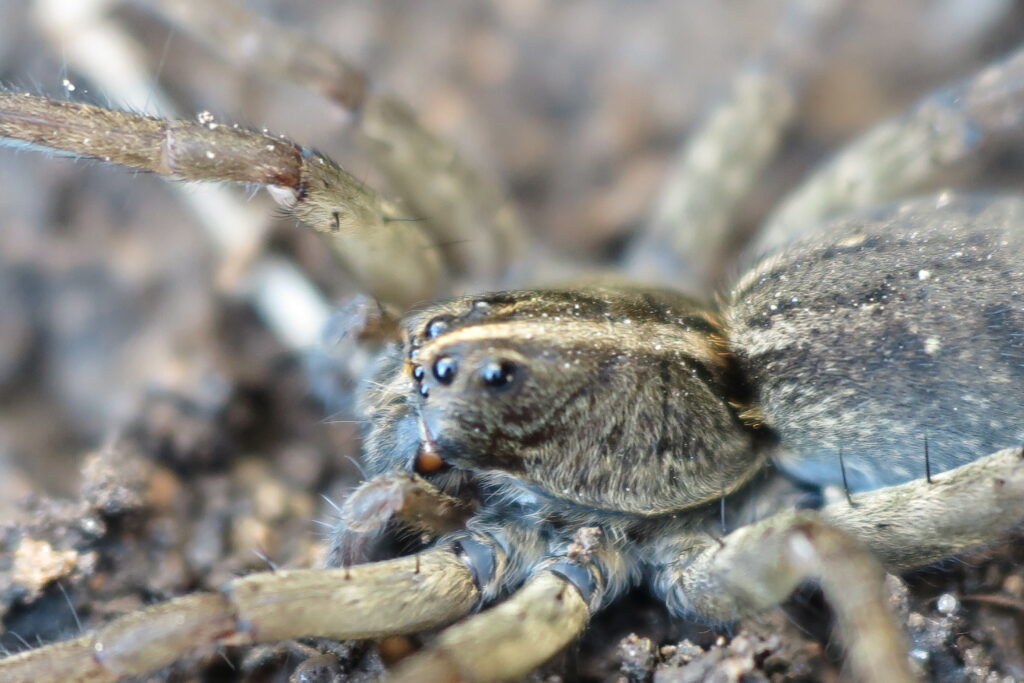
One of the most recognizable wolf spider facts involves their eye arrangement. Wolf spiders have eight eyes positioned in three rows, including two especially large forward-facing eyes that reflect light strongly at night. Flashlight beams across grass or forest floors may reveal dozens of glowing reflections from their eyes after dark.
Their size also contributes heavily to their reputation. Larger wolf spider species may stretch several inches across when legs are fully extended, making them appear enormous compared to many household spiders. Some species are roughly the size of a small cookie or the width of a human palm.
Compared to the Brown Recluse Spider, wolf spiders appear bulkier, hairier, and more physically powerful. Brown recluses possess thinner smoother bodies, while wolf spiders have a rugged athletic appearance built for fast movement and active hunting.
Wolf spider legs are covered with fine sensory hairs that help detect vibration and movement. These thick sturdy legs contribute to the spider’s intimidating appearance but also support its role as a roaming predator. Their low ground-hugging posture further separates them from many web-based spider species.
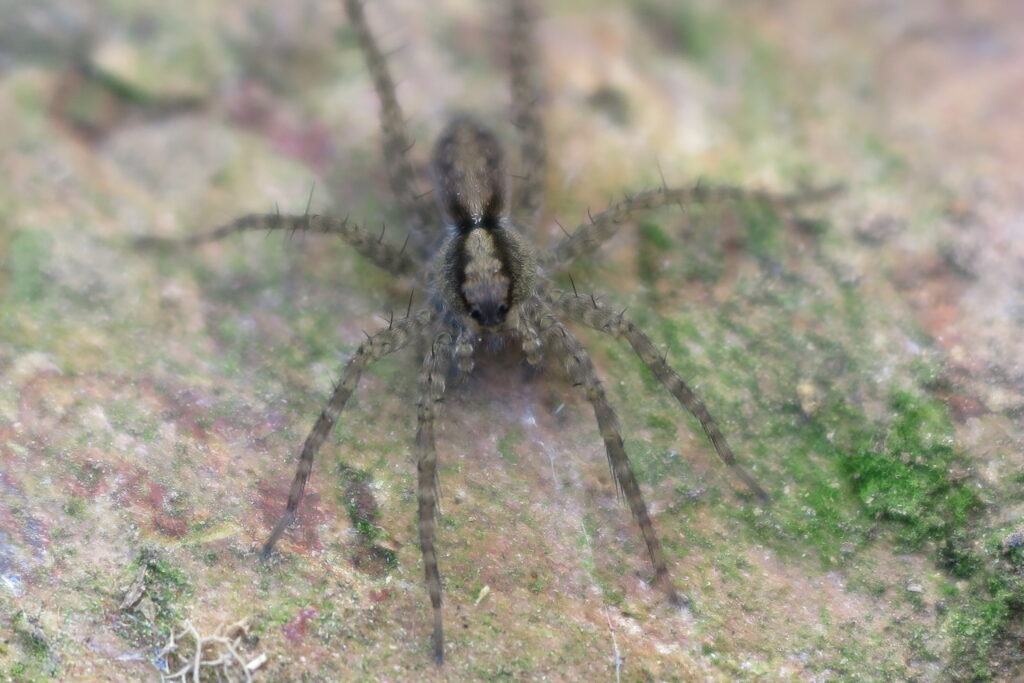
Juvenile wolf spiders often resemble miniature adults shortly after hatching. Although extremely small at first, spiderlings already possess the recognizable eye arrangement and body proportions associated with mature individuals. This early resemblance helps identify wolf spider young more easily than many other immature arachnids.
Another interesting visual fact is that female wolf spiders carrying babies appear dramatically different from solitary adults. A mother transporting dozens of spiderlings across her back creates one of the most recognizable spider scenes in the natural world. This unusual appearance frequently shocks people who encounter them unexpectedly.

General Wolf Spider Facts and Unique Characteristics
One of the most important wolf spider facts is that these spiders do not build prey-catching webs like many other species. Instead, they actively chase or ambush insects directly on the ground. Their hunting style resembles a tiny mammalian predator more than a traditional web-building spider.
Wolf spiders also possess excellent eyesight compared to many arachnids. Their large central eyes help detect movement and judge distance while hunting prey across uneven terrain. This visual ability is one reason they can successfully hunt without relying on webs.
Another fascinating characteristic is their speed. Wolf spiders can move extremely quickly in short bursts, especially when startled or chasing prey. Their movement style often appears sudden and direct, which contributes heavily to the fear people experience during indoor encounters.
Compared to the Jumping Spider, wolf spiders appear more elongated and ground-oriented. Jumping spiders rely heavily on vertical jumping and compact body design, while wolf spiders maintain a wider lower posture optimized for rapid running across surfaces.
Wolf spiders are also mostly nocturnal or crepuscular, meaning they become especially active during evening and nighttime hours. Cooler temperatures and reduced daylight often provide better hunting opportunities and reduce exposure to daytime predators.
Despite common myths, wolf spiders are not considered dangerously venomous to humans. Their venom is designed primarily for subduing insects and small prey rather than harming large animals. Most bites, when they occur, result only in mild temporary irritation similar to a bee sting.
Another unique fact involves their environmental adaptability. Wolf spiders successfully survive in deserts, wetlands, forests, grasslands, gardens, and suburban neighborhoods. Few spider groups display such broad environmental tolerance across different climates and ecosystems.
Wolf Spider Ecological Facts and Environmental Importance
Wolf spiders play an extremely important ecological role as active insect predators within countless ecosystems worldwide. By hunting beetles, flies, crickets, ants, caterpillars, roaches, and other small animals, they help naturally regulate insect populations. Their predatory behavior contributes heavily to environmental balance.
Unlike stationary web spiders, wolf spiders patrol actively through leaf litter, grass, rocks, and soil surfaces while searching for prey. This movement allows them to influence insect communities across broader areas rather than remaining fixed in one location. Their roaming hunting style makes them highly effective predators.
Wolf spiders also serve as prey themselves within larger food webs. Birds, reptiles, amphibians, mammals, and larger predatory insects frequently feed on wolf spiders. Even large species remain vulnerable to numerous predators despite their speed and camouflage.
Because they consume many nuisance insects, wolf spiders often benefit gardens, farms, and suburban environments naturally. Their insect control helps reduce pest populations without pesticides or chemical treatments. In many environments, they function as valuable natural pest management predators.
Compared to smaller web-building spiders, wolf spiders occupy a more physically active ecological niche. Their hunting behavior resembles miniature ground predators constantly moving through ecosystems searching for opportunities. This active role helps maintain healthy balance among countless invertebrate species.
Wolf spiders also contribute to biodiversity within forest floors and grassland environments. Their presence indicates functioning insect populations and healthy ground-level habitats. Large numbers of wolf spiders often reflect stable ecological conditions with sufficient prey availability.
Human encounters with wolf spiders frequently create fear because of their size and movement, but these spiders are usually beneficial rather than harmful. Most species avoid confrontation and instead focus entirely on survival and hunting. Their intimidating appearance often overshadows their ecological importance.
Through insect control, predator-prey interaction, environmental adaptability, and unique hunting behavior, wolf spiders remain one of the most successful and ecologically valuable spider groups in the world. Their combination of speed, vision, camouflage, and parental care makes them one of the most fascinating predators found within ground-level ecosystems.
Popular Searches About Wolf Spiders
Explore Wolf Spider Guide
Explore More Wildlife

Support Encounters World
Help support wildlife photography and get behind the scenes discoveries on Patreon.