Wolf Spider Bite Guide: Symptoms, Identification, and Bite Facts
Quick Facts
Bite Severity: Usually mild to moderate for humans
Typical Symptoms: Redness, swelling, mild pain, itching, and irritation
Venom Type: Non-medically significant to most healthy adults
Average Fang Size: Small but visible in larger species
Global Range: Found worldwide except Antarctica
Conservation Status: Not Evaluated (varies by species)
Notable Feature: Large hunting spider often mistaken for more dangerous species
Introduction to Wolf Spider Bites and Human Encounters
The Wolf Spider is one of the most commonly encountered large spiders across North America and many other regions worldwide. Because of their size, speed, and intimidating appearance, wolf spiders are frequently associated with fears about venomous spider bites. Encounters often happen unexpectedly while moving rocks, gardening, hiking, or discovering one indoors near floors or basements.
Wolf spider bites are generally defensive rather than aggressive. Most bites occur when the spider becomes trapped against skin, accidentally handled, or suddenly threatened. Unlike highly dangerous spider species, wolf spiders are not considered medically significant for most healthy individuals, though bites can still cause discomfort and localized irritation.
Many people mistake wolf spiders for far more dangerous spiders due to their thick legs, large body, and hairy appearance. In dim lighting, larger species can resemble small tarantulas or other intimidating arachnids. This confusion often causes unnecessary panic when a wolf spider is discovered indoors or outdoors.
Although bites are relatively uncommon, understanding wolf spider identification and bite symptoms helps separate myth from reality. Most encounters end without any physical contact at all, as wolf spiders typically prefer retreat over confrontation. Their defensive behavior and generally mild venom make them far less dangerous than their appearance suggests.
Wolf Spider Bite Overview and Visible Spider Identification
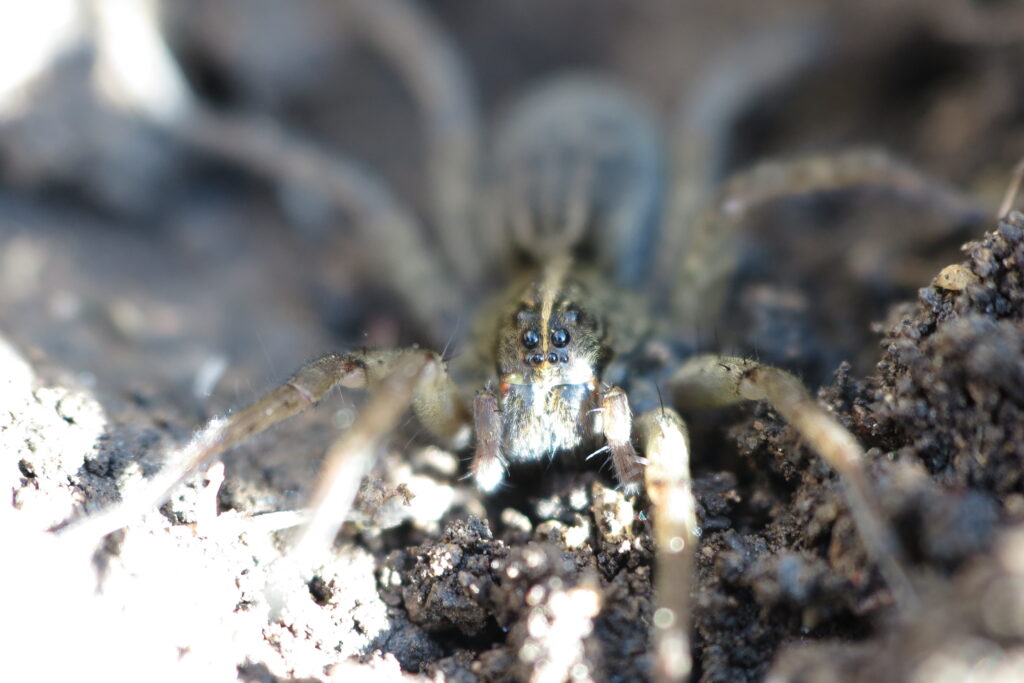
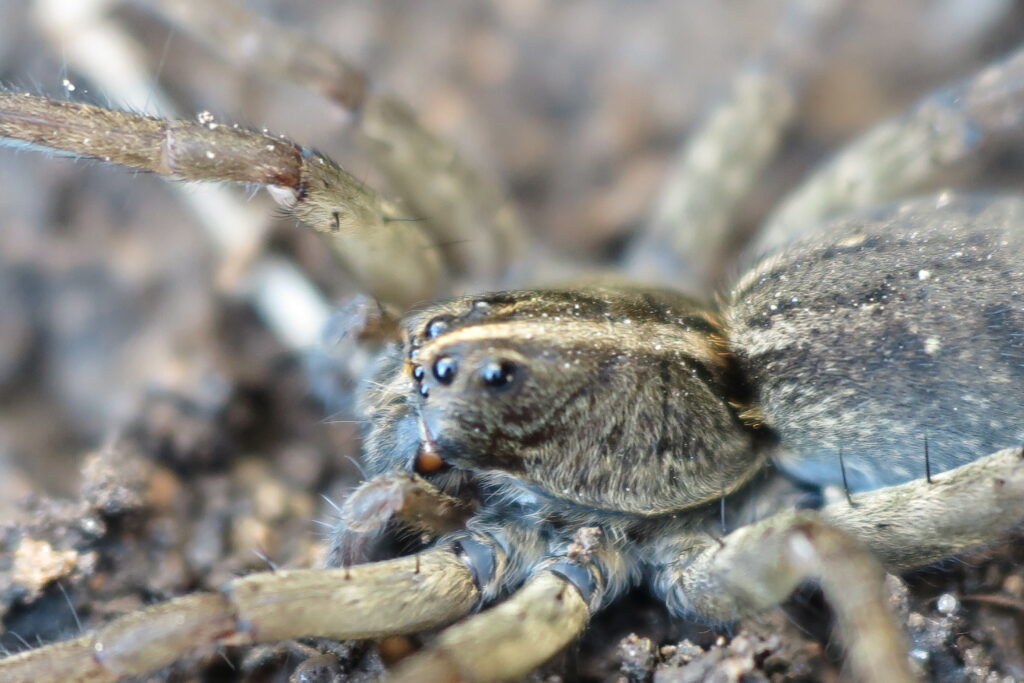
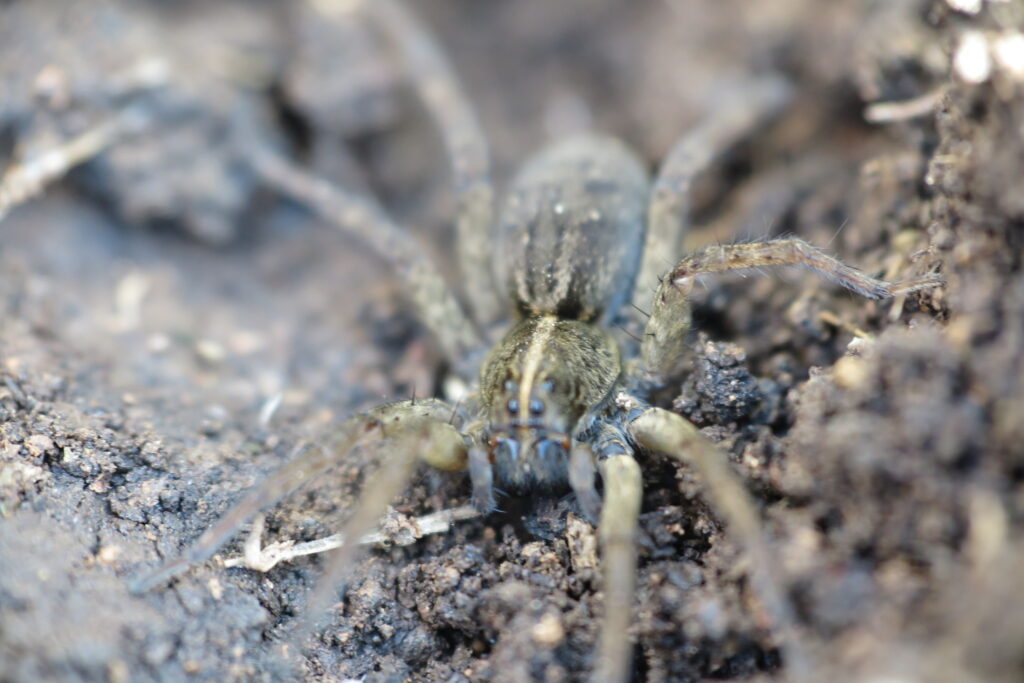
Wolf spiders possess a thick-bodied, muscular appearance that often causes concern when people encounter them unexpectedly. Their large size compared to many household spiders makes them seem more threatening than they actually are. Most species display brown, gray, black, or tan coloration that blends naturally into soil, bark, and leaf litter.
The body is covered in fine hairs that create a rugged texture across the legs and abdomen. Under close observation, many wolf spiders display intricate striping and camouflage-like markings rather than simple flat coloring. These patterns help them disappear into natural terrain while also contributing to their intimidating appearance.
One of the easiest ways to identify a wolf spider is through its eye arrangement. The spider has eight eyes arranged in three distinct rows, including two large forward-facing eyes that reflect light strongly at night. This reflective appearance often makes their eyes glow under flashlights, especially in dark outdoor environments.
In size, larger wolf spiders can appear roughly comparable to the width of a golf ball when including leg span. Smaller species remain much more compact but still maintain the same sturdy body structure. Their heavy stance and low body position create a powerful visual profile unlike delicate web-building spiders.
Compared to the Brown Recluse, wolf spiders are generally larger, hairier, and more robust in appearance. Brown recluses have smoother bodies, thinner legs, and a flatter overall structure. Wolf spiders also possess a more obvious eye arrangement, while recluse spiders have only six eyes instead of eight.
The fangs of a wolf spider are relatively small but capable of piercing human skin if the spider feels threatened. Larger species may produce a bite sensation similar to a sharp pinprick or bee sting. Visible bite marks sometimes appear as two tiny puncture points surrounded by mild redness.
Because wolf spiders are wandering hunters rather than web-dwelling spiders, they are often encountered directly on floors, trails, rocks, or ground surfaces. Their sudden movement and size frequently create stronger reactions than the actual medical significance of their bite would justify.
General Characteristics of Wolf Spider Bites and Symptoms
Wolf spider bites are usually mild for healthy adults and rarely require serious medical treatment. Most symptoms remain localized around the bite area and fade gradually over time. Common reactions include redness, swelling, itching, tenderness, and moderate pain.
The bite itself is often described as feeling similar to a bee sting or sharp needle prick. Some individuals notice immediate discomfort, while others experience mild irritation that develops gradually afterward. Reactions can vary depending on body sensitivity and the size of the spider involved.
Visible swelling around the bite area may appear within minutes or hours after contact. In many cases, the skin becomes slightly raised and warm to the touch. Some bites also produce mild itching or irritation lasting several days before fading naturally.
Compared to bites from the Black Widow, wolf spider bites are far less medically severe. Black widow venom can affect the nervous system and produce widespread symptoms, while wolf spider venom typically remains limited to local discomfort around the bite site.
In rare situations, some people may experience stronger reactions due to allergies, sensitivity, or secondary infection caused by scratching the bite. Increased swelling, unusual pain, fever, or spreading redness should be monitored carefully if symptoms worsen. Most uncomplicated bites improve without major medical intervention.
Wolf spider venom primarily functions to subdue insect prey rather than defend against large animals. As a result, the venom is not designed to cause severe harm to humans. Their bite is defensive and intended mainly to create enough discomfort for the spider to escape danger.
Another important characteristic is that many skin irritations blamed on wolf spiders are actually caused by unrelated insect bites or infections. Because wolf spiders are large and visible, they are frequently accused without confirmation. Accurate identification is important before assuming a wolf spider caused a skin reaction.
Wolf Spider Role in the Ecosystem and Why They Rarely Bite Humans
The Wolf Spider plays an important ecological role as a widespread predator of insects and smaller invertebrates. Across forests, grasslands, gardens, and suburban landscapes, wolf spiders help regulate populations of many ground-dwelling insects. Their presence contributes to natural ecological balance in countless environments.
Because wolf spiders are active hunters rather than web-dependent predators, they directly interact with insects moving across soil, leaves, and vegetation. This helps reduce populations of certain pest species naturally. In gardens and agricultural environments, wolf spiders can act as beneficial predators that limit damaging insect numbers.
Despite their intimidating appearance, wolf spiders usually avoid human contact whenever possible. Their first response to disturbance is almost always escape rather than aggression. Most bites happen only when the spider becomes trapped inside clothing, pressed against skin, or physically handled.
Wolf spiders also serve as prey for birds, reptiles, amphibians, and mammals. This places them within an important middle layer of many food webs. By functioning as both predator and prey, they help transfer energy through ecosystems and support broader biodiversity.
Their camouflage and hidden lifestyle reduce the likelihood of direct interaction with humans. Many people unknowingly walk near wolf spiders regularly without ever noticing them. The spider’s coloration and low ground posture help it remain concealed beneath leaves, rocks, and debris.
Fear surrounding wolf spider bites often comes more from appearance than actual medical danger. Their large size and fast movement naturally trigger caution in many people. However, their ecological role and generally defensive nature make them far more beneficial than harmful within natural environments.
Wolf spiders ultimately help maintain healthy insect balance while posing minimal threat to humans. Their bites are usually mild, their venom is not medically significant for most people, and aggressive encounters are uncommon. Although their appearance may seem intimidating at first glance, wolf spiders remain valuable predators within ecosystems around the world.
Popular Searches About Wolf Spiders
Explore Wolf Spider Guide
Explore More Wildlife

Support Encounters World
Help support wildlife photography and get behind the scenes discoveries on Patreon.