Wolf Spider Nest Guide: Burrows, Egg Sacs, and Spider Nursery Facts
Quick Facts
Nest Type: Ground burrow, silk-lined retreat, or hidden shelter
Typical Nest Placement: Under rocks, logs, leaf litter, bark, and soil crevices
Average Nest Size: 1–4 inches wide depending on species
Egg Sac Appearance: Round silk sac attached to the female’s abdomen
Spiderling Development: Young spiders ride on the mother’s back after hatching
Global Range: Found worldwide except Antarctica
Conservation Status: Not Evaluated (varies by species)
Notable Feature: Females carry egg sacs and spiderlings instead of leaving them in a web
Introduction to Wolf Spider Nests and Shelter Structures
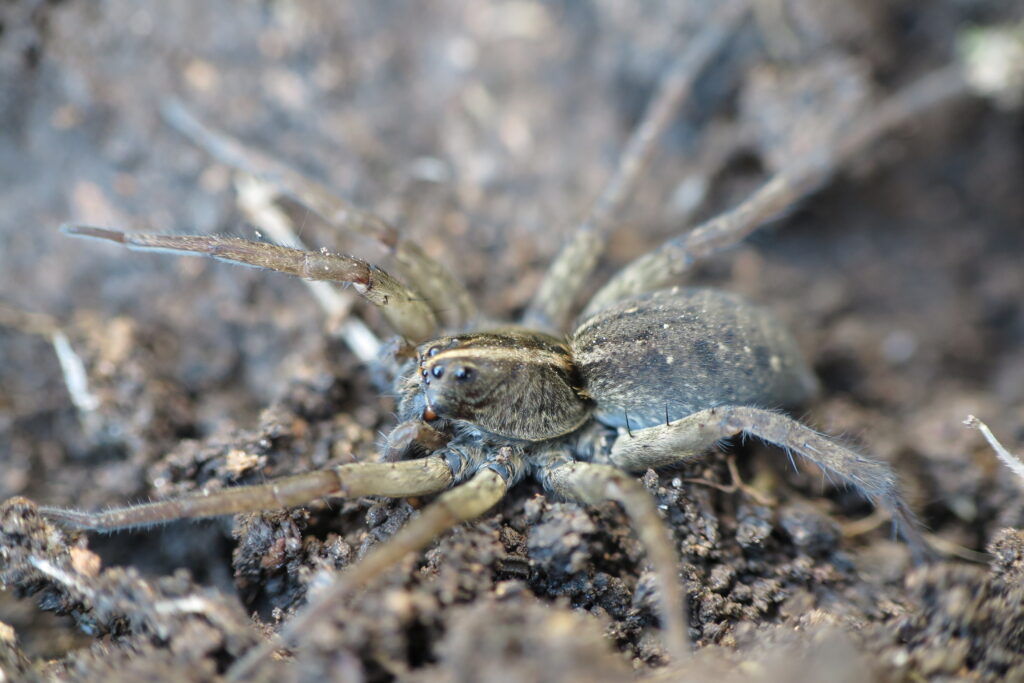
The Wolf Spider is widely recognized for its roaming hunting behavior, but its nesting and shelter habits are equally fascinating. Found across nearly every continent except Antarctica, wolf spiders use hidden ground-level retreats rather than large visible webs. These shelters provide protection from predators, harsh weather, and environmental exposure while also supporting reproduction and egg development.
Unlike orb-weaving spiders that build suspended silk traps in open spaces, wolf spiders usually remain closely connected to the ground. Their nests are often concealed beneath rocks, logs, bark, leaf litter, or within shallow soil burrows. Many individuals spend daylight hours hidden inside these retreats before emerging later under low-light conditions.
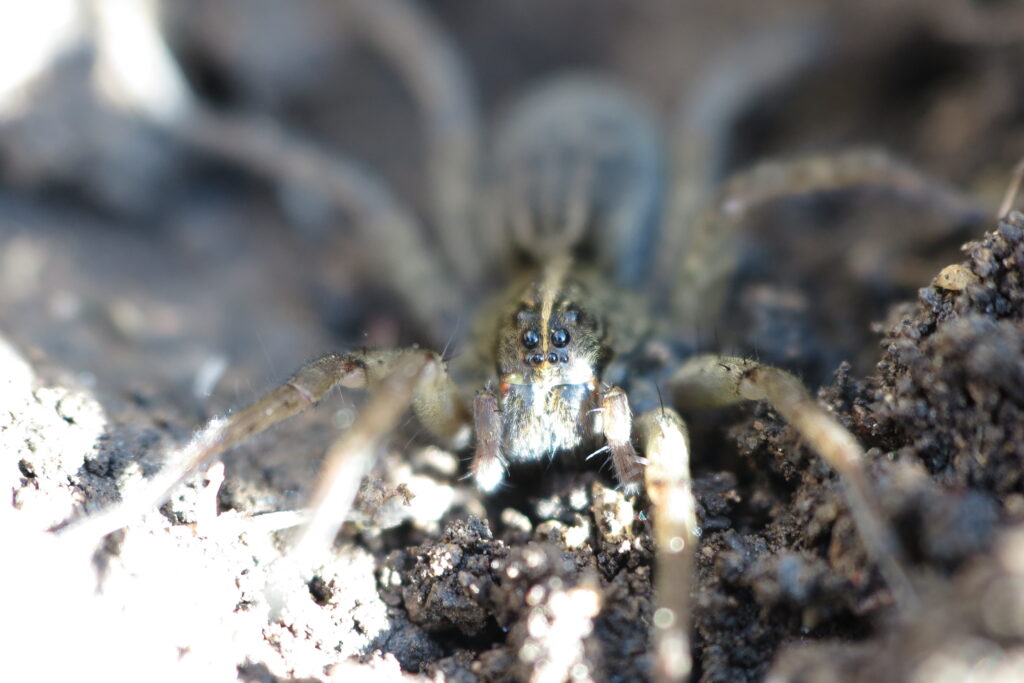
Wolf spider nests are generally subtle and difficult to notice unless carefully examined. A small silk-lined opening beneath a stone or a hidden crevice in loose soil may serve as an active retreat for long periods. Because these shelters blend naturally into surrounding terrain, most wolf spider nests remain unnoticed by people.
Female wolf spiders display especially unique nesting behavior through the use of egg sacs and spiderling care. Instead of abandoning eggs inside a stationary nest, females actively carry silk egg sacs attached to the rear of their bodies. After hatching, young spiderlings often gather directly on the female’s back, creating one of the most distinctive parental sights among spiders.
Wolf Spider Nest Overview and Shelter Appearance
Wolf spider nests are usually compact ground shelters rather than elaborate web structures. Many species create shallow burrows or occupy existing crevices beneath rocks, bark, and debris. These hidden retreats function as safe resting areas protected from direct sunlight and environmental exposure.
Some burrows appear as small round openings in soil lined lightly with silk. Others may look like narrow cracks beneath stones or hidden pockets beneath loose bark. Unlike highly visible spider webs stretched across vegetation, wolf spider nests are designed to remain concealed and structurally simple.
The interior of the retreat is often lined with thin silk that helps reinforce loose surfaces and stabilize the shelter. This silk does not form prey-catching webs but instead acts more like a protective inner coating. In certain species, silk may also help retain moisture and improve insulation within the shelter.
Nest size varies greatly depending on species and body size. Smaller wolf spiders may occupy retreats only slightly wider than a pencil eraser, while larger species create burrows large enough to fit a golf ball-sized body comfortably. Even larger shelters, however, usually remain modest compared to mammal burrows or insect colonies.
The surrounding terrain often determines the nest’s overall appearance. Forest-dwelling wolf spiders may build beneath damp leaf litter, while grassland species rely more heavily on loose soil or dry vegetation. Rocky environments commonly support nests hidden beneath flat stones or inside narrow ground crevices.
Compared to the Orb-weaver Spider, wolf spider nests appear extremely minimalistic. Orb-weavers create large symmetrical webs exposed in open air, while wolf spiders depend on hidden retreats with very little visible silk. Their shelters prioritize concealment over visual structure.
Egg sacs associated with nesting females are among the most recognizable wolf spider features. These pale silk spheres resemble tiny cotton balls or smooth beads attached beneath the spider’s abdomen. The egg sac travels with the female instead of remaining stationary within the nest itself.
General Characteristics of Wolf Spider Nests and Egg Sacs
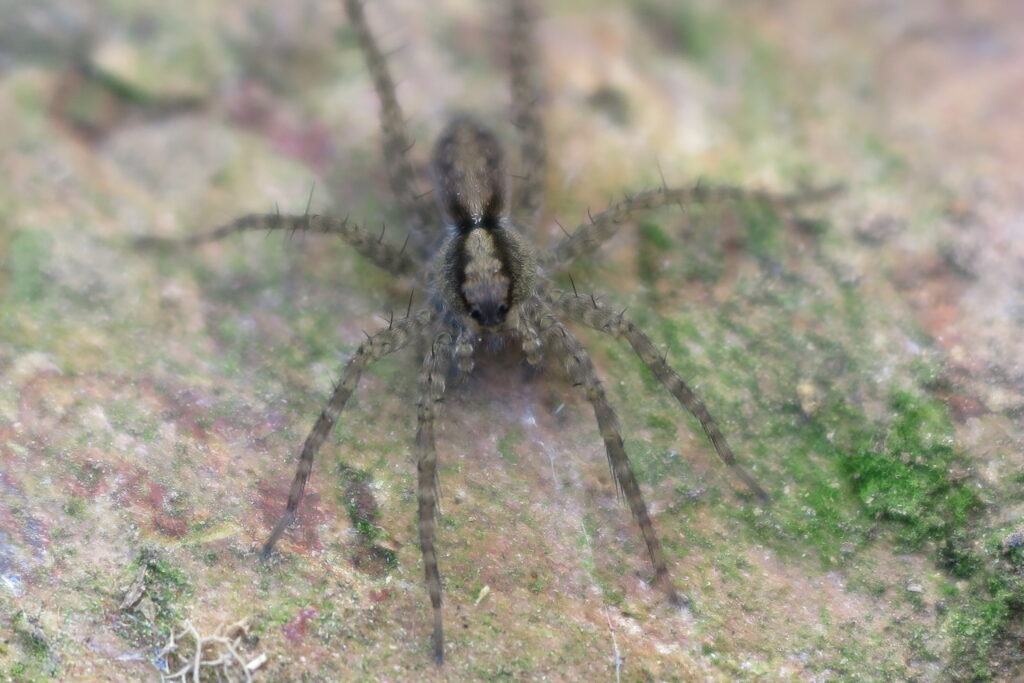
Wolf spider nests are strongly defined by their connection to ground-level concealment and simplicity. Rather than creating permanent silk structures in open spaces, wolf spiders rely on hidden retreats that blend naturally into surrounding terrain. This nesting strategy helps reduce visibility to predators and environmental stress.
One defining characteristic is the use of silk as reinforcement rather than as a trapping mechanism. Thin silk layers line the interior of burrows and retreats, helping stabilize loose material and create smoother shelter surfaces. The silk remains subtle and usually difficult to detect unless viewed closely.
Female wolf spiders are especially recognizable during reproductive periods because they carry egg sacs externally. The egg sac is attached to spinnerets at the rear of the abdomen and moves with the spider constantly. This portable nursery system differs dramatically from many spiders that leave eggs behind in stationary webs.
The egg sacs themselves are round and smooth with pale cream, white, or gray coloration. In size, they often resemble tiny marbles or compact pearls attached beneath the female. Their silk surface appears tightly woven and durable enough to protect developing spiderlings.
Compared to the Jumping Spider, wolf spiders show more extensive visible maternal care after eggs hatch. Jumping spiders may guard egg sacs inside retreats, while wolf spider mothers actively transport both egg sacs and spiderlings directly on their bodies.
Another striking feature occurs after hatching, when dozens or even hundreds of spiderlings climb onto the female’s back. The mother may appear covered in moving dark specks as young spiders cluster tightly together. This behavior creates one of the most visually unusual scenes among terrestrial arthropods.
Nest openings themselves are often extremely difficult to identify in natural environments. Soil coloration, leaf litter, moss, and surrounding debris blend naturally with the retreat entrance. Even active nests may appear no different than ordinary cracks or shadows along the ground surface.
Wolf Spider Nest Role in the Ecosystem and Environmental Balance
Wolf spider nests and shelters contribute significantly to ground-level ecosystems by providing protected spaces for reproduction, development, and predator survival. These hidden retreats support the continuation of wolf spider populations across forests, grasslands, wetlands, and rocky environments. Healthy populations of predatory spiders help maintain ecological balance among invertebrates.
The burrows and retreats also influence microhabitat structure within soil and debris layers. Small spaces beneath rocks, bark, and leaf litter become part of broader environmental networks supporting insects, arthropods, and microorganisms. Wolf spider nests function as temporary but important components within these hidden ground ecosystems.
Female reproductive behavior further strengthens ecological stability by increasing offspring survival rates. Carrying egg sacs and spiderlings directly reduces exposure during vulnerable developmental stages. This parental protection helps maintain population numbers even in environments with heavy predator pressure.
Wolf spiders also serve as both predators and prey within local food webs. Their nests and shelters place them within direct interaction zones shared by beetles, insects, amphibians, reptiles, birds, and small mammals. These relationships help distribute energy throughout ecosystems at the ground level.
Abandoned wolf spider retreats may later provide shelter opportunities for smaller arthropods or insects. Even simple burrows and silk-lined crevices can temporarily support other organisms after the spider leaves. In this way, nests continue influencing local environments beyond their original use.
Ground-level predators like wolf spiders help naturally regulate insect populations in forests, gardens, and grasslands. By supporting spider reproduction and survival, nesting sites indirectly contribute to insect population control across wider ecosystems. This role becomes especially important in balanced natural environments.
Wolf spider nests also demonstrate the ecological importance of leaf litter, loose soil, and fallen debris. Areas rich in natural ground cover often support healthier spider populations than heavily disturbed landscapes. Preserving these layered surface environments benefits not only wolf spiders but many other organisms sharing the same habitat.
Although often overlooked because of their hidden nature, wolf spider nests represent an important part of terrestrial ecosystems worldwide. Their shelters support reproduction, maintain predator populations, and strengthen biodiversity within ground-level environments across countless landscapes.
Popular Searches About Wolf Spiders
Explore Wolf Spider Guide
Explore More Wildlife

Support Encounters World
Help support wildlife photography and get behind the scenes discoveries on Patreon.