Eastern Spring Beauty Pollinator Guide: Bees, Insects, and Ecological Importance
Quick Facts
Primary Pollinators: Native Bees
Secondary Pollinators: Small Flies, Beetles, Early Spring Insects
Pollinator Attraction Level: High
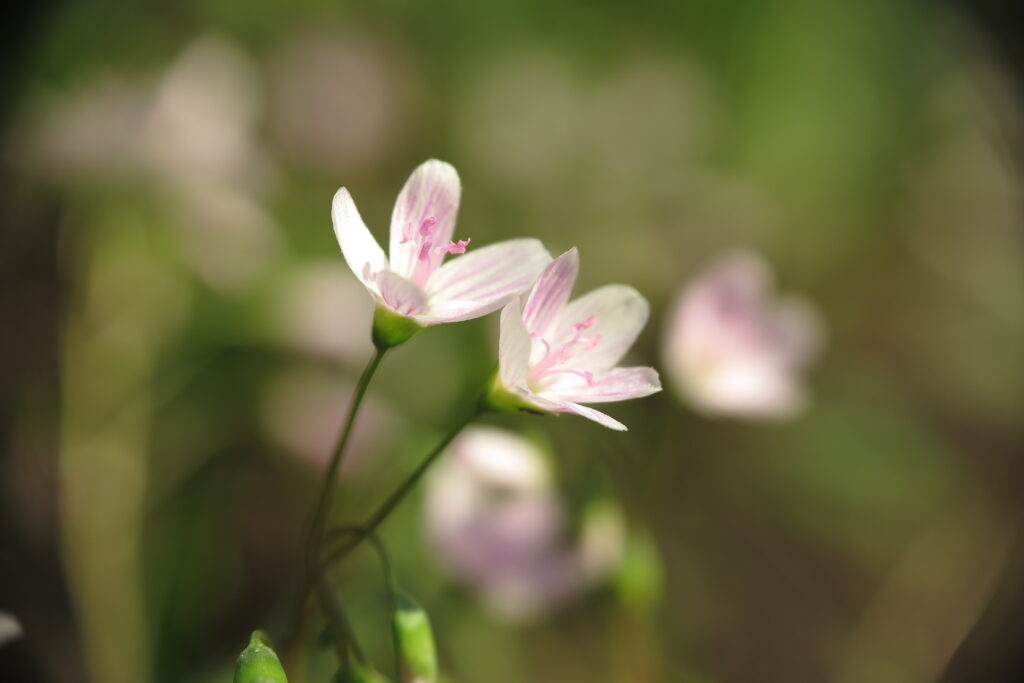
Flower Color: White to Pale Pink with Pink Veining
Nectar Production: Moderate
Pollen Availability: High
Pollination Type: Insect Pollination
Eastern Spring Beauty and Its Relationship with Pollinators
Eastern Spring Beauty (Claytonia virginica) plays an important role in supporting pollinators during one of the most challenging times of the year. As one of the earliest wildflowers to bloom in eastern North America, it provides valuable food resources when many other flowering plants remain dormant. This timing makes the species especially significant within native ecosystems.
Across its range, Eastern Spring Beauty often appears during a period when pollinating insects are actively searching for their first nectar and pollen sources of the season. For many insects emerging from winter shelter, these flowers may represent one of the earliest available opportunities to refuel. The abundance of blooms found in large colonies further increases their value.
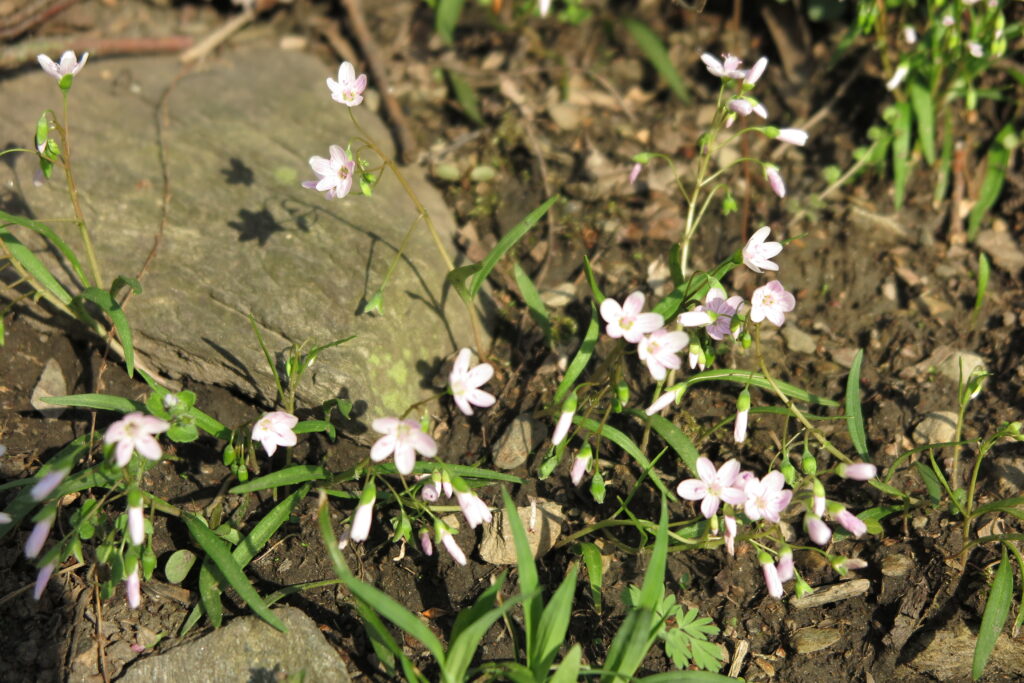
Although the flowers are relatively small, their collective impact can be substantial. A woodland floor covered in blooming Eastern Spring Beauty may contain hundreds or even thousands of individual flowers. This concentration of resources creates an attractive feeding location for a variety of insects.
The connection between Eastern Spring Beauty and pollinators extends beyond simple visitation. The plant relies heavily on insect activity to complete reproduction, while insects benefit from reliable access to food. This relationship has developed over many generations and remains a key part of the species’ ecological success.
Eastern Spring Beauty's Most Important Pollinator Species
Native bees are widely considered the most important pollinators of Eastern Spring Beauty. Many solitary bee species become active during early spring and actively seek flowering plants capable of providing nectar and pollen. These bees frequently visit multiple flowers within a colony, increasing opportunities for successful pollination.
Among the most notable visitors are spring-active mining bees and other small native bee species. Their seasonal activity closely matches the flowering period of Eastern Spring Beauty, creating a strong ecological partnership. In many locations, these bees are among the first pollinating insects observed after winter.
Small flies may also contribute to pollination. While they are often less efficient than bees, their frequent flower visits can still result in pollen transfer. During cool spring weather, flies sometimes remain active when bee activity is reduced, providing an additional layer of pollination support.
Beetles occasionally visit Eastern Spring Beauty flowers as well. Although they are not primary pollinators, their movement among blooms can contribute to reproductive success. Their presence demonstrates how the flowers support a broader community of insects beyond just bees.
Compared to plants that depend on a single pollinator species, Eastern Spring Beauty benefits from attracting a diverse collection of visitors. This flexibility helps ensure successful pollination even when environmental conditions affect the activity of one particular insect group.
How Eastern Spring Beauty Attracts Pollinating Insects
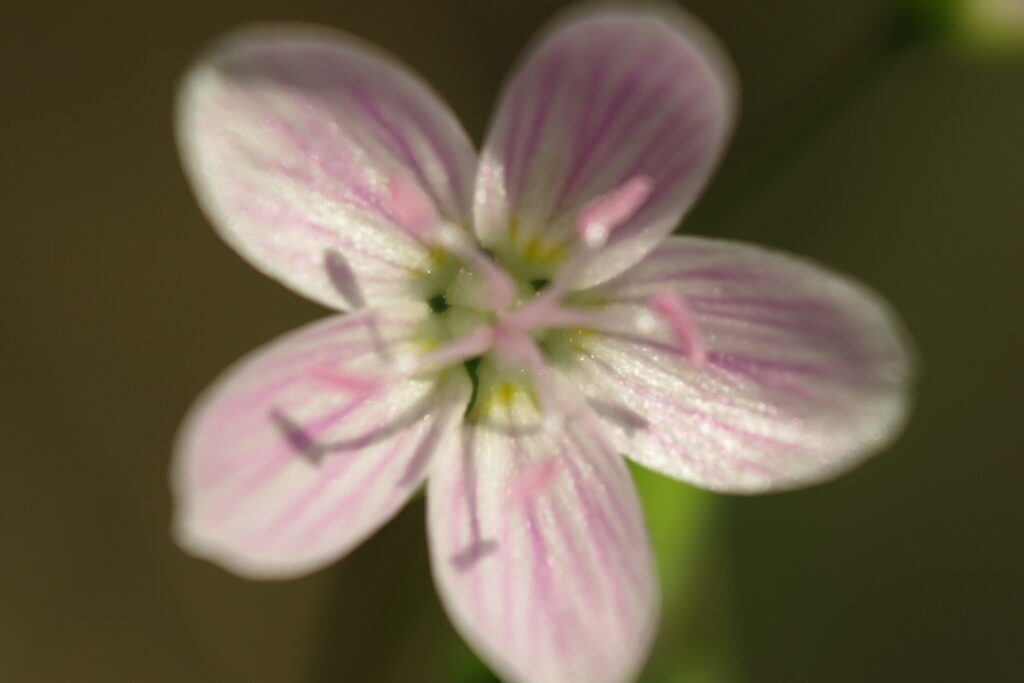
The flowers possess several characteristics that make them attractive to pollinators. Their pale petals and darker pink veins create visual patterns that are easy for insects to detect. These markings function much like natural guide lines, directing visitors toward the center of the flower.
Nectar serves as one of the primary rewards offered to pollinators. Insects visiting the flowers gain access to an energy-rich food source that supports flight and daily activity. During early spring, when alternative resources may be scarce, even modest nectar production can become highly valuable.
Pollen availability provides an additional incentive for flower visitation. Many bee species actively collect pollen to feed developing offspring. Eastern Spring Beauty produces accessible pollen that can be gathered efficiently, making the flowers especially useful to spring-active native bees.
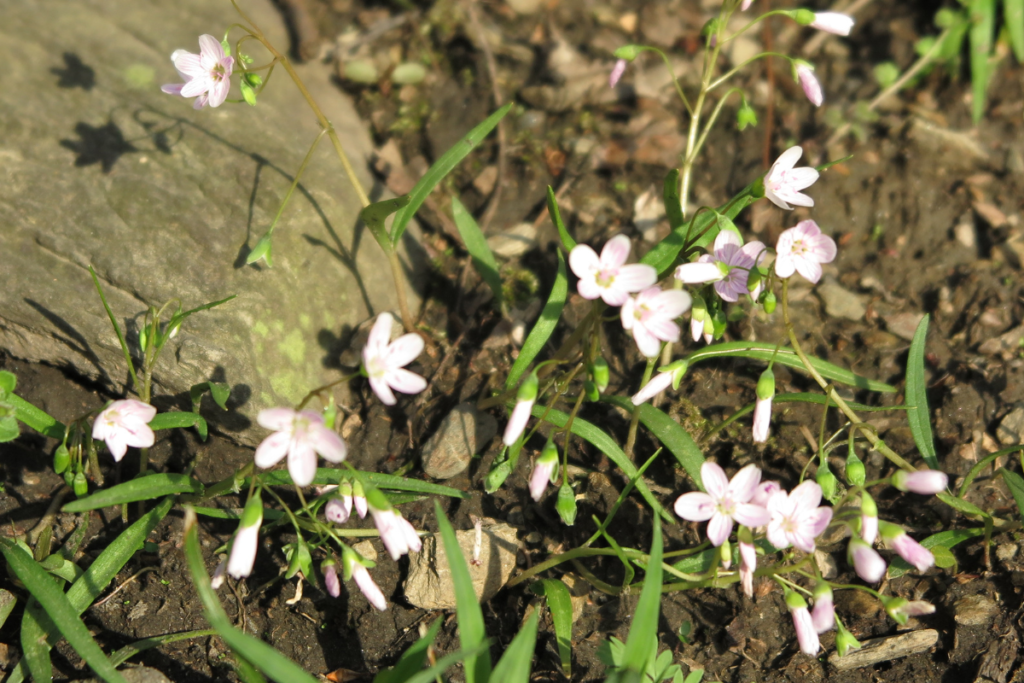
The arrangement of flowers within colonies further improves pollinator attraction. Instead of requiring insects to travel long distances between individual blooms, large patches provide concentrated feeding opportunities. This setup resembles a buffet where numerous food sources are available within a small area.
A useful comparison is to think of a flowering colony as an early-season service station for insects. Pollinators can obtain both fuel and resources while expending relatively little energy searching for food. This efficiency contributes to the popularity of Eastern Spring Beauty among spring pollinator communities.
Eastern Spring Beauty's Ecological Value for Pollinator Conservation
Eastern Spring Beauty contributes significantly to pollinator conservation by providing resources during a critical seasonal window. Early spring can be a difficult period for insects because flowering plants remain limited. Species that bloom during this time help bridge the gap between winter scarcity and summer abundance.
The plant supports not only individual pollinators but also entire populations. Reliable access to nectar and pollen can improve survival, reproductive success, and overall insect health. For native bee species emerging from winter dormancy, these resources may directly influence seasonal population growth.
Large flowering colonies create habitat value beyond simple food production. Concentrated blooms encourage pollinator activity within natural landscapes and help maintain ecological interactions. Areas containing healthy populations of Eastern Spring Beauty often support a wider diversity of early-season insects.
Conservation efforts that protect native wildflower communities frequently benefit pollinators as well. Preserving Eastern Spring Beauty populations helps maintain a dependable source of spring nutrition for insects that have evolved alongside the species. These benefits extend throughout the broader ecosystem as pollinators continue visiting other native plants later in the season.
The importance of Eastern Spring Beauty extends far beyond its visual appeal. While its delicate flowers attract attention from people, they also serve as essential resources for countless insects. This combination of beauty and ecological function helps explain why the species remains one of the most valuable early-blooming wildflowers in eastern North America.
Popular Searches About Eastern Spring Beauty
Explore Eastern Spring Beauty Guide
Explore More Plants

Support Encounters World
Help support wildlife photography and get behind the scenes discoveries on Patreon.