Eastern Spring Beauty Care Guide: How to Grow and Maintain This Native Wildflower
Quick Facts
Care Difficulty: Easy
Growth Rate: Moderate
Water Needs: Moderate
Sunlight Requirements: Partial Shade to Full Sun in Early Spring
Soil Preference: Rich, Well-Drained Loam
Fertilizer Needs: Low
Maintenance Level: Minimal
Eastern Spring Beauty Care Basics
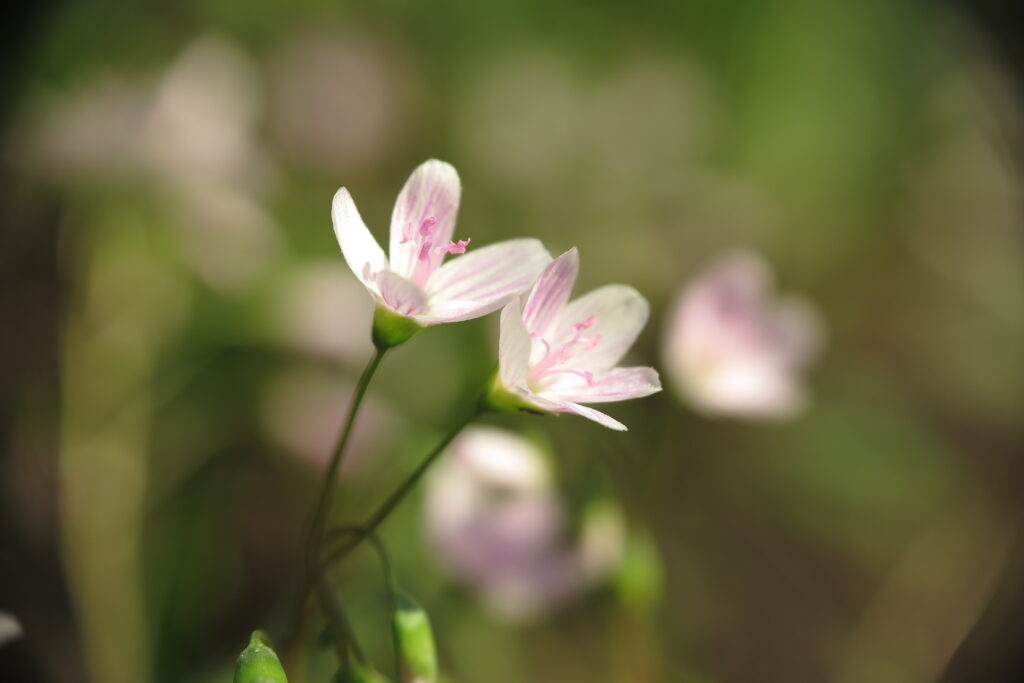
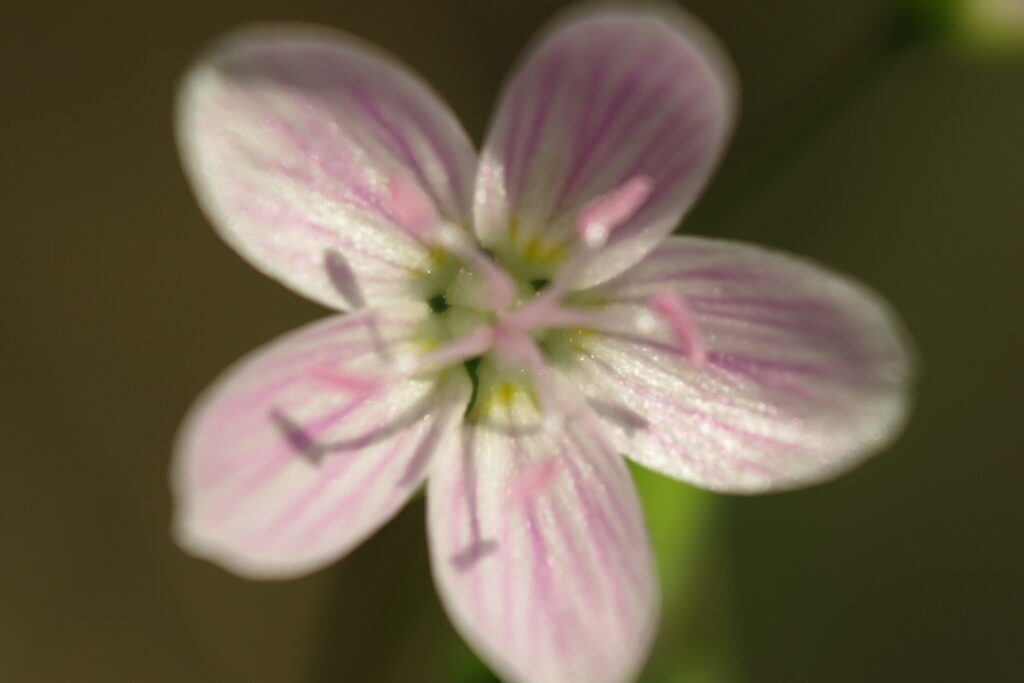
Eastern Spring Beauty (Claytonia virginica) is a low-maintenance native wildflower that thrives when planted in conditions similar to its natural environment. Unlike many ornamental flowers that require constant attention, this species has evolved to grow successfully with relatively little intervention. Its ability to return year after year makes it an attractive option for native plant gardens and woodland landscapes.
Native to eastern North America, Eastern Spring Beauty is well adapted to seasonal changes and naturally occurring environmental conditions. Gardeners often appreciate its reliability because the plant follows a predictable annual cycle without requiring extensive management. Once established, it generally becomes one of the easier spring wildflowers to maintain.
One of the keys to successful care is understanding that Eastern Spring Beauty spends much of the year dormant below ground. New growers sometimes assume the plant has disappeared permanently after spring, only to discover it returns the following season. Recognizing this natural cycle helps prevent unnecessary disturbance.
Although the species is resilient, proper site selection remains important. Providing suitable growing conditions from the beginning significantly reduces future maintenance requirements. When planted in an appropriate location, Eastern Spring Beauty often thrives with little more than occasional observation.
Eastern Spring Beauty Sunlight and Water Requirements
Eastern Spring Beauty performs best in locations that receive ample sunlight during early spring. Deciduous woodlands often provide ideal conditions because sunlight reaches the forest floor before trees develop full leaf canopies. This seasonal light pattern closely matches the plant’s natural preferences.
Partial shade remains suitable throughout much of the year. As surrounding vegetation becomes denser during late spring and summer, the plant is already entering dormancy below ground. This timing allows it to benefit from bright spring conditions without requiring continuous exposure to direct sunlight.
Water requirements are generally moderate. The species prefers soils that remain consistently moist during its active growing period but not permanently saturated. Excessively dry conditions may reduce vigor, while prolonged waterlogging can damage underground structures.
A useful comparison is to think of Eastern Spring Beauty as a plant that enjoys the same moisture conditions favored by many woodland wildflowers. The soil should feel slightly damp, similar to the leaf-covered ground found in healthy forests. Maintaining this balance encourages healthy annual growth.
During dormancy, supplemental watering is rarely necessary unless prolonged drought conditions occur. Because the visible portion of the plant has already completed its seasonal activity, water demands decline significantly. This characteristic contributes to the species’ reputation as an easy-care perennial.
Soil Conditions and Long-Term Plant Health
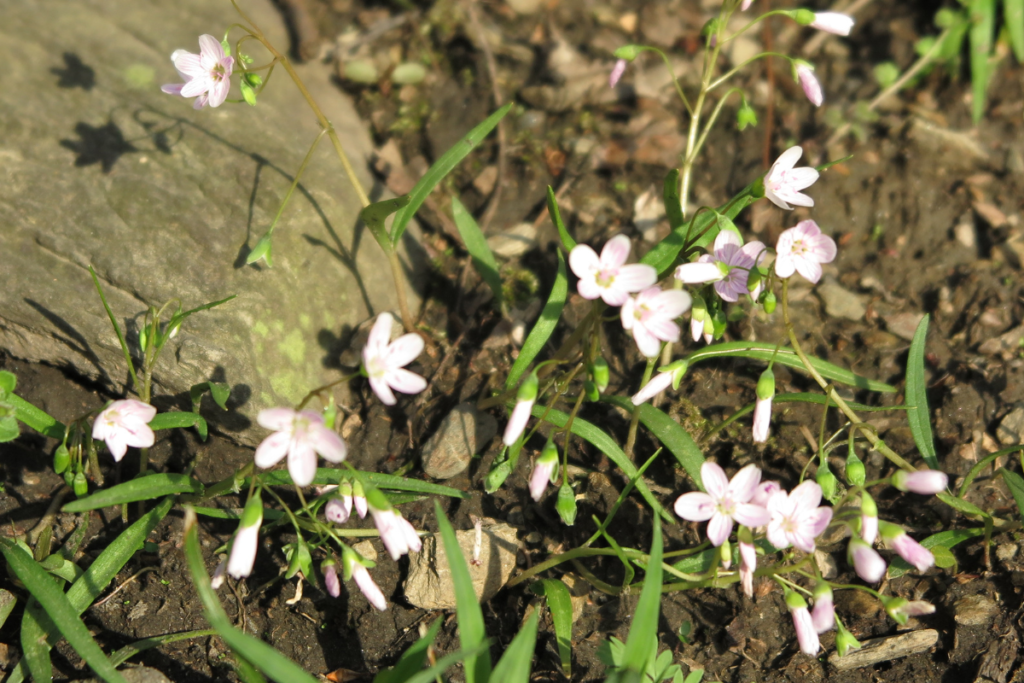
Rich, well-drained soils provide the best foundation for Eastern Spring Beauty. The plant naturally occurs in areas where organic matter accumulates over time, creating fertile conditions that support healthy development. Incorporating compost or leaf mold can help mimic these natural soil characteristics in cultivated settings.
Soil texture plays an important role in overall plant health. Loamy soils that retain moisture while still allowing excess water to drain away are particularly beneficial. Heavy clay soils may require amendment to improve drainage, while extremely sandy soils may need additional organic matter to retain moisture.
Eastern Spring Beauty generally prefers slightly acidic to neutral soil conditions. However, it demonstrates enough flexibility to tolerate moderate variation within this range. Gardeners rarely need to make dramatic pH adjustments unless soils are unusually acidic or alkaline.
Fertilization requirements are minimal. Excessive fertilizer can sometimes encourage lush growth that does not necessarily improve flowering performance. In most cases, naturally fertile soil and periodic additions of organic material provide all the nutrients the plant requires.
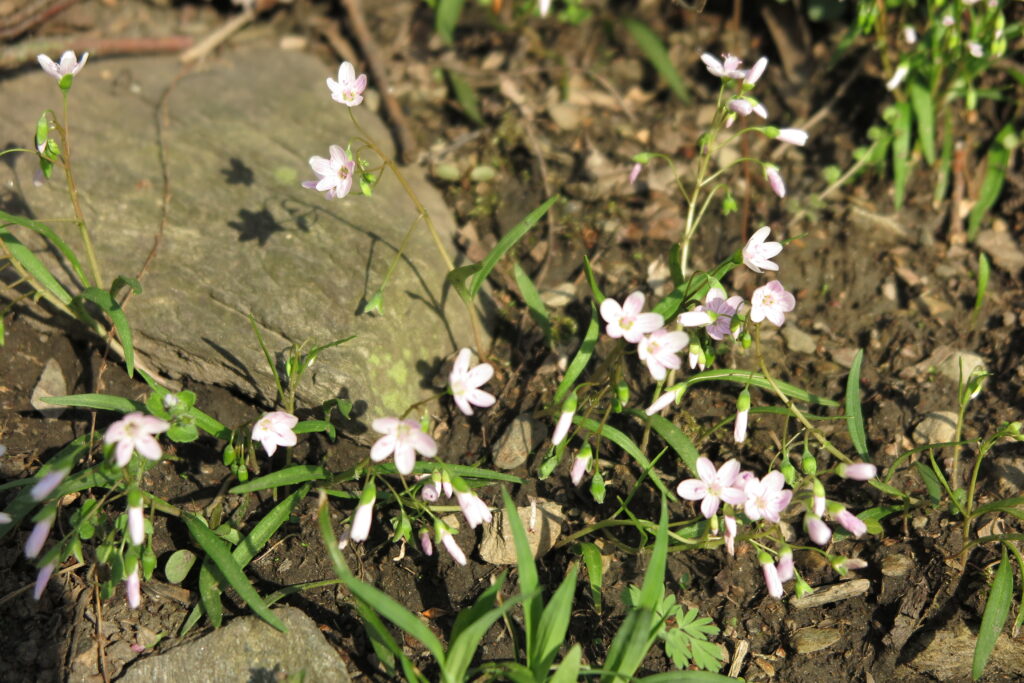
A woodland floor offers an excellent real-world example of ideal growing conditions. Layers of decomposing leaves create a nutrient-rich environment that supports long-term plant health. Replicating these conditions in a garden often leads to the most successful results.
Eastern Spring Beauty Maintenance and Seasonal Care
Eastern Spring Beauty requires very little routine maintenance once established. Unlike plants that demand regular pruning, staking, or deadheading, this species largely manages itself through natural seasonal processes. Gardeners can often enjoy its blooms without committing to extensive upkeep.
One important aspect of seasonal care involves allowing foliage to die back naturally. After flowering concludes, leaves continue gathering energy that will be stored below ground. Removing foliage too early can reduce the plant’s ability to return vigorously the following year.
Disturbance should be kept to a minimum around established plants. Because the species relies on underground corms for survival, excessive digging or soil disruption may damage important structures. Marking planting locations can help prevent accidental disturbance during the dormant season.
Mulching with natural materials such as shredded leaves can provide additional benefits. A light layer helps maintain soil moisture, improves organic content, and mimics the conditions found in native habitats. Avoid excessively thick mulch layers that could interfere with spring emergence.
Compared to many garden flowers, Eastern Spring Beauty is remarkably self-sufficient. Once settled into a suitable location, it often requires little more than occasional monitoring and protection from major disturbance. This combination of beauty and simplicity makes it an excellent choice for gardeners seeking native plants with minimal maintenance demands.
Popular Searches About Eastern Spring Beauty
Explore Eastern Spring Beauty Guide
Explore More Plants

Support Encounters World
Help support wildlife photography and get behind the scenes discoveries on Patreon.