Eastern Spring Beauty Facts Guide: Fascinating Facts About This Native Spring Wildflower
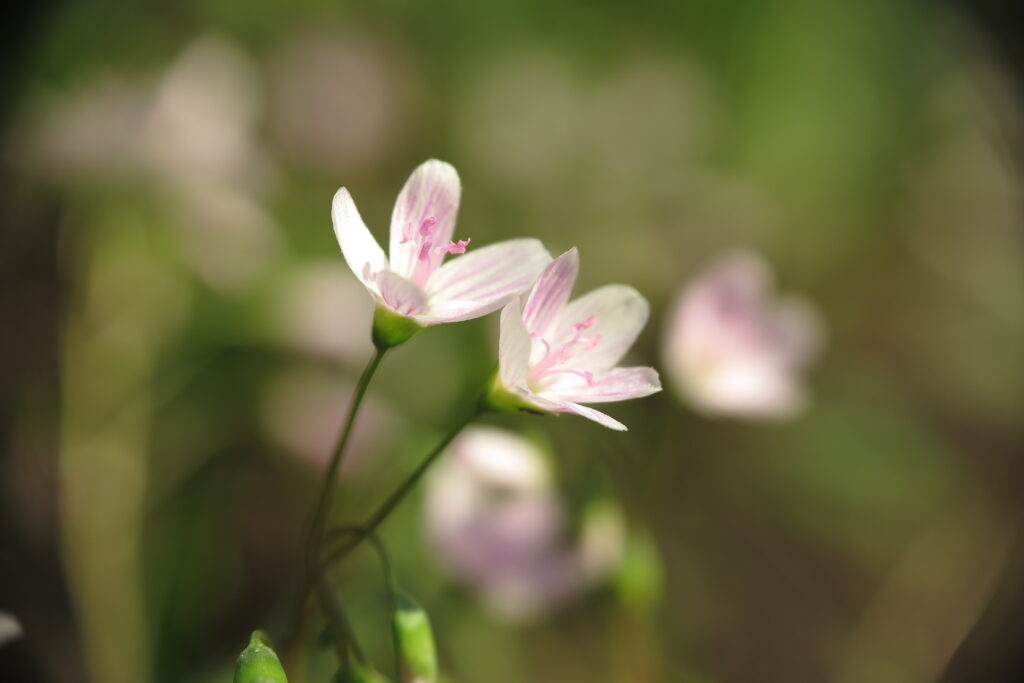
Quick Facts
Scientific Name: Claytonia virginica
Common Name: Eastern Spring Beauty
Plant Family: Montiaceae
Plant Type: Perennial Wildflower
Native Range: Eastern North America
Bloom Season: Early Spring
Notable Feature: Pink-Veined Flowers
Interesting Facts About Eastern Spring Beauty
Eastern Spring Beauty (Claytonia virginica) is one of the most recognizable spring wildflowers found throughout eastern North America. Despite its delicate appearance, the species has successfully adapted to a wide range of climates and landscapes. Its arrival often signals the beginning of the spring wildflower season.
The plant’s common name reflects both its appearance and timing. The word “beauty” refers to the elegant flowers, while “spring” highlights the season when blooms emerge. Together, the name perfectly captures the qualities that make the species so memorable.
Many people encounter Eastern Spring Beauty during hikes without realizing how widespread it is. The species occurs across a large portion of the eastern United States and extends into parts of Canada. In suitable locations, thousands of plants may bloom simultaneously.
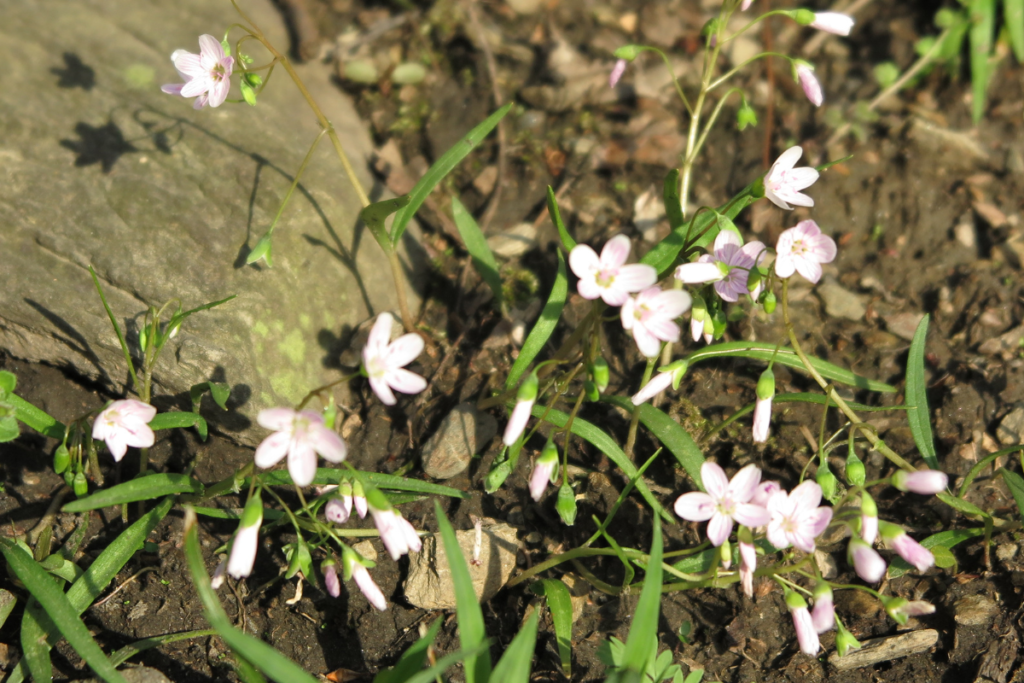
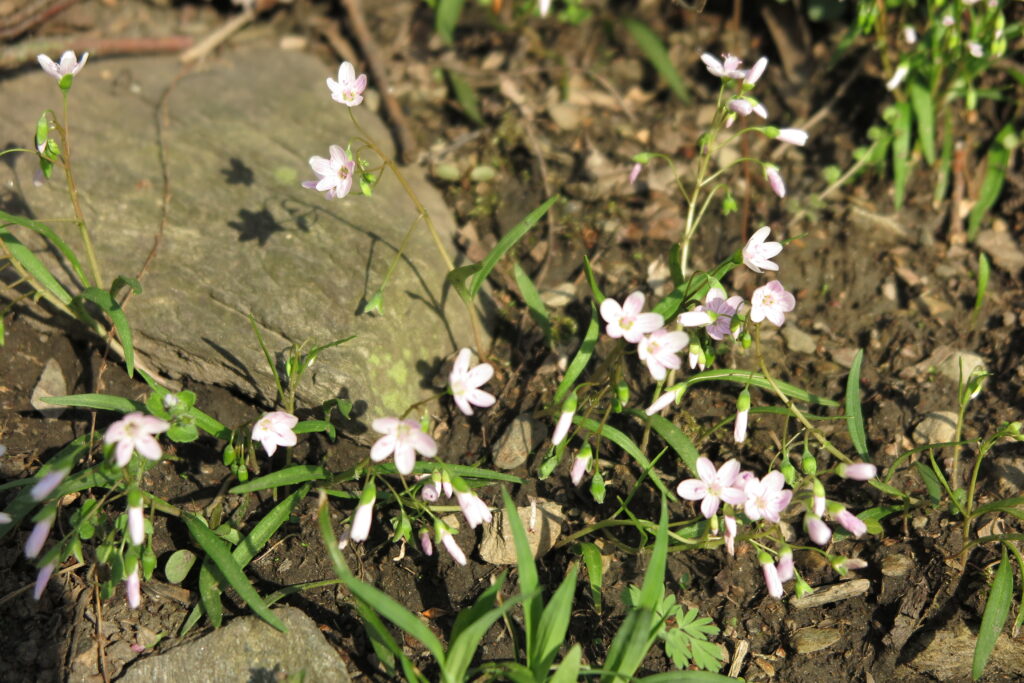
Although the flowers are relatively small, they often create dramatic displays when growing in large colonies. Entire sections of woodland can become covered with pink and white blossoms. These seasonal displays attract photographers, hikers, and nature enthusiasts every year.
The plant has remained a favorite among wildflower observers because it combines beauty, ecological value, and a fascinating life history. Beneath its simple appearance lies a remarkable collection of adaptations and natural history facts.
Eastern Spring Beauty's Unique Natural Adaptations
Eastern Spring Beauty belongs to a special group of plants known as spring ephemerals. These plants complete most of their visible growth before trees fully leaf out. This strategy allows them to capture sunlight that would otherwise be blocked later in the season.
The species stores energy underground within a corm. This structure functions much like a rechargeable battery, holding resources collected during previous growing seasons. When favorable conditions return, the stored energy fuels rapid spring growth.
One particularly interesting adaptation involves flower behavior. The blossoms often open widely during sunny weather but may partially close during cloudy conditions or at night. This response helps protect sensitive reproductive structures while maximizing pollination opportunities.
The plant’s narrow leaves are also adapted to its lifestyle. They efficiently capture sunlight during a brief active period without requiring extensive energy investment. This balance helps the species complete its annual cycle in a relatively short amount of time.
Compared to many longer-growing plants, Eastern Spring Beauty operates on a highly efficient schedule. Every stage of development is carefully timed to make the most of favorable spring conditions before dormancy returns.
Surprising Facts About Eastern Spring Beauty Flowers
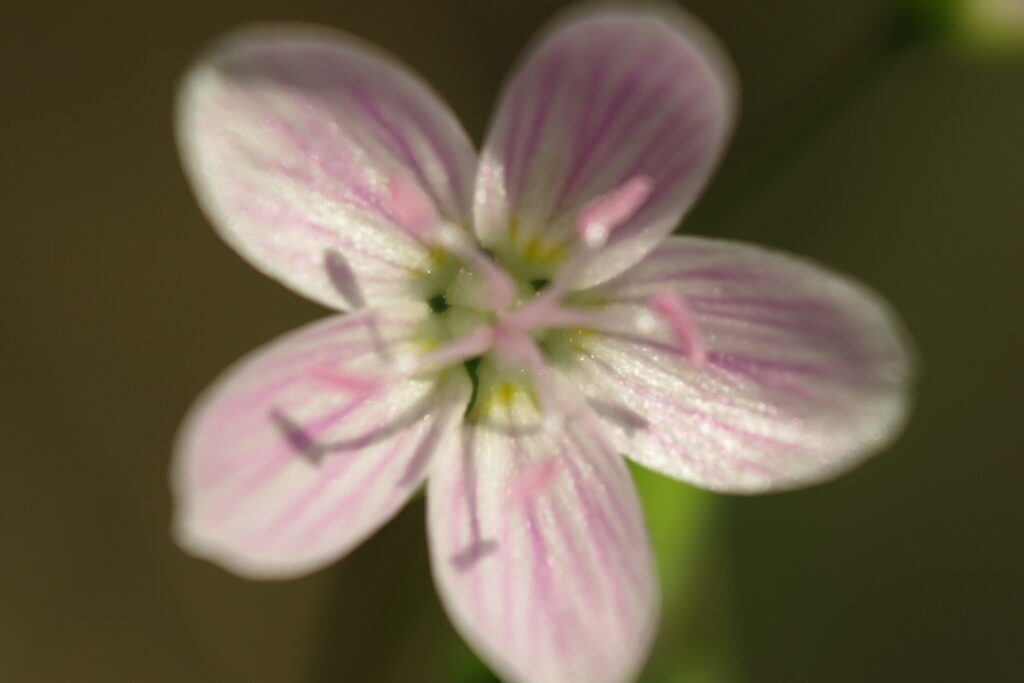
The flowers are among the most distinctive features of the species. Each bloom typically contains five petals decorated with darker pink veins. These markings create a hand-painted appearance that helps make the flowers easy to recognize.
Many people assume the pink veins are purely decorative, but they may also help guide pollinators toward the center of the flower. These visual cues function like natural road signs directing insects to pollen and nectar rewards.
Flower coloration can vary considerably between individual plants. Some blooms appear nearly white, while others display richer shades of pink. Even within a single colony, subtle differences in color are often visible.
Although the flowers appear delicate, they are surprisingly effective at attracting pollinators during early spring. Their bright appearance stands out when relatively few other plants are flowering. This visibility helps ensure pollinating insects can locate them.
A useful comparison is to imagine tiny stars decorated with pink brushstrokes. This unique combination of shape and coloration contributes significantly to the species’ popularity among photographers and naturalists.
Eastern Spring Beauty in History and Ecology
Eastern Spring Beauty has a long history of interaction with people. Indigenous communities recognized the plant’s edible qualities and utilized its underground corms as a seasonal food source. Early settlers later adopted some of these uses after learning about the plant.
The species also plays an important ecological role. Because it blooms early, it provides nectar and pollen when food resources are still limited for many insects. Native bees are especially dependent on early-flowering plants such as Eastern Spring Beauty.
Large colonies contribute to the health of woodland ecosystems by supporting pollinators during a critical period. These insects later assist in pollinating countless other plant species. As a result, the impact of Eastern Spring Beauty extends far beyond its own reproduction.
The plant is often considered an indicator of healthy native habitats. Established populations frequently occur in landscapes that have remained relatively undisturbed for long periods. Finding large colonies can suggest a rich and diverse native plant community.
Perhaps the most remarkable fact is that such a small wildflower can have such a significant influence. Eastern Spring Beauty supports pollinators, contributes to biodiversity, possesses a history of human use, and creates some of the most recognizable spring displays in eastern North America. Its combination of beauty and ecological importance ensures that it remains one of the continent’s most admired native wildflowers.
Popular Searches About Eastern Spring Beauty
Explore Eastern Spring Beauty Guide
Explore More Plants

Support Encounters World
Help support wildlife photography and get behind the scenes discoveries on Patreon.