Eastern Spring Beauty Habitat: Where This Native Wildflower Grows
Quick Facts
Primary Habitat: Deciduous Woodlands
Secondary Habitat: Forest Edges, Floodplains, Meadows, Stream Corridors
Soil Type: Loamy, Silty, Rich Organic Soils
Soil pH Preference: Slightly Acidic to Neutral (5.5–7.0)
Moisture Level: Moderately Moist
Climate Zone: Temperate
Light Requirements: Partial Shade to Full Sun During Early Spring
Eastern Spring Beauty in Its Natural Landscape
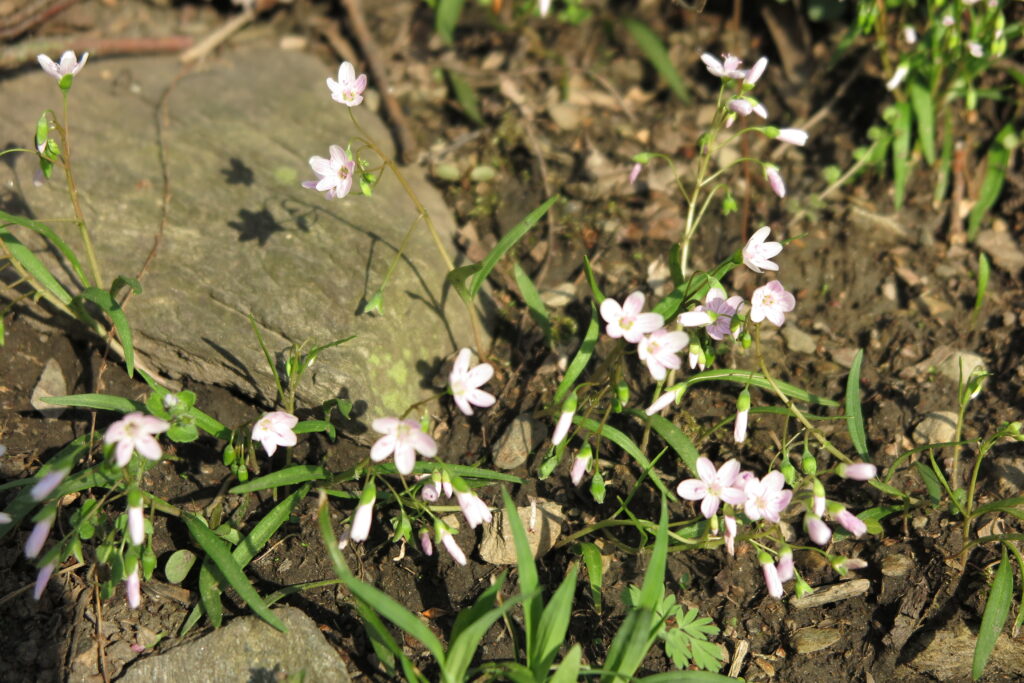
Eastern Spring Beauty (Claytonia virginica) is a native North American wildflower known for appearing during the earliest weeks of spring. Its delicate pink-striped blossoms often emerge while much of the surrounding landscape is still transitioning from winter. The species has become one of the most recognizable spring ephemerals throughout its native range.
This plant occurs across a large portion of eastern North America, stretching from southern Canada into many regions of the United States. Nature enthusiasts frequently encounter it during spring walks when forests begin showing the first signs of seasonal renewal. Although small in stature, Eastern Spring Beauty often leaves a lasting impression due to its abundance and timing.
Across its range, the plant contributes to the seasonal character of many natural landscapes. Large groups can transform sections of woodland into displays of soft pink and white color. These temporary blooms help define the visual appearance of early spring before larger vegetation develops.
Despite its delicate appearance, Eastern Spring Beauty is associated with a wide variety of temperate environments. Its presence often signals healthy native plant communities that have remained relatively intact over time. For many observers, finding these flowers marks the unofficial beginning of the growing season.
Eastern Spring Beauty Geographic Distribution and Habitat Range
Eastern Spring Beauty possesses one of the broader distributions among eastern North American spring wildflowers. Populations occur throughout much of the eastern United States and extend northward into portions of Canada. This extensive range allows the species to occupy a variety of regional landscapes while maintaining a consistent appearance.
The plant is especially common throughout the Midwest, Northeast, Appalachian region, and portions of the southeastern United States. In many locations, it appears so regularly that it becomes a familiar seasonal feature. Its widespread occurrence often makes it easier to encounter than some of the rarer woodland wildflowers that bloom during the same period.
Compared to highly specialized plants restricted to small geographic regions, Eastern Spring Beauty demonstrates considerable flexibility across different parts of the continent. While some native wildflowers may only occur within narrow climatic zones, this species successfully persists across a broad latitudinal range. Its ability to thrive in both northern and southern portions of eastern North America contributes significantly to its success.
Even though the species is widespread, distribution is not completely uniform. Certain landscapes support larger populations than others, creating areas where thousands of flowers may bloom simultaneously. These concentrated displays often attract photographers, hikers, and native plant enthusiasts seeking seasonal wildflower experiences.
The species remains strongly associated with eastern North America and does not naturally occur across most western regions of the continent. This pattern distinguishes it from some plants capable of expanding into a wider variety of climates. Its distribution reflects a long evolutionary relationship with the temperate ecosystems of the eastern continent.
Eastern Spring Beauty Growing Environments and Preferred Settings
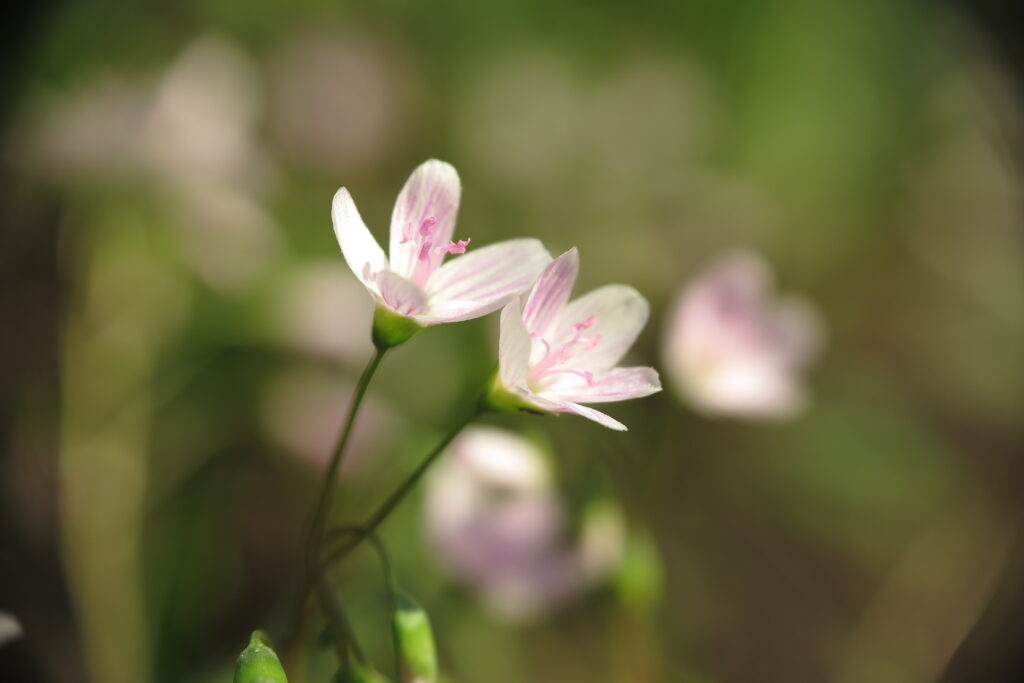
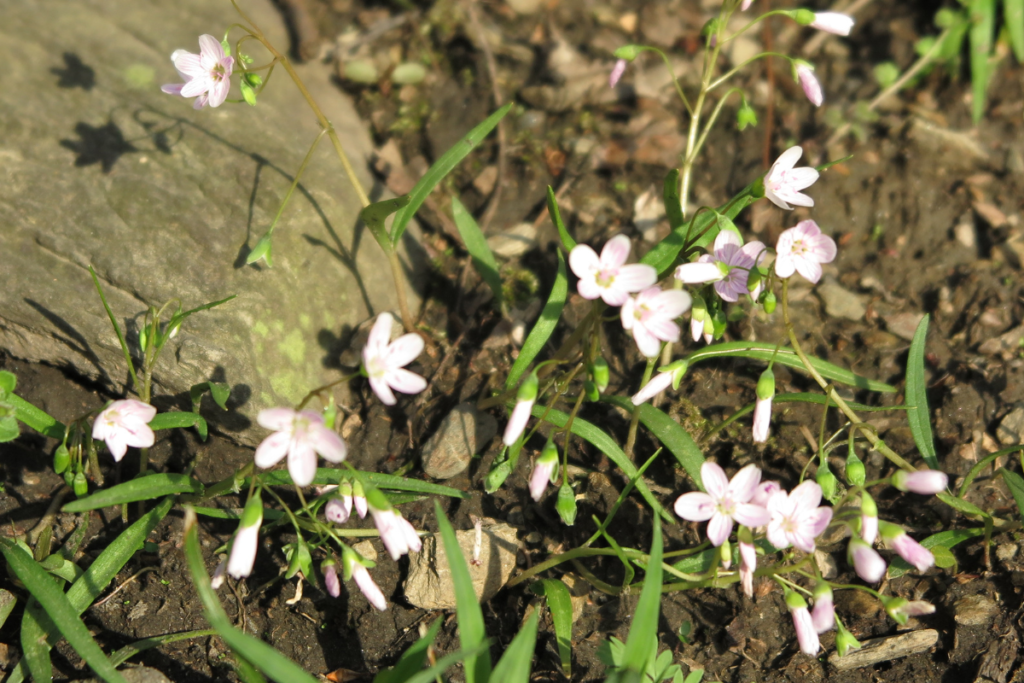
Eastern Spring Beauty is most frequently encountered in mature deciduous forests where sunlight reaches the ground before tree canopies fully develop. These woodlands provide ideal conditions during early spring when the plant is actively visible. Openings between trees often support especially noticeable concentrations of flowers.
Forest edges also serve as productive growing locations. These transitional areas receive slightly more sunlight than interior woodlands while still retaining many characteristics of natural forest systems. The combination of filtered light and moderate protection often creates favorable conditions for healthy populations.
Floodplain forests and streamside corridors commonly support Eastern Spring Beauty as well. These environments benefit from periodic moisture and nutrient-rich soils that help sustain diverse native plant communities. Wildflower enthusiasts frequently encounter the species growing alongside other early-season woodland plants in these locations.
Open meadows and grassy clearings occasionally contain Eastern Spring Beauty populations where conditions remain suitable. However, the species generally performs best in locations that retain some connection to natural woodland ecosystems. Areas that are completely exposed and heavily disturbed often support fewer plants than partially sheltered environments.
Variation can occur even within the same landscape. Some populations thrive near woodland edges where sunlight is more abundant, while others flourish deeper within forests where conditions remain cooler and more protected. This flexibility allows Eastern Spring Beauty to occupy multiple niches without becoming restricted to a single environmental setting.
Environmental Conditions That Support Eastern Spring Beauty
Rich, well-drained soils provide some of the most important requirements for Eastern Spring Beauty. The species frequently occurs in soils containing substantial organic matter derived from decomposing leaves and other natural materials. These nutrient-rich conditions help support healthy plant communities throughout the growing season.
Moisture availability plays a major role in habitat suitability. Eastern Spring Beauty prefers soils that remain moderately moist during spring without becoming permanently waterlogged. Conditions similar to those found beneath a thick layer of woodland leaf litter often provide the ideal balance of drainage and moisture retention.
Temperature patterns within temperate climates strongly influence where the species occurs. The plant is adapted to regions that experience distinct seasonal changes, including cold winters followed by gradual spring warming. These environmental rhythms create conditions that align with the species’ natural life history.
Terrain can also affect habitat quality. Gentle slopes, stream terraces, valley bottoms, and level woodland floors frequently support strong populations. Such areas often accumulate organic matter and maintain stable moisture conditions. In contrast, extremely dry ridges or heavily compacted soils may provide less favorable growing environments.
Surrounding vegetation contributes significantly to habitat suitability. Eastern Spring Beauty is commonly associated with communities of native woodland plants that help maintain stable environmental conditions. The forest floor where it grows often resembles a natural garden of leaf litter, scattered wildflowers, and emerging spring greenery, creating conditions well suited for this delicate yet resilient species.
Popular Searches About Eastern Spring Beauty
Explore Eastern Spring Beauty Guide
Explore More Plants

Support Encounters World
Help support wildlife photography and get behind the scenes discoveries on Patreon.