Grape Hyacinth Care Guide: Complete Growing, Watering, and Maintenance Tips
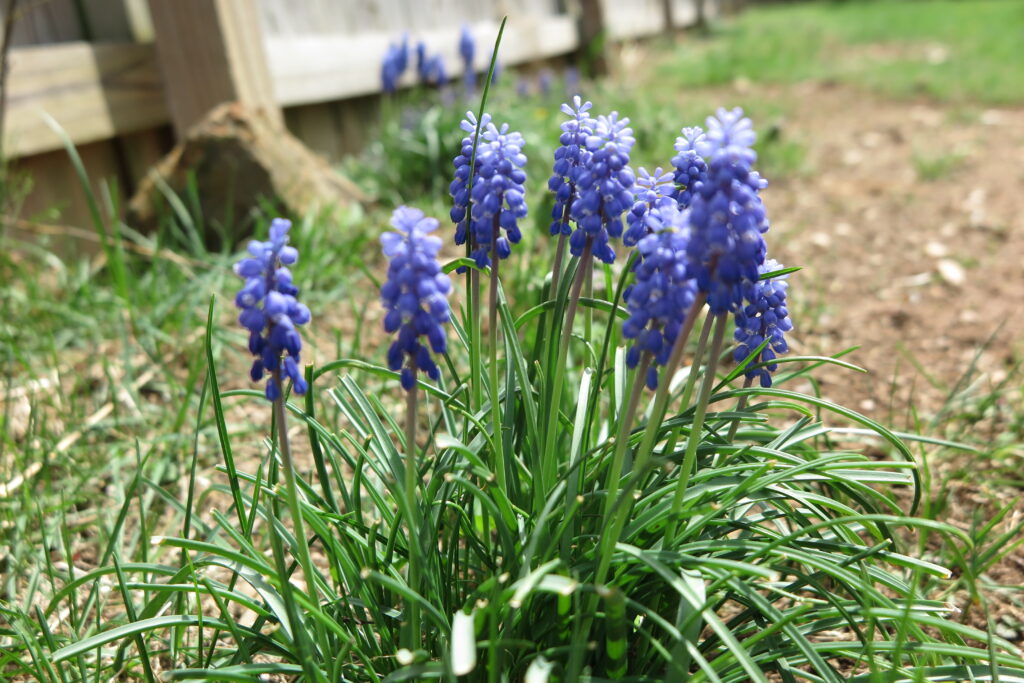
Quick Facts
Plant Type: Perennial Bulb
Care Difficulty: Easy
Sunlight Needs: Full Sun to Partial Shade
Water Requirements: Moderate During Active Growth
Soil Preference: Well-Drained Loam or Sandy Soil
Fertilizer Needs: Low to Moderate
Cold Hardiness: USDA Zones 4–8
Grape Hyacinth Care Basics for Healthy Plants
Grape hyacinth is one of the easiest spring-flowering bulbs to maintain, making it a popular choice for both beginner and experienced gardeners. Native to parts of southeastern Europe and western Asia, the plant has become widely cultivated across temperate regions due to its dependable nature and attractive spring blooms. Many gardeners choose grape hyacinth because it returns year after year with relatively little attention.
Unlike some ornamental flowers that demand constant pruning, fertilizing, or monitoring, grape hyacinth generally succeeds with minimal intervention. Once established, the bulbs are capable of surviving seasonal weather changes and producing reliable flowering displays. This resilience has contributed to the species becoming a common feature in gardens, parks, and public landscapes.
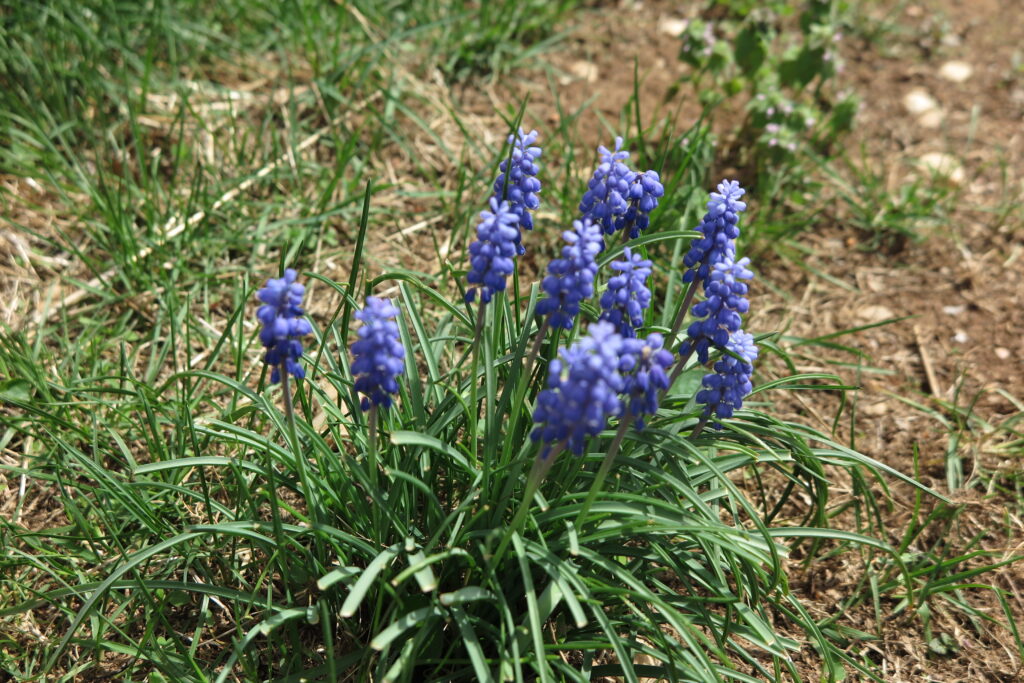
The plant is often grown alongside tulips, daffodils, and other spring bulbs because its care requirements are straightforward. Homeowners frequently use it to create borders, naturalized drifts, or colorful patches beneath trees and shrubs. Even when neglected for extended periods, healthy bulbs often continue producing flowers each spring.
One reason grape hyacinth has remained popular for generations is its balance of beauty and practicality. The plant offers vibrant seasonal color without requiring the intensive maintenance associated with many flowering perennials. For gardeners seeking dependable spring interest, it is often considered one of the most forgiving bulb species available.
Watering and Soil Care for Grape Hyacinth Success
Proper soil conditions play a major role in maintaining healthy grape hyacinth plants. Well-drained soil is generally the most important requirement because bulbs can suffer when exposed to prolonged waterlogging. Loamy or sandy soils often provide the ideal balance between drainage and moisture retention.
During active growth in late winter and spring, grape hyacinth benefits from consistent moisture. The soil should remain slightly damp but not saturated. Excessively wet conditions may encourage bulb rot, while extremely dry soil can reduce flowering performance.
A useful comparison is to think of the soil conditions preferred by many spring woodland flowers. The ground should hold enough moisture to support growth without becoming muddy or compacted. Healthy bulbs typically perform best when water can move through the soil freely after rainfall.
Once flowering concludes and the foliage begins to decline, watering requirements decrease significantly. Mature bulbs tolerate seasonal dryness far better than many actively growing perennials. In regions with normal rainfall patterns, supplemental watering is often unnecessary during dormancy.
Mulching can help regulate soil moisture and temperature around established plantings. A light layer of organic material provides insulation while helping retain moisture during active growth. However, excessively thick mulch may trap unwanted moisture around bulbs and should generally be avoided.
Sunlight, Feeding, and Seasonal Maintenance Requirements
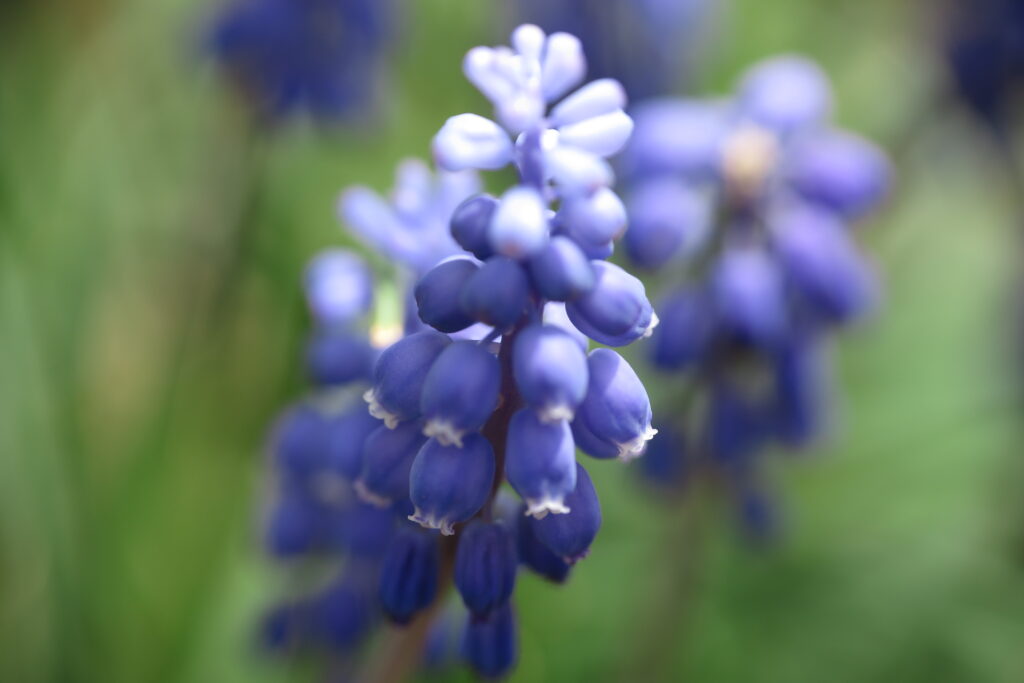
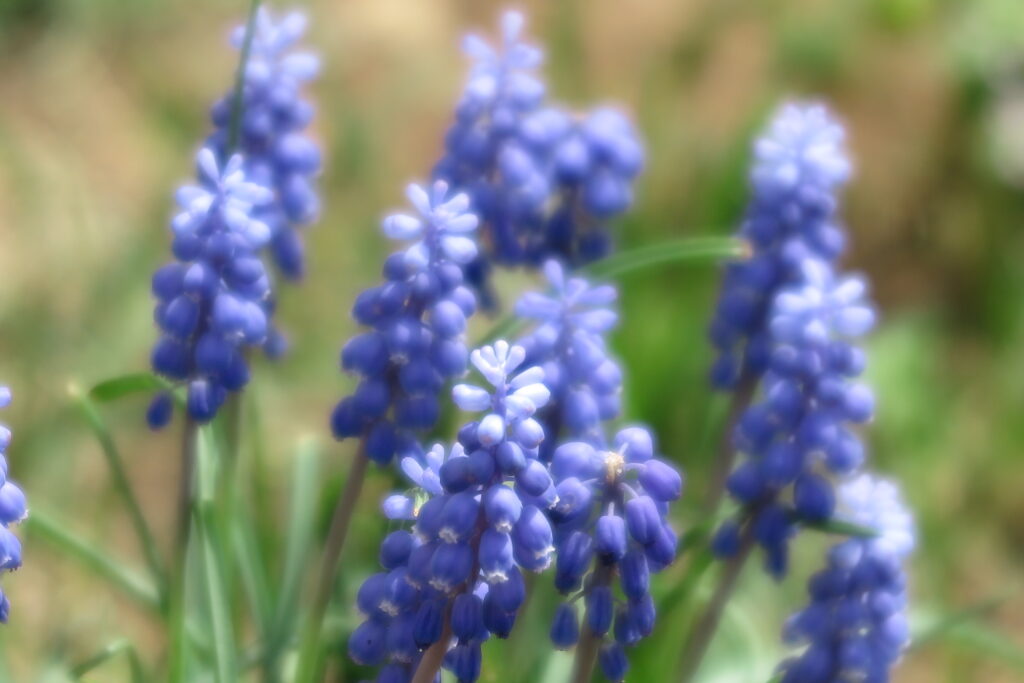
Grape hyacinth performs best when grown in locations receiving ample sunlight during the active growing season. Full sun typically produces the strongest flowering displays, although partial shade is also tolerated. Many successful plantings occur beneath deciduous trees where sunlight reaches the ground before leaves fully develop.
The species is adaptable enough to perform under a range of light conditions. In cooler climates, plants often flourish in open sunny areas. In warmer regions, light afternoon shade may help reduce environmental stress while still supporting healthy flowering.
Fertilizer requirements remain relatively modest compared to many ornamental plants. Bulbs store significant energy reserves underground, reducing the need for frequent feeding. A balanced fertilizer applied during early growth or after flowering is usually sufficient for maintaining healthy plants.
Seasonal maintenance is generally straightforward. After blooming, flowers may be removed if desired, but the foliage should remain intact until it naturally yellows and declines. This period allows the plant to transfer energy back into the bulb for future growth.
Many gardeners make the mistake of cutting leaves too early because they appear untidy. However, allowing foliage to remain until it naturally fades supports stronger flowering in subsequent seasons. Patience during this stage often results in healthier and more vigorous plants over time.
Long-Term Grape Hyacinth Care and Problem Prevention
One of the greatest advantages of grape hyacinth is its long-term reliability. Healthy bulbs can survive for many years in the same location, gradually producing larger displays over time. Established colonies often require very little intervention beyond occasional monitoring and maintenance.
Overcrowding may eventually become an issue in older plantings. As bulbs multiply beneath the soil, flowering can become less vigorous if competition increases. Dividing dense clumps every few years helps maintain plant health while providing opportunities to establish new plantings elsewhere.
Pests and diseases are generally uncommon compared to those affecting many garden flowers. Most problems arise from environmental conditions rather than biological threats. Poor drainage remains one of the most frequent causes of declining bulb health and should be addressed promptly if symptoms appear.
Cold weather rarely presents a significant challenge because grape hyacinth is highly winter hardy throughout much of its cultivated range. Bulbs survive freezing temperatures by remaining dormant underground. This natural adaptation allows the plant to return reliably each spring despite harsh winter conditions.
For gardeners seeking a low-maintenance flowering bulb, grape hyacinth remains one of the most dependable options available. By providing well-drained soil, appropriate moisture, seasonal sunlight, and occasional division, healthy colonies can continue producing colorful spring displays for decades with minimal effort.
Popular Searches About Grape Hyacinth
Explore Grape Hyacinth Guide
Explore More Plants

Support Encounters World
Help support wildlife photography and get behind the scenes discoveries on Patreon.