Are Grape Hyacinths Poisonous? Toxicity Guide for Humans, Dogs, Cats, and Livestock
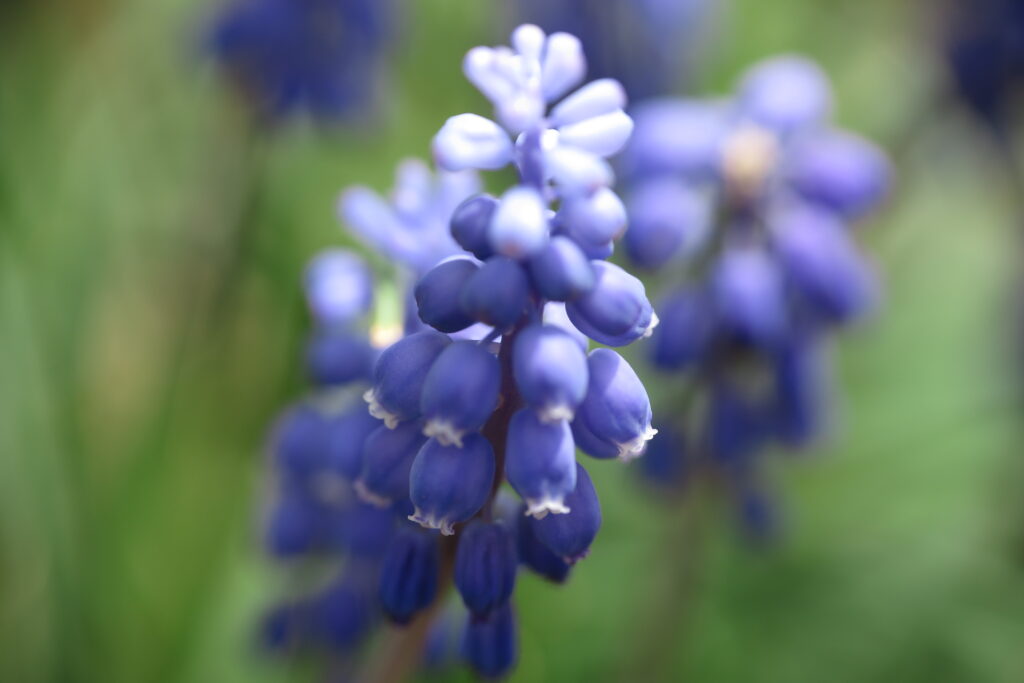
Quick Facts
Toxicity Level: Mildly Toxic
Toxic Parts: Bulbs, Leaves, Flowers
Risk to Dogs: Mild to Moderate
Risk to Cats: Mild to Moderate
Risk to Livestock: Possible Digestive Irritation
Human Toxicity: Usually Mild if Consumed
Primary Symptoms: Vomiting, Diarrhea, Stomach Upset
Understanding Grape Hyacinth Toxicity
Grape hyacinth is widely grown as an ornamental spring flower, valued for its colorful blooms and dependable nature. Despite its attractive appearance, many gardeners wonder whether the plant poses a risk to people or animals. The concern is understandable, particularly in households with curious pets, young children, or grazing livestock.
Native to southeastern Europe and western Asia, grape hyacinth has become common throughout gardens and landscapes across temperate regions. While the plant is not considered highly poisonous, it does contain naturally occurring compounds that can cause irritation or digestive discomfort when consumed. This places it in a category of plants that are generally safe to handle but should not be eaten.
Compared to highly toxic ornamentals such as foxglove or lily-of-the-valley, grape hyacinth presents a much lower level of danger. Serious poisoning incidents are uncommon, and most cases involve mild gastrointestinal symptoms. Nevertheless, understanding the plant’s potential effects helps gardeners make informed decisions about placement and management.
The greatest risk usually comes from accidental ingestion rather than casual contact. Most people admire grape hyacinths without experiencing any problems. However, pets that dig bulbs from the soil or children who place plant material in their mouths may encounter mild toxic effects that warrant attention.
Toxic Parts of the Grape Hyacinth Plant
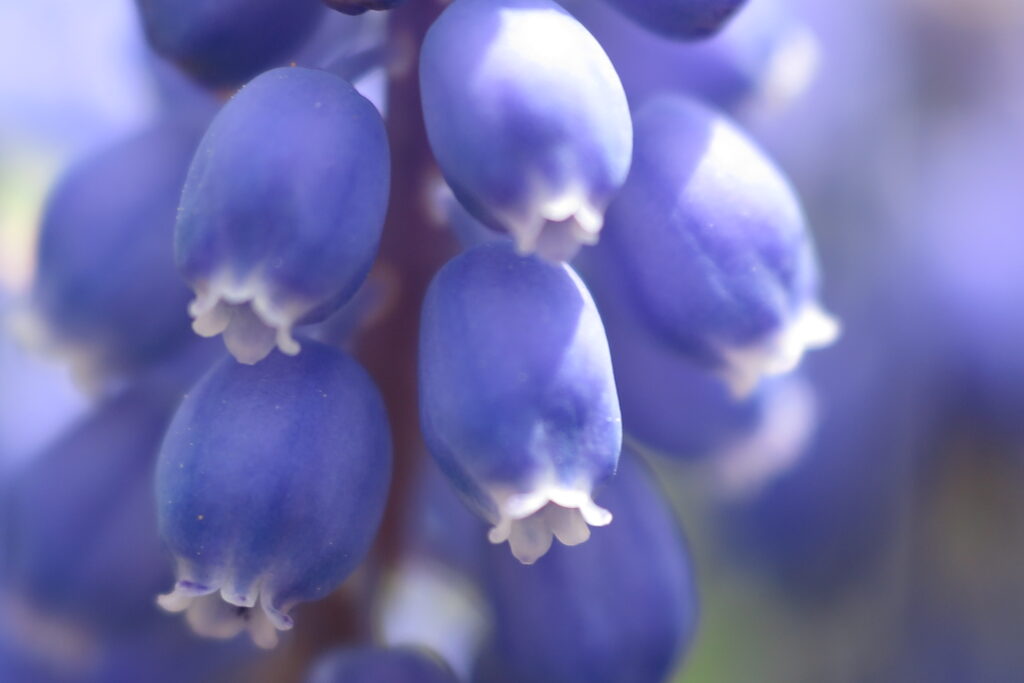
All portions of grape hyacinth contain compounds that can potentially cause irritation if consumed. The bulbs are generally considered the most concerning part because they contain concentrated stored nutrients and chemical compounds. Since bulbs resemble small onions or other edible underground structures, accidental ingestion occasionally occurs.
Bulbs are often the plant part most likely to attract attention from digging animals. Dogs may uncover them while exploring flower beds, while rodents sometimes investigate newly planted bulbs. Fortunately, the toxicity level remains relatively low compared to many other ornamental bulb species.
Leaves and flowers also contain compounds capable of causing digestive upset. While these parts are generally less concentrated than the bulbs, consumption in large quantities may still produce symptoms. Most animals quickly lose interest due to the plant’s taste and texture, limiting the amount consumed.
A useful comparison is daffodils, which are significantly more toxic than grape hyacinths. Both grow from bulbs and produce spring flowers, but grape hyacinths typically cause milder reactions. This distinction is important because many gardeners mistakenly assume all spring bulbs carry the same level of risk.
Contact with the plant is rarely a major concern. Most people can handle leaves, flowers, and bulbs without experiencing adverse effects. Sensitive individuals may occasionally develop minor skin irritation after prolonged handling, but this is relatively uncommon.
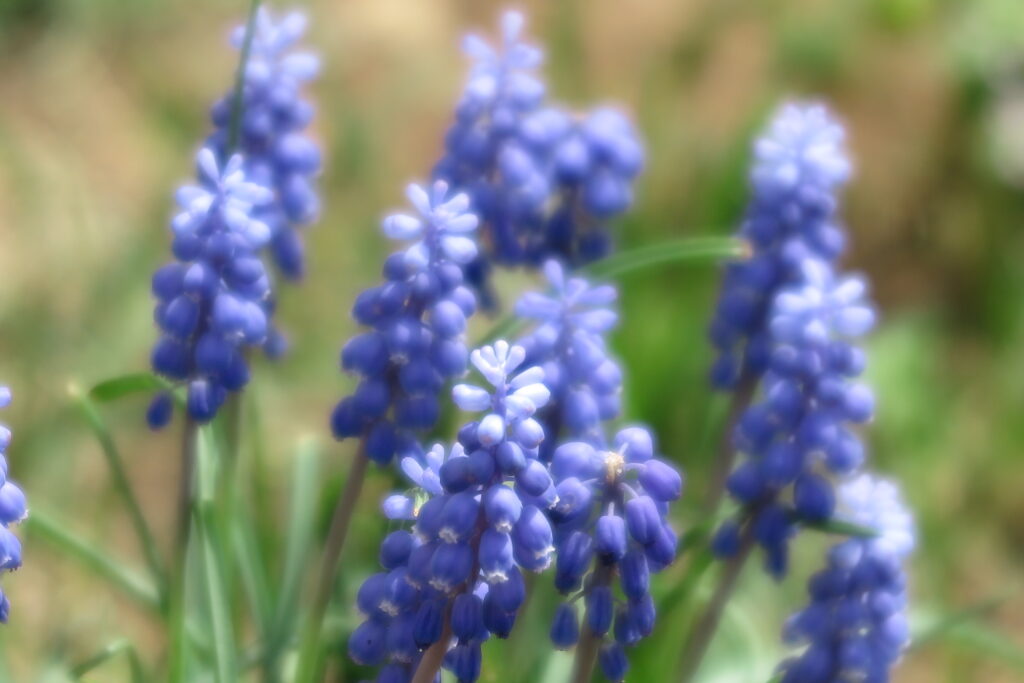
Are Grape Hyacinths Toxic to Dogs, Cats, and Other Animals?
Dogs are among the most frequently affected animals because of their tendency to investigate gardens by digging. When bulbs are consumed, symptoms often include drooling, vomiting, diarrhea, or temporary stomach discomfort. In most cases, symptoms remain mild and resolve without serious complications.
Cats face similar risks, although they are generally less likely to consume significant amounts of plant material. Curious cats may chew leaves or flowers, particularly indoor cats exposed to freshly cut blooms. Digestive upset is the most common result, with severe reactions remaining uncommon.
Livestock occasionally encounter grape hyacinths in pastures, gardens, or landscaped properties. Horses, goats, and other grazing animals generally avoid consuming large quantities because the plants are not especially palatable. However, accidental consumption can still lead to mild digestive disturbances.
A practical comparison would be a pet eating an unfamiliar ornamental shrub. The resulting symptoms are often unpleasant but rarely life-threatening. Most animals recover fully after the plant material passes through their system, especially when veterinary advice is sought promptly.
Pet owners should still exercise caution, particularly when planting new bulbs. Freshly disturbed soil often attracts curious animals. Taking preventive measures can significantly reduce the chances of accidental ingestion and help maintain a safer garden environment.
What to Do If Grape Hyacinth Is Consumed
If a person or animal consumes grape hyacinth, the first step is determining how much plant material was eaten. Small amounts often result in mild symptoms, while larger quantities may increase the likelihood of digestive discomfort. Monitoring the situation carefully helps determine whether further action is necessary.
For pets, common warning signs include vomiting, diarrhea, excessive drooling, reduced appetite, and general lethargy. These symptoms may develop within several hours of ingestion. Contacting a veterinarian is recommended whenever symptoms appear or if a large amount of plant material was consumed.
In the case of children, accidental ingestion should be treated seriously even though severe toxicity is uncommon. Parents should remove any remaining plant material from the mouth and seek guidance from a medical professional or poison control center. Quick consultation provides reassurance and ensures appropriate action if symptoms develop.
A useful comparison is eating a food that causes stomach irritation rather than a highly toxic poison. Most cases involve temporary digestive problems rather than long-term health consequences. Even so, professional advice is always preferable when uncertainty exists.
Overall, grape hyacinth is considered mildly toxic rather than dangerously poisonous. The plant can cause digestive upset if consumed, particularly when bulbs are involved, but severe poisoning remains rare. With reasonable precautions and awareness, gardeners can continue enjoying grape hyacinths while minimizing risks to people, pets, and livestock.
Popular Searches About Grape Hyacinth
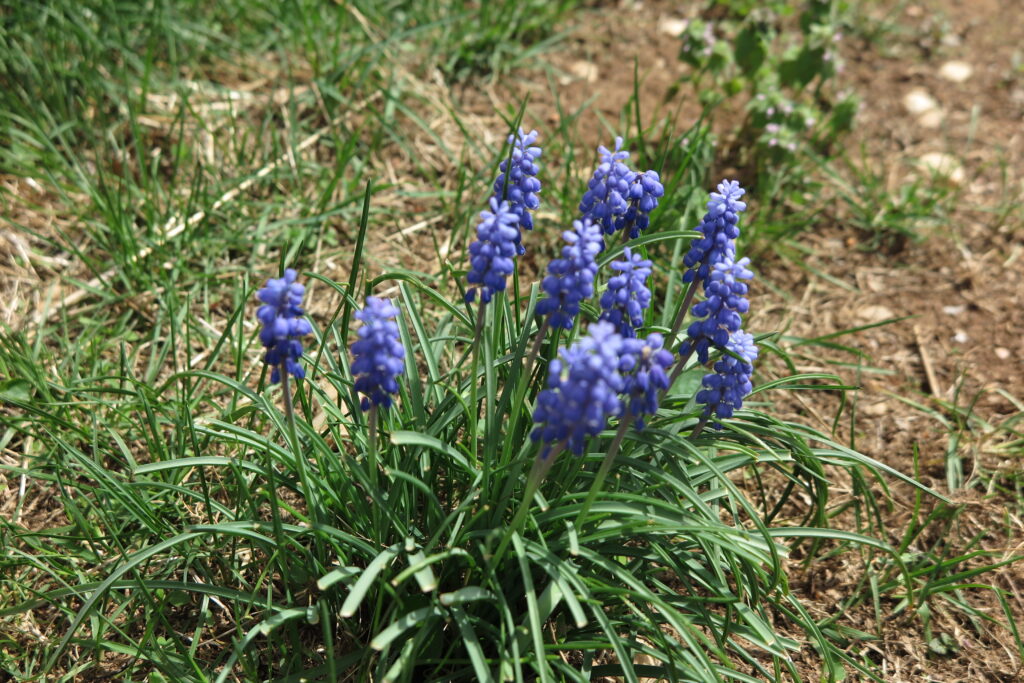
Explore Grape Hyacinth Guide
Explore More Plants

Support Encounters World
Help support wildlife photography and get behind the scenes discoveries on Patreon.