Grape Hyacinth Companion Plants Guide: Best Plants to Grow with Grape Hyacinths
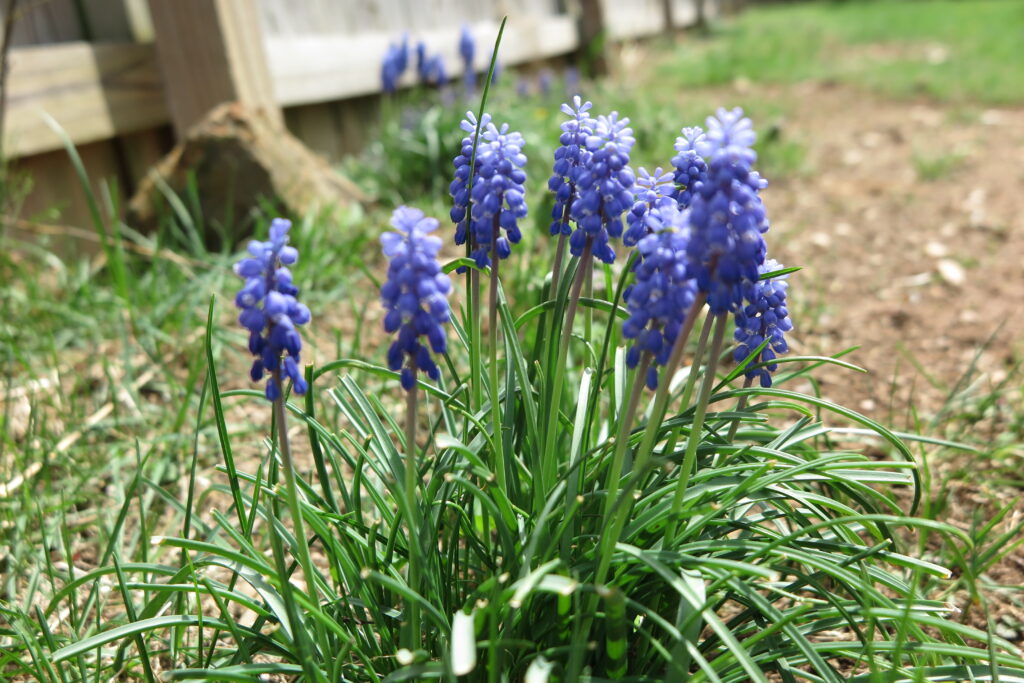
Quick Facts
Companion Plant Type: Spring Bulbs, Perennials, Ground Covers
Best Companion Flowers: Tulips, Daffodils, Crocuses, Hyacinths
Garden Use: Borders, Beds, Naturalized Plantings
Sunlight Compatibility: Full Sun to Partial Shade
Soil Compatibility: Well-Drained Soil
Design Style: Cottage, Woodland, Formal, Naturalized Gardens
Pollinator Value: Supports Early Spring Pollinators
Choosing Companion Plants for Grape Hyacinths
Grape hyacinths are among the most versatile spring-flowering bulbs when it comes to companion planting. Their compact size, vibrant blue-purple blooms, and reliable flowering period make them easy to combine with many other ornamental plants. Thoughtful companion selections can enhance color, extend seasonal interest, and create more visually appealing garden displays.
Native to southeastern Europe and western Asia, grape hyacinths have adapted well to gardens throughout temperate regions. Because they bloom during early spring, they often serve as one of the first major sources of color after winter. Pairing them with plants that bloom before, during, or after their flowering period helps maintain visual interest across a longer portion of the growing season.
Many gardeners use grape hyacinths as supporting plants rather than primary focal points. Their smaller flowers work particularly well around larger spring blooms, helping fill empty spaces and soften transitions between different garden elements. This supporting role is one reason they are frequently included in professional landscape designs.
A useful comparison is decorative trim on a building. While the trim may not be the largest feature, it enhances and complements everything around it. In a similar way, grape hyacinths often improve the overall appearance of neighboring plants while contributing their own unique beauty to the landscape.
Spring Bulbs That Pair Well with Grape Hyacinths
Some of the most popular companion plants for grape hyacinths are other spring-flowering bulbs. Tulips are especially common partners because their taller flowers create vertical contrast above the lower-growing grape hyacinths. The combination of large tulip blooms and compact grape hyacinth clusters creates a layered appearance that many gardeners find attractive.
Daffodils also make excellent companions. Their bright yellow flowers contrast dramatically with the blue and purple shades of grape hyacinths. This color pairing creates one of the most recognizable spring garden combinations and is frequently used in parks, public gardens, and residential landscapes.
Crocuses provide another successful pairing. Because they bloom around the same time, crocuses help create dense carpets of spring color. The shorter stature of both species allows them to blend naturally without one overshadowing the other.
Traditional hyacinths are often planted nearby as well. Although the names are similar, common hyacinths produce larger flower spikes and stronger fragrance. When planted together, the two species create a striking display of varying flower sizes while maintaining a cohesive spring theme.
A practical comparison is an orchestra composed of different instruments. Each bulb species contributes its own color, height, and texture, but together they create a more complete and impressive display than any single plant could achieve alone.
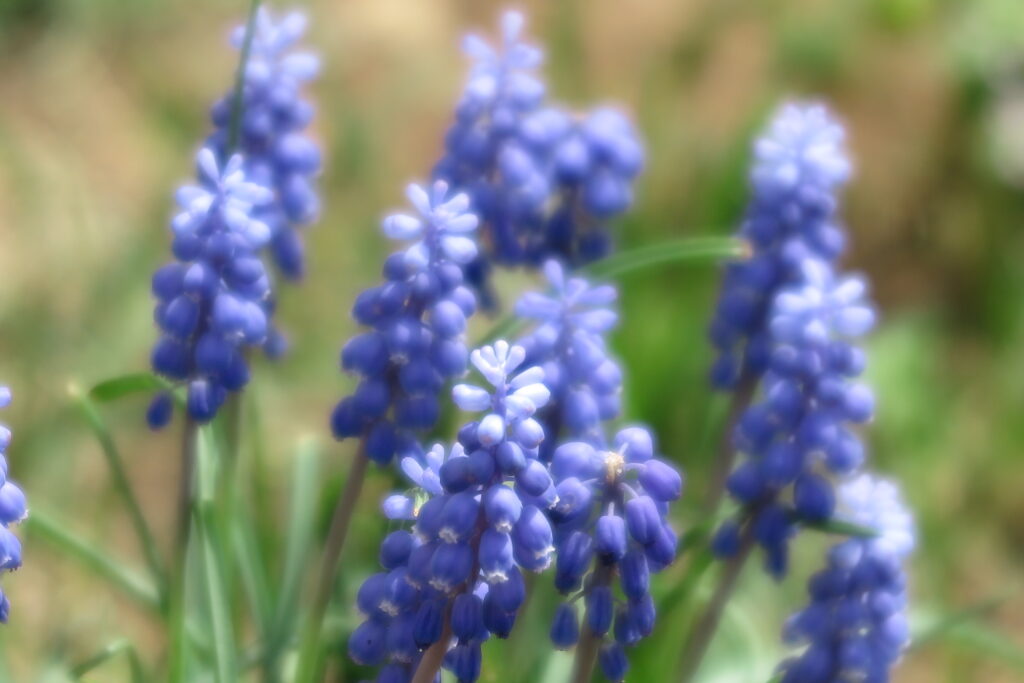
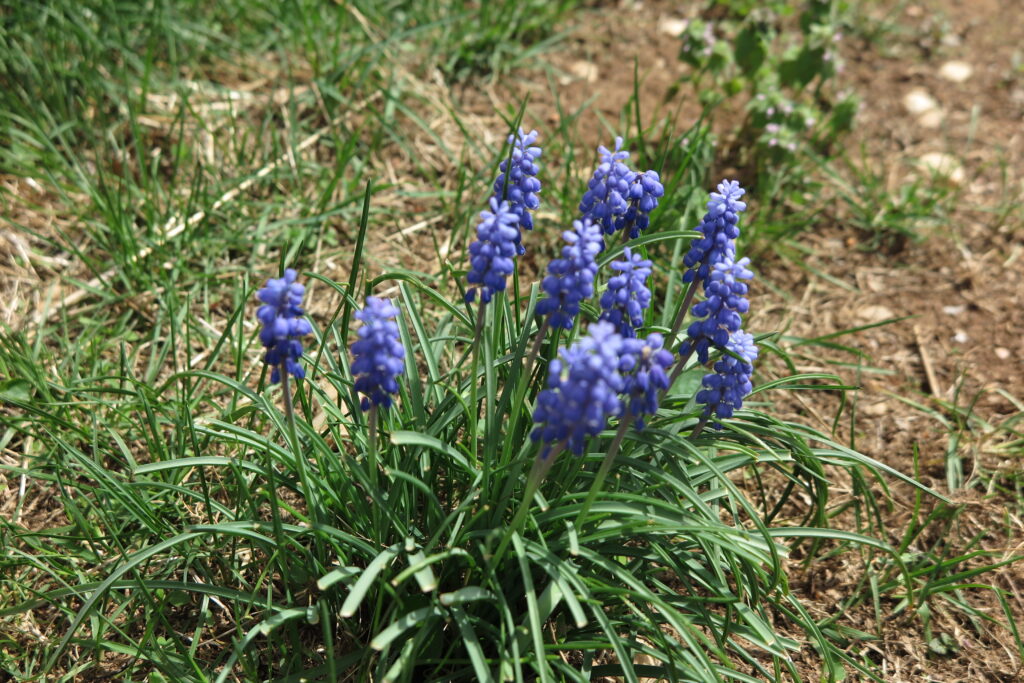
Perennials and Ground Covers for Long-Term Garden Interest
While spring bulbs provide seasonal color, many gardeners pair grape hyacinths with perennials that maintain visual interest later in the year. Hostas are a popular choice because their broad leaves emerge as grape hyacinth foliage begins declining. This timing helps conceal fading foliage while keeping garden beds attractive.
Daylilies offer another effective partnership. Their arching foliage creates texture and structure during summer after the spring bulb display has ended. The two plants occupy different seasonal niches, reducing competition while maximizing garden interest throughout the year.
Low-growing ground covers can also complement grape hyacinths effectively. Creeping phlox, ajuga, and certain sedums provide attractive backgrounds that highlight the flowers during bloom season. These plants help fill gaps in the landscape while maintaining year-round coverage.
Fern species work particularly well in partially shaded gardens. Their delicate foliage creates a soft contrast against the more structured appearance of grape hyacinth flowers. This combination is often used in woodland-inspired landscapes where texture plays an important role in design.
A useful comparison is seasonal teamwork. Grape hyacinths provide early spring color, while companion perennials take over later in the year. Together they create a continuous display that keeps the garden attractive long after the bulb flowers have faded.
Designing Beautiful Grape Hyacinth Companion Plant Displays
Successful companion planting involves more than simply combining plants with similar growing requirements. Visual balance, flowering schedules, and color relationships all contribute to the final appearance. Grape hyacinths are particularly valuable because their blue-purple flowers pair well with a wide range of colors.
Yellow flowers create some of the strongest contrasts. Daffodils, primroses, and certain tulips produce combinations that immediately draw attention. The contrast between cool blue tones and warm yellow shades creates an energetic spring display that stands out from a distance.
White-flowering companions offer a different effect. White tulips, snowdrops, and white hyacinths create elegant combinations that emphasize the rich coloration of grape hyacinth blooms. These pairings often appear more refined and formal than high-contrast color schemes.
Garden structure should also be considered when planning companion displays. Taller plants positioned behind grape hyacinths create depth, while lower-growing species placed nearby help establish continuity. This layered arrangement resembles a natural landscape rather than a collection of unrelated plants.
For gardeners seeking dependable spring combinations, grape hyacinths remain one of the most adaptable companion plants available. Their manageable size, attractive color, and compatibility with numerous bulbs, perennials, and ground covers make them valuable additions to almost any garden design. When paired thoughtfully, they help create displays that remain attractive well beyond their brief flowering season.
Popular Searches About Grape Hyacinth
Explore Grape Hyacinth Guide
Explore More Plants

Support Encounters World
Help support wildlife photography and get behind the scenes discoveries on Patreon.