Clown Triggerfish Diet Guide: What Clown Triggerfish Eat in the Wild
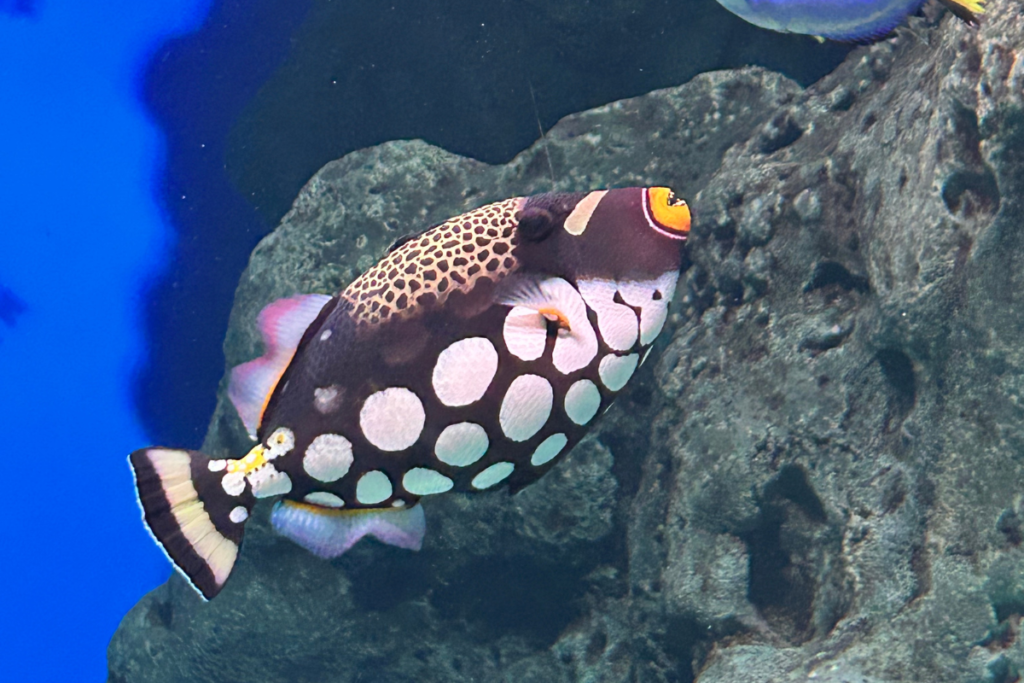
Quick Facts
Diet Type: Carnivore
Main Food Sources: Crustaceans, Mollusks, Sea Urchins, and Marine Invertebrates
Feeding Time: Primarily Daytime
Foraging Method: Active Searching and Substrate Inspection
Seasonal Diet Changes: Minor Regional Variations Based on Availability
Predatory Adaptations: Powerful Jaws, Strong Teeth, and Shell-Crushing Bite Force
Introduction to the Clown Triggerfish Feeding Ecology
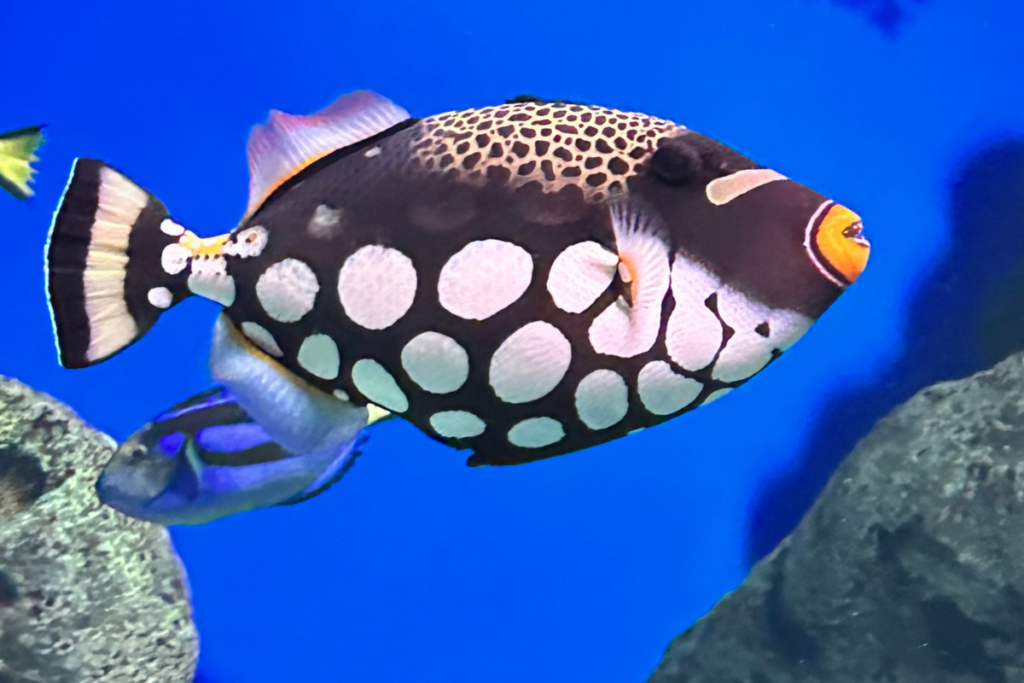
The Clown Triggerfish (Balistoides conspicillum) is a large tropical reef fish found throughout portions of the Indo-Pacific Ocean. Its range extends from coastal waters near eastern Africa to island chains and reef systems across the western Pacific. Within these marine environments, the species occupies a role that depends heavily on its ability to locate and process a variety of food sources.
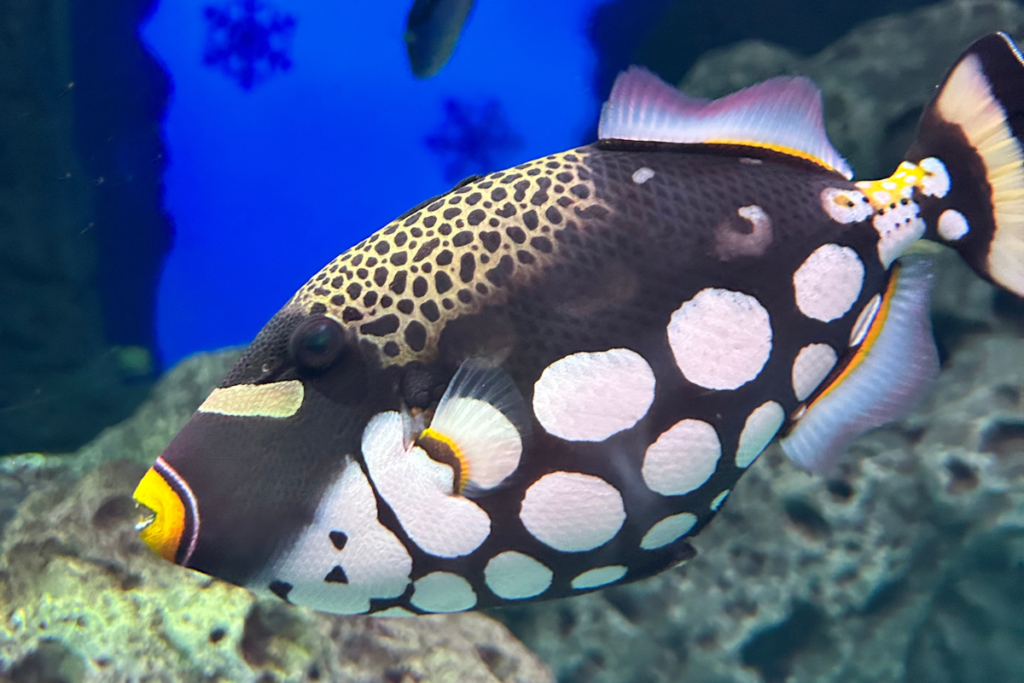
Unlike some reef fish that specialize in only a narrow range of resources, the Clown Triggerfish has developed feeding capabilities that allow it to exploit numerous opportunities within its environment. Its strong jaws and distinctive teeth are immediately noticeable features that hint at a diet requiring considerable strength. These adaptations have helped make the species one of the more successful predators within tropical reef communities.
Food availability can vary significantly across coral reef ecosystems. Seasonal changes, regional differences, and fluctuations in local marine populations all influence the resources available to reef inhabitants. The Clown Triggerfish thrives in part because it can utilize multiple food sources rather than depending entirely on a single prey type.
For observers, the feeding role of the Clown Triggerfish becomes apparent through its robust build and specialized mouth structure. Everything from its powerful jaws to its compact body design reflects a fish equipped to handle challenging prey. These characteristics provide a foundation for understanding the species’ dietary habits and ecological role.
Clown Triggerfish Diet Overview and Feeding Strategy
The Clown Triggerfish is primarily classified as a carnivore, meaning most of its nutrition comes from animal-based food sources. Rather than consuming plant material as a major dietary component, it focuses on marine organisms that provide high levels of protein and energy. This feeding strategy supports growth, maintenance, and reproduction throughout its life.
One of the defining features of the species’ diet is its versatility. While some reef fish specialize in feeding on a limited range of organisms, the Clown Triggerfish can utilize a broader selection of prey. This flexibility helps reduce dependence on any single food source and increases resilience when environmental conditions change.
Compared to highly specialized predators, the Clown Triggerfish occupies a middle ground between selectivity and adaptability. It possesses clear feeding preferences but remains capable of adjusting to local opportunities. This balance allows populations to persist across a wide geographic range without requiring identical food resources everywhere they occur.
Diet composition may vary from one reef system to another. A fish inhabiting a coral-rich region may encounter different prey communities than one living near rocky marine environments. Despite these differences, the species generally maintains its carnivorous feeding approach across its range.
Juveniles and adults may also show differences in dietary emphasis. Smaller individuals often target prey suited to their size and developing jaw strength, while mature fish can access larger and tougher food sources. This gradual expansion of feeding capability helps support the fish throughout its life cycle while reducing direct competition between age groups.
Natural Food Sources of the Clown Triggerfish
Marine invertebrates form the foundation of the Clown Triggerfish’s natural diet. Crustaceans such as crabs and shrimp are among the most commonly consumed prey items. Their abundance in reef ecosystems makes them reliable food sources throughout much of the species’ range.
Mollusks also contribute significantly to the diet. Clams, snails, and other shelled organisms provide nutrient-rich meals that many reef predators cannot easily access. The Clown Triggerfish’s powerful teeth allow it to exploit these resources more effectively than many neighboring fish species.
Sea urchins represent another important component of its feeding ecology. Covered in protective spines, sea urchins present challenges for many predators. However, the Clown Triggerfish possesses the physical tools necessary to overcome these defenses and access the nutritious tissues inside.
Secondary food sources may include various small marine animals encountered while foraging. Availability often depends on local environmental conditions and the composition of reef communities. In areas where certain prey populations are particularly abundant, individuals may consume those resources more frequently.
Diet can also shift throughout different stages of life. Juveniles often begin with smaller prey items that match their size and jaw strength. As they mature and develop stronger feeding structures, larger and more heavily protected prey become increasingly important. This progression allows the fish to take advantage of a wider range of food resources as it grows.
Clown Triggerfish Feeding Behavior and Survival Adaptations
The Clown Triggerfish is an active forager that relies heavily on observation and exploration while searching for food. Rather than waiting passively for prey to appear, it typically investigates the surrounding environment for feeding opportunities. This approach increases the likelihood of locating hidden or protected food sources.
A major survival advantage comes from its exceptionally powerful jaws. These jaws function much like a heavy-duty pair of pliers, generating enough force to break apart hard protective coverings. This ability allows the fish to access prey that remains unavailable to many other reef species.
When searching for food, the fish often inspects cracks, crevices, and irregular surfaces where prey may be concealed. Careful examination of the surrounding environment helps reveal potential feeding opportunities. This methodical approach can be more effective than relying solely on speed or pursuit.
Competition is a constant reality within diverse reef ecosystems. The Clown Triggerfish benefits from its ability to utilize prey items that many neighboring species cannot process. By exploiting resources protected by shells, spines, or hard coverings, it reduces direct competition for more easily consumed food.
Periods of reduced food availability require additional flexibility. When preferred prey becomes less common, the species can shift its focus toward alternative resources within its carnivorous diet. This adaptability, combined with strong feeding adaptations and efficient foraging strategies, helps explain why the Clown Triggerfish remains a successful predator throughout tropical reef ecosystems across the Indo-Pacific region.
Popular Searches About Clown Triggerfish
Explore Clown Triggerfish Guide
Explore More Exhibits

Support Encounters World
Help support wildlife photography and get behind the scenes discoveries on Patreon.