Clown Triggerfish Distribution Guide: Range, Ocean Regions, and Global Occurrence
Quick Facts
Native Range: Indo-Pacific Ocean
Primary Regions: Indian Ocean and Western Pacific
Northern Range Limit: Southern Japan and Nearby Waters
Southern Range Limit: Northern Australia and Surrounding Reefs
Habitat Association: Tropical Coral Reef Systems
Global Distribution: Widespread but Restricted to Warm Tropical Seas
Introduction to the Clown Triggerfish's Global Distribution
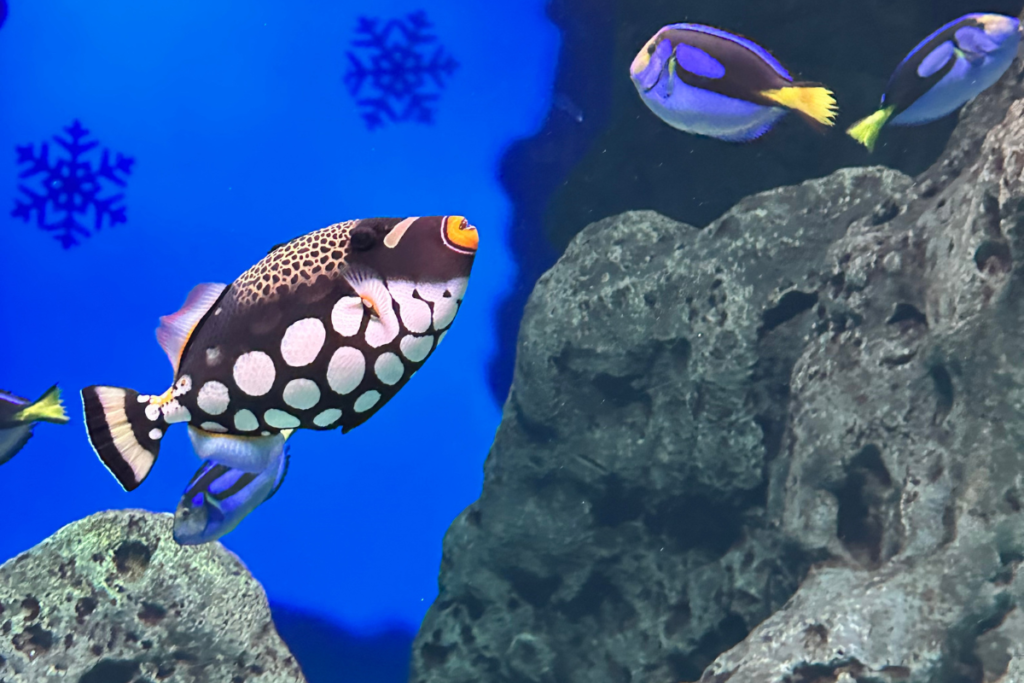
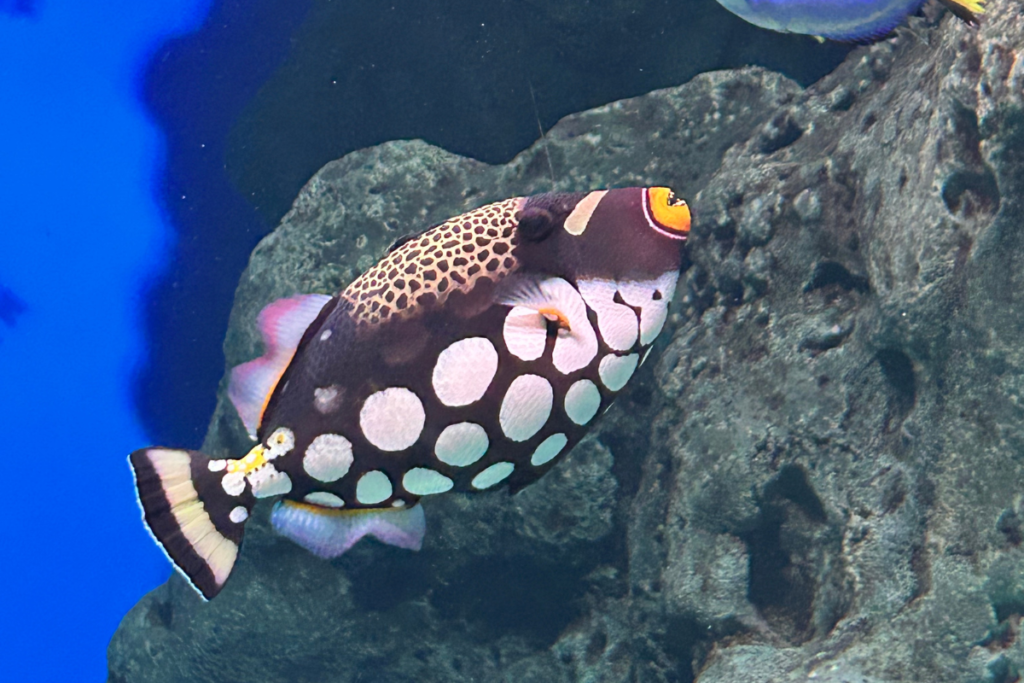
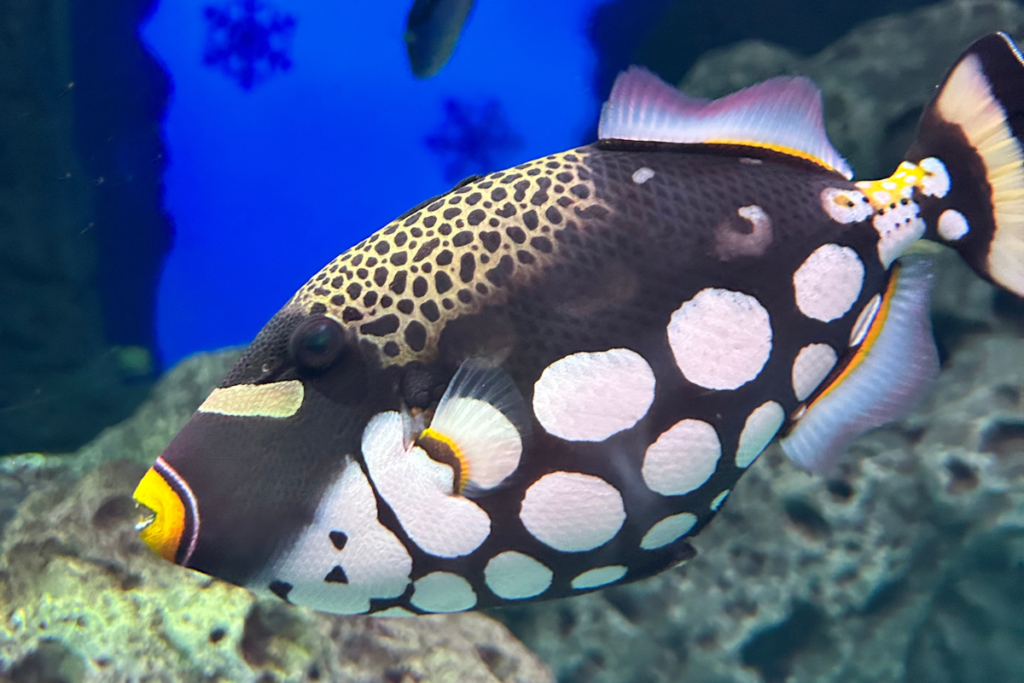
The Clown Triggerfish (Balistoides conspicillum) is a tropical marine fish recognized throughout much of the Indo-Pacific region. Its striking appearance has made it one of the most recognizable reef fish in the world, attracting attention from divers, marine biologists, and aquarium enthusiasts alike. Despite its popularity, the species remains naturally confined to warm ocean environments.
Its distribution spans an enormous geographic area stretching across thousands of miles of tropical waters. From coastlines bordering the Indian Ocean to remote Pacific island chains, the Clown Triggerfish occurs in regions known for exceptional marine biodiversity. These areas contain some of the world’s most productive reef ecosystems.
Unlike highly migratory pelagic fish that roam vast open oceans, the Clown Triggerfish is generally associated with reef-centered environments. As a result, its distribution follows the availability of suitable tropical marine ecosystems rather than extending evenly across all ocean waters. This creates a range pattern closely tied to reef development.
The species serves as an excellent example of how marine distribution is shaped by environmental conditions. Water temperature, ocean currents, reef formation, and geographic barriers all influence where Clown Triggerfish populations occur. Together, these factors define one of the most extensive tropical reef fish distributions in the Indo-Pacific.
Clown Triggerfish Geographic Range Across the Indo-Pacific
The Clown Triggerfish occupies a broad range throughout tropical portions of the Indo-Pacific Ocean. Its western distribution begins near eastern Africa and extends through portions of the Indian Ocean where warm marine conditions support extensive reef ecosystems. Numerous island groups and coastal regions within this area contain established populations.
Moving eastward, the species occurs around the Maldives, Sri Lanka, Indonesia, and countless islands scattered throughout Southeast Asia. This central portion of its range contains some of the most diverse marine environments on Earth. Large reef networks in these regions provide ideal conditions for sustaining healthy populations.
The eastern extent of its distribution reaches into portions of the western Pacific Ocean. Areas surrounding Papua New Guinea, the Philippines, and nearby island systems represent important components of the species’ overall range. These waters contain interconnected reef habitats that facilitate population continuity across large distances.
Northern populations may extend toward southern Japan and nearby subtropical waters where temperatures remain suitable. In contrast, southern populations occur around northern Australia and adjacent tropical marine regions. These boundaries illustrate how water temperature plays a major role in defining the species’ distribution limits.
Compared to reef fish restricted to a single ocean basin or isolated island group, the Clown Triggerfish occupies an exceptionally large geographic area. Its distribution spans multiple countries, numerous archipelagos, and vast stretches of tropical ocean, making it one of the more widely distributed triggerfish species.
Clown Triggerfish Regional Occurrence and Population Patterns
Although the species occupies a large range, its distribution is not perfectly uniform. Some regions support higher population densities than others due to differences in reef availability, environmental stability, and ecosystem productivity. Areas containing extensive reef networks generally provide the greatest opportunities for population growth.
Island chains often serve as important centers of occurrence. Groups of islands surrounded by suitable marine habitat create interconnected environments where populations can establish and persist. These island systems function much like stepping stones across the tropical ocean.
Population patterns may also be influenced by ocean currents. During early developmental stages, larvae drift with prevailing currents before settling into suitable environments. This natural dispersal process helps maintain genetic connections between populations separated by considerable distances.
Certain regions contain particularly high levels of marine biodiversity and therefore support a wide variety of reef-associated fish. In these biodiversity hotspots, Clown Triggerfish occur alongside thousands of other species that collectively form some of the most complex ecosystems on Earth.
Local abundance can vary significantly even within the same region. One reef system may contain numerous individuals while another nearby location supports fewer fish. These differences reflect natural environmental variation rather than a simple presence-or-absence pattern across the species’ range.
Environmental Factors Influencing Clown Triggerfish Distribution
Water temperature represents one of the most important factors influencing where Clown Triggerfish can survive. The species is strongly associated with tropical conditions and generally remains within regions where temperatures stay relatively warm throughout the year. Colder waters beyond these limits typically prevent long-term population establishment.
Coral reef availability is equally important. The species’ distribution closely mirrors the global distribution of tropical reef ecosystems. Areas lacking significant reef development are generally less suitable, even when water temperatures remain favorable.
Ocean currents contribute to range expansion and population connectivity. These currents transport developing larvae between reef systems, helping maintain genetic diversity and allowing populations to occupy suitable habitats across large geographic areas. In many ways, currents function like underwater highways connecting distant marine communities.
Geographic barriers can also influence distribution patterns. Large expanses of unsuitable habitat, changing water conditions, or significant environmental transitions may limit movement between certain regions. These natural barriers help shape population structure throughout the species’ range.
Climate stability plays a long-term role as well. Tropical oceans often experience fewer extreme seasonal fluctuations than temperate marine environments. This consistency creates conditions comparable to a year-round growing season on land, allowing reef ecosystems and the species that depend on them to persist over extended periods. As a result, the Clown Triggerfish remains closely tied to the warm, stable waters that define the tropical Indo-Pacific region.
Popular Searches About Clown Triggerfish
Explore Clown Triggerfish Guide
Explore More Exhibits

Support Encounters World
Help support wildlife photography and get behind the scenes discoveries on Patreon.