Clown Triggerfish Ecosystem Role Guide: Importance in Coral Reef Ecosystems
Quick Facts
Ecosystem Role: Mid-Level Reef Predator
Food Web Position: Consumer
Primary Ecological Function: Population Regulation of Marine Invertebrates
Environmental Contribution: Supports Reef Balance and Biodiversity
Interaction Level: Connected to Multiple Reef Species
Ecosystem Type: Tropical Coral Reef Communities
Introduction to the Clown Triggerfish's Role in Nature
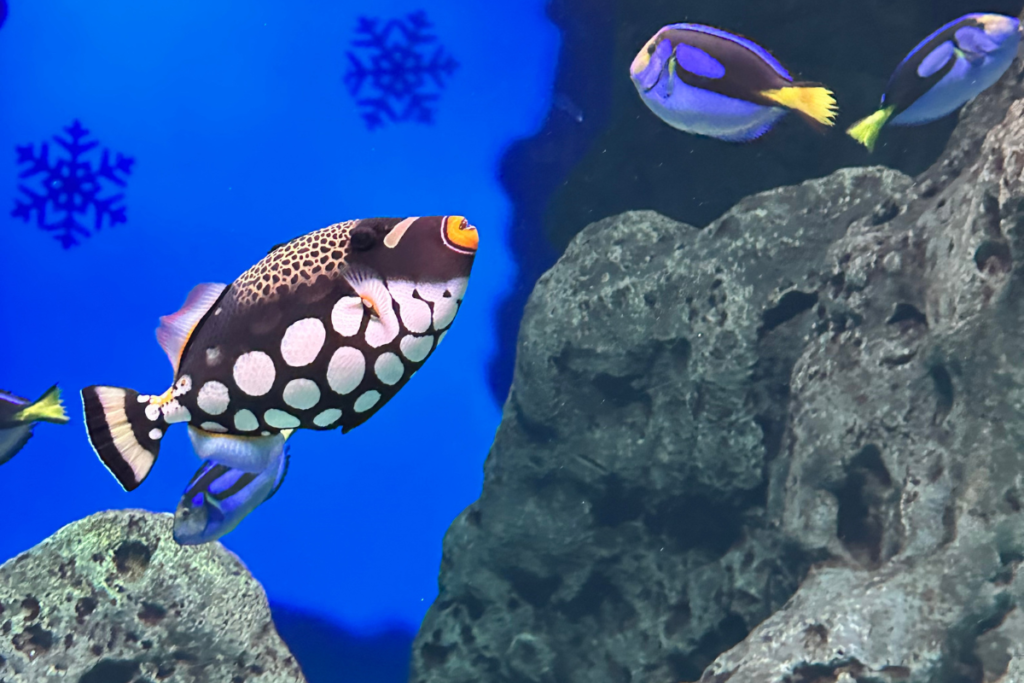
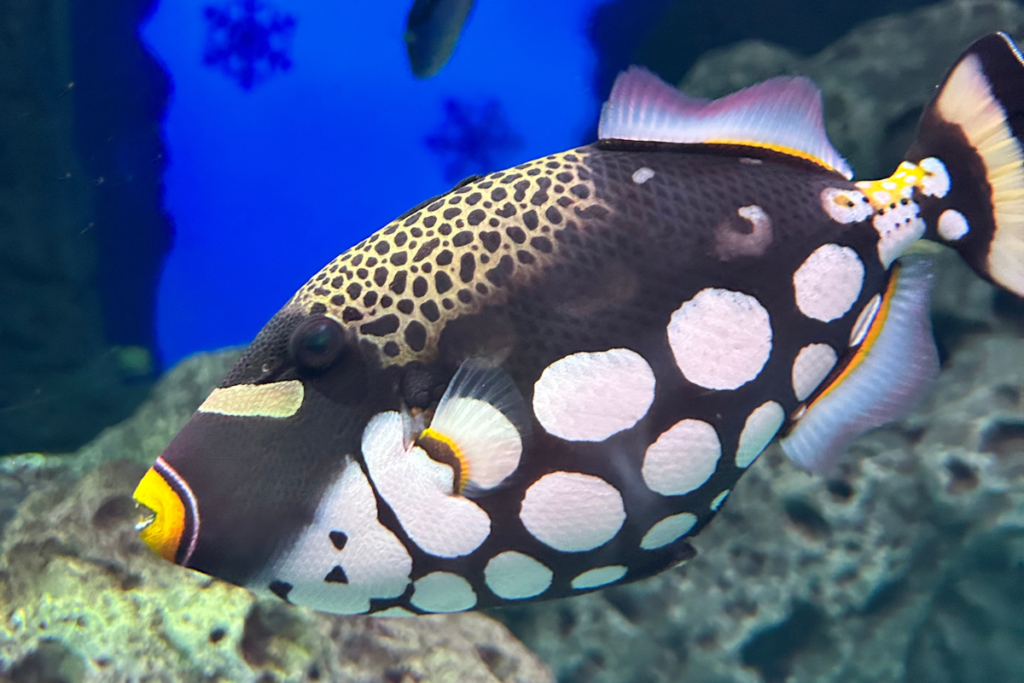
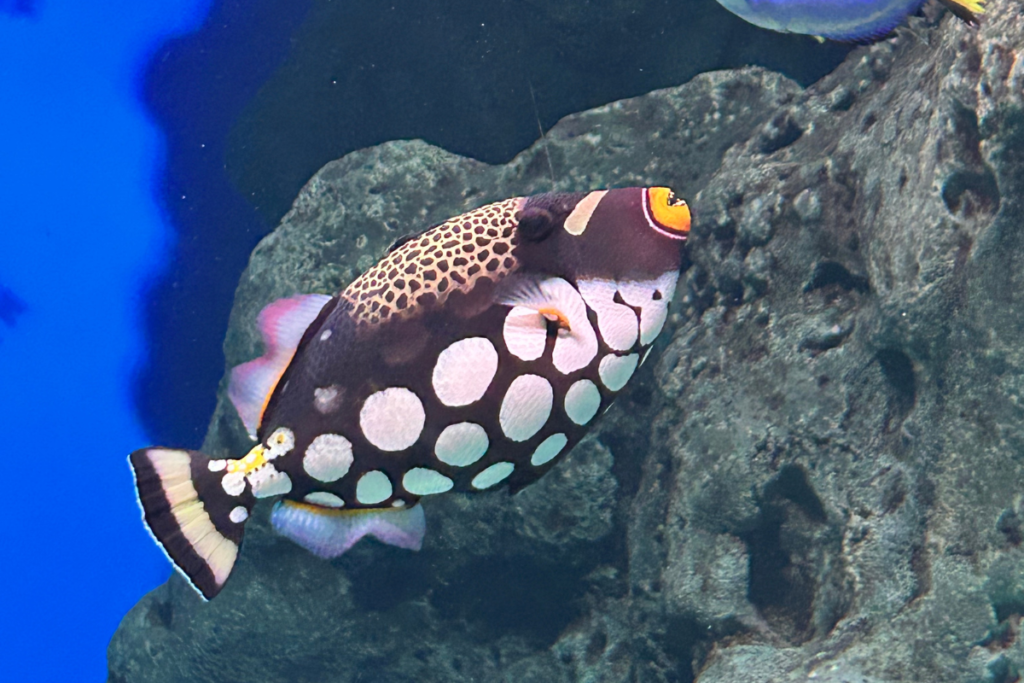
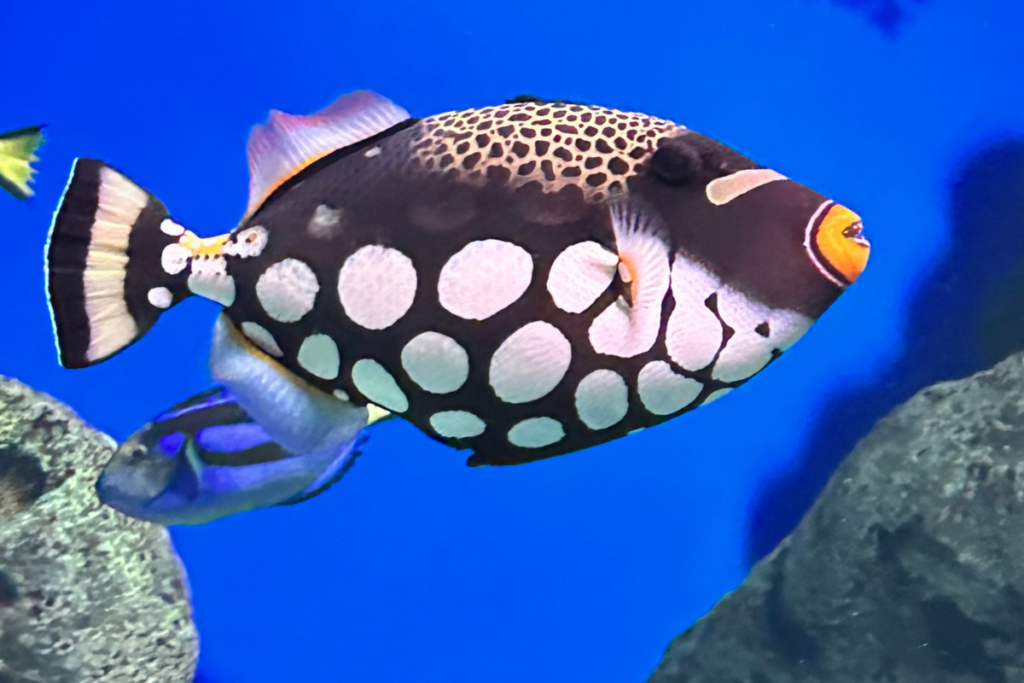
The Clown Triggerfish (Balistoides conspicillum) is one of the most recognizable inhabitants of tropical Indo-Pacific reefs. While its bold coloration often attracts attention, its ecological importance extends far beyond appearance. Within coral reef ecosystems, this species contributes to the intricate network of interactions that maintain environmental stability and biodiversity.
Coral reefs are among the most complex ecosystems on Earth. Thousands of species coexist within relatively small areas, creating a dynamic system where every organism influences others in some way. The Clown Triggerfish forms one part of this interconnected community, contributing to ecological processes that help reefs function effectively.
Like many reef fish, its role changes throughout its life. Juveniles interact with their environment differently than adults, and each developmental stage contributes to the overall ecosystem in unique ways. These shifting ecological relationships help distribute energy and resources throughout the reef community.
Understanding the Clown Triggerfish’s ecosystem role provides insight into how reef systems maintain balance. Rather than existing as an isolated species, it participates in countless interactions that connect fish, invertebrates, corals, and larger marine predators. These relationships collectively support the health and resilience of tropical marine ecosystems.
Clown Triggerfish Position Within the Reef Food Web
The Clown Triggerfish occupies a middle position within tropical reef food webs. It functions as a consumer that transfers energy from smaller marine organisms to larger predators higher in the ecosystem. This placement makes it an important link connecting multiple levels of the food chain.
Energy movement through ecosystems depends on species occupying different trophic levels. Organisms at lower levels convert resources into biomass, while consumers transfer that energy upward through predation and competition. The Clown Triggerfish contributes to this process by helping distribute energy throughout reef communities.
Compared to apex predators such as large sharks, the Clown Triggerfish occupies an intermediate ecological position. It influences populations below it while remaining connected to predators above it. This dual role creates important ecological connections that strengthen overall ecosystem function.
Many reef ecosystems rely on numerous mid-level consumers rather than a small number of dominant species. The Clown Triggerfish represents one of these important contributors. Its presence helps maintain a balanced distribution of ecological pressure throughout reef environments.
Without species occupying intermediate positions within food webs, ecological systems often become less stable. The Clown Triggerfish helps prevent such imbalances by serving as a bridge between lower and higher trophic levels, ensuring energy continues moving efficiently through the ecosystem.
Clown Triggerfish Contributions to Reef Ecosystem Balance
One of the species’ most important ecological functions involves influencing marine invertebrate populations. Through its feeding activities, the Clown Triggerfish helps prevent certain organisms from becoming excessively abundant. This regulatory role contributes to maintaining diversity within reef communities.
Balanced ecosystems depend on checks and controls that prevent individual species from dominating available resources. The Clown Triggerfish participates in these natural regulatory processes, helping maintain equilibrium among various marine populations. Such interactions are critical for sustaining healthy reef environments.
The species also contributes indirectly to reef structure and biodiversity. By participating in population regulation, it influences relationships among numerous organisms sharing the same ecosystem. These effects can extend beyond immediate interactions and influence broader ecological patterns.
A useful comparison can be made to wildlife managers in terrestrial ecosystems. Just as predators help regulate herbivore populations on land, reef consumers such as the Clown Triggerfish contribute to maintaining ecological balance underwater. Their presence supports diversity by preventing disproportionate growth of certain populations.
Healthy reefs typically contain a wide variety of species performing complementary ecological functions. The Clown Triggerfish represents one component of this system, working alongside countless other organisms to maintain the environmental complexity that makes coral reefs among the most productive ecosystems on Earth.
Clown Triggerfish Influence on Biodiversity and Ecosystem Health
Biodiversity thrives when ecosystems contain numerous interacting species occupying different ecological roles. The Clown Triggerfish contributes to this diversity by participating in the complex web of relationships that defines tropical reefs. Its activities influence not only individual species but also broader ecological processes.
The species serves as both a consumer and a resource within the ecosystem. This dual function creates ecological connections that link multiple groups of organisms together. Such interactions strengthen ecosystem resilience by increasing the number of pathways through which energy and resources can move.
Coral reefs are often compared to underwater cities because of the incredible number of species living within them. In this analogy, the Clown Triggerfish functions as one of many specialized residents contributing to the overall operation of the community. Every participant performs tasks that support the larger system.
Environmental stability often depends on maintaining species diversity. Ecosystems with many interacting organisms are generally better able to withstand disturbances than systems with limited biodiversity. By fulfilling its ecological role, the Clown Triggerfish contributes to the resilience and long-term health of reef communities.
Ultimately, the importance of the Clown Triggerfish extends beyond its striking appearance. Its position within food webs, influence on population dynamics, contribution to biodiversity, and participation in energy transfer all support the functioning of tropical reef ecosystems. These ecological contributions make it an important component of the Indo-Pacific marine environments it inhabits.
Popular Searches About Clown Triggerfish
Explore Clown Triggerfish Guide
Explore More Exhibits

Support Encounters World
Help support wildlife photography and get behind the scenes discoveries on Patreon.