Clown Triggerfish Reproduction Guide: Breeding, Spawning, and Early Development
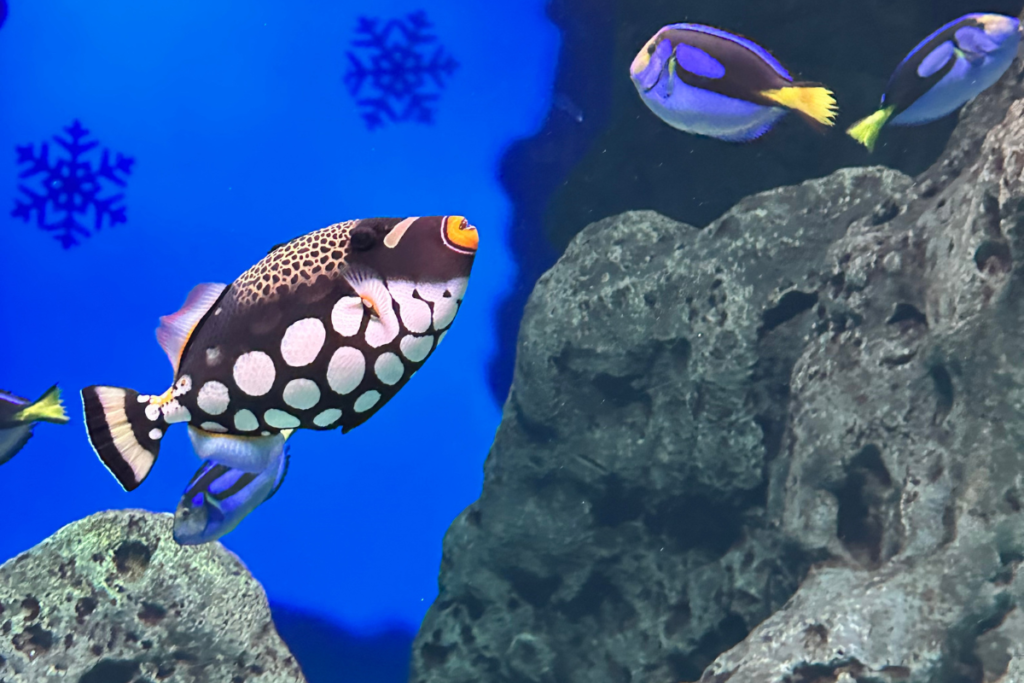
Quick Facts
Reproductive Method: Sexual Reproduction
Breeding Type: Egg-Laying (Oviparous)
Spawning Location: Reef-Based Nest Sites
Parental Care: Active Egg Guarding
Egg Development: External Fertilization
Breeding Season: Varies by Region and Environmental Conditions
Introduction to Clown Triggerfish Reproduction
The Clown Triggerfish (Balistoides conspicillum) inhabits tropical waters throughout the Indo-Pacific region, where coral reef ecosystems provide the conditions necessary for successful reproduction. Like many reef fish, this species relies on a carefully timed breeding process that allows the next generation to develop within a competitive marine environment. Reproduction plays a critical role in maintaining populations across its vast geographic range.
Although adult Clown Triggerfish are best known for their bold appearance, the continuation of the species depends on events that often occur out of sight. Courtship, spawning, egg protection, and larval development all contribute to a complex reproductive cycle. Each stage increases the chances that at least some offspring will survive to adulthood.
Marine reproduction presents unique challenges. Ocean currents, predators, and environmental conditions can influence success long before young fish reach maturity. As a result, the Clown Triggerfish has evolved reproductive strategies that improve survival during the earliest stages of life.
For reef fish, reproduction is more than simply producing offspring. It is a carefully coordinated process involving site selection, timing, protection, and development. Understanding how the Clown Triggerfish reproduces reveals the remarkable effort required to sustain populations across tropical oceans.
Clown Triggerfish Courtship and Breeding Behavior
Reproduction begins when mature males and females enter the breeding phase. Environmental conditions such as water temperature, seasonal cycles, and local ecosystem stability can influence when spawning occurs. These factors help ensure that reproduction takes place under favorable circumstances.
Prior to spawning, courtship behaviors allow individuals to identify suitable mates. Visual displays, body positioning, and controlled movements may all contribute to this process. These interactions help synchronize reproductive readiness between breeding pairs.
Breeding activity often becomes concentrated in specific areas where conditions support successful egg development. Suitable locations provide stable surfaces and environments that increase the likelihood of reproductive success. Selection of these sites represents an important step before eggs are deposited.
Compared to fish that release eggs randomly into open water, the Clown Triggerfish demonstrates a more deliberate breeding strategy. The process resembles birds selecting a nesting area before reproduction rather than simply scattering offspring without protection. This approach increases control over early developmental stages.
Once courtship is complete and a breeding site has been selected, spawning can begin. The events that follow mark the transition from adult reproductive activity to the beginning of a new generation.
Clown Triggerfish Spawning and Egg Development
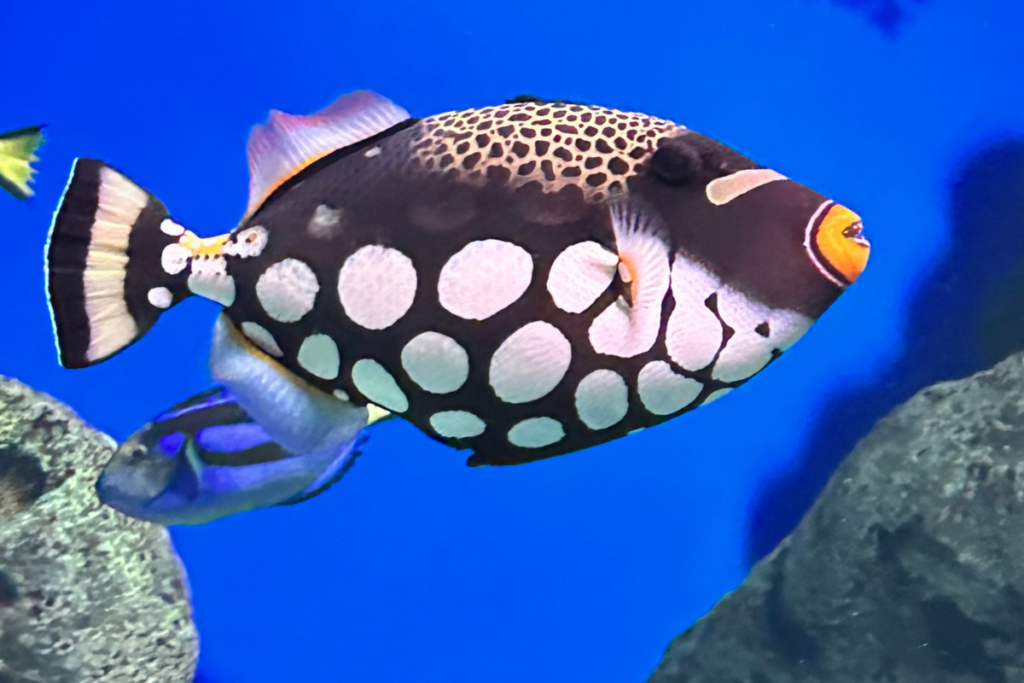
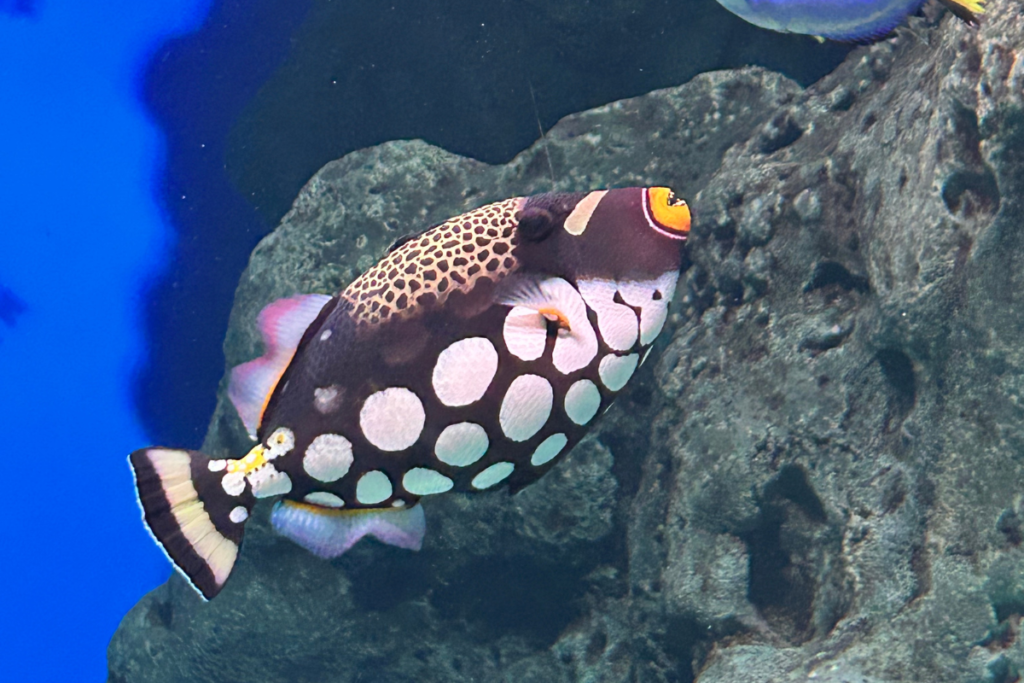
During spawning, females deposit large numbers of eggs onto carefully chosen surfaces. These eggs remain concentrated within a defined nesting area rather than drifting immediately into surrounding waters. This arrangement helps keep developing embryos together during the earliest stages of development.
After egg deposition, fertilization occurs externally. Males release reproductive cells over the eggs, initiating embryonic development. This process is common among many marine fish species and allows large numbers of offspring to be produced at once.
Eggs undergo a period of development during which complex biological changes occur. Within each egg, an embryo gradually forms organs, muscles, sensory structures, and the features necessary for independent life. Although invisible from a distance, this developmental phase is one of the most important stages in the reproductive cycle.
Parental protection significantly increases survival prospects during this period. Unlike many fish species that abandon eggs immediately after spawning, Clown Triggerfish often guard nests against potential threats. This protective behavior helps reduce losses caused by predators and environmental disturbances.
As development nears completion, embryos become increasingly active within their eggs. Eventually, hatching occurs and a new life stage begins. The tiny fish emerging from the eggs bear little resemblance to the large, boldly patterned adults they will eventually become.
Clown Triggerfish Larval Development and Reproductive Success
Following hatching, larvae enter a planktonic stage that differs dramatically from adult life. Instead of remaining closely associated with reef structures, these tiny fish drift within ocean currents. During this period, they continue growing while undergoing major developmental changes.
Ocean currents play an important role in dispersal. Much like seeds carried by the wind, larval Clown Triggerfish can be transported considerable distances before settling. This movement helps populations spread across suitable habitats and contributes to genetic diversity throughout the species’ range.
Survival during the larval stage is challenging. Predators, environmental conditions, and competition create obstacles that only a small percentage of offspring overcome. Producing large numbers of eggs increases the probability that at least some individuals will successfully reach later stages of development.
Those that survive eventually transition toward juvenile life. Body shape, coloration, and swimming ability continue improving as growth progresses. The fish gradually develops characteristics that prepare it for life within reef ecosystems.
Reproductive success is ultimately measured by how many offspring survive long enough to reproduce themselves. Through courtship, nest selection, egg protection, larval dispersal, and juvenile development, the Clown Triggerfish has evolved a reproductive strategy capable of sustaining populations across the tropical Indo-Pacific. Each generation begins as a tiny egg yet carries the potential to become one of the most recognizable fish inhabiting the world’s coral reefs.
Popular Searches About Clown Triggerfish
Explore Clown Triggerfish Guide
Explore More Exhibits

Support Encounters World
Help support wildlife photography and get behind the scenes discoveries on Patreon.