
Creeping Charlie Benefits and Uses Guide: Ecological Value, Historical Uses, and Practical Advantages
Quick Facts
Primary Benefit: Ground Cover and Soil Protection
Pollinator Value: High
Historical Human Use: Medicinal and Brewing Applications
Wildlife Value: Supports Insects and Pollinators
Garden Use: Living Groundcover
Erosion Control Potential: Moderate
Native Range: Europe, Western Asia, and Northern Africa
Introduction to Creeping Charlie Benefits and Uses
Creeping Charlie (Glechoma hederacea) is often discussed because of its aggressive spread, but the plant has a long history of practical uses and ecological benefits. Native to Europe and parts of Asia, it was intentionally transported by humans long before it became established throughout North America. Historically, people valued the plant for reasons extending far beyond its appearance.
Today, many homeowners view Creeping Charlie primarily as a lawn weed. While it can certainly become troublesome in managed landscapes, this perspective overlooks the plant’s broader role in both natural and human environments. Like many widespread species, it provides a combination of advantages and disadvantages depending on context.
For centuries, the plant was cultivated and utilized rather than removed. Early communities recognized various practical applications, particularly before modern agriculture and commercial products became widely available. These historical uses contributed to the species’ movement into new regions.
Understanding the benefits of Creeping Charlie offers a more complete picture of the plant. Whether considered for pollinator support, erosion reduction, or historical significance, the species possesses characteristics that have allowed it to remain valuable to both people and ecosystems across generations.
Creeping Charlie as a Groundcover and Soil Protector
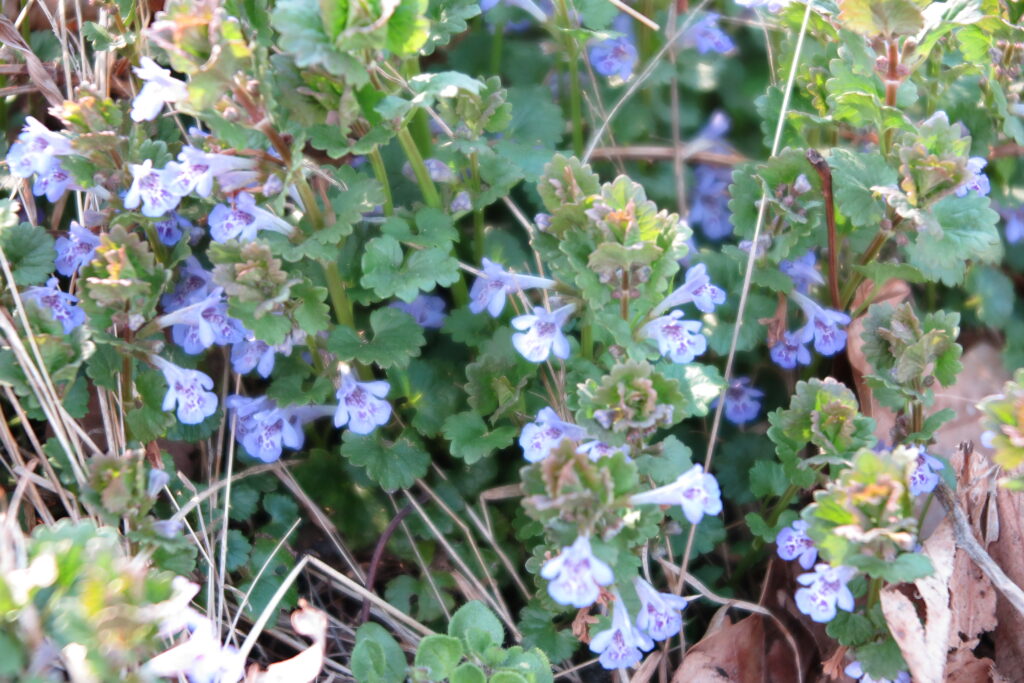
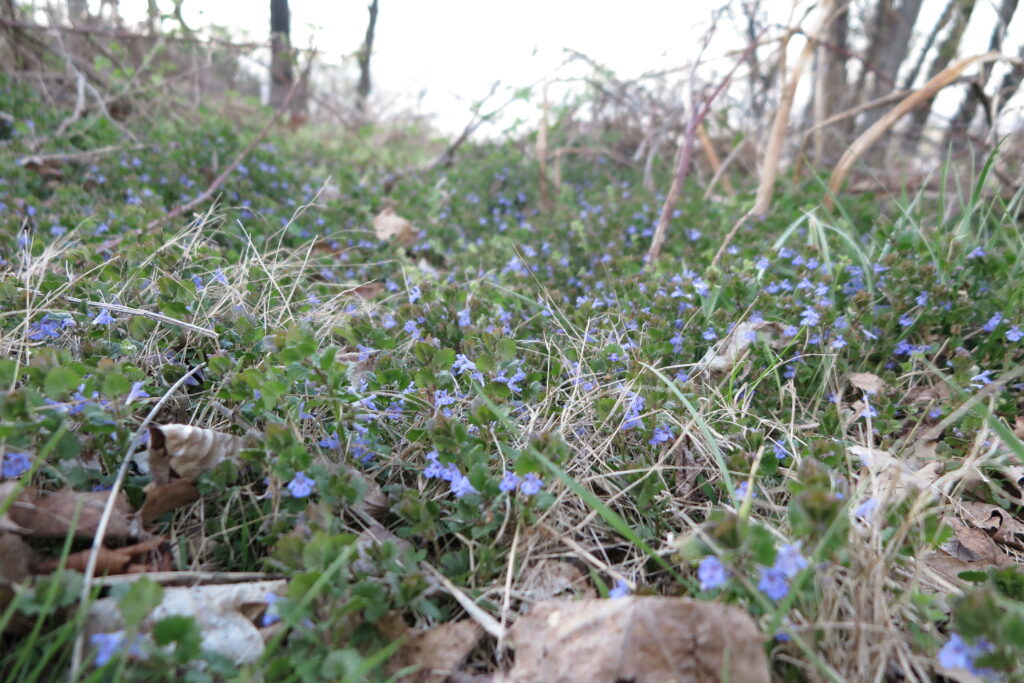
One of the most significant benefits of Creeping Charlie is its ability to function as a living groundcover. Its dense foliage creates a continuous layer across the soil surface, helping reduce exposed ground. This coverage can protect soil from direct sunlight and minimize moisture loss.
In areas where grass struggles to establish, Creeping Charlie often remains green and attractive. Its low-growing nature allows it to cover bare patches efficiently without requiring frequent mowing. Some gardeners intentionally maintain small sections as an alternative groundcover in difficult locations.
The plant may also contribute to reducing soil erosion. Dense vegetation helps stabilize the upper soil layer and lessens the impact of rainfall on exposed ground. Sloped areas and lightly disturbed sites sometimes benefit from this protective effect.
A useful comparison is a natural mulch that continuously renews itself. Instead of adding bark or straw to cover the ground, Creeping Charlie creates a living layer of vegetation that performs a similar protective function. This characteristic helps explain why the plant can become so successful in suitable environments.
Although not appropriate for every landscape, its ability to cover soil rapidly remains one of its most practical attributes. In locations where erosion, bare ground, or difficult growing conditions present challenges, this dense coverage can provide noticeable benefits.


Pollinator and Wildlife Benefits of Creeping Charlie
The flowers of Creeping Charlie serve as valuable resources for numerous pollinating insects. During spring, the plant produces purple blooms that attract bees searching for nectar and pollen. These floral resources arrive during a period when many pollinators are actively seeking food sources.
Native bees are among the most frequent visitors. Small solitary bees and other beneficial insects often forage among the flowers throughout the blooming season. Their activity demonstrates the plant’s role within local pollinator communities.
Butterflies and occasional hoverflies may also utilize the flowers. While Creeping Charlie is not typically considered a major butterfly host plant, its nectar can still provide a useful food source. This contributes to the overall diversity of flowering resources available within an ecosystem.
A comparison can be made to a neighborhood café serving travelers throughout the day. The flowers may not represent the largest nectar source available, but they offer a reliable stop for insects moving through the landscape. Consistent access to flowering plants can be particularly important during early spring.
The dense foliage may also provide shelter for small invertebrates. Ground beetles, spiders, and other organisms often utilize low-growing vegetation as cover. This creates a small but active community beneath the plant’s leafy canopy.
While pollinator support does not eliminate concerns regarding invasiveness, it highlights an ecological role often overlooked in discussions about the species. Even widely disliked plants can contribute valuable resources to local wildlife.
Historical Uses and Human Value of Creeping Charlie
Long before modern lawn care existed, Creeping Charlie was intentionally cultivated for practical purposes. Historical records indicate that people used the plant in traditional herbal practices for centuries. Its long association with human communities reflects a value that predates its reputation as a lawn weed.
One of its most notable historical uses involved brewing. Before hops became widely adopted, Creeping Charlie was sometimes added to beer and ale. The plant was believed to contribute flavor and help preserve beverages during production.
Traditional herbal practitioners also used the plant in various remedies. While modern medical recommendations differ from historical practices, these uses demonstrate how highly the species was regarded in earlier periods. Many cultures viewed the plant as a useful household resource rather than an unwanted invader.
A useful comparison would be the transformation of certain herbs from essential household plants to overlooked weeds. As lifestyles changed and commercial products replaced traditional practices, the plant’s role shifted dramatically. What was once intentionally cultivated eventually became something many people attempted to remove.
Today, some gardeners and foragers continue to appreciate the plant for its historical significance. While it is no longer widely relied upon for brewing or medicinal purposes, its cultural history remains an interesting part of the species’ story.
Understanding these benefits and uses helps place Creeping Charlie into a broader perspective. Beyond its reputation as a spreading lawn plant, it serves pollinators, protects soil, and carries a long history of interaction with human societies. These qualities explain why the species has remained both successful and memorable throughout much of the temperate world.
Popular Searches About Creeping Charlie
Explore Creeping Charlie Guide
Explore More Plants

Support Encounters World
Help support wildlife photography and get behind the scenes discoveries on Patreon.