
Is Creeping Charlie Invasive? Understanding Its Spread, Impact, and Control
Quick Facts
Plant Type: Perennial Broadleaf Plant
Invasive Status: Considered Invasive in Many Parts of North America
Spread Method: Creeping Stems, Rooted Nodes, and Seeds
Growth Speed: Fast
Environmental Impact: Can Displace Native Ground Vegetation
Management Difficulty: Moderate to High
Native Range: Europe, Western Asia, and Northern Africa
What Makes Creeping Charlie an Invasive Plant?
Creeping Charlie is a low-growing perennial originally native to Europe, western Asia, and portions of northern Africa. Over time, it was introduced to North America, where it became established far beyond cultivated gardens. Today, it is commonly encountered throughout many regions of the United States and Canada.
The term “invasive” refers to a species that spreads beyond its native range and successfully establishes itself in new environments. In many parts of North America, Creeping Charlie fits this definition because it forms self-sustaining populations that continue expanding without human assistance. Its widespread distribution has made it one of the most recognized introduced groundcover plants.
Unlike ornamental species that remain confined to flower beds, Creeping Charlie frequently escapes into surrounding landscapes. Once established, it can persist for decades and gradually occupy additional territory. This ability to spread independently contributes significantly to its invasive reputation.
Although some people appreciate its dense green appearance, land managers and homeowners often view it differently. Its tendency to dominate available ground space can make it difficult for desirable vegetation to compete. Understanding why the plant spreads so effectively helps explain why it is considered invasive across many regions.
Creeping Charlie Spread and Invasive Growth Behavior
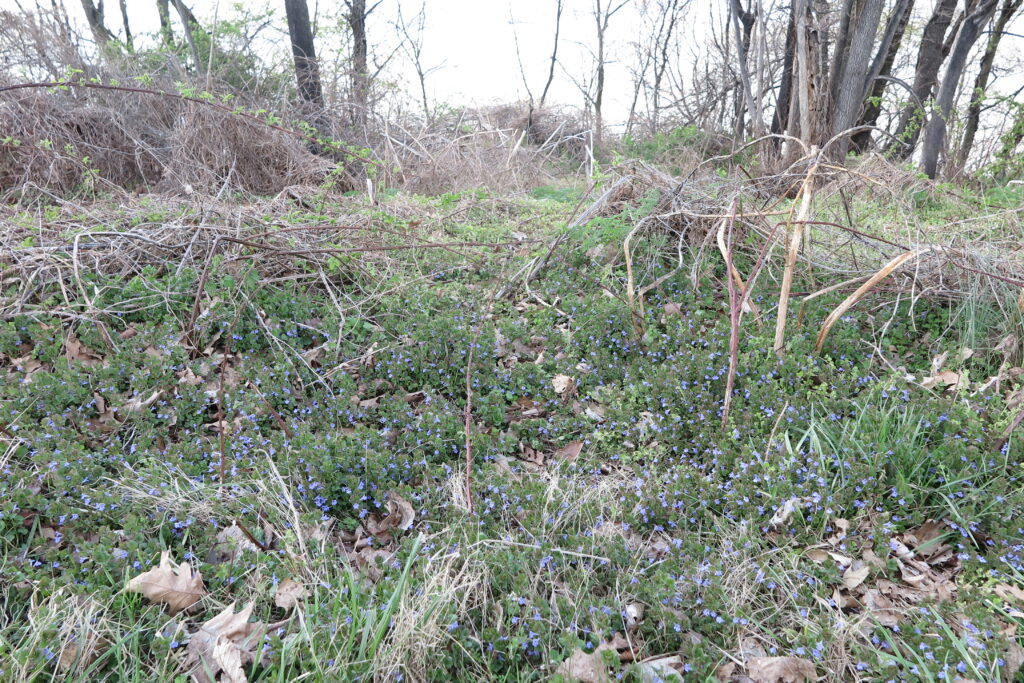
One of the primary reasons Creeping Charlie is considered invasive is its exceptional ability to spread across the ground. Rather than remaining concentrated around a single location, the plant continuously extends outward through creeping stems. This allows colonies to gradually expand year after year.
As stems move across the soil surface, they frequently produce roots at contact points. These rooted nodes effectively create new growth centers throughout a patch. A single colony can therefore increase its coverage without relying entirely on seed production.
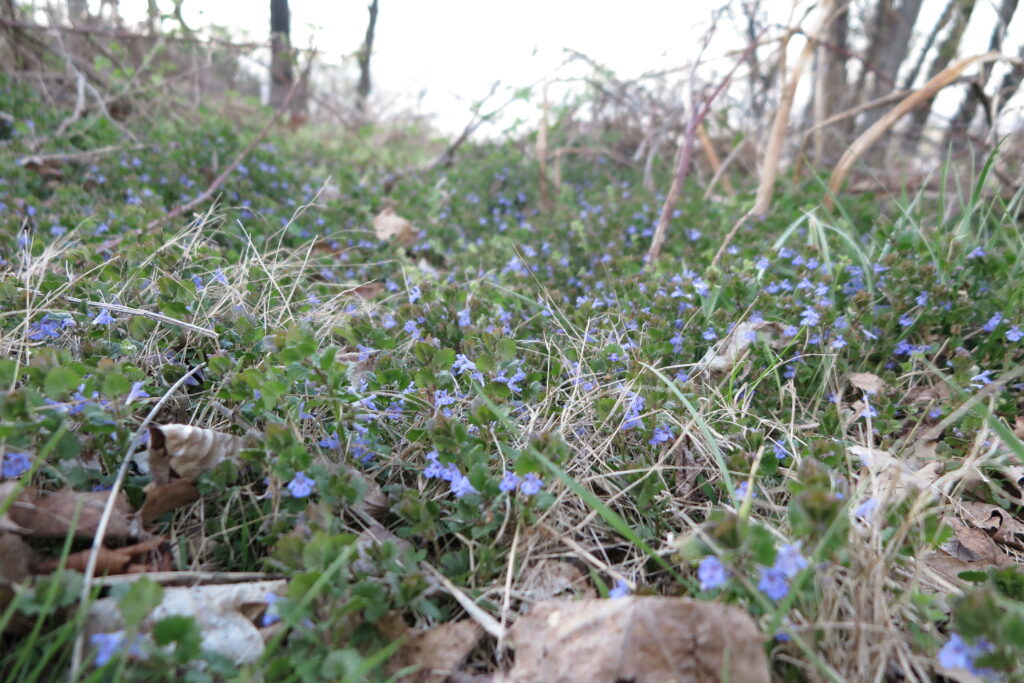
Large infestations often develop in a manner similar to a blanket being slowly pulled across the landscape. What begins as a small patch can eventually connect with neighboring sections, forming extensive mats of vegetation. This process allows the plant to occupy substantial areas over time.
Seeds also contribute to spread, although vegetative expansion often plays a larger role in established populations. Seeds allow the plant to colonize new locations beyond existing patches. Combined with rooted stems, this dual strategy increases the species’ ability to establish itself successfully.
Compared to many native groundcover plants, Creeping Charlie often expands more aggressively. While numerous species remain confined to specific areas, Creeping Charlie continually seeks new space. This persistent outward growth is one of the defining characteristics behind its invasive classification.

Environmental Impact of Creeping Charlie Invasions
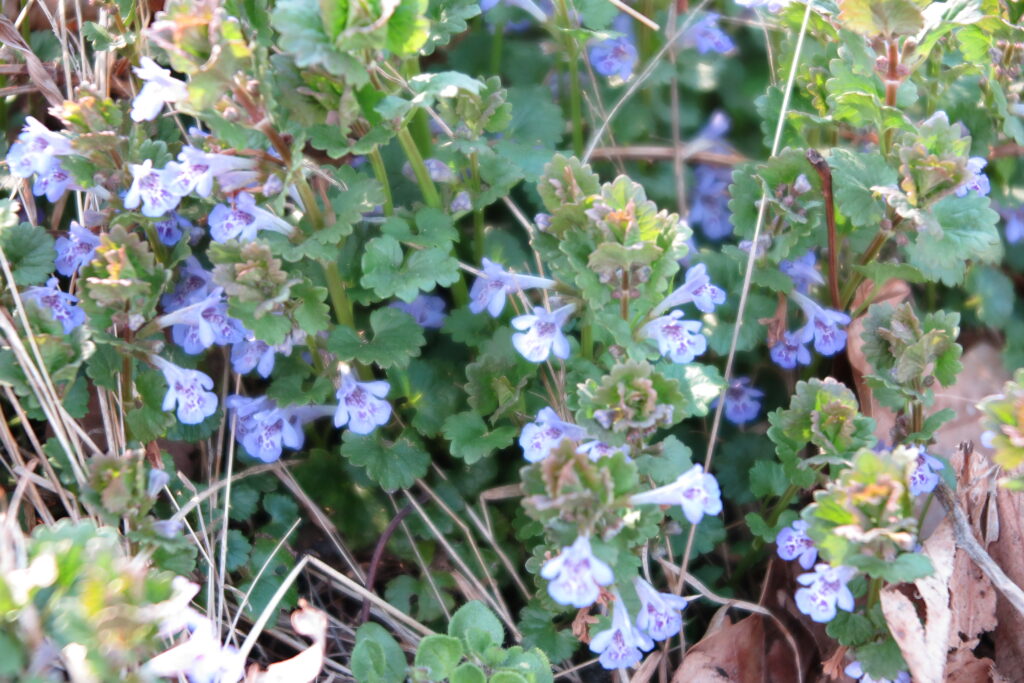
The ecological impact of Creeping Charlie varies depending on location and habitat quality. In heavily managed lawns, its presence may be viewed primarily as a maintenance issue. In natural settings, however, the plant can create more significant environmental concerns.
Dense colonies may reduce available space for smaller native plants. As patches expand, they can occupy ground-level areas that would otherwise support diverse vegetation. Over time, this can alter the composition of local plant communities.
A useful comparison is a thick carpet covering a floor. Just as a carpet conceals the surface beneath it, extensive Creeping Charlie patches can limit opportunities for other plants to establish. This effect is particularly noticeable when infestations become large and continuous.
Woodland edges, disturbed sites, and transitional habitats often experience the greatest impact. These environments frequently contain numerous native species competing for limited space and resources. The arrival of a rapidly spreading introduced plant can shift those competitive relationships.
Not every population produces severe ecological consequences. Small patches may have relatively limited effects, particularly in developed landscapes. However, large infestations have the potential to influence plant diversity and contribute to the displacement of native ground vegetation.
Managing and Preventing Creeping Charlie Invasions
Preventing new infestations is often easier than controlling established populations. Early detection allows small patches to be addressed before they expand into larger colonies. Regular monitoring remains one of the most effective long-term management strategies.
Healthy vegetation can help reduce opportunities for invasion. Dense lawns and vigorous native plant communities often resist establishment better than sparsely vegetated areas. Strong competition from desirable plants limits the available space Creeping Charlie can occupy.
When infestations are already present, prompt action typically produces the best results. Manual removal, mechanical control, and selective herbicide treatments are commonly used management tools. The most effective approach often depends on infestation size and site conditions.
Persistence is important because the plant rarely disappears after a single treatment. Follow-up inspections and repeated control efforts are frequently necessary. Long-term success usually comes from gradual reduction rather than immediate eradication.
Land managers often focus on prevention as much as removal. Eliminating existing patches while improving overall vegetation health helps reduce future invasions. This combined strategy addresses both the plant itself and the conditions that allow it to spread.
Whether viewed as a lawn weed or an ecological concern, Creeping Charlie demonstrates many characteristics associated with invasive plants. Understanding its spread, impacts, and management options provides valuable insight into why it remains one of the most successful introduced groundcovers in North America.
Popular Searches About Creeping Charlie
Explore Creeping Charlie Guide
Explore More Plants

Support Encounters World
Help support wildlife photography and get behind the scenes discoveries on Patreon.