
Creeping Charlie Facts Guide: 25 Interesting Facts About Ground Ivy
Quick Facts
Plant Type: Perennial Broadleaf Plant
Plant Family: Mint Family (Lamiaceae)
Growth Habit: Creeping Groundcover
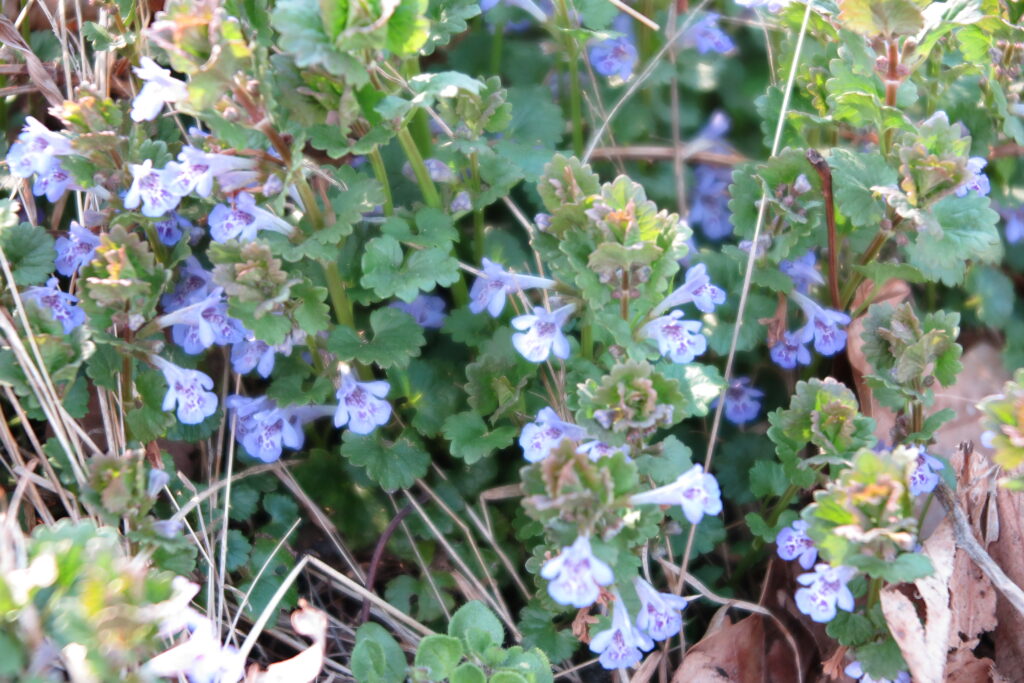
Flower Color: Purple to Bluish-Purple
Native Range: Europe, Western Asia, and Northern Africa
Introduced Range: North America and Other Temperate Regions
Interesting Fact: Once Used in Brewing Before Hops Became Common
Introduction to Creeping Charlie Facts
Creeping Charlie is one of the most recognizable groundcover plants found throughout temperate regions. Known scientifically as Glechoma hederacea, the species has attracted attention for centuries because of its unusual growth habit, distinctive flowers, and remarkable ability to spread. Whether admired as a groundcover or viewed as a persistent lawn weed, it remains a fascinating member of the mint family.
The plant has accompanied human settlements for hundreds of years. Long before modern lawn care practices existed, Creeping Charlie was intentionally cultivated and valued for practical purposes. Its relationship with people stretches back much further than many realize.
Today, the species is encountered in countless lawns, gardens, parks, and woodland edges. Because it is so common, many people overlook the interesting details that make it unique. Looking beyond its reputation reveals a surprisingly rich history and biology.
These facts highlight some of the most interesting aspects of Creeping Charlie, including its origins, adaptations, appearance, and ecological significance. Together, they provide a broader understanding of one of the world’s most widespread groundcover plants.
Unique Creeping Charlie Plant Facts
One interesting fact about Creeping Charlie is that it belongs to the mint family. This places it alongside familiar plants such as peppermint, spearmint, basil, and oregano. Although it looks very different from many culinary herbs, it shares several family characteristics.
Another notable fact is that its scientific name, Glechoma hederacea, has remained relatively stable for centuries. Many common plants have undergone numerous classification changes, but Creeping Charlie has retained its scientific identity remarkably well.
The plant earned the name “Ground Ivy” because its spreading growth pattern resembles a miniature version of true ivy. Despite the similarity in appearance, it is not closely related to English Ivy or other ivy species. The resemblance is primarily visual rather than botanical.
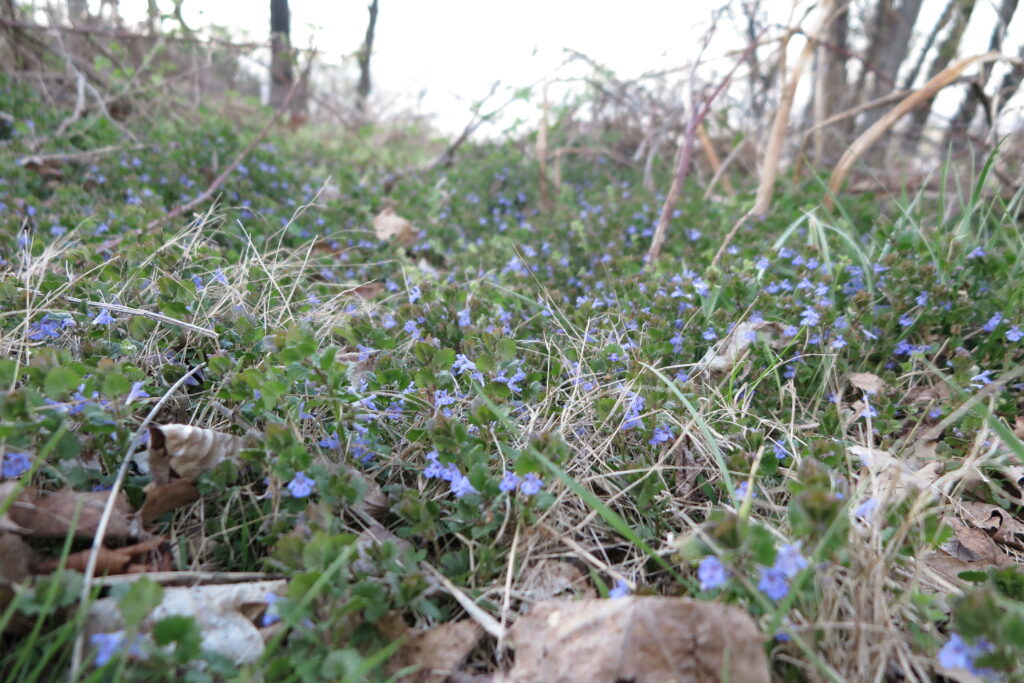
Creeping Charlie is capable of forming large interconnected colonies. Individual stems remain connected as they spread across the ground, creating extensive networks of vegetation. A patch that appears to contain many plants may actually be part of a single connected colony.
The species is often among the first broadleaf plants noticed in spring. Fresh green foliage emerges early in the growing season, making patches visible before many neighboring plants become active.
Unlike many lawn weeds that rely primarily on seed production, Creeping Charlie frequently expands through rooted stems. This dual reproductive strategy contributes greatly to its success across different environments.


Historical and Cultural Facts About Creeping Charlie
One of the most surprising facts about Creeping Charlie is its historical use in brewing. Before hops became widely available, brewers sometimes added the plant to beer and ale. It was believed to contribute flavor and help preserve beverages.
The plant was also used in traditional herbal practices throughout Europe. Historical records describe various applications, reflecting its long-standing importance within rural communities. Although modern medicine has replaced many traditional uses, the historical significance remains noteworthy.
Early settlers helped introduce the species to North America. Rather than arriving accidentally, Creeping Charlie was often transported intentionally because of its perceived usefulness. This history explains why the plant became established so successfully in new regions.
The common name “Creeping Charlie” has uncertain origins. Several theories exist, but no single explanation has been universally accepted. The name nevertheless became widely recognized and remains the most commonly used term today.
Another historical fact involves its role in cottage gardens. Before modern landscaping became popular, the plant was sometimes grown intentionally as a useful groundcover. Its ability to cover soil quickly made it attractive to gardeners seeking practical vegetation.
Over time, changing attitudes transformed the plant’s reputation. What was once viewed as a valuable resource gradually became regarded as an invasive lawn weed in many areas. This shift highlights how human perceptions of plants can change dramatically over generations.
Ecological and Biological Facts About Creeping Charlie
Creeping Charlie flowers provide nectar and pollen for numerous pollinating insects. Bees are among the most frequent visitors, especially during the spring flowering season. These interactions contribute to local pollinator activity.
The plant produces distinctive purple flowers with a two-lipped shape. This floral structure is common among members of the mint family and serves as a useful identification feature. The blooms are often much more intricate than casual observers realize.
One unusual biological trait is the presence of square stems. While many people assume plant stems are round, mint-family species frequently develop four-sided stems. This characteristic helps distinguish Creeping Charlie from many unrelated plants.
The leaves contain aromatic compounds typical of mint relatives. Crushing the foliage may release a mild scent, although it is generally less intense than culinary mint species. This trait reflects the plant’s family connections.
Creeping Charlie demonstrates remarkable adaptability across climates. It can survive cold winters, tolerate moderate summer heat, and persist through changing seasonal conditions. This flexibility contributes significantly to its broad geographic range.
Perhaps the most impressive fact is its ability to remain successful despite constant removal attempts. Homeowners, gardeners, and land managers have spent decades trying to control the species, yet it continues thriving across much of the temperate world. Its persistence, adaptability, and long history make Creeping Charlie one of the most fascinating and recognizable groundcover plants found today.
Popular Searches About Creeping Charlie
Explore Creeping Charlie Guide
Explore More Plants

Support Encounters World
Help support wildlife photography and get behind the scenes discoveries on Patreon.