
Is Creeping Charlie Toxic? Complete Toxicity Guide for Humans, Dogs, Cats, and Livestock

Quick Facts
Toxicity Level: Mild to Moderate
Toxic to Humans: Generally Low Risk
Toxic to Dogs: Mildly Toxic if Consumed in Large Quantities
Toxic to Cats: Mildly Toxic if Consumed in Large Quantities
Toxic to Livestock: Potentially Toxic, Especially to Horses
Poisonous Parts: Leaves, Stems, and Flowers When Consumed Excessively
Native Range: Europe, Western Asia, and Northern Africa
Understanding Creeping Charlie Toxicity
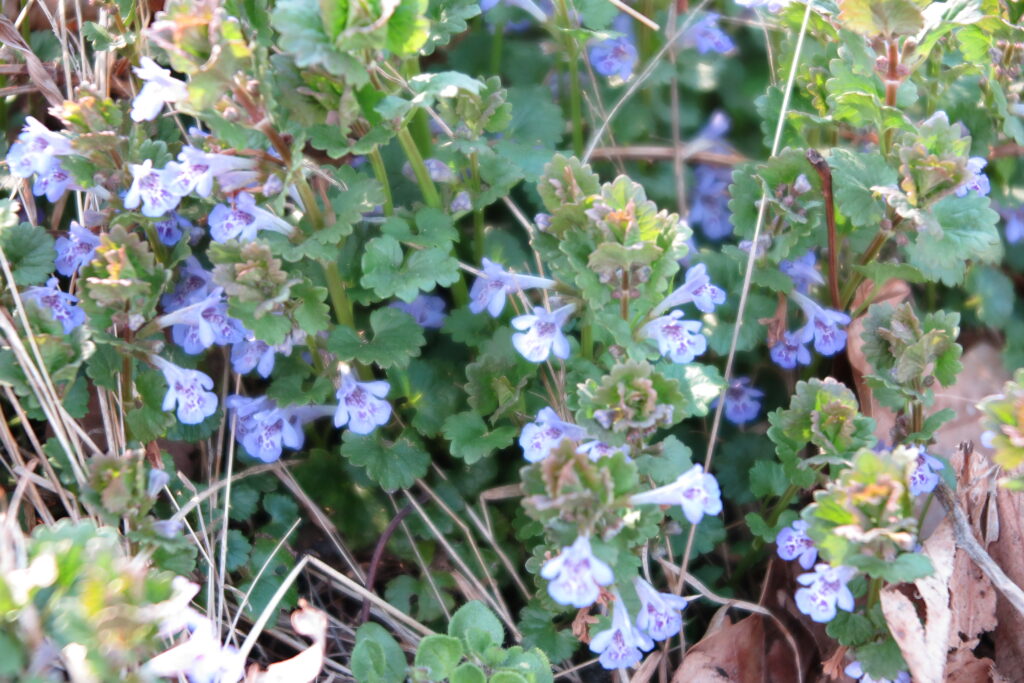
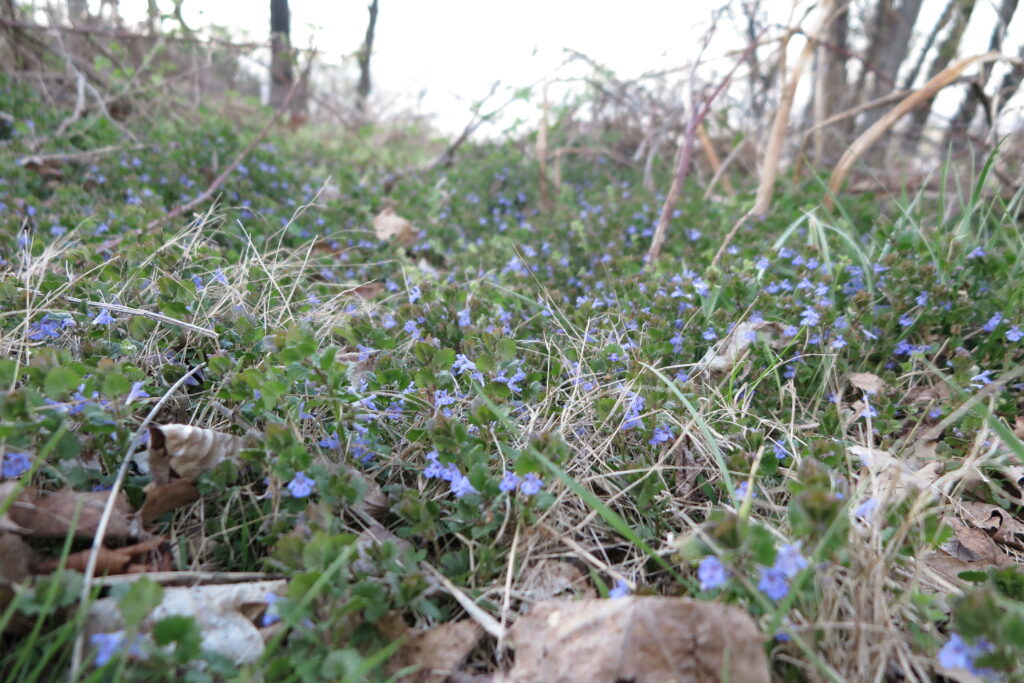
Creeping Charlie (Glechoma hederacea), also known as Ground Ivy, is a common perennial plant found throughout much of North America. Originally introduced from Europe and parts of Asia, it has become widely established in lawns, gardens, woodland edges, and other landscapes. Because of its abundance, questions about its safety frequently arise among homeowners, pet owners, and livestock keepers.
The plant belongs to the mint family and contains naturally occurring chemical compounds that can affect animals when consumed in sufficient quantities. Although it is not considered one of the most dangerous toxic plants, it has been associated with health concerns in certain situations. The level of risk often depends on the species involved and the amount consumed.
For most people, accidental contact with Creeping Charlie presents little concern. Simply touching the leaves or walking through patches is generally considered safe. Toxicity discussions primarily focus on ingestion rather than physical contact.
Understanding the difference between mild toxicity and severe poisoning is important. Many plants contain compounds capable of causing adverse effects when eaten in large quantities. Creeping Charlie falls into this category, meaning problems are most likely to occur when significant amounts are consumed rather than through casual exposure.
Creeping Charlie Toxicity in Humans and Household Pets
For humans, Creeping Charlie is generally regarded as a low-risk plant. Small accidental consumption is unlikely to result in serious health effects for most healthy individuals. However, consuming large amounts may contribute to digestive discomfort or mild gastrointestinal symptoms.
Children are naturally curious and occasionally place leaves or flowers in their mouths. While the plant is not considered highly poisonous, it is still not recommended for consumption without proper identification and understanding of its properties. Any unusual symptoms following ingestion should be evaluated by a medical professional.
Dogs may occasionally chew on vegetation while exploring yards or gardens. In most cases, a small amount of Creeping Charlie is unlikely to cause severe illness. Larger quantities, however, may contribute to stomach upset, vomiting, diarrhea, or general digestive irritation.
Cats are less likely to consume substantial amounts of the plant, but similar concerns exist when ingestion occurs. Symptoms are generally mild and primarily involve digestive discomfort. As with dogs, veterinary guidance should be sought if symptoms develop after consumption.
The risk posed by Creeping Charlie is considerably lower than that of highly toxic ornamental plants such as oleander or foxglove. A useful comparison is to think of it as a plant that may cause illness when eaten in quantity rather than one that presents immediate danger after minimal exposure. This distinction helps place its toxicity into proper perspective.

Why Creeping Charlie Can Be Dangerous to Livestock
Livestock represent the group most frequently associated with significant toxicity concerns involving Creeping Charlie. Historical reports have documented adverse effects in grazing animals, particularly horses. These concerns are far more substantial than those typically associated with household pets.
The plant contains volatile oils and other naturally occurring compounds that may affect certain animals when consumed in sufficient quantities. Under normal circumstances, many grazing animals avoid the plant if alternative forage is available. Problems become more likely when preferred food sources are limited.
Horses are generally considered the most sensitive domestic animals with regard to Creeping Charlie toxicity. Large-scale consumption has been associated with digestive disturbances and other health concerns. While severe cases are relatively uncommon, horse owners are often advised to monitor pastures where the plant occurs.
The greatest risk usually develops when dense infestations become mixed with forage plants. Animals may inadvertently consume larger quantities while grazing. A heavily infested pasture presents a different situation than a few isolated plants growing along a fence line.
A useful comparison would be feeding livestock an unbalanced diet containing too much of a normally minor ingredient. Small amounts may not create noticeable problems, but larger quantities can increase risk. This principle helps explain why toxicity concerns focus on excessive consumption rather than occasional grazing.
Identifying Risks and Preventing Creeping Charlie Poisoning
The most effective way to prevent toxicity issues is through proper plant identification. Knowing where Creeping Charlie grows and recognizing its appearance allows homeowners and animal owners to monitor exposure. Early identification also helps determine whether management is necessary.
Pet owners should regularly inspect yards and outdoor spaces where animals spend time. While most dogs and cats show little interest in consuming large amounts of the plant, monitoring behavior provides an additional layer of safety. Animals displaying unusual chewing habits may require closer observation.
For livestock owners, pasture management remains especially important. Regular inspections help identify expanding infestations before they become extensive. Removing large patches and encouraging healthy forage growth can significantly reduce the likelihood of excessive consumption.
Veterinarians and agricultural professionals generally recommend preventing repeated access to potentially problematic plants whenever possible. This approach reduces risk without relying on animals to avoid the vegetation themselves. Prevention is typically more effective than responding after symptoms appear.
Fortunately, severe poisoning from Creeping Charlie is relatively uncommon in humans and household pets. Most concerns involve mild digestive irritation or livestock-related exposure. By understanding the plant’s toxicity profile and maintaining awareness of where it occurs, people can safely coexist with one of the most widespread groundcover plants found throughout temperate regions.
Popular Searches About Creeping Charlie
Explore Creeping Charlie Guide
Explore More Plants

Support Encounters World
Help support wildlife photography and get behind the scenes discoveries on Patreon.