Baby Wolf Spider Guide: Appearance, Spiderlings, and Mother Carrying Babies
Quick Facts
Average Spiderling Size: Smaller than a grain of rice after hatching
Mother Carrying Capacity: Dozens to over 100 spiderlings
Global Range: Found worldwide except Antarctica
Conservation Status: Not Evaluated as a single species group
Main Development Stage: Spiderling to juvenile molts
Notable Feature: Baby wolf spiders ride on their mother’s back after hatching
Introduction to Baby Wolf Spiders
The Wolf Spider is one of the most recognizable hunting spiders in the world, but baby wolf spiders often surprise people because of their unusual appearance and remarkable relationship with their mother. Found throughout forests, grasslands, suburban yards, rocky terrain, and woodland edges, wolf spiders are active ground hunters that do not rely on webs to capture prey. Their young develop rapidly after hatching and display behaviors rarely seen in most other spiders.
Baby wolf spiders, commonly called spiderlings, begin life extremely small and fragile compared to the large adults many people encounter indoors or outdoors. Newly hatched spiderlings may appear as tiny moving dots clustered together around the mother spider. Their size is so small that a group of babies can sometimes resemble moving dust or debris from a distance.
One of the most fascinating aspects of wolf spider development is the way mothers carry their babies across their backs after hatching. Few spider groups display this level of visible parental care, making wolf spiders especially interesting to wildlife observers. A mother covered in dozens of spiderlings creates one of the most recognizable scenes in the spider world.
Because baby wolf spiders are commonly encountered during warmer months, many people search online trying to identify small spiders clustered together or riding on larger spiders. Their appearance often creates alarm at first, but these spiderlings represent an important early stage in the life cycle of one of nature’s most effective ground predators.
Baby Wolf Spider Appearance and Spiderling Overview
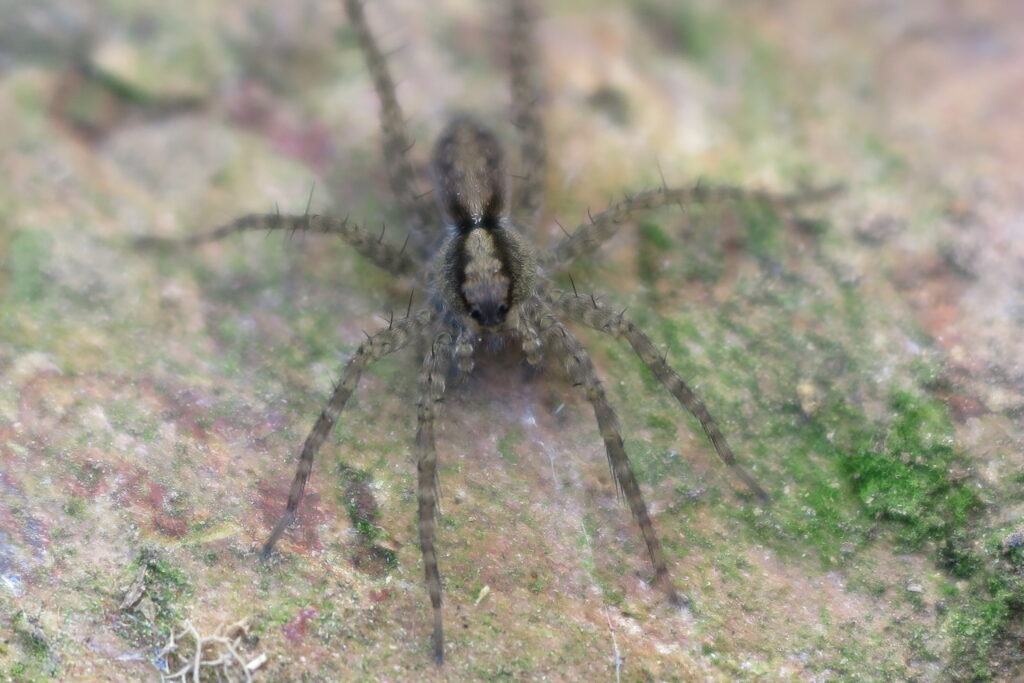
Baby wolf spiders hatch from egg sacs carried by the mother spider and initially appear extremely tiny and pale compared to adults. Newly emerged spiderlings are often light tan, gray, or translucent brown before darkening as they mature. Their small size and thin legs make them look far more delicate than fully grown wolf spiders.
Shortly after hatching, spiderlings climb onto the mother’s back and remain there for protection while their bodies strengthen. A mother wolf spider carrying babies may appear covered in moving bumps or tiny beads scattered across her abdomen. This unusual appearance is one of the easiest ways to identify wolf spider mothers in the wild.
Spiderling size varies slightly depending on species, but most hatchlings are smaller than a grain of rice. Even larger wolf spider species produce babies tiny enough to fit comfortably across a fingernail. Their miniature size makes them highly vulnerable during early development stages.
Compared to the Jumping Spider spiderlings, baby wolf spiders appear longer-legged and less compact overall. Jumping spider babies possess shorter thicker body proportions, while wolf spiderlings already show the low ground-hugging stance typical of adult wolf spiders.
Young spiderlings resemble tiny adult wolf spiders rather than worm-like larvae because spiders hatch in a relatively advanced developmental state. Even at extremely small sizes, they already possess eight legs, multiple eyes, and the ability to move independently. This immediate resemblance to adults helps distinguish spiderlings from many immature insects.
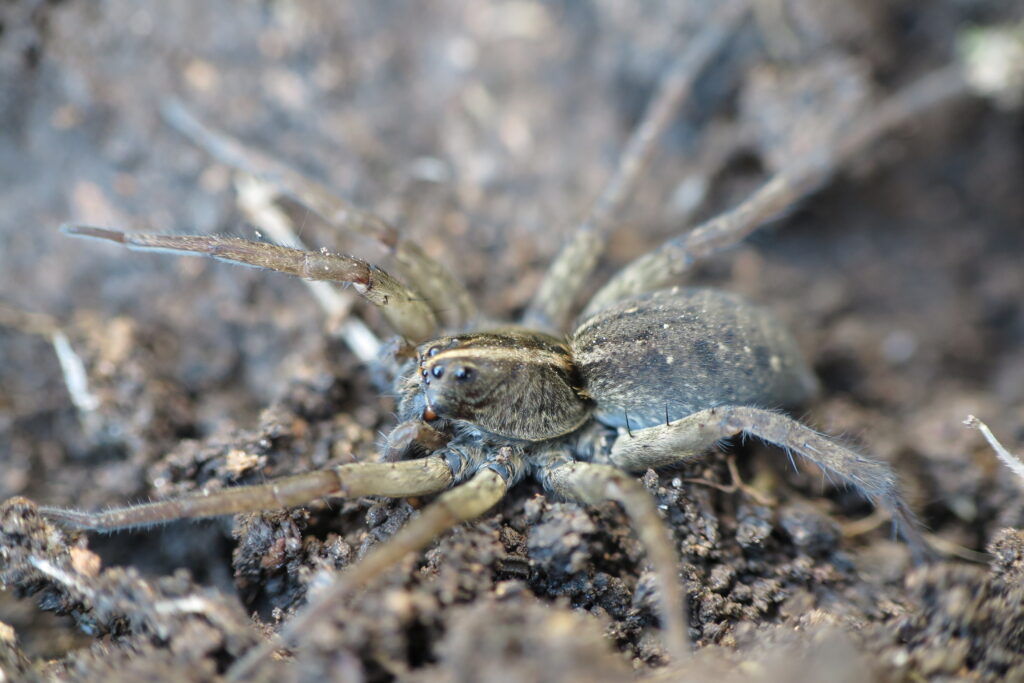
Coloration becomes darker and more defined as spiderlings molt and grow. Early life stages may look pale or faded, but later juvenile stages begin developing the mottled browns, grays, and striped patterns common among adult wolf spiders. Their legs also thicken gradually with age.
Large groups of baby wolf spiders often remain clustered together briefly after separating from the mother. During this period, dozens of tiny spiderlings may scatter rapidly if disturbed. This sudden movement frequently startles people because the spiders seem to appear all at once from a single location.
General Characteristics of Baby Wolf Spiders
One of the most remarkable characteristics of baby wolf spiders is maternal care. Unlike many spiders that abandon egg sacs completely, female wolf spiders actively protect both the eggs and newly hatched spiderlings. Mothers carry the egg sac attached to their spinnerets before later transporting spiderlings directly on their back.
This behavior gives baby wolf spiders a survival advantage during vulnerable early stages. Riding on the mother helps protect them from predators, environmental hazards, and harsh weather conditions while their bodies strengthen. It also keeps the spiderlings grouped together during their earliest days.
Spiderlings develop through repeated molts as they grow larger over time. During each molt, the spider sheds its rigid outer exoskeleton and expands before the new exoskeleton hardens. Growth occurs gradually through multiple molting stages until adulthood is reached.
Compared to the Brown Recluse Spider, baby wolf spiders appear sturdier and more active even at young ages. Brown recluse spiderlings typically possess thinner legs and more delicate body structure, while wolf spiderlings already display the broader hunting-focused body design associated with adults.
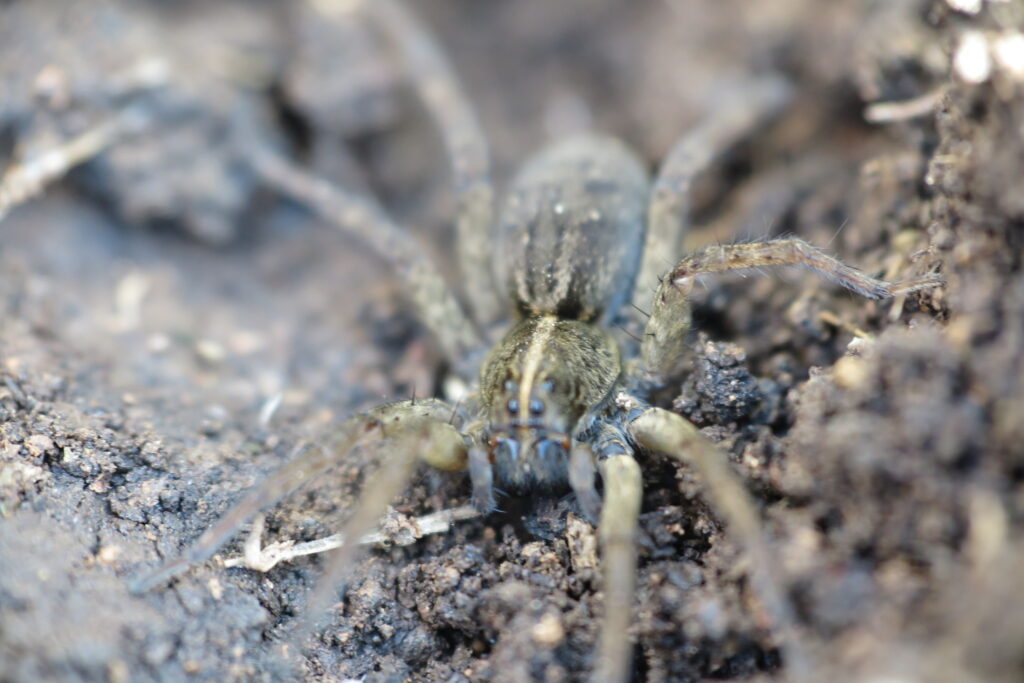
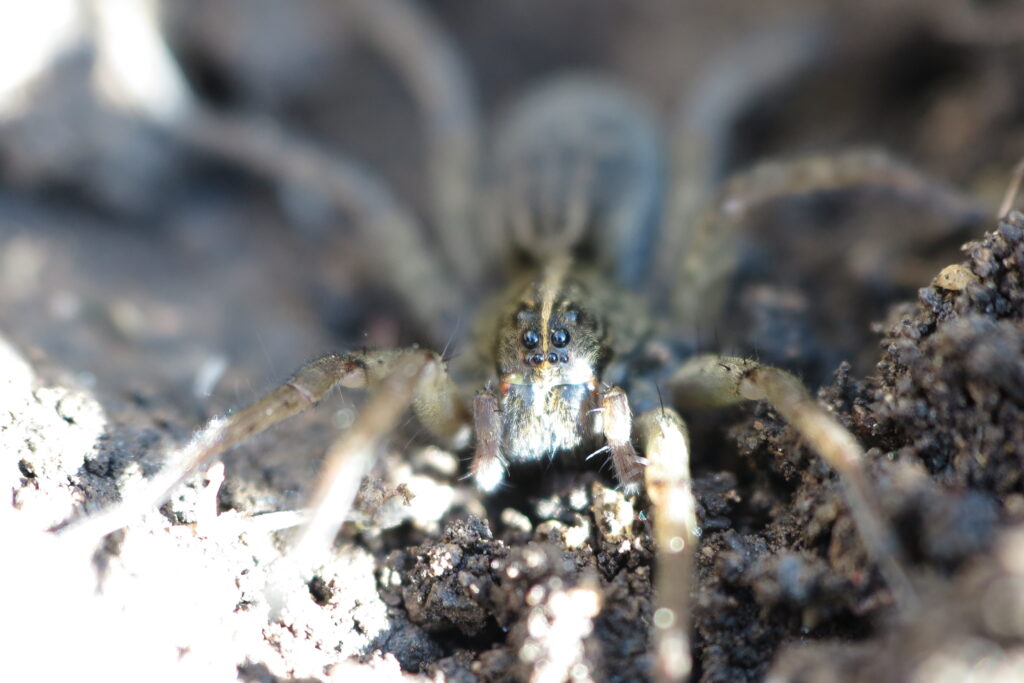
Their eye arrangement also develops early and contributes heavily to identification. Wolf spiderlings possess the same multi-row eye structure seen in adults, including two larger forward-facing eyes that reflect light. Although tiny, these eyes already support strong environmental awareness.
Baby wolf spiders are highly mobile shortly after leaving the mother. Instead of remaining stationary within webs, they quickly begin exploring ground surfaces and vegetation independently. Their movement often appears fast and erratic because of their tiny size and lightweight bodies.
Survival rates remain low for many spiderlings because predators, weather exposure, and competition create intense environmental pressure. Birds, insects, reptiles, amphibians, and even larger spiders may prey upon young wolf spiders. Producing large numbers of spiderlings helps offset these losses naturally.
Baby Wolf Spiders and Their Role in the Ecosystem
Baby wolf spiders play an important role in ecosystems despite their tiny size. As young predators, they begin controlling populations of extremely small insects and invertebrates shortly after becoming independent. Even spiderlings contribute to balancing insect communities across forests, grasslands, and suburban environments.
At the same time, baby wolf spiders provide food for countless predators within local ecosystems. Ants, beetles, birds, reptiles, amphibians, and other spiders frequently consume young spiderlings during early developmental stages. This makes them an important link within the food web.
Because wolf spiders produce large numbers of offspring, spiderlings help maintain stable future predator populations even though many individuals do not survive to adulthood. Their rapid reproduction ensures continued ecological presence across a wide range of environments. Large hatch numbers compensate for high natural mortality.
Young wolf spiders also contribute to biodiversity throughout leaf litter, grasslands, and woodland ground cover. Their presence supports balanced predator-prey relationships among smaller invertebrates while increasing ecological complexity within ground-level habitats.
Compared to web-building spider species, wolf spiderlings become active hunters much earlier in life. Instead of waiting within webs for prey, they roam through vegetation and soil surfaces searching directly for food. Their early independence contributes to their ecological effectiveness.
Baby wolf spiders also help demonstrate the importance of microhabitats within ecosystems. Moist soil, leaf litter, rocks, fallen wood, and dense vegetation all provide shelter during vulnerable early life stages. Environmental disruption to these areas may significantly affect spiderling survival rates.
Human encounters with baby wolf spiders are relatively common because mothers sometimes wander into garages, basements, sheds, and homes while carrying young. Although startling, these encounters usually represent harmless natural behavior rather than aggressive activity. The sudden scattering of spiderlings often creates more fear than actual danger.
Through insect control, predator-prey interaction, and population renewal, baby wolf spiders remain important members of ecosystems worldwide. Their unusual relationship with their mother and rapid development into active hunters make them one of the most fascinating juvenile stages among spiders and other small invertebrates.
Popular Searches About Wolf Spiders
Explore Wolf Spider Guide
Explore More Wildlife

Support Encounters World
Help support wildlife photography and get behind the scenes discoveries on Patreon.